Navigate This Guide
Let's talk about something that doesn't get nearly enough honest conversation: hair loss in women. It's not just a "guy thing." Far from it. If you're finding more hair in your brush, noticing your part getting wider, or feeling like your ponytail has lost its volume, you're not imagining things, and you are absolutely not alone. I remember a friend of mine—a vibrant, successful woman in her late thirties—confiding in me over coffee about the panic she felt every time she showered. "I feel like I'm washing away my confidence," she said. That stuck with me. The emotional toll is real, and it's often brushed aside.
Female hair loss is a complex, multi-faceted issue. It's not one-size-fits-all. The causes can range from the perfectly natural (like postpartum changes) to signals from your body that something needs attention. The journey to understanding it can feel overwhelming, filled with confusing terms, expensive "miracle" products, and sometimes, unhelpful advice. My goal here isn't to sell you anything or scare you. It's to walk you through the landscape of women's hair loss, separating fact from fiction, and outlining the practical steps you can take. Consider this a roadmap, written by someone who's spent a lot of time listening to experts and real people's stories.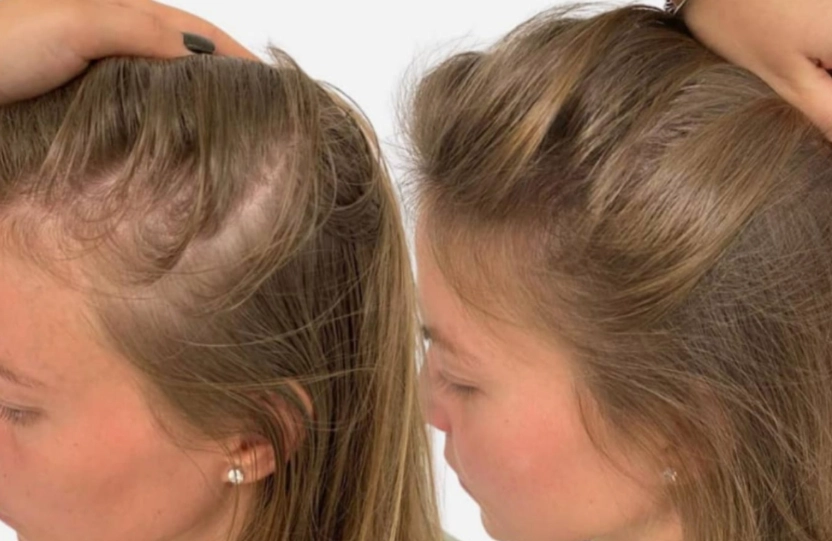
Key Takeaway Right Up Front: Hair loss in women is almost always treatable or manageable, but the first and most crucial step is identifying the why. Jumping straight to solutions without understanding the cause is like trying to fix a leaky pipe without finding the source of the leak.
What Does "Hair Loss" Actually Look Like for Women?
It doesn't always mean bald patches (though that can happen). The pattern is usually different from male pattern baldness. For women, it's often more diffuse—a general thinning all over the scalp, particularly noticeable on the top and crown. The frontal hairline usually stays intact, but the part widens. You might see more scalp than you used to when your hair is pulled back. This is often called female pattern hair loss, or androgenetic alopecia if we're using the medical term. But there are other types, too, like sudden shedding or circular bald spots.
Losing 50-100 hairs a day is normal. That's just your hair's natural growth cycle. The problem starts when the shedding outpaces the regrowth, or when new hairs that grow back are finer and thinner than before (a process called miniaturization). So, how do you know it's a problem? If you're consistently clogging the shower drain, finding hair on your pillow in significant amounts, or visibly seeing your hair density decrease over months, it's time to pay attention.
The Many Faces (and Causes) of Female Hair Loss
This is where it gets detailed. Pinpointing the cause is your ticket to an effective response. Let's break down the usual suspects.
1. The Hormonal Heavy-Hitters
Hormones and hair have a love-hate relationship. Fluctuations can trigger significant hair loss in women.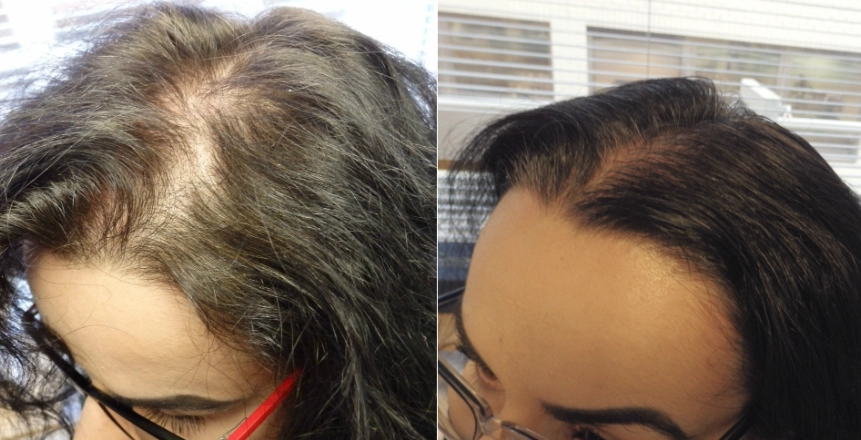
- Androgenetic Alopecia (Female Pattern Hair Loss): This is the most common cause. It's genetic and related to hormones called androgens. It causes the hair follicles to miniaturize over time. It can start as early as your late teens or twenties, but it's most common around and after menopause. It's a gradual process.
- Postpartum Shedding: A classic example. During pregnancy, high estrogen levels keep hair in the growing phase. After delivery, hormones crash, and all that hair enters the shedding (telogen) phase at once. It can be shocking—clumps of hair coming out around 3-6 months postpartum. The good news? It's almost always temporary. But the waiting period is tough.
- Menopause: The drop in estrogen and progesterone (which are hair-friendly) relative to androgens can trigger or worsen thinning.
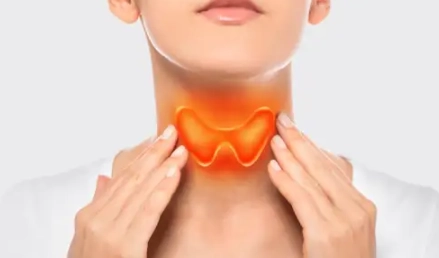
- Thyroid Issues: Both an overactive (hyperthyroidism) and underactive (hypothyroidism) thyroid can mess with your hair cycle. It's one of the first things a good doctor will check.
- PCOS (Polycystic Ovary Syndrome): This condition often involves higher levels of androgens, which can lead to hair thinning on the scalp and sometimes unwanted hair growth on the face and body.
2. The Telogen Effluvium Tango
This is a fancy term for a common problem: excessive shedding due to a major shock to your system. It pushes a large percentage of hair follicles into the resting/shedding phase. The trigger usually happens 2-3 months before you notice the hair loss. Common culprits include:
- Severe physical stress (surgery, a bad accident, a high fever).
- Extreme emotional stress (grief, divorce, major life change).
- Rapid weight loss or a crash diet.
- A severe illness or infection.
The hallmark of telogen effluvium is diffuse shedding—hair comes out all over, not in patches. The silver lining? Once the trigger is addressed, the hair usually grows back. But it requires patience; the regrowth phase is slow.
3. Nutrition: You Are What You Eat (And So Is Your Hair)
Your hair is a non-essential tissue. When your body is low on resources, it diverts nutrients to vital organs first. Your hair gets the leftovers. Common deficiencies linked to hair loss in women include:
| Nutrient | Role in Hair Health | Common Dietary Sources |
|---|---|---|
| Iron (Ferritin) | Essential for hair follicle cell growth. Low ferritin is a huge, often overlooked cause, especially in women with heavy periods. | Red meat, spinach, lentils, fortified cereals. |
| Vitamin D | Helps create new hair follicles. Deficiency is incredibly common. | Sunlight, fatty fish, egg yolks, fortified milk. |
| Zinc | Involved in hair tissue growth and repair. | Oysters, beef, pumpkin seeds, chickpeas. |
| B Vitamins (especially Biotin & B12) | Support keratin production and red blood cell formation (which carry oxygen to follicles). | Eggs, nuts, whole grains, meat, dairy. |
| Protein | Hair is made of keratin, a protein. Inadequate intake directly impacts growth. | Meat, fish, eggs, beans, tofu, Greek yogurt. |
I've seen so many women jump to expensive treatments without ever getting a simple blood test to check their iron stores (ferritin). It's a frustratingly common oversight. A study published by the National Library of Medicine highlights the link between iron deficiency and chronic telogen effluvium in women.
4. Medical Conditions & Medications
Certain autoimmune diseases, like alopecia areata (which causes patchy hair loss) or lupus, can target hair follicles. Some medications list hair loss as a potential side effect. Common ones include certain blood thinners, some antidepressants, beta-blockers for blood pressure, and medications for gout or arthritis. Never stop a prescribed medication because of hair loss without talking to your doctor—the risk likely outweighs the benefit.
5. The Way You Treat Your Hair
This is called traction alopecia, and it's caused by repeated, tight pulling on the hair. Think tight ponytails, braids, cornrows, or hair extensions worn constantly. Over time, this tension can permanently damage the follicles. It's a slow, preventable form of hair loss. Giving your hair a break from tight styles is crucial.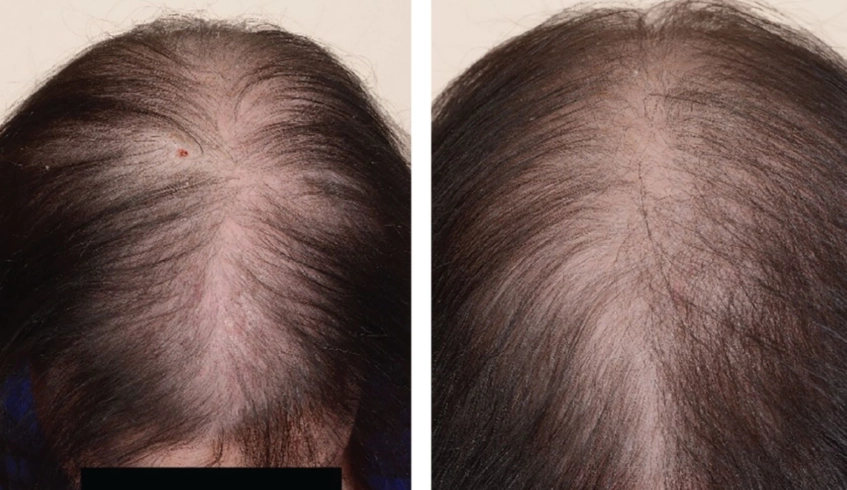
Myth-Busting Interlude: Let's clear up a few things quickly. Washing your hair frequently does not cause it to fall out—you're just seeing the hairs that were already ready to shed. Brushing 100 strokes a day is nonsense and can cause breakage. And most cheap shampoos from the drugstore won't cause hair loss, though they might not help thinning hair either. The real damage usually happens deeper than the scalp surface.
So, What Can You Actually Do? A Step-by-Step Action Plan
Feeling overwhelmed by the causes is normal. Now let's channel that into action. Here's a logical path to follow.
Step 1: The Detective Work (Seeing a Professional)
Don't self-diagnose based on Google. See a dermatologist, specifically one who specializes in hair disorders if you can find one. Your primary care doctor is a good start, but a dermatologist has the trained eye and tools. What should you expect?
- A Thorough History: They'll ask about your menstrual cycle, stress levels, diet, family history, recent illnesses, medications, and hair care habits. Be brutally honest.
- A Physical Exam: They'll look at your scalp and hair pattern, possibly using a tool called a dermatoscope to magnify the follicles.
- Blood Tests: This is non-negotiable in my opinion. They should check: Complete Blood Count (CBC), Ferritin (iron stores), Thyroid Stimulating Hormone (TSH), Vitamin D, and possibly Zinc. This basic panel rules out many common, correctable causes of hair loss in women.
- Possibly a Scalp Biopsy: If the diagnosis is unclear (like distinguishing between advanced androgenetic alopecia and another type), a tiny punch biopsy of the scalp can provide definitive answers. It sounds scarier than it is.
The American Academy of Dermatology Association has a great resource on what to expect when seeing a dermatologist for hair loss. It helps set realistic expectations.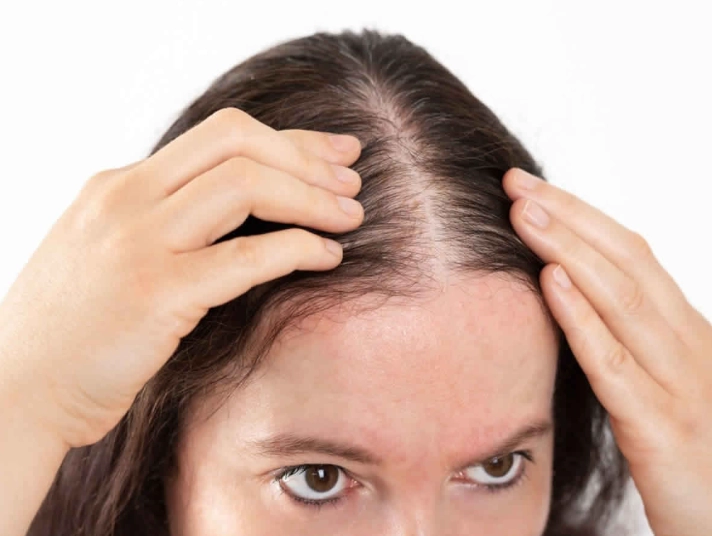
Step 2: Evidence-Based Treatment Options
Once you have a diagnosis, you can target the treatment. Here's a rundown of what actually has scientific backing.
Minoxidil (Rogaine): This is the frontline, FDA-approved topical treatment for female pattern hair loss. It's available over-the-counter in 2% and 5% solutions or foams. How it works isn't fully understood, but it seems to prolong the growth phase and wake up shrunken follicles. You have to use it consistently, forever. If you stop, the hair you gained (or maintained) will shed. The initial "dread shed" (increased shedding in the first 2-8 weeks) freaks people out, but it's often a sign it's working—pushing out old hairs to make way for new ones. Be patient; results take at least 4-6 months to see.
Spironolactone: This is a blood pressure medication that also blocks androgens. It's commonly prescribed "off-label" for women with androgenetic alopecia, especially if they have signs of high androgens (like acne or excess facial hair). It requires a prescription and monitoring by a doctor, as it can affect potassium levels and is not safe during pregnancy.
Finasteride/Dutasteride: These are potent 5-alpha-reductase inhibitors (they block the conversion of testosterone to DHT, the hormone that shrinks follicles). They are FDA-approved for men, but their use in women is controversial and typically only considered for postmenopausal women not planning pregnancy, due to serious birth defect risks. It's a last-resort option for specific cases.
Iron/Vitamin Supplements: If your blood tests show a deficiency, supplementation under a doctor's guidance is a treatment. Don't mega-dose on biotin blindly—it can interfere with certain lab tests (like thyroid tests), and if you're not deficient, it's just expensive urine.
Platelet-Rich Plasma (PRP): This involves drawing your blood, spinning it to concentrate the platelets, and injecting that plasma into your scalp. The growth factors in platelets are supposed to stimulate hair growth. The evidence is promising but not yet rock-solid. It's expensive (multiple sessions needed), and results vary. I'm cautiously optimistic but tell people to view it as an adjunct to proven treatments, not a magic bullet.
Low-Level Laser Therapy (LLLT): Devices like laser caps or combs use red light to stimulate cellular activity in the follicles. Some studies show benefit for androgenetic alopecia. The FDA has cleared some devices for home use. It's safe, but again, expensive and requires consistent, long-term use. The effect is modest for most.
Hair Transplantation: For women with stable, well-defined areas of thinning (often from traction alopecia or pattern loss that doesn't respond to meds), a transplant can be a permanent solution. It involves moving hair follicles from a dense donor area (usually the back of the head) to the thinning area. It's a surgical procedure with significant cost and downtime. Success depends heavily on the surgeon's skill and your specific pattern of loss.
A Personal Aside on "Natural" Remedies: I get asked about rosemary oil, saw palmetto, and pumpkin seed oil all the time. Look, some small studies (like this one on rosemary oil) show they might have a mild anti-androgen effect or improve circulation. If you want to try them as a supplement to your main treatment, and your doctor says it's okay, fine. But please don't abandon minoxidil because an influencer swears by a $50 essential oil blend. The evidence for the big guns is simply much stronger. Manage your expectations.
Living With It: The Emotional and Practical Toolkit
While you're waiting for treatments to work (and they take time), managing the emotional and visual impact is critical for your quality of life.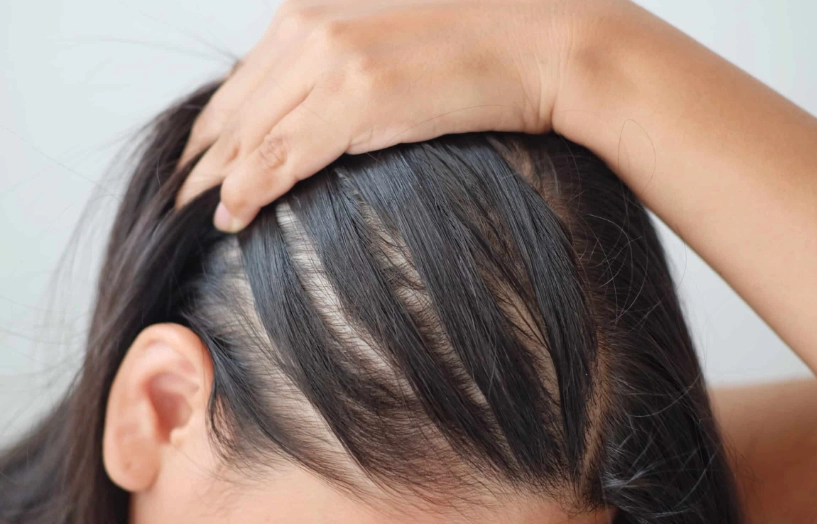
- Hairstyling Tricks: A good haircut with layers can add volume. Changing your part can cover a wide area. Texturizing sprays and dry shampoos at the roots are lifesavers. Consider a shorter style—it often looks fuller.
- Hair Fibers & Concealers: Products like Toppik (keratin micro-fibers) are game-changers. They cling to your existing hair, making thinning areas virtually disappear. They're temporary (wash out) but provide an instant confidence boost.
- Be Gentle: Swap tight elastics for soft scrunchies or claw clips. Use a wide-tooth comb on wet hair instead of brushing. Limit heat styling. Treat your remaining hair with kindness.
- Address the Stress: If stress is a trigger (and it often is), finding a coping mechanism isn't just good for your hair—it's good for you. Yoga, meditation, walking, therapy—whatever works for you.
- Find Your People: Talk about it. You'd be surprised how many women in your life are dealing with the same thing. Reducing the shame and isolation is powerful. Online support groups can be helpful too.
Answers to the Questions You're Probably Searching For
Is hair loss in women reversible?
It depends entirely on the cause. Telogen effluvium from stress or postpartum changes? Almost always reversible once the trigger passes. Hair loss from nutritional deficiencies? Usually reversible with correction. Female pattern hair loss (androgenetic alopecia)? It's not "cured," but it is highly treatable and manageable. You can slow, stop, or partially reverse the thinning with consistent treatment. The earlier you start, the better. Traction alopecia is reversible if caught early, but permanent if the follicles have been scarred over years.
What vitamin deficiency causes hair loss in women?
The big ones are Iron (low ferritin) and Vitamin D. Zinc and B-vitamin deficiencies (like B12) can also contribute. This is why guessing is pointless—a blood test tells you exactly what you need.
Can washing your hair less prevent hair loss?
No. The hairs you see in the shower were already detached from the follicle and ready to go. Washing less might make it seem like you're losing less because the shed hairs accumulate and all come out at once when you finally wash. Keeping a clean, healthy scalp is important for hair growth. Wash as often as your hair type needs.
When should I seriously worry about hair loss?
See a doctor if: the shedding is sudden and dramatic, you're developing bald patches, the thinning is rapidly progressive, your scalp is itchy, red, or painful, or if you have other symptoms like fatigue, weight changes, or irregular periods. Don't "wait and see" for a year. Early intervention is key, especially for female pattern hair loss.
Wrapping It Up: Your Path Forward
Dealing with hair loss as a woman is a journey, not a sprint. It requires patience, self-advocacy, and a healthy dose of skepticism toward quick fixes. Start with a doctor. Get the tests. Understand your specific diagnosis. Then, and only then, build a treatment plan with proven elements. Manage your expectations—regrowth is slow, often taking 6-12 months to become noticeable.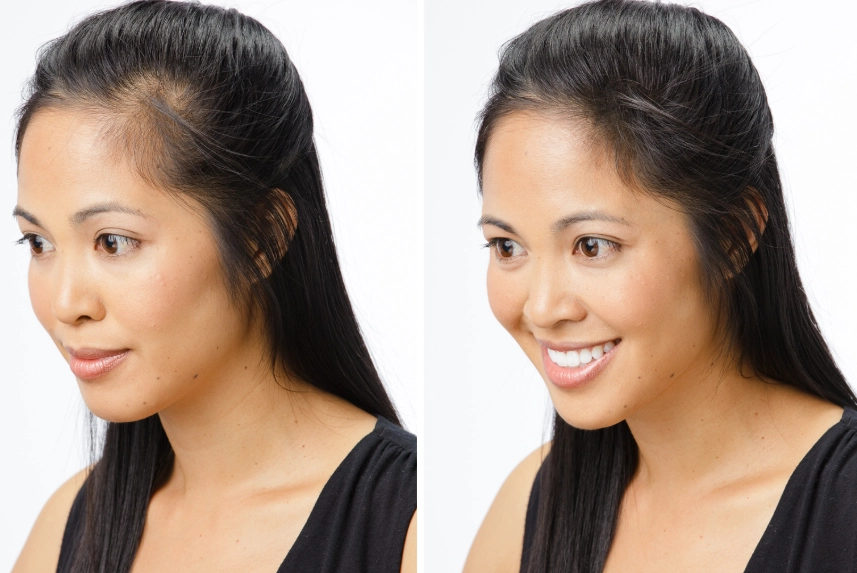
Remember, your worth is not measured by your hair density. But the distress you feel is completely valid. Addressing hair loss in women effectively means tackling both the physical cause and the emotional impact. Use the styling tricks, lean on your support system, and focus on the actionable steps in front of you. You have more control and more options than you think.
The goal isn't necessarily to get back every single hair you had at 18. The goal is to understand what's happening, stabilize the loss, improve what you can, and find a way to feel like yourself again. That is an entirely achievable goal.


Leave a comment