Let's cut through the noise. When we talk about occupational hazards, the image that often pops up is a construction site or a factory floor. But for millions of women, the workplace dangers are quieter, more insidious, and frequently overlooked because they don't fit the traditional 'hard hat' mold. From the nurse on a 12-hour shift to the teacher managing an overflowing classroom, and the office worker tethered to a poorly designed desk, women face a distinct set of health risks woven into the fabric of their jobs. This isn't about fear-mongering; it's about mapping the terrain so you can walk through it with your eyes wide open.
What You'll Find in This Guide
The Physical & Ergonomic Risks That Fly Under the Radar
Musculoskeletal disorders (MSDs) are the single largest category of workplace injury, and women are disproportionately affected. Why? A lot of it comes down to equipment and task design based on the 'average' male body.
Think about a standard office. The desk height, chair dimensions, monitor placement—they often assume a taller, broader frame. For a woman of average or shorter height, this means shoulders hunched to reach the keyboard, feet dangling without proper floor support, and neck craned upward to see the screen. It's a recipe for chronic pain.
In healthcare, it's even more pronounced. Patient handling is a huge risk. A study by the U.S. Bureau of Labor Statistics (BLS) consistently shows nursing assistants and registered nurses have some of the highest rates of overexertion injuries. Moving patients is physically demanding work, and despite the availability of lift equipment, understaffing and time pressure often lead to risky manual lifts.
Common Culprits in Different Sectors
| Industry/Role | Primary Ergonomic Hazard | Potential Outcome |
|---|---|---|
| Office/Admin Work | Static posture, repetitive typing/mousing, poor screen height. | Carpal tunnel syndrome, neck strain (cervical radiculopathy), lower back pain. |
| Healthcare (Nurse, Aide) | Manual patient lifting, transferring, prolonged standing. | Back injuries (herniated discs), shoulder strains, varicose veins. |
| Education/Childcare | Frequent bending to child's level, sitting on small furniture, holding children. | Knee problems, back pain, rotator cuff issues. |
| Retail/Cashier | Standing in one place for hours, repetitive scanning motions. | Plantar fasciitis, leg swelling, tendonitis in the wrist/elbow. |
| Cleaning/Janitorial | Repetitive pushing/pulling, awkward postures for cleaning low/high areas. | Chronic shoulder and back pain, knee degeneration. |
The subtle mistake many make? Assuming that because a task isn't 'heavy lifting,' it's safe. The reality is that low-force, high-repetition movements, performed in a poor posture for hours, are just as damaging over time.
Chemical and Biological Exposure: The Invisible Threat
This area is where gender differences in physiology create unique vulnerabilities. Women's bodies can process certain toxins differently, and some chemicals are known or suspected endocrine disruptors, interfering with hormonal systems.
Look at the beauty and salon industry, predominantly female. Hairdressers and cosmetologists are routinely exposed to a cocktail of chemicals—ammonia and persulfates in hair dyes, formaldehyde in some smoothing treatments, and solvents in nail products. Research, including reports from the U.S. Centers for Disease Control and Prevention (CDC), has linked long-term exposure in this field to higher risks of certain cancers, respiratory issues, and reproductive problems.
In healthcare, it's antineoplastic (chemotherapy) drugs, sterilizing agents like ethylene oxide, and aerosolized medications. Nurses and pharmacy technicians who prepare or administer these drugs need specific protocols—closed-system transfer devices, proper PPE like chemo-rated gloves—to avoid dermal or inhalation exposure. In my experience auditing clinics, the protocol is often posted, but the rush of a busy day leads to shortcuts. I've seen nurses handle chemo vials with only standard latex gloves, a serious risk.
Then there's the biological hazard front. Women in healthcare, education, and care work have higher exposure risks to infectious diseases. Think beyond COVID-19. Influenza, norovirus, MRSA, and even childhood illnesses like parvovirus (Fifth disease) can pose specific risks to pregnant workers. The key here isn't just the exposure, but often the lack of clear policies for temporary reassignment or enhanced protection for pregnant employees in high-risk roles.
Psychosocial Stressors: The Mental Load No One Talks About
If you've ever felt emotionally drained after a day of managing other people's emotions, you've felt a psychosocial hazard. These are the aspects of work design and social context that cause psychological strain.
For women, this often manifests in a few key ways:
- Emotional Labor: Jobs requiring constant empathy, emotional regulation, and 'service with a smile'—nursing, teaching, customer service, flight attending. The effort to suppress one's own feelings to manage others' is cognitively and emotionally taxing, leading to burnout.
- Workplace Violence & Harassment: Women are at higher risk for certain types of violence, particularly in roles involving public interaction (retail, social work) or isolated work (cleaners working alone at night). Sexual harassment remains a pervasive occupational hazard with severe mental health impacts.
- Role Strain & Lack of Autonomy: The 'double shift' of professional work and a disproportionate share of domestic responsibilities creates chronic stress. In the workplace, jobs with high demand but low control (you're told what to do with little say in how) are strongly linked to anxiety and depression.
A report by the World Health Organization (WHO) explicitly recognizes workplace stress as a global health concern. The kicker? Many companies treat burnout as an individual failing, not an organizational risk to be managed.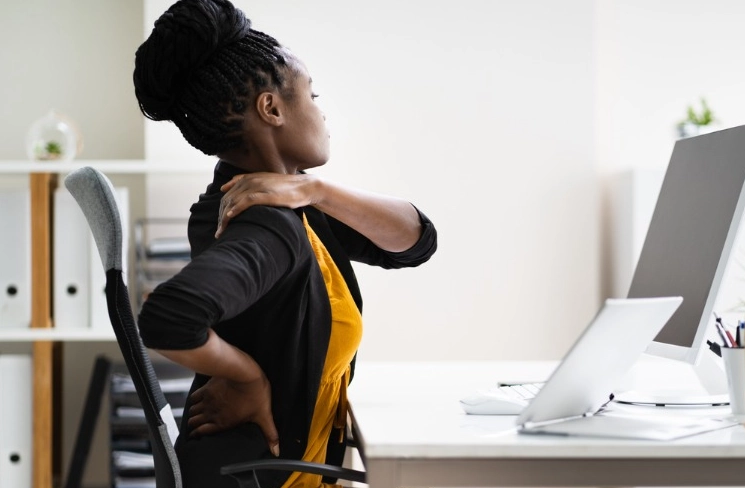
What Your Employer Legally Must Do (And Often Doesn't)
In the United States, the Occupational Safety and Health Administration (OSHA) requires employers to provide a workplace "free from recognized hazards." That's the General Duty Clause. But 'recognized' is the tricky part.
Employers have specific legal obligations:
- Hazard Assessment: They must identify workplace hazards. This should include ergonomic assessments for repetitive tasks and reviews of chemical inventories.
- Hazard Prevention & Control: This is the big one. After identifying a risk, they must fix it. For ergonomics, that could mean providing adjustable furniture. For chemicals, providing proper gloves and ventilation. For violence, implementing a prevention plan.
- Training & Information: You have a right to know about the hazards in your job. Training on proper lifting, chemical Safety Data Sheets (SDS), and violence de-escalation should be provided in a language you understand.
Where do they drop the ball? Often on step 2—control. It's cheaper to give a 30-minute training video on back safety than to buy a $5,000 patient lift for every unit. It's easier to tell employees to be 'resilient' than to redesign crushing workloads. Your most powerful tool is knowing that a hazard must be controlled, not just identified.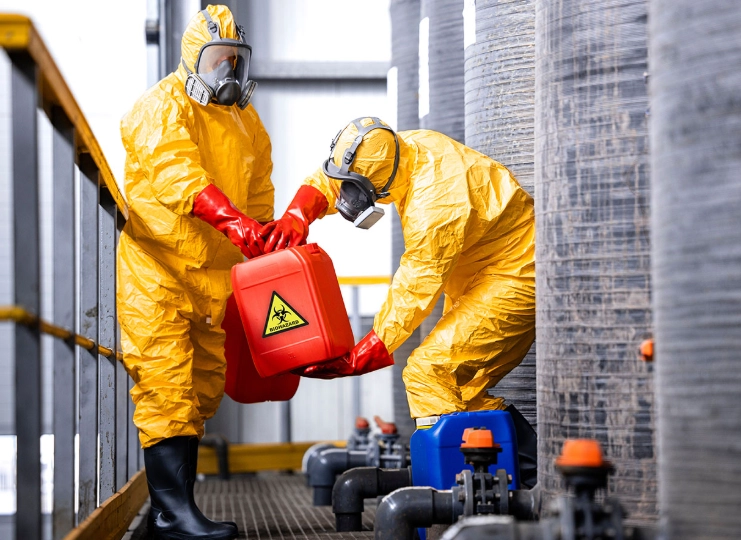
Your Personal Action Plan: Practical Steps for Today
You can't single-handedly change corporate culture, but you can arm yourself. Here's a starter kit.
1. Become a Detective of Your Own Workspace. Don't just sit there in pain. Ask: Is my chair supporting the natural curve of my lower back? Are my elbows at 90 degrees when I type? Can I see the top third of my monitor without tilting my head? Use your phone to take a side-view photo of your posture—it's often revealing.
2. Master the Art of the Professional Request. When asking for an ergonomic adjustment, frame it as a productivity and injury-prevention issue. "I've identified that an adjustable keyboard tray would help me maintain a neutral posture, reducing fatigue and my risk of a repetitive strain injury." This is harder to refuse than "My back hurts."
3. Know Your SDS. If you use chemicals, find the Safety Data Sheet. Look at Section 2 (Hazards Identification) and Section 8 (Exposure Controls/Personal Protection). It will tell you the real risks and the exact PPE (type of glove, respirator) you need. If your employer provides flimsy vinyl gloves for handling a solvent that requires nitrile gloves, you have a documented basis to ask for the right gear.
4. Document Everything. If you experience pain, harassment, or an incident, write it down: date, time, what happened, who was involved. Report injuries or hazards through official channels (email creates a record). This isn't about being litigious; it's about creating a timeline if you need to seek workers' comp or prove a pattern of neglect.
5. Use Your Breaks Strategically. A five-minute micro-break every hour to stretch, walk, and look away from the screen is more effective for preventing MSDs than powering through. Set a timer.
The goal isn't to create a fortress of anxiety around your job. It's to shift from passive endurance to active management of your work environment. Your health isn't a trade-off for your paycheck.




Leave a comment