Your Roadmap to STD Prevention
- The Foundation: Barrier Methods That Actually Work
- Testing: The Cornerstone of Knowing Your Status
- The Hardest Part: Communication with Partners
- Vaccination: The Overlooked Powerhouse
- Beyond the Basics: Daily Habits & Situational Awareness
- What to Do If You Think You've Been Exposed
- Common Questions & Misconceptions (The FAQ We All Need)
- Putting It All Together: Your Personal Prevention Plan
Let's be real for a second. Talking about sexually transmitted diseases (STDs), or sexually transmitted infections (STIs) as many experts now prefer, can feel awkward, clinical, and maybe a little scary. You might be reading this because you're starting a new relationship, because you had a scare, or maybe you just want to be responsible for your own health. Whatever the reason, you're in the right place. This isn't about fear-mongering; it's about empowerment. Real, practical STD prevention is a mix of tools, habits, and conversations. It's less about a single magic bullet and more about building a toolkit you're comfortable using.
I remember feeling utterly confused in my early twenties. The advice was always so vague. "Practice safe sex." Okay, but what does that actually mean on a Tuesday night? It felt like there was a huge gap between the textbook diagrams and real life. This guide aims to bridge that gap. We're going to move beyond the basic pamphlet and dive into the nitty-gritty of what works, what doesn't, and how to make these strategies part of your life without it feeling like a chore.
The Foundation: Barrier Methods That Actually Work
When people think of STD prevention, condoms are usually the first thing that pops into mind. And for good reason. But it's not the only barrier in the game, and how you use them matters way more than just having them in your drawer.
External (Male) Condoms: The Gold Standard, When Used Right
Latex or polyurethane condoms are incredibly effective at preventing the transmission of fluids that carry HIV, chlamydia, gonorrhea, and trichomoniasis. They also reduce the risk for herpes and HPV, though because those can be spread by skin-to-skin contact outside the area covered by the condom, the protection isn't absolute. The keyword here is correct and consistent use.
Here’s the thing most guides don't stress enough: using a condom wrong is almost as bad as not using one at all. Putting it on halfway through? Using an oil-based lubricant that degrades latex? Storing it in a wallet for six months? All rookie mistakes that tank the effectiveness. The Centers for Disease Control and Prevention (CDC) has clear data showing that consistent and correct condom use is the key. It's not just a box you tick.
Internal (Female) Condoms and Dental Dams
Internal condoms, worn inside the vagina or anus, are a fantastic option that puts more control in the receptive partner's hands. They're made of nitrile, so they're safe for people with latex allergies. Then there are dental dams—thin sheets of latex or polyurethane used for oral-vaginal or oral-anal sex. They're crucial for STD prevention during oral sex, an area many people forget about entirely. Gonorrhea in the throat is a real thing, and it's often asymptomatic.
The biggest barrier to these tools isn't effectiveness; it's accessibility and familiarity. You might have to look for them online or at a specific clinic, which is a hassle. But if you're serious about comprehensive prevention, they're worth seeking out.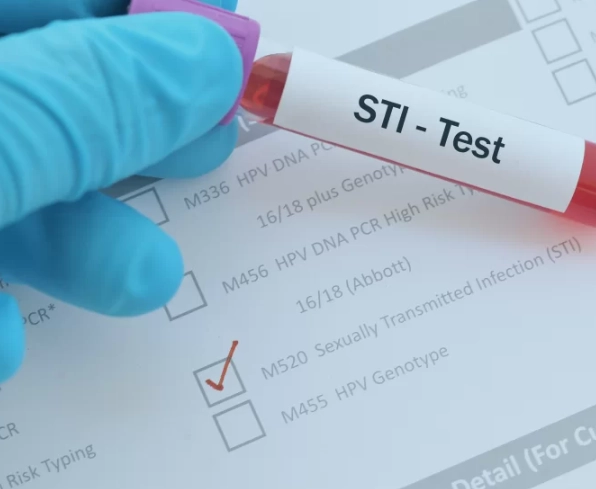
Testing: The Cornerstone of Knowing Your Status
This is arguably the most important chapter in any STD prevention playbook. You can't manage what you don't measure. Many STDs, like chlamydia, gonorrhea, and even HIV in its early stages, can lurk silently without any symptoms. You could be passing something on without having a clue. That's the scary part. The empowering part is that testing is easier, faster, and more private than ever.
So, who should get tested and when? The blanket recommendation from the CDC is that all sexually active adults should be tested at least once for common STDs. But let's get specific, because vague advice is useless.
- Before a new partner: This is the ideal standard. Getting tested together, or sharing recent results, is the ultimate act of mutual care. It removes guesswork and builds a foundation of trust. Is it awkward to bring up? Maybe at first. But saying "I care about both our health, so I got tested. Would you be open to doing the same?" frames it positively.
- After unprotected sex: If a condom breaks or you had a lapse in judgment, don't panic—but do get tested. Different infections have different "window periods" (the time between exposure and when a test can accurately detect it). A healthcare provider can guide you on the right timeline.
- Regularly if you have multiple partners: If you're non-monogamous or have new partners frequently, annual testing is the bare minimum. Every 3-6 months is a more cautious and responsible approach for high-frequency activity.
- When you have symptoms: Obvious, right? But don't downplay things like unusual discharge, burning during urination, sores, or rashes. Go in. Immediately.
What does testing involve? The horror stories of giant swabs are mostly outdated. Many tests are simple urine samples or quick blood draws. Some, like HIV tests, can even be done at home with a mail-in kit or a rapid oral test. The key is to ask for a full panel. Don't just ask for "an STD test." Specify: HIV, syphilis, chlamydia, gonorrhea, and maybe hepatitis B and C. Herpes blood testing is trickier and usually only recommended if you have symptoms, due to the potential for false positives and the psychological impact of a diagnosis for a very common virus.
Ignorance is not bliss. It's a risk.
The Hardest Part: Communication with Partners
All the condoms and tests in the world won't help if you can't talk to the person you're with. I get it. Bringing up STDs can feel like you're accusing someone of being dirty or implying a lack of trust. It's clunky. Our culture stinks at having these conversations openly. But reframing it is everything.
This isn't about the past or assigning blame. It's a forward-looking conversation about mutual care and responsibility. It's saying, "I'm into you, and I want both of us to feel safe and comfortable so we can actually enjoy this."
- The Direct Approach: "Before things go further, I think we should talk about sexual health. I was last tested in [Month], and everything was clear. What's your testing history been like?"
- The Inclusive Approach: "I always use condoms with new partners for STD prevention until we're both tested. Is that cool with you?"
- The Teamwork Approach: "Hey, I'm planning to go get my routine STD screening next week. Would you want to go together or share results? It would make me feel really at ease."
A partner who gets defensive, angry, or refuses to have this conversation is a giant, flashing red warning sign. It shows a disregard for your well-being and their own. A responsible partner will appreciate your maturity, even if they're a little nervous. This conversation is the ultimate filter for figuring out if someone is worth your time and your body.
Vaccination: The Overlooked Powerhouse
This is where modern medicine feels like a superpower. We have safe, effective vaccines that can completely prevent certain viral STDs. This is proactive STD prevention at its best.
HPV Vaccine (Gardasil 9)
The Human Papillomavirus (HPV) is insanely common—almost every sexually active person gets it at some point. Most strains are harmless, but a handful can cause cervical, anal, throat, and other cancers, as well as genital warts. The HPV vaccine, recommended for everyone up to age 45, protects against the cancer-causing and wart-causing strains. The World Health Organization (WHO) highlights vaccination as a critical primary prevention strategy. It's a no-brainer. If you're eligible and haven't gotten it, talk to your doctor. It's not just for teens anymore.
Hepatitis A & B Vaccines
Hepatitis B is a liver infection spread through blood and sexual fluids. The vaccine series (usually 2 or 3 shots) provides lifelong immunity. Hepatitis A, spread through fecal-oral contact (which can happen during certain sexual practices), also has a highly effective vaccine. These are often part of standard childhood schedules now, but many adults may have missed them. A quick blood test can check your immunity.
Beyond the Basics: Daily Habits & Situational Awareness
STD prevention isn't just a bedroom issue. Your overall health and daily choices play a supporting role.
Substance Use: Let's not sugarcoat this. Alcohol and drugs significantly impair judgment. You're more likely to skip the condom, forget to ask questions, or engage with riskier partners when you're intoxicated. I'm not saying don't have fun. I'm saying have a plan before you go out. Put a condom in your pocket or bag as a physical reminder. Have the testing conversation when you're both sober.
PrEP and PEP: For HIV prevention specifically, we have revolutionary pharmaceutical tools. PrEP (Pre-Exposure Prophylaxis) is a daily pill (like Truvada or Descovy) that, when taken consistently, reduces the risk of getting HIV from sex by about 99%. It's a game-changer for individuals at higher risk, such as those with an HIV-positive partner or who have multiple partners without consistent condom use. PEP (Post-Exposure Prophylaxis) is an emergency medication taken within 72 hours of a possible HIV exposure (like a condom break with a partner of unknown status). It's a month-long course to try and stop the virus from taking hold. These are powerful tools discussed in detail on resources like Planned Parenthood's website. They are not for everyone, but knowing they exist is crucial.
Circumcision: For heterosexual men, medical circumcision has been shown to reduce the risk of acquiring HIV and some other STDs. However, it is not a substitute for other prevention methods and is a personal/medical decision with many factors.
What to Do If You Think You've Been Exposed
Panic is a natural first reaction. Breathe. Then, take systematic steps.
- Stop Sexual Activity: Immediately. Do not have sex again until you are tested and, if necessary, treated.
- Assess the Situation: What happened? Condom break? Unprotected sex? What is your partner's likely status? (Don't guess—if possible, ask them respectfully).
- See a Healthcare Provider ASAP: Go to a clinic, your doctor, or an urgent care center. Be brutally honest about what happened. They are not there to judge you; they are there to help.
- Discuss PEP if relevant: If it was a potential HIV exposure, ask about PEP immediately. The clock starts ticking after exposure.
- Get Tested on the Recommended Schedule: Your provider will tell you when to come back for accurate testing based on different window periods.
- Notify Partners if Necessary: If you test positive, you have an ethical obligation to inform recent partners so they can get tested and treated. Many health departments offer anonymous partner notification services if the idea of doing it yourself is too daunting.

Common Questions & Misconceptions (The FAQ We All Need)
"If my partner says they're 'clean,' do I need to worry?"
First, let's retire the word "clean." It implies people with STDs are "dirty," which is stigmatizing and untrue. More importantly, your partner might sincerely believe they're infection-free because they have no symptoms. As we know, many STDs are asymptomatic. "Clean" is not a medical status. "Tested" is. Trust actions (recent test results) over words.
"Can I get an STD from oral sex?"
Absolutely, 100% yes. Gonorrhea, chlamydia, herpes, HPV, and syphilis can all be transmitted through oral sex. Using condoms or dental dams for oral sex is a core part of comprehensive STD prevention, though it's often skipped.
"Does pulling out prevent STDs?"
No. Not even a little bit. Withdrawal does nothing to prevent the transmission of infections spread through pre-ejaculate fluid, genital skin contact, or vaginal fluids. It is not an STD prevention method. Full stop.
"Are two condoms better than one?"
No! Using two condoms (latex on latex) creates friction between them, making it more likely they will break. One condom, used correctly, is the protocol.
"I'm in a monogamous relationship. Do we still need to think about this?"
If you are both tested after your last other partners and before becoming sexually exclusive with each other, and remain truly monogamous, your risk is very low. However, if there is any doubt about monogamy, regular testing might still be a part of your health maintenance. Trust, but verify.
Putting It All Together: Your Personal Prevention Plan
Information overload is real. Let's simplify this into a checklist you can actually use. Think of your STD prevention plan like a pyramid. The base is what you always do, the middle is what you do regularly, and the top is for specific situations.
| Level | Action | Frequency / Trigger | Why It Matters |
|---|---|---|---|
| Foundation (Always) | Use barrier methods (condoms/dams) correctly with all new/casual partners. | Every sexual encounter. | Provides immediate physical barrier against most STDs. |
| Foundation (Always) | Have clear, sober conversations about testing and status before sex. | With every new partner. | Builds trust and ensures informed consent. |
| Maintenance (Regularly) | Get comprehensive STD testing. | Annually, or every 3-6 months if higher risk. | Catches asymptomatic infections early. |
| Maintenance (Regularly) | Stay up-to-date on vaccinations (HPV, Hep A/B). | As per doctor's recommendation. | Provides lifelong immunity to specific viruses. |
| Situational (As Needed) | Consider PrEP (daily pill) for ongoing HIV risk reduction. | If you have an HIV+ partner or multiple partners without consistent condom use. | Near-complete HIV prevention. |
| Emergency (If Needed) | Seek PEP after a potential high-risk HIV exposure. | Within 72 hours of exposure. | Emergency stop for possible HIV infection. |
| Emergency (If Needed) | Get tested & treated immediately after symptoms or known exposure. | As soon as possible. | Limits health impact and prevents spread. |
The goal isn't perfection. The goal is consistent, thoughtful effort. Some days you'll nail it. Other days, you might forget or make a choice you regret. That's human. The important thing is to get back on track—schedule that test, restart the conversation, buy a new pack of condoms. Your sexual health is a lifelong part of your overall well-being, not a one-time exam. Investing in STD prevention is investing in your freedom, your peace of mind, and your ability to enjoy intimacy without a cloud of anxiety. You've got the knowledge now. The next step is making it your own.
Start where you are. Use what you have. Do what you can.





Leave a comment