Let's cut straight to the point: you don't need a gym membership, fancy equipment, or even a lot of time to build real, functional strength. The idea that effective strength training for women requires expensive investment is a myth I've spent a decade debunking. I've coached hundreds of women, from total beginners to busy moms, and the most transformative progress often happens in living rooms, backyards, and spare bedrooms using nothing but bodyweight and household items. This guide is your roadmap to exactly that.
What You'll Find in This Guide
Why Strength Training is Non-Negotiable for Women
Forget the outdated notion that lifting weights makes you bulky. The science from institutions like the American Council on Exercise is crystal clear: strength training is a cornerstone of women's health. The benefits go far beyond aesthetics.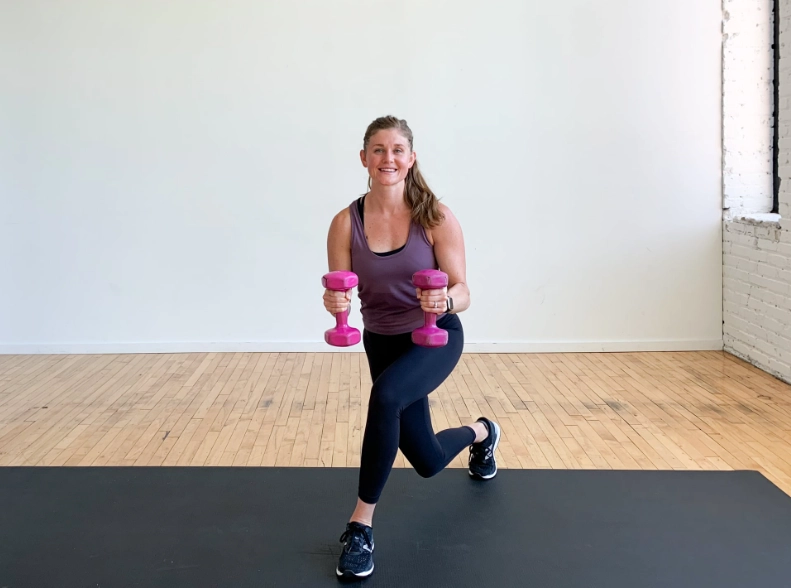
It protects your bones, fighting against osteoporosis. It revs up your metabolism in a way cardio alone can't, helping manage weight long-term. It builds resilience against back pain from sitting all day. It boosts confidence in a tangible way—there's nothing quite like the feeling of doing your first real push-up.
Yet, the biggest barrier I hear isn't fear, it's finance. "I can't afford a gym." Good. You don't need to.
My Take: The focus on "toning" has done a disservice. We should be talking about capability. Can you carry all your groceries in one trip? Lift your suitcase into the overhead bin? Play with your kids without getting winded? That's the real goal, and bodyweight training gets you there.
How to Start Free Strength Training at Home
Your first workout is five feet away. You need zero equipment to begin. The foundational movements are all about mastering your own body. Here’s the simple framework:
The Foundational Five Movement Patterns: A balanced routine covers these. They mimic real-life actions.
- Push: Like pushing a heavy door or getting up off the floor. (Think: push-up variations, planks).
- Pull: Like opening a stuck window or rowing a boat. (This is the trickiest without equipment, but we'll solve it).
- Hinge: Like picking up a child or a bag of soil. The king of glute and hamstring builders. (Think: glute bridges, single-leg deadlifts).
- Squat: Like sitting down and standing up, or getting in and out of a car. (Think: bodyweight squats, lunges).
- Carry: Like moving a laundry basket or water jugs. (We'll use household items).
Solving the "Pull" Problem Without a Gym
This is the classic hurdle. You can't do a pull-up without a bar. But you can row. Find a sturdy table. Slide under it, grip the edge, and pull your chest towards it. Too easy? Put your feet on a chair. No table? Use a bedsheet tied securely around a closed door (wrap it around the hinge side for safety) and lean back to row. A backpack filled with books makes a perfect weight.
See? Problem solved with creativity, not cash.
Your 4-Week No-Equipment Strength Plan
Here is a concrete, actionable plan. Do this 3 times a week, with a rest day in between. Each session should take 20-30 minutes. Focus on form, not speed.
| Exercise | Weeks 1-2 (Sets x Reps) | Weeks 3-4 (Sets x Reps) | Form Tip (Where Most Go Wrong) |
|---|---|---|---|
| Bodyweight Squat | 3 x 10-12 | 3 x 15-20 | Don't let your knees cave in. Push them out over your toes. |
| Incline Push-up (hands on couch/table) | 3 x 8-10 | 3 x 12-15 | Keep your body straight as a plank. No sagging hips. |
| Table/Bedsheet Row | 3 x 8-10 | 3 x 12-15 | Squeeze your shoulder blades together at the top. |
| Glute Bridge | 3 x 12-15 | 3 x 20-25 | Squeeze your glutes at the top, don't just lift with your back. |
| Bird-Dog (on all fours) | 2 x 8 each side | 3 x 10 each side | Go slow. The goal is stability, not touching your nose to your knee. |
| Plank | 2 x 20-30 seconds | 3 x 40-60 seconds | Brace your entire core like you're about to be tickled. |
After week 4, make it harder. For squats, try doing them on one leg while holding a wall. For push-ups, lower the incline. Add a pause at the bottom of your glute bridge. Progression is the key to results.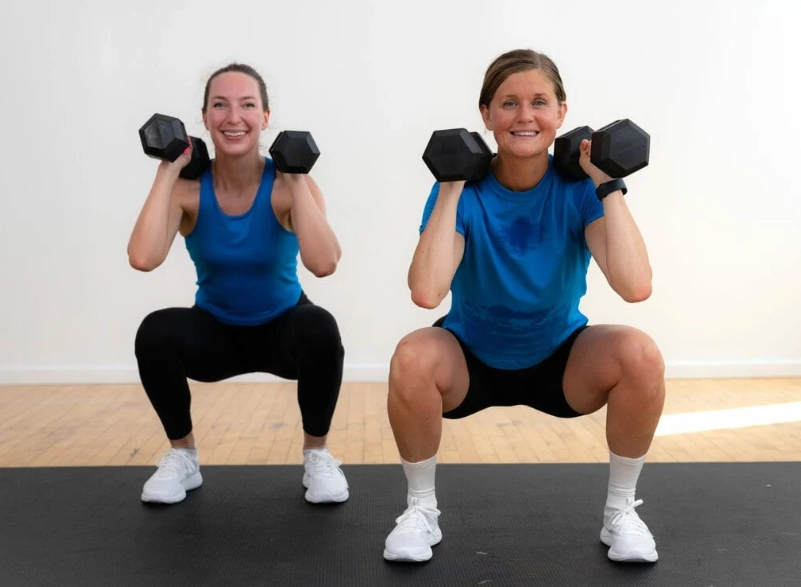
The 3 Biggest Mistakes Beginners Make (And How to Avoid Them)
After years of coaching, I see the same patterns.
Mistake 1: Skipping the Warm-up. You don't "warm up" by doing the exercise slower. Spend 5 minutes doing dynamic moves: leg swings, arm circles, cat-cow stretches, torso twists. It preps your nervous system and prevents injury. This is non-negotiable.
Mistake 2: Chasing Soreness. Being unable to walk the next day doesn't mean you had a good workout. It means you did too much, too soon. Consistent, moderate effort beats sporadic, brutal sessions every time. Aim for mild fatigue, not devastation.
Mistake 3: Neglecting Recovery. Strength is built when you rest, not when you train. Sleep matters. Nutrition matters (prioritize protein). And if something hurts in a sharp, stabbing way—stop. Pain is different from the good burn of muscle fatigue.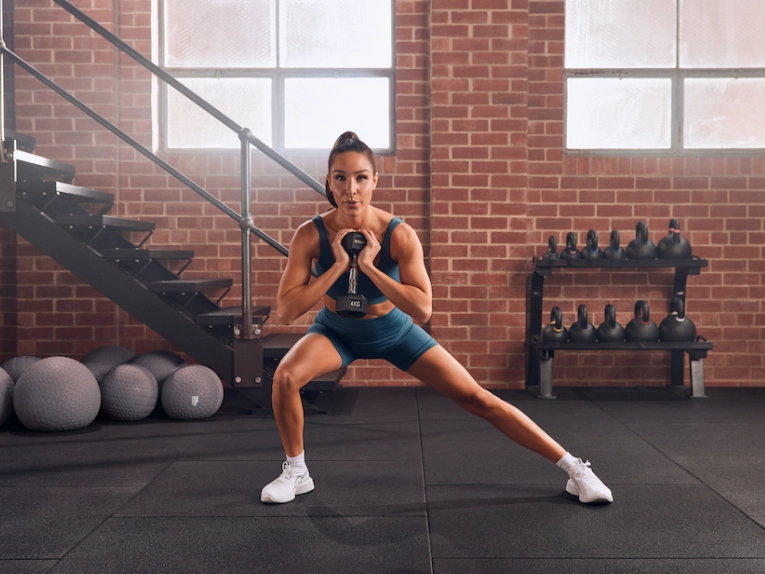
How to Actually Stick With It
Motivation fades. Systems persist.
Pair your workout with a habit you already have. Do your squats and push-ups right after your morning coffee or before your evening shower. Put your workout clothes on the floor next to your bed so you see them first thing.
Track something simple. Not your weight, but your performance. "Week 1: 5 incline push-ups. Week 4: 12 incline push-ups." That's undeniable progress. Take a photo of yourself in the same outfit every month. The changes are subtle but real.
Most importantly, be kind to yourself. Miss a day? It's a comma, not a period. Just start again the next day.
Your Questions, Answered
I'm really busy. Is a 10-minute workout even worth it?
Absolutely. Ten focused minutes is infinitely better than zero minutes. Do a micro-circuit: 30 seconds of squats, 30 seconds of push-ups (on an incline), 30 seconds of glute bridges, rest 60 seconds. Repeat 3 times. You'll be surprised at the cumulative effect. Consistency trumps duration.
I don't want bigger muscles, I just want to be "toned." Will this make me bulky?
The "toned" look is simply having more muscle and less body fat. Building significant muscle mass requires heavy weights, a calorie surplus, and specific genetics. Bodyweight training, especially for beginners, builds lean, functional muscle that shapes and strengthens your body without adding bulk. It's about revealing the strong frame you already have.
How do I know if I'm doing the exercises correctly without a trainer?
Use your phone. Film yourself from the side and compare it to reputable tutorial videos from sources like the National Academy of Sports Medicine library. Look for the key cues: Is your back straight during the hinge? Are your knees tracking over your toes in the squat? Feel the target muscle working. If you're doing a glute bridge and your lower back is screaming but your glutes are quiet, you're doing it wrong. Mind-muscle connection is your best coach.
What's one piece of completely free "equipment" I'm probably overlooking?
Stairs. A single step is a fantastic tool. Use it for elevated split squats, step-ups, incline push-ups, and for stretching your calves. A gallon jug of water (weighs about 8.3 lbs) is a perfect dumbbell substitute for goblet squats or carries once bodyweight gets easy. Look around your home with new eyes.






Leave a comment