I remember talking to a friend last year—she kept complaining about being tired all the time, but brushed it off as stress. Turns out, it was an early sign of type 2 diabetes. Many women miss these cues because symptoms can be subtle or mistaken for other issues. Diabetes doesn't always shout; sometimes it whispers. Let's cut through the noise and focus on what really matters for women's health.
In This Article: Your Quick Navigation
What Are the Most Common Diabetes Symptoms in Women?
Diabetes symptoms in women often overlap with general signs, but hormonal changes add a twist. The Centers for Disease Control and Prevention (CDC) notes that over 15 million women in the U.S. have diabetes, yet many delay diagnosis because symptoms are vague. Here's a breakdown—think of it as a checklist, not a diagnosis.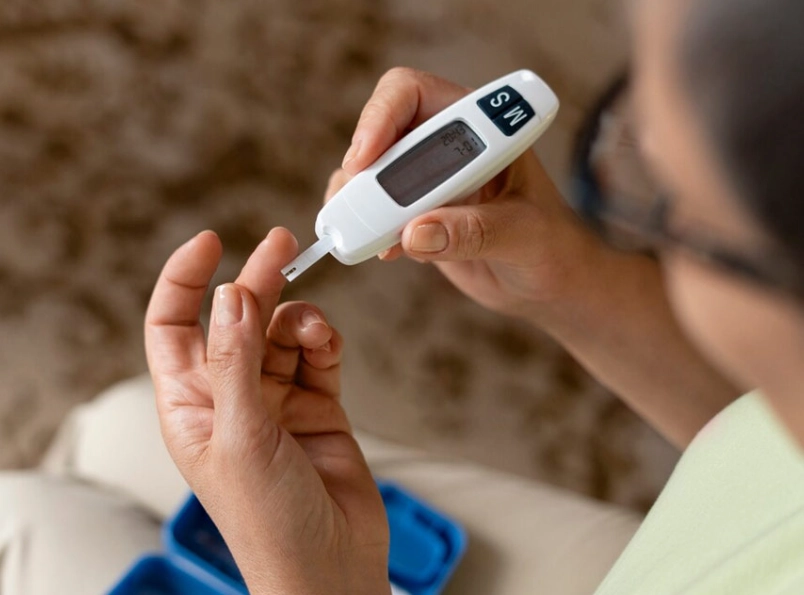
Early Warning Signs You Might Dismiss
Fatigue tops the list. It's not just feeling sleepy; it's a deep exhaustion that doesn't improve with rest. I've seen patients who blamed it on busy schedules, but when blood sugar is high, your cells aren't getting energy efficiently. Other early signs include frequent urination—especially at night—and increased thirst. Your body tries to flush out excess glucose, leaving you dehydrated.
Pro tip from experience: If you're waking up multiple times to pee and still feel thirsty, don't chalk it up to aging or diet. Track it for a week. Note patterns—like symptoms worsening after meals. This simple log can help your doctor spot trends faster.
Symptoms Specific to Women: Hormones at Play
Women face unique challenges. Polycystic ovary syndrome (PCOS), for instance, is linked to insulin resistance. Symptoms like irregular periods or unexplained weight gain might be diabetes-related. Vaginal yeast infections are more common in women with high blood sugar—yeast thrives on glucose. It's a nuisance many don't connect to diabetes until recurrent episodes happen.
Another overlooked sign: skin changes. Dark patches (acanthosis nigricans) in folds like the neck or armpits can indicate insulin issues. I recall a client who thought it was just a rash, but it was her body's way of signaling metabolic trouble.
How Diabetes Symptoms Differ in Women Compared to Men
Men and women experience diabetes differently, thanks to biology. Research from the American Diabetes Association highlights that women often report more fatigue and urinary symptoms, while men might focus on classic signs like weight loss. Hormonal fluctuations during menstruation, pregnancy, and menopause complicate things.
Hormonal Influences: More Than Just Mood Swings
Estrogen and progesterone affect insulin sensitivity. During perimenopause, blood sugar levels can swing wildly, mimicking or masking diabetes. Some women notice symptoms spike before their period—bloating, cravings, and fatigue worsen. It's easy to attribute it to PMS, but if it's persistent, it's worth checking.
Pregnancy and Diabetes: Gestational Diabetes Signs
Gestational diabetes affects up to 10% of pregnancies. Symptoms are subtle: excessive thirst, frequent urination, and unusual fatigue. Many pregnant women dismiss these as normal pregnancy woes. But untreated, it risks complications for both mother and baby. Screening is crucial—usually around 24-28 weeks. If you have risk factors like family history, mention it early.
Here's a quick comparison table based on clinical observations and data from sources like the National Institute of Diabetes and Digestive and Kidney Diseases (NIDDK):
| Symptom | More Common in Women | Notes |
|---|---|---|
| Fatigue | Yes | Often linked to hormonal cycles |
| Urinary Tract Infections | Yes | Higher frequency due to anatomy and glucose levels |
| Yeast Infections | Yes | Directly correlated with elevated blood sugar |
| Weight Gain | More subtle | Common with PCOS and insulin resistance |
| Cardiovascular Symptoms | Underreported | Women may experience atypical chest pain |
When to See a Doctor: Red Flags You Can't Ignore
Don't wait for symptoms to become severe. If you have two or more signs persisting for weeks, schedule a visit. Key red flags include blurred vision, slow-healing cuts, or numbness in hands and feet—these suggest nerve damage. I've met women who ignored tingling sensations, thinking it was poor circulation, only to face complications later.
Diagnostic Tests: What to Expect
Doctors typically start with a fasting blood glucose test or an A1C test. The A1C measures average blood sugar over three months. It's straightforward—no fasting needed for some versions. If results are borderline, an oral glucose tolerance test might follow. Prepare for these tests by avoiding high-sugar foods for a day prior, but don't starve yourself; that can skew results.
Creating a Health Action Plan
Once diagnosed, work with your doctor on a plan. It's not just about medication; lifestyle tweaks matter. Start with diet: reduce refined carbs, add fiber. Exercise doesn't have to be intense—walking 30 minutes daily helps. Monitoring blood sugar at home can feel overwhelming, but devices like continuous glucose monitors simplify it. Insurance often covers them if prescribed.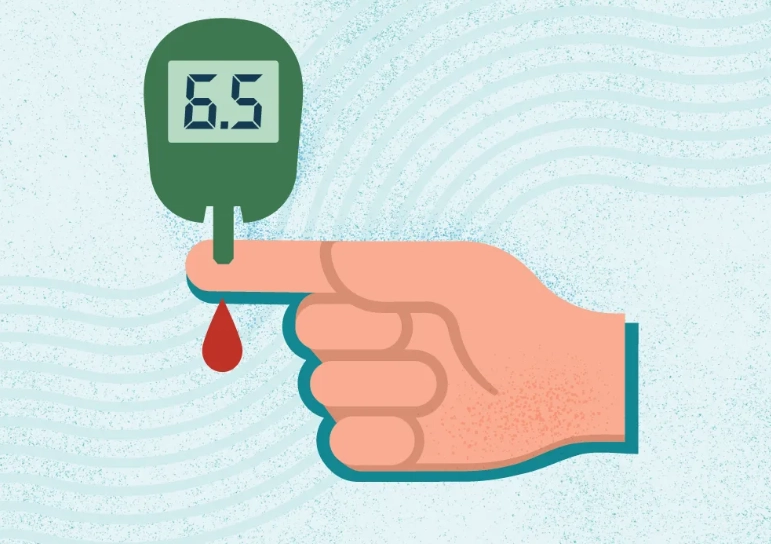
Practical Ways to Manage Diabetes Symptoms
Managing symptoms is about daily habits, not perfection. Let's get concrete.
Diet and Exercise: Small Changes, Big Impact
Forget drastic diets. Focus on balanced meals: protein, healthy fats, complex carbs. A sample day: breakfast with eggs and avocado, lunch with grilled chicken salad, dinner with salmon and veggies. Snack on nuts, not chips. Exercise-wise, mix cardio and strength training. Strength training boosts insulin sensitivity—something many women overlook. Even bodyweight exercises at home work.
Hydration is key. Drink water, not sugary drinks. Herbal teas can curb cravings. I've found that keeping a water bottle handy reduces mindless snacking.
Monitoring and Medication: Staying on Track
Regular check-ups are non-negotiable. Use apps to log symptoms and blood sugar readings. Medications like metformin are common, but discuss side effects—some women experience digestive issues. Alternative options exist. Always report new symptoms; adjustments might be needed.
Stress management matters. Cortisol spikes blood sugar. Try mindfulness or simple breathing exercises. It sounds fluffy, but it works. A client of mine reduced her A1C by 0.5% just by adding daily meditation.
Your Questions Answered: Deep Dive into Diabetes Concerns
Diabetes symptoms in women are a mix of common and unique signs. Pay attention to your body's signals. If something feels off, get it checked. Early detection transforms outcomes. Share this with someone who might need it—awareness spreads health.





Leave a comment