That deep, unshakable fatigue that coffee can't touch. The mysterious number on the scale that creeps up despite your best efforts. Hair clogging the shower drain. If you're a woman nodding along, your thyroid gland might be whispering (or shouting) for attention. Thyroid disorders are far more common in women—we're about five to eight times more likely to develop one than men. The tricky part? The symptoms often masquerade as everyday stress, aging, or just "being busy." They get dismissed. I've seen it too many times in friends and patients. That's why knowing the specific signs is crucial. Let's cut through the noise and look at the 19 key signals that could point to a thyroid problem.
Your Quick Guide to the 19 Signs
The 19 Key Signs of Thyroid Dysfunction
Thyroid problems generally fall into two camps: hypothyroidism (underactive thyroid, most common) and hyperthyroidism (overactive thyroid). The signs often mirror each other in opposite ways. I've grouped them here to make sense of the chaos.
Signs More Common in Hypothyroidism (Underactive Thyroid)
Think of your body's engine running slow. Everything downshifts.
1. Fatigue That Sleep Doesn't Fix
This isn't normal tiredness. It's a profound, heavy exhaustion where even after 8+ hours of sleep, you feel like you could nap by 10 AM. Your cellular energy production is lagging.
2. Unexplained Weight Gain
This is the classic sign everyone knows. But here's the nuance often missed: it's usually a modest gain of 5-15 pounds, and it's stubborn. It happens even with careful eating because your metabolism has slowed to a crawl.
3. Feeling Cold All the Time
You're the one wearing a sweater in July while others are in tank tops. Cold hands and feet are constant companions. Your body isn't generating enough heat.
4. Dry, Flaky Skin and Brittle Hair & Nails
Your skin might feel rough, even scaly. Hair becomes dry, loses its shine, and falls out more than usual—not just from your head, but the outer third of your eyebrows can thin noticeably. Nails crack and split easily.
5. Brain Fog and Memory Issues
You forget words mid-sentence, walk into a room and blank on why you're there. Concentration feels like wading through mud. This "brain fog" is incredibly frustrating and a direct result of low thyroid hormone affecting cognitive function.
6. Depression and Low Mood
It can be hard to distinguish from clinical depression. There's a persistent sadness, lack of motivation, and loss of interest. Many women are treated for depression for years before anyone checks their thyroid.
7. Constipation
Your digestive tract, like everything else, slows down. Bowel movements become infrequent and difficult.
8. Heavy or Irregular Periods
Thyroid hormones interact directly with reproductive hormones. An underactive thyroid can lead to menorrhagia—very heavy, prolonged menstrual flow. Cycles may also become more frequent or irregular.
9. Muscle Aches, Weakness, and Cramps
You might feel a general achiness or stiffness, like you have a permanent low-grade flu. Climbing stairs can feel harder. This is due to changes in muscle metabolism.
10. Hoarse Voice or Feeling of a Lump in Throat
The thyroid gland is in your neck. When it's enlarged (a goiter), even slightly, it can create a sensation of fullness or pressure, or change the sound of your voice.
Signs More Common in Hyperthyroidism (Overactive Thyroid)
Now imagine your body's engine stuck in overdrive. It's exhausting in a different way.
11. Unintentional Weight Loss
You're eating normally or even more, but the pounds are dropping off. Your body is burning calories at a frantic, unsustainable rate.
12. Anxiety, Nervousness, and Irritability
You feel wired, on edge, or like you've had ten cups of coffee. It's hard to sit still or relax. This internal tremor is a hallmark.
13. Rapid or Irregular Heartbeat (Palpitations)
You feel your heart pounding in your chest, sometimes skipping beats. This can be scary and is a serious symptom that needs prompt evaluation.
14. Heat Intolerance and Excessive Sweating
You're always warm, sweating profusely in normal temperatures while others are comfortable.
15. Tremors in Your Hands
A fine shaking in your outstretched fingers. It's not always dramatic, but it's there.
16. More Frequent Bowel Movements
Everything is speeding up, including digestion, which can lead to diarrhea or just needing to go more often.
17. Light or Missed Periods
In hyperthyroidism, periods often become very light, infrequent, or may stop altogether (amenorrhea).
18. Sleep Problems (Insomnia)
Despite being exhausted, your racing mind and body won't let you fall asleep or stay asleep.
19. Thinning Skin and Fine, Brittle Hair
Similar to hypothyroidism, but the mechanism is different. Hair may also thin diffusely.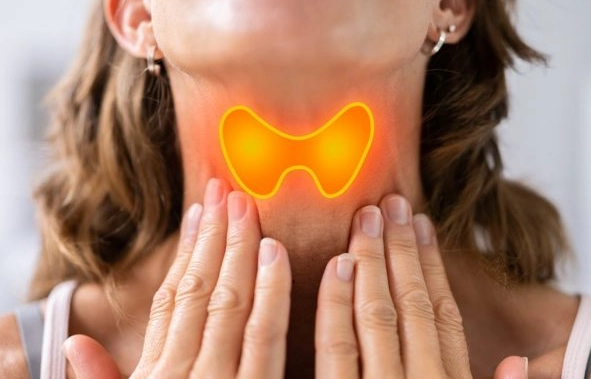
Why Are Women More at Risk?
It's not fair, but biology plays a role. The biggest link is autoimmune disease. Conditions like Hashimoto's thyroiditis (causing hypothyroidism) and Graves' disease (causing hyperthyroidism) are autoimmune, and women make up about 80% of all autoimmune patients. Experts from the Office on Women's Health point to complex interactions between female hormones (estrogen) and the immune system as a likely culprit.
Pregnancy and postpartum are also critical windows. The immune system modulates during pregnancy to protect the baby, and can sometimes "rebound" afterwards, mistakenly attacking the thyroid. Postpartum thyroiditis affects up to 10% of women. Then there's menopause. The hormonal rollercoaster can unmask underlying thyroid issues or disrupt existing treatment. It's a lifelong relationship for women.
How is a Thyroid Problem Diagnosed?
If several of those 19 signs ring true, don't panic. Diagnosis is straightforward. You need to see your primary care doctor or an endocrinologist. The gold standard is a simple blood test.
The main test measures Thyroid-Stimulating Hormone (TSH). Think of TSH as the pituitary gland's "gas pedal" for your thyroid. High TSH usually means your thyroid is sluggish (hypothyroidism) and your pituitary is shouting at it to work harder. Low TSH suggests your thyroid is overactive (hyperthyroidism) and the pituitary is backing off.
They'll often check Free T4 and Free T3 (the actual thyroid hormones) for confirmation. To check for autoimmune causes, they may order antibody tests (like TPO antibodies for Hashimoto's). Sometimes a thyroid ultrasound is used to look at the gland's structure if nodules or enlargement are suspected.
One piece of advice I give everyone: Get tested in the morning. TSH follows a daily rhythm and is highest then, giving the most accurate baseline reading.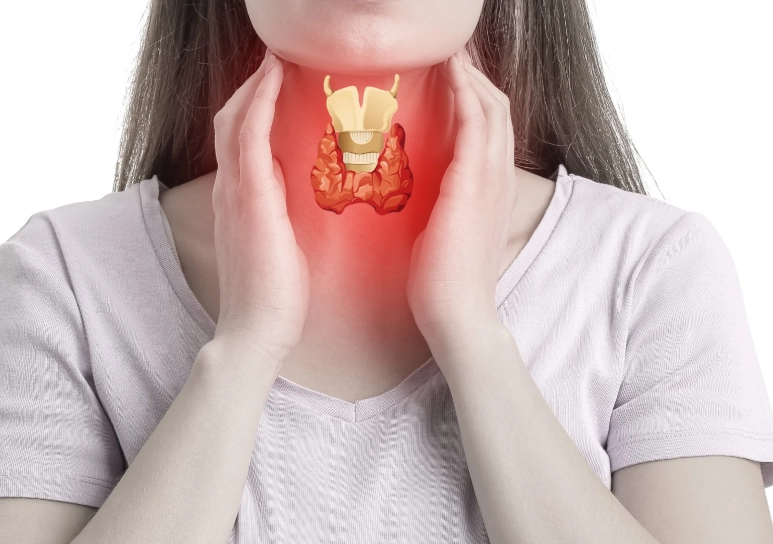
What Are the Treatment Options?
The good news? Thyroid disorders are among the most treatable conditions in medicine.
For Hypothyroidism: Treatment is daily hormone replacement with a synthetic T4 hormone like levothyroxine. It's not a "drug" in the traditional sense; it's replacing what your body should be making. The key is finding the precise dose. It must be taken on an empty stomach, usually 30-60 minutes before breakfast, with water only. Consistency is everything. It can take 6-8 weeks to feel the full effects after starting or adjusting a dose.
For Hyperthyroidism: Options include anti-thyroid medications (like methimazole) to slow hormone production, radioactive iodine treatment to shrink the overactive gland, or, less commonly, surgery to remove part of the thyroid. The choice depends on your age, the cause, and severity.
Beyond medication, lifestyle supports thyroid health. Ensuring adequate selenium (Brazil nuts), iodine (iodized salt, seaweed), zinc, and iron is important, as deficiencies can impair thyroid function. However, mega-dosing supplements without need can backfire. Manage stress—cortisol directly interferes with thyroid hormone conversion. And prioritize sleep; it's when your body does crucial repair and regulation.





Leave a comment