Your Quick Guide
Let's be real for a second. The idea of going vegan can feel overwhelming. You're probably staring at a mountain of questions. Where do I even start? Will I get enough protein? What do I eat for breakfast besides toast? I remember my first week, living off peanut butter sandwiches and feeling strangely tired. It wasn't great. I made all the classic mistakes because I just dove in without a plan.
That's exactly why you're here, and it's smart. Looking for solid vegan health tips for beginners before you start is the best move you can make. This isn't about perfection or purity. It's about feeling fantastic, eating delicious food, and doing it in a way that's sustainable for you. Forget the intimidating, all-or-nothing talk. We're going to break this down into simple, actionable steps.
Think of this as your friendly, slightly experienced guide. We'll talk nutrients, but we'll also talk about what to actually put on your plate. We'll tackle social situations and even your grocery budget. By the end, you'll have a clear picture and, hopefully, a lot less anxiety about making the switch.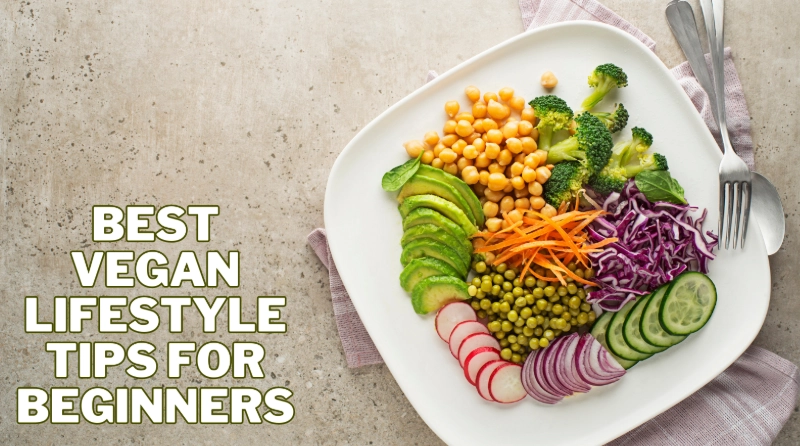
Before You Start: Laying the Groundwork for Success
Jumping straight into a new way of eating is a recipe for reverting back to old habits by Thursday. A little prep goes a long way. The most practical of all vegan health tips for beginners is to get your head and your kitchen in the game first.
Clean Out and Stock Up (The Smart Way)
You don't need to throw everything out. But do a pantry and fridge audit. Move the non-vegan stuff to the back or a separate shelf if you share a kitchen. Then, focus on building a foundation. You don't need every superfood under the sun. Start with these staples:
- Proteins: Canned beans (black, chickpeas, kidney), lentils (red and brown cook fast!), a bag of tofu or tempeh, and maybe some vegan protein powder if you're active.
- Grains: Brown rice, quinoa, oats, and whole-wheat pasta. These are your meal backbones.
- Fats & Flavors: Nuts (almonds, walnuts), seeds (chia, flax, sunflower), nut butters, olive oil, and a good array of spices. Soy sauce, nutritional yeast (it tastes cheesy!), and vinegar are flavor heroes.
- Produce: Frozen veggies are your best friend—they're cheap, nutritious, and won't go bad. Stock up on mixed berries, broccoli, and spinach. Then grab fresh onions, garlic, potatoes, and whatever fruits and veggies are in season and look good.
I made the mistake of buying expensive meat substitutes right away. They're fine occasionally, but relying on them is costly and not necessarily healthier. Learn to cook the basics first.
Find Your "Why" and Hold It Close
Is it for your health? The animals? The planet? Maybe a mix. On days when you're tired or facing a table full of cheese at a party, remembering your core reason is your anchor. Write it down on your phone's notes app. Take a picture that represents it. This personal motivation is more powerful than any diet rule.
The Non-Negotiables: Nutrients You Can't Ignore
Okay, let's talk science, but without the jargon. Your body needs specific stuff. On a vegan diet, most of it is easy to get, but a few require a tiny bit of attention. This is the heart of any legitimate guide to vegan health tips for beginners.
Protein: It's Everywhere, Seriously
The "where do you get your protein?" question is a classic. The answer is: from plants. You just need to eat a variety. Pairing grains with legumes creates a complete protein profile (like rice and beans), but you don't need to obsess over combining them at every meal. Your body is smart; it pools amino acids throughout the day.
Here’s a quick look at some easy protein sources:
| Food | Approximate Protein (per serving) | Quick Meal Idea |
|---|---|---|
| Lentils (1 cup cooked) | 18g | Lentil soup, shepherd's pie |
| Tofu (1/2 block, firm) | 20g | Scrambled for breakfast, stir-fried |
| Chickpeas (1 cup cooked) | 15g | Hummus, roasted snacks, in curries |
| Black Beans (1 cup cooked) | 15g | Burritos, burgers, in salads |
| Quinoa (1 cup cooked) | 8g | Salad base, breakfast porridge |
| Peanut Butter (2 tbsp) | 8g | On apples, in oatmeal, in sauces |
See? Not so scary. If you're eating enough calories from varied whole foods, you're likely getting enough protein. For authoritative data on food composition, you can always reference the USDA's FoodData Central database.
Vitamin B12: The One You Must Supplement
This is the only absolute, non-negotiable rule. B12 is made by bacteria and isn't reliably found in modern plant foods. You will become deficient without a source, and deficiency can cause serious nerve problems and fatigue.
Iron, Calcium, and Omega-3s: The Pay-Attention Trio
These aren't hard to get, but you need to know the vegan playbook.
- Iron: Plant-based iron (non-heme) is absorbed better when paired with vitamin C. So, add bell peppers to your lentil salad, squeeze lemon on your spinach, or have an orange with your fortified cereal. Cooking in a cast-iron skillet can also add a tiny bit. Good sources: lentils, beans, tofu, spinach, pumpkin seeds.
- Calcium: Ditch the "you need milk" myth. Fortified plant milks and juices are an easy switch. Also, eat your leafy greens (kale, bok choy, collards), tofu made with calcium sulfate (check the label), tahini, and almonds.
- Omega-3s (DHA/EPA): Your body can convert ALA (from flax, chia, walnuts) into the important DHA/EPA, but it's inefficient. Consider an algae-based omega-3 supplement, especially if you don't eat flax/chia daily. It's what fish eat to get their omegas anyway. The Academy of Nutrition and Dietetics notes that algae-derived supplements are a reliable source for vegans.
What Does a Day of Eating Actually Look Like?
This is where theory meets your plate. The best vegan health tips for beginners are useless if you can't translate them into meals. Let's build a simple, satisfying day.
Breakfast (No, Not Just Fruit): This is where many stumble. You need something substantial.
Option 1: Oatmeal made with fortified soy milk, stirred with a spoonful of peanut butter, sliced banana, and a sprinkle of chia seeds.
Option 2: A tofu scramble with turmeric, black salt (tastes eggy!), onions, and peppers, with a side of whole-wheat toast.
Option 3: A smoothie with plant milk, a handful of spinach, frozen berries, a banana, and a scoop of vegan protein powder or some hemp seeds.
Lunch (The Leftover Hero): Dinner leftovers are king. If not, assemble a bowl.
The Formula: Grain (quinoa, rice) + Protein (beans, lentils, tofu) + Lots of Veggies (raw or roasted) + A tasty sauce (lemon-tahini, peanut sauce, salsa). A big chickpea salad sandwich on whole-grain bread also works perfectly.
Dinner (Keep It Familiar): Veganize what you already love.
- Love pasta? Use lentil-based pasta or whole-wheat, and make a sauce from blended cashews and roasted tomatoes, or a classic marinara with cannellini beans.
- Love burgers? A black bean or lentil-walnut patty is fantastic.
- Love stir-fry? Swap chicken for extra-firm tofu or tempeh and load up on veggies. Serve over brown rice.
Snacks (For When Hunger Strikes): Apple with almond butter, hummus with carrot sticks, a handful of nuts and dried fruit, roasted edamame, or a piece of dark chocolate.
Planning a few meals for the week saves so much mental energy. I try to cook a big batch of grains and a pot of beans or lentils on Sunday. It makes throwing together weeknight meals a 15-minute job.
Navigating the Real World: Social Stuff and Cravings
The food on your plate is one thing. Navigating family dinners, restaurants, and cravings is another. This is where people often feel isolated, but a few strategies help immensely.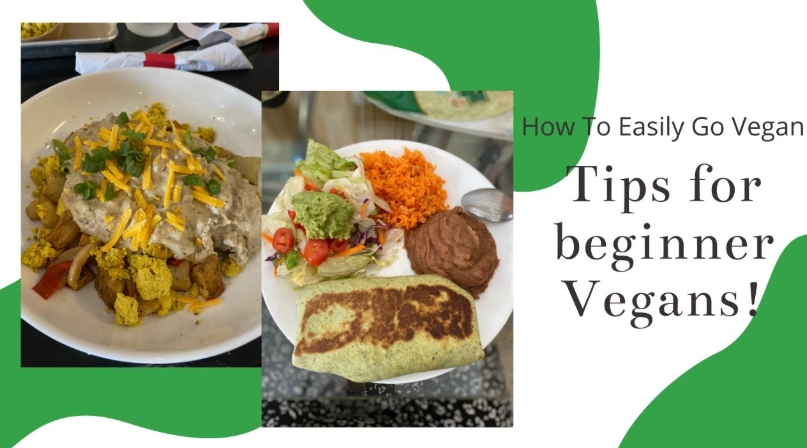
Eating Out Without the Stress
Check the menu online first. Most places have at least one veganizable option—think pasta (ask for no cheese), veggie burgers (ask about the bun), salads (ask for no meat/cheese, add beans), or ethnic cuisines like Indian (dal, veg curries), Thai (tofu curries, ask about fish sauce), or Mexican (bean burritos, hold the cheese/sour cream). Don't be shy about asking questions politely. I usually say, "I have some dietary restrictions—can you tell me if this is made with any dairy or meat broth?"
Dealing with Family and Friends
This can be tricky. Some will be supportive, others... less so. My advice? Lead with positivity. Don't preach. When asked, talk about how great you feel or the delicious new recipes you're trying, not about graphic factory farming. If you're going to a gathering, offer to bring a dish you know you can eat and that others will enjoy. A fantastic vegan chili or a decadent chocolate avocado mousse can be your best ambassadors.
Handling Cravings
You might crave cheese or a specific meat dish. It's normal. Sometimes it's just habit, sometimes it's a nutrient cue (craving cheese? Maybe you need more fat or calories). First, try to find a satisfying vegan alternative. The craving for a burger might be solved by a really good, hearty bean burger with all the fixings. For cheese, nutritional yeast can hit the "savory, umami" spot in sauces. There are also improving vegan cheeses, but manage your expectations—they're different. If the craving persists, honor it. Having a non-vegan meal doesn't make you a failure. It makes you human. Just get back on track with your next meal.
Making It Sustainable: Beyond the First Month
Starting is one thing. Sticking with it is another. The most advanced vegan health tips for beginners are about making this a lifestyle, not a short-term diet.
Keep Learning and Experimenting
Follow a few vegan food bloggers or Instagram accounts for inspiration. Try one new recipe a week. Explore a new vegetable you've never cooked before. Boredom is the enemy of sustainability.
Listen to Your Body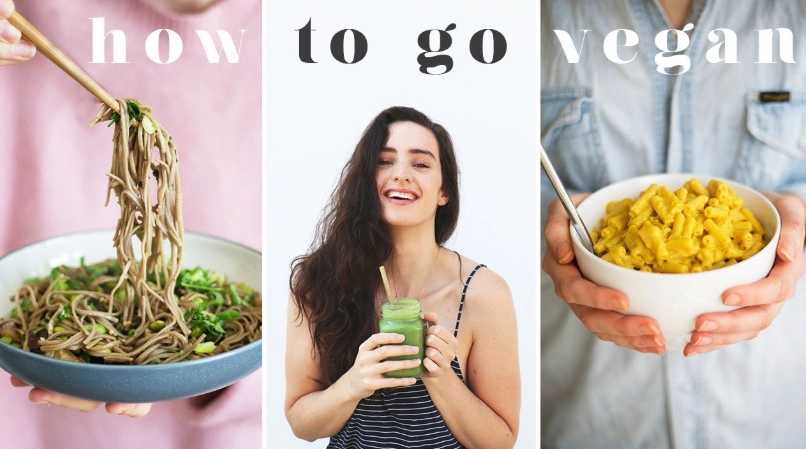
If you're constantly tired, you're probably not eating enough calories. Plant foods are less calorie-dense. You need to eat larger volumes. Make sure your meals are substantial. Include healthy fats (avocado, nuts, olive oil) to feel satiated. If something feels off, consider a blood test to check your levels (B12, iron, vitamin D) and adjust accordingly. The U.S. government's Nutrition.gov site is a trustworthy resource for general guidelines.
Connect with Community
You're not alone! Look for local vegan meetup groups or online communities. Having people to share recipes, restaurant finds, and struggles with makes everything easier and more fun.
Remember, progress over perfection. Some weeks you'll eat whole foods, home-cooked meals. Other weeks, you might rely on vegan frozen pizza. That's okay. It's a journey.
Answers to Your Burning Questions (FAQ)
Let's tackle some of the specific questions buzzing in your head right now.
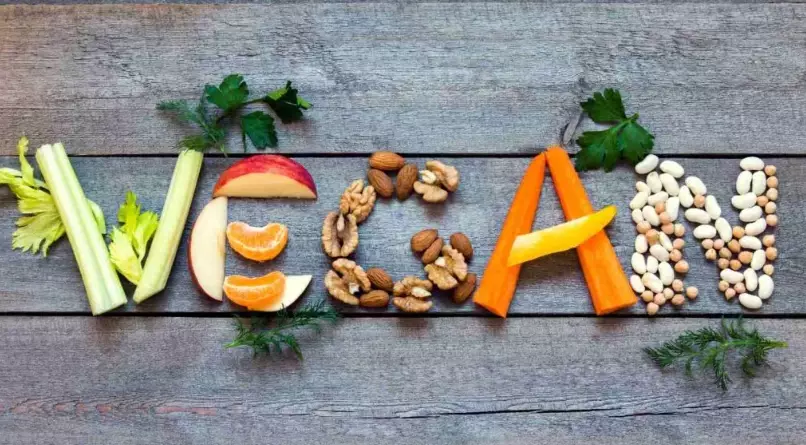
There you have it. A massive info dump, but hopefully one that feels manageable. You don't have to implement everything at once. Pick one or two vegan health tips for beginners from this guide to focus on this week. Maybe it's buying B12 and flaxseed. Maybe it's planning three dinners.
The goal isn't to be a perfect vegan. The goal is to be a healthy, happy person who eats plants. You've got this.


Leave a comment