In This Guide
- Why Women's Nutrition Is Different
- The Building Blocks: Essential Nutrients You Can't Ignore
- Nutrition Through Different Life Stages
- Putting It on Your Plate: A Practical Guide
- Navigating Common Challenges & Myths
- Supplements: Do You Need Them?
- Answering Your Real Questions
- Getting Started (Without Overwhelm)
Let's be honest. Navigating women's nutrition can feel overwhelming. One day you're told to load up on kale, the next there's a new superfood powder everyone's obsessed with. It's enough to make you want to just eat what you want and hope for the best.
But here's the thing I've learned after years of reading, experimenting, and frankly, making some mistakes: it doesn't have to be complicated. The core principles of good nutrition for women are actually pretty steady. They just need to be applied differently depending on where you are in life.
This isn't about a rigid diet. It's about understanding what your body needs to feel energized, balanced, and strong—whether you're 25 and navigating a hectic career, 35 and thinking about family planning, or 55 and moving through perimenopause. Good women's nutrition is the foundation for all of it.
Why Women's Nutrition Is Different
It's not just about eating less than a man. Our bodies have unique physiological processes—menstrual cycles, pregnancy, breastfeeding, menopause—that directly influence our nutritional requirements. Hormones like estrogen and progesterone aren't just about mood and reproduction; they affect how we metabolize nutrients, store fat, and even our appetite.
For example, iron needs are higher due to menstrual blood loss. Calcium and vitamin D become non-negotiable allies for bone health long before menopause hits. And the rollercoaster of hormones can make cravings and energy levels feel like a mystery.
Ignoring these differences means we're working against our biology, not with it.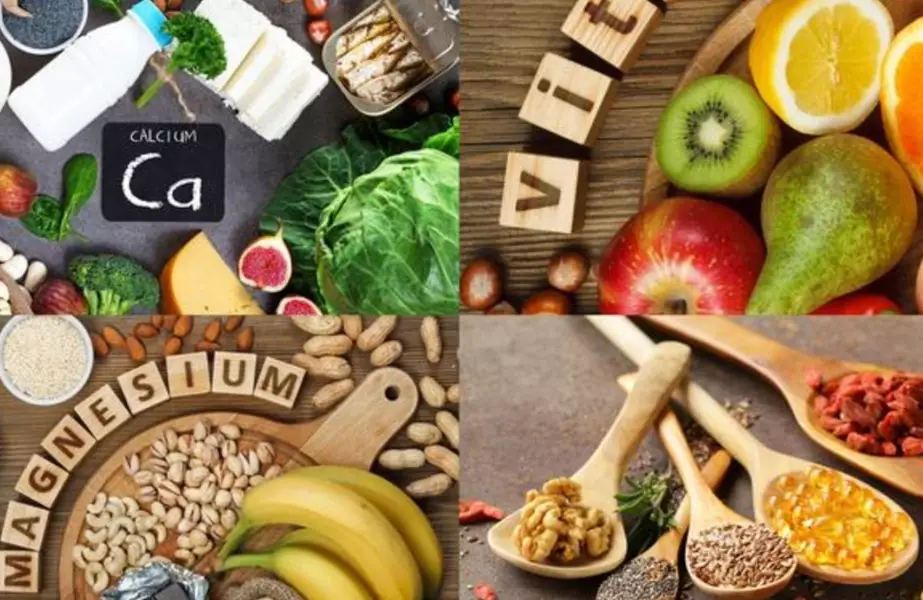
The Building Blocks: Essential Nutrients You Can't Ignore
Let's break down the key players. I'm not going to just list them—I'll tell you why they matter so much for us and where to actually find them in real food.
Iron: Your Energy Guardian
Fatigue is a common complaint, and low iron is a prime suspect. Women aged 19-50 need about 18 mg daily (compared to 8 mg for men), according to the National Institutes of Health. There are two types: heme iron from animal sources (red meat, poultry, fish) which is easily absorbed, and non-heme iron from plants (lentils, spinach, tofu).
A trick I use? Pair plant-based iron sources with vitamin C (like bell peppers or citrus) to boost absorption. And try not to drink tea or coffee right with meals, as tannins can hinder iron uptake.
Calcium & Vitamin D: The Bone Health Partnership
This is a long-term investment. Bone density peaks in our late 20s, and after that, it's about maintenance. Calcium builds the structure; vitamin D is the key that lets your body absorb it. The Bone Health & Osteoporosis Foundation stresses this partnership is critical for preventing osteoporosis later.
Dairy is the classic source, but don't stress if you're not into it. Canned sardines with bones, fortified plant milks, leafy greens like collards, and almonds are great options. For Vitamin D, sunlight is best, but fatty fish and egg yolks help. Many women benefit from a supplement, especially in winter or with limited sun exposure.
Folate (Folic Acid): Crucial for More Than Pregnancy
Yes, it's vital for preventing neural tube defects in early pregnancy, which is why all women of childbearing age are advised to ensure adequate intake. But folate also plays a key role in DNA synthesis and red blood cell formation. Think leafy greens, legumes, avocados, and citrus. If you're considering pregnancy, a supplement is usually recommended.
Honestly, the supplement aisle is a minefield. More on that later.
Protein: For Strength, Satiety, and Metabolism
Protein isn't just for bodybuilders. It helps build and repair tissues, supports immune function, and keeps you feeling full. Women often under-eat it. Aim to include a good source with every meal—eggs, Greek yogurt, chicken, fish, lentils, or tempeh. It's a game-changer for managing cravings and maintaining muscle mass, which naturally declines with age.
Nutrition Through Different Life Stages
This is where a one-size-fits-all approach fails completely. Your needs in your 20s are not the same as in your 40s or 60s. Let's map it out.
| Life Stage | Key Nutritional Focus | Top Food Priorities | Watch Out For |
|---|---|---|---|
| Teens & 20s (Building the Foundation) | Supporting growth, building peak bone mass, managing energy for study/work. | Calcium-rich foods, iron, protein, healthy fats for brain health. | Irregular meals, reliance on fast food, extreme dieting. |
| 30s & Early 40s (Maintenance & Prevention) | Sustaining energy, managing stress-related eating, pre-conception nutrition. | Folate, iron, antioxidants, fiber for digestive health. | "Too busy to eat well," constant snacking, alcohol intake. |
| Perimenopause & Menopause (The Transition) | Managing weight shifts, supporting heart/bone health, balancing mood & sleep. | Phytoestrogens (tofu, flax), calcium, vitamin D, magnesium, protein. | Metabolic slowdown, increased heart disease risk, bone loss. |
| Post-Menopause (Thriving Long-Term) | Preserving muscle mass (sarcopenia), cognitive health, bone integrity. | High-quality protein, omega-3s, B vitamins, antioxidants. | Reduced calorie needs but maintained nutrient needs. |
See how the focus shifts? In your 20s, you might get away with poor choices without immediate consequences, but you're laying the groundwork for future health. By your 40s and 50s, the body becomes less forgiving. That's why establishing smart habits early within the framework of women's nutrition is the best investment you can make.
I remember hitting my late 30s and suddenly my metabolism felt like it just... stopped. I couldn't eat like I did in college anymore. It was frustrating, but understanding the "why" helped me adjust instead of just getting mad at the scale.
Putting It on Your Plate: A Practical Guide
Enough theory. What does this actually look like in your kitchen?
Building a Balanced Plate (Most Days)
Forget strict proportions. Aim for this visual every time you meal prep or serve yourself:
- Half the plate: Colorful vegetables and some fruit. The more color, the wider the range of vitamins and antioxidants.
- Quarter of the plate: Lean protein. This could be grilled chicken, salmon, lentils, black beans, or tofu.
- Quarter of the plate: High-fiber, complex carbohydrates. Think quinoa, sweet potato, brown rice, or whole-wheat pasta.
- Add a thumb-sized serving of healthy fat—avocado, olive oil, nuts, or seeds.
This isn't a prison sentence. Some days your plate will be a pizza. That's fine. But having this as your default setting does 80% of the work.
A Sample Day of Eating
To make it concrete, here's what a day focused on solid women's nutrition might include:
- Breakfast: Scrambled eggs with spinach and tomatoes, plus a slice of whole-grain toast. (Protein, iron, folate, fiber).
- Lunch: A big salad with mixed greens, chickpeas, cucumber, bell peppers, avocado, and grilled chicken, dressed with olive oil and lemon. (Fiber, protein, healthy fats, vitamins).
- Snack: Greek yogurt with a handful of berries and a sprinkle of chia seeds. (Calcium, protein, antioxidants).
- Dinner: Baked salmon with a quinoa pilaf and roasted broccoli. (Omega-3s, complete protein, fiber, calcium).
Navigating Common Challenges & Myths
This is where most generic advice falls short. Let's tackle the messy, real-life stuff.
Hormonal Fluctuations and Cravings
That intense desire for chocolate or chips right before your period? It's physiological. Serotonin levels dip, and your body is looking for a quick mood and energy boost. Fighting it with sheer willpower is tough.
My strategy? First, ensure your meals leading up to that time are especially balanced—plenty of protein, complex carbs, and magnesium-rich foods (dark leafy greens, nuts, dark chocolate—see!). This can stabilize blood sugar and reduce the intensity of cravings. Then, if the craving hits, have a smaller portion of the real thing mindfully. Denial often leads to binge-eating later.
Weight Management That Actually Works
Crash diets are the enemy of good women's nutrition. They often lead to muscle loss, nutrient deficiencies, and a plummeting metabolism. When you inevitably regain the weight, it's often more fat than muscle.
A sustainable approach focuses on:
- Nutrient density: Choosing foods that pack vitamins and minerals into fewer calories.
- Mindful eating: Paying attention to hunger/fullness cues. Are you eating because you're stressed or actually hungry?
- Consistent movement: Including strength training to preserve metabolism-boosting muscle.
- Sleep and stress management: Poor sleep and high cortisol can directly sabotage weight efforts.
It's slower, but it lasts.
Plant-Based and Vegan Diets
Absolutely possible and healthy, but requires more planning. Key nutrients to watch are Vitamin B12 (supplementation is essential), iron, calcium, zinc, and omega-3s (from algae oil or flax). A varied diet with legumes, nuts, seeds, whole grains, and fortified foods is key. The Harvard T.H. Chan School of Public Health's Healthy Eating Plate has a great vegetarian adaptation.
Supplements: Do You Need Them?
The supplement industry is huge, and the marketing is intense. The truth is, a well-rounded diet should be your primary source. However, there are a few areas where supplements can fill genuine gaps in women's nutrition:
- Prenatal Vitamin / Folic Acid: Critical before and during pregnancy.
- Vitamin D: Hard to get enough from food alone, especially in certain climates or with indoor lifestyles.
- Iron: If diagnosed as deficient by a doctor (never supplement iron without testing).
- B12: For vegetarians and vegans.
- Calcium: If you consistently don't meet needs through food.
My personal rule? I get my levels checked with an annual physical and only supplement what I'm genuinely low in. Taking a random cocktail of pills is expensive and potentially harmful. Quality matters—look for third-party tested brands (USP, NSF).
Answering Your Real Questions
Getting Started (Without Overwhelm)
If all this feels like a lot, just pick ONE thing. Don't try to overhaul your entire approach to women's nutrition overnight.
Maybe this week, you focus on adding a vegetable to both lunch and dinner. Next week, you make sure you're having a protein-rich breakfast. The week after, you swap your afternoon candy bar for a handful of nuts and an apple.
Small, consistent changes add up to massive shifts over time. It's about building habits, not following a temporary plan.
Listen to your body. It gives you feedback. Are you energized after a meal or sluggish? Do you feel satisfied or hungry an hour later? Use that information. Nutrition is a personal science experiment of one.
Finally, be kind to yourself. Some days will be better than others. The journey to understanding and implementing great women's nutrition is ongoing. The goal is progress, not perfection, and building a relationship with food that fuels and supports you through every stage of your amazing, demanding, wonderful life.




Leave a comment