Key Highlights
Let's talk about something that affects millions of women but often gets misunderstood. You know that feeling when you're just... off? Not yourself. For some women, it's a heavy blanket that won't lift. For others, it's a constant buzz of anxiety in the background. What we're talking about here is depression in women, and it's way more common than you might think.
I remember talking to a friend who said she just felt "numb" for months. She wasn't crying all day or unable to get out of bed – the classic images we have of depression. She was functioning, going to work, taking care of her kids. But she described it like watching her life through a thick pane of glass. She felt disconnected, tired in a way sleep couldn't fix, and just... flat. That's the thing about depression in women – it doesn't always look like what you see in movies.
The numbers are pretty staggering, honestly. Women are nearly twice as likely as men to experience major depression. That's not a small difference. It makes you wonder – why? What's going on that makes women so much more vulnerable to this particular struggle?
Why Are Women More Prone to Depression?
It's not just in your head. Well, technically it is, but you know what I mean. The higher rates of depression in women aren't because women are "weaker" or "more emotional" – that's a harmful stereotype that needs to disappear. The reality is much more complex, involving biology, psychology, and the very real pressures women face in society.
The Biological Factors
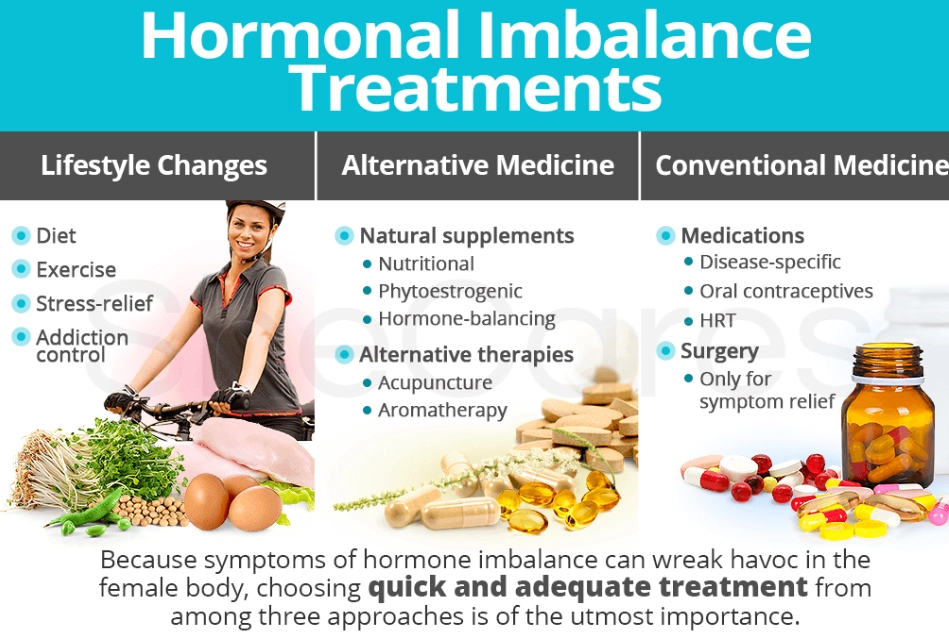
Our bodies are different, and those differences matter when it comes to mental health. Hormones play a massive role. Estrogen and progesterone aren't just about reproduction – they interact with the brain chemicals (neurotransmitters like serotonin) that regulate mood. When these hormones fluctuate – during menstrual cycles, after childbirth, during perimenopause – it can destabilize that delicate chemical balance.
Think about Premenstrual Dysphoric Disorder (PMDD). It's like PMS dialed up to eleven, with intense depression, irritability, and anxiety in the week or two before a period. For some women, this cyclical depression is a monthly reality. Then there's postpartum depression, which can hit after having a baby. The "baby blues" are common, but full-blown postpartum depression is a serious medical condition that needs treatment. The National Institute of Mental Health has some solid resources on this that are worth checking out.
Did You Know? Research suggests that the female brain may simply be wired differently in how it processes emotion and stress. Some studies using brain imaging show that women tend to have a larger limbic system (the emotional center), which might make them more reactive to emotional stress, potentially increasing vulnerability to depression.
The Psychological and Social Maze
Okay, biology is one piece. But let's be real – society piles on a lot. Women are often socialized to be caretakers, to put others' needs first, to be agreeable. That's a lot of pressure. You're expected to manage a career (often while facing a gender pay gap), run a household, be an engaged parent, maintain relationships, and look a certain way while doing it all. It's exhausting just typing that.
The stress of juggling multiple roles with often-limited support is a huge factor in depression in women. There's also the higher likelihood of experiencing certain types of trauma, like sexual assault or domestic violence, which are major risk factors for developing depression later on. The weight of systemic sexism and microaggressions adds up, creating what's sometimes called "gender-based stress."
And let's talk about the "mental load." It's that invisible, never-ending list of tasks and worries that women disproportionately carry – remembering birthdays, scheduling doctor appointments, knowing what's in the fridge, planning meals, noticing when the toilet paper is low. It's constant, low-grade cognitive labor that drains emotional reserves.
Recognizing the Signs: It's Not Always Obvious
Depression in women can be sneaky. It doesn't always announce itself with dramatic crying spells. Sometimes it's quieter, more insidious. Here are some of the ways it might show up, beyond just feeling sad.
- The Anger Factor: For many women, especially, depression manifests as irritability, a short fuse, or uncharacteristic anger. You might find yourself snapping at your partner, your kids, the barista who got your order wrong. It feels like your patience is paper-thin.
- Physical Pain: Your body might sound the alarm before your mind does. Unexplained aches and pains, frequent headaches, digestive issues (like IBS flare-ups), or a general feeling of being physically unwell can all be somatic symptoms of depression.
- The Thinking Fog: You can't concentrate. Making simple decisions feels overwhelming. You forget things constantly – where you put your keys, what you walked into a room for. This "brain fog" or cognitive impairment is a classic but often overlooked sign.
- Changes in Sleep and Appetite: This can go both ways. You might be sleeping 10+ hours and still waking up exhausted. Or you might be lying awake for hours, your mind racing. Similarly, you might lose your appetite completely or find yourself seeking comfort in food constantly.
- Loss of Joy: This is a big one. Things that used to bring you pleasure – your hobbies, time with friends, a good book – just feel... meh. It's called anhedonia, and it's a core feature of depression. Life becomes grayscale.
I think one of the most damaging myths is that if you can still "function," you can't be depressed. You can be highly functional and deeply depressed. It's like running a marathon with a broken ankle – you might finish, but the cost is tremendous.
Important: If you're having thoughts of harming yourself or ending your life, this is a medical emergency. Please reach out for help immediately. Call or text the 988 Suicide & Crisis Lifeline in the US or contact emergency services in your country. You matter.
Treatment Options: What Actually Works?
Okay, so maybe some of this is hitting close to home. The good news? Depression in women is treatable. Really treatable. You don't have to white-knuckle your way through life. There are multiple paths, and finding the right combination is key. It's not one-size-fits-all.
| Treatment Type | How It Can Help | Things to Consider |
|---|---|---|
| Psychotherapy (Talk Therapy) | Helps identify and change negative thought patterns, process trauma, develop coping skills, and improve relationships. CBT and Interpersonal Therapy are particularly effective for depression. | Takes time and commitment. Finding a therapist you click with is crucial. Don't be afraid to try a few. |
| Medication (Antidepressants) | SSRIs, SNRIs, and other medications can help correct chemical imbalances in the brain, often making it easier to engage in therapy and self-care. | Can have side effects. It may take trying more than one to find the right fit. Must be prescribed and monitored by a doctor. |
| Lifestyle Modifications | Regular exercise, improved sleep hygiene, a nutrient-rich diet, and reducing alcohol/caffeine can significantly impact mood. | These are foundational, not optional extras. They support all other treatments but are rarely sufficient alone for moderate-severe depression. |
| Brain Stimulation Therapies | For treatment-resistant depression, options like TMS (Transcranial Magnetic Stimulation) or ECT (Electroconvulsive Therapy) can be highly effective. | Typically considered when other treatments haven't worked. Modern ECT is very different from outdated portrayals. |
I'm not a fan of the "just exercise and eat well" advice you sometimes see. For someone in the depths of depression, that feels impossible and dismissive. Those things are powerful tools, but they're part of a toolkit, not a magic wand. You usually need to start with professional help to get to a place where you can even think about a consistent exercise routine.
Medication is a polarizing topic. Some people see it as a lifesaver; others are wary of side effects. My take? It's a tool. For some women, it's the scaffolding that holds them up while they do the hard work in therapy. The American Psychological Association has good, balanced information on treatment approaches that can help you make an informed decision with your doctor.
Finding the Right Therapist
This is so important it deserves its own section. A good therapist is worth their weight in gold. A bad fit can make you feel worse. Don't be shy about asking questions in a first session: What's their experience with depression in women? What's their approach? Do they understand the unique pressures women face? Trust your gut. If you don't feel heard or respected, keep looking.
Consider looking for a therapist who specializes in women's issues or has specific training in modalities proven for depression, like Cognitive Behavioral Therapy (CBT) or Acceptance and Commitment Therapy (ACT).
Self-Management Strategies You Can Start Today
While professional help is essential, there are things you can do alongside treatment to support your recovery. Think of these as daily practices that build resilience over time.
- Move Your Body (Gently): I'm not talking about training for a marathon. A 20-minute walk outside can work wonders. The combination of movement, sunlight, and fresh air is a powerful antidepressant cocktail. Yoga or gentle stretching can also help reconnect you with your body in a kind way.
- Master the Micro-Moment: When everything feels overwhelming, break it down. Can't face cleaning the whole house? Set a timer for 5 minutes and tidy one surface. Can't imagine cooking a meal? Just eat a piece of fruit. Celebrate the tiny victories.
- Practice Self-Compassion (Really): Talk to yourself like you would talk to a dear friend who was struggling. Would you tell her she's lazy and worthless? No. You'd be kind. Start noticing your inner critic and gently challenge it. This is hard work, but it changes everything.
- Reach for Connection (Selectively): Isolation feeds depression. But reaching out can feel terrifying. Start small. Send a text to one understanding friend. Join an online support group where people get it. The National Alliance on Mental Illness (NAMI) has great support groups, both in-person and virtual.
- Create a "Depression First-Aid Kit": Write down a list of things that usually give you a tiny bit of relief or distraction – a specific playlist, a funny movie, a warm shower, a comfort book, a list of calming affirmations. Keep it somewhere visible for when you're too low to think.
Special Considerations: Depression at Different Life Stages
Depression in women isn't static. It can look and feel different depending on where you are in life.
Young Adulthood and the College Years
The pressure to have it all figured out, academic stress, financial worries, navigating new relationships – it's a perfect storm. Social media comparison makes it ten times worse. This is often when depression first appears, and it's crucial to seek help early instead of writing it off as "just stress."
The Motherhood Years
Postpartum depression is the most discussed, but depression can occur during pregnancy (prenatal depression) or at any point during motherhood. The myth of the "perfect mom" is toxic and isolating. The relentless demands, sleep deprivation, and loss of personal identity can be brutal. It's okay to not be okay, and it's okay to ask for help. You're not a bad mother; you're a human needing support.
Perimenopause and Menopause
This is a huge, often overlooked trigger for depression in women. As estrogen levels drop erratically, mood can plummet with them. Sleep problems from night sweats, bodily changes, and the psychological shift of this life stage can converge into a significant depressive episode. Hormone therapy, along with other treatments, can be very effective here, but many women suffer in silence, thinking it's "just aging."
Answers to Common Questions About Depression in Women
There will be good days and bad days. Progress isn't linear. The goal isn't to never feel sad again – that's not human. The goal is to build a life with more good days than bad, to develop tools to weather the storms, and to reconnect with a sense of agency and hope.
It starts with acknowledging that what you're dealing with might be depression. It continues with reaching out for a professional opinion. From there, it's a process of trial, adjustment, and patience. The fact that you're reading this means you're already looking for answers. That's a brave and important first step.
Remember, the statistics on depression in women tell a story of challenge, but they also tell a story of millions of women who have found their way through and back to themselves. You can be one of them.

Leave a comment