What You'll Find in This Guide
Let's talk about psychotherapy for women. It's not just therapy with a pink ribbon—it's a nuanced approach that acknowledges how gender shapes our mental health. From hormone rollercoasters to societal pressures, women face unique battles that generic counseling might miss. I've worked in this field for over a decade, and I've seen too many women settle for therapy that doesn't quite fit. This guide dives into what makes women's psychotherapy different, practical steps to get started, and some insider tips you won't find in most articles.
Why Women Need Specialized Psychotherapy
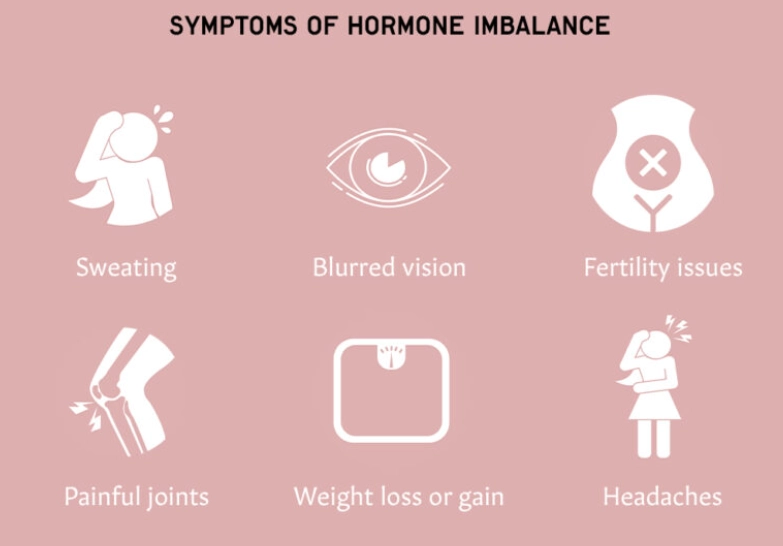
Women are twice as likely as men to experience depression and anxiety, according to the American Psychological Association. But it's not just about statistics—it's about context. Think about it: hormonal shifts during menstruation, pregnancy, and menopause can mess with your mood in ways that feel isolating. Then there's the mental load of caregiving, workplace discrimination, or trauma like sexual assault. General therapy might address symptoms, but it often glosses over these gendered roots.
I remember a client, Sarah, who came in for "general anxiety." Her previous therapist focused on breathing exercises, but we dug deeper and linked her panic attacks to postpartum hormone crashes and societal expectations to "bounce back" quickly. That shift in focus changed everything. Psychotherapy for women validates these experiences, creating a space where you don't have to explain why you're overwhelmed.
Key point: Specialized therapy isn't about excluding men; it's about inclusion—ensuring women's voices are heard in a system that historically sidelined them. Research from the National Institutes of Health shows gender-sensitive therapy improves outcomes for conditions like PTSD in women.
Common issues that benefit from tailored approaches include:
- Perinatal mental health: Postpartum depression affects 1 in 7 women, but many suffer silently because they fear being labeled "bad moms."
- Trauma and abuse: Women are disproportionately affected by sexual violence, requiring trauma-informed care that avoids re-traumatization.
- Body image and eating disorders: Societal beauty standards hit women harder, often leading to disorders that need compassionate, non-judgmental therapy.
- Work-life balance: Juggling careers and family can fuel burnout, but therapy can help set boundaries without guilt.
If you've ever felt dismissed in therapy for bringing up "women's issues," you're not alone. That's why seeking a therapist trained in this area matters.
Effective Therapy Approaches for Women
Not all therapy is created equal. Some methods resonate more with women's experiences. Here’s a breakdown of approaches I've seen work best, based on clinical evidence and patient feedback.
| Therapy Approach | Best For | Typical Duration | Why It Works for Women |
|---|---|---|---|
| Cognitive-Behavioral Therapy (CBT) | Anxiety, depression, OCD | 12-20 sessions | Helps challenge negative thought patterns tied to societal pressures, like "I must be perfect." |
| Interpersonal Therapy (IPT) | Postpartum depression, relationship issues | 12-16 sessions | Focuses on role transitions (e.g., becoming a mother) and communication, addressing core relational stressors. |
| Feminist Therapy | Empowerment, gender-based trauma, self-esteem | Ongoing, varies | Empowers women by analyzing power dynamics and societal norms, fostering agency rather than adaptation. |
| Trauma-Focused CBT | PTSD, sexual assault recovery | 16-24 sessions | Integrates trauma processing with skill-building, avoiding victim-blaming common in some therapies. |
| Mindfulness-Based Therapy | Stress, chronic pain, emotional regulation | 8-12 sessions | Teaches grounding techniques useful for managing hormone-related mood swings or caregiving stress. |
Feminist therapy, in particular, is a game-changer. It doesn't just treat symptoms; it questions why women are overburdened in the first place. I've had clients who spent years in traditional therapy feeling "fixed" but still disempowered. With feminist approaches, they learn to reframe personal struggles as systemic issues, reducing self-blame.
A subtle mistake? Relying solely on CBT for trauma without addressing the gendered context. For instance, a woman with PTSD from domestic violence might benefit more from trauma-focused methods that incorporate safety planning, something generic CBT might overlook.
Let's get practical. If you're dealing with postpartum depression, IPT combined with support groups (like those from Postpartum Support International) can be more effective than medication alone. I've seen women recover faster when therapy includes partners, helping them understand hormonal changes without judgment.
Integrating Holistic Elements
Many women find that adding holistic practices enhances therapy. Yoga or art therapy can complement talk therapy by addressing the body-mind connection—especially useful for those with trauma histories who struggle to verbalize experiences. But be wary of therapists who push these as cure-alls; they should supplement, not replace, evidence-based methods.
How to Choose the Right Therapist
Finding a therapist is like dating—you need chemistry and shared values. Here’s a step-by-step guide to avoid common pitfalls.
Step 1: Identify your needs. Are you dealing with postpartum depression, workplace stress, or trauma? Write it down. This narrows your search. For example, if hormone-related anxiety is your main issue, look for therapists with training in perinatal mental health.
Step 2: Research credentials and specialties. Use directories like Psychology Today or GoodTherapy. Filter for "women's issues," "feminist therapy," or specific concerns. Check licensure (e.g., LCSW, PhD) and read reviews, but don't rely solely on ratings—some great therapists have few reviews because they prioritize client privacy.
Step 3: Schedule consultations. Most therapists offer free 15-minute calls. Ask pointed questions:
- "What's your experience with [your specific issue]?"
- "How do you incorporate gender perspectives into therapy?"
- "What's your approach if I mention societal pressures?"

If they dismiss gender as irrelevant, red flag. I once had a client switch to me after her previous therapist told her to "stop overthinking" her workplace discrimination. Trust your gut—therapy should feel validating, not dismissive.
Step 4: Consider logistics. Location, availability, and format (in-person vs. online). Online therapy via platforms like BetterHelp can be convenient, but ensure the therapist is licensed in your state. For trauma, in-person sessions might feel safer initially.
Step 5: Evaluate the fit after a few sessions. Do you feel heard? Is there progress? It's okay to switch if it's not working. Therapy is an investment in yourself, so don't settle for mediocrity.
From my experience, women often undervalue their comfort level. You might click with a therapist who has less experience but shows empathy, over a renowned expert who feels cold. That's fine—healing happens in connection.
Navigating Cost and Insurance
Let's talk money. Therapy isn't cheap, but it shouldn't be inaccessible. Here’s a realistic breakdown.
Average costs in the U.S. range from $100 to $250 per session without insurance. Sliding-scale fees are common—many therapists adjust rates based on income, so always ask. Community mental health centers offer sessions as low as $20, though waitlists can be long. Online platforms like Open Path Collective provide affordable options ($30-60/session) for those without insurance.
Insurance coverage varies wildly. Check if your plan includes mental health benefits under the Mental Health Parity Act. Call your insurer to ask about copays and in-network providers. Some therapists don't take insurance but provide superbills for reimbursement—a hassle, but worth it if you find the right fit.
I've helped clients navigate this maze. One tip: Look for therapists affiliated with universities or training institutes; they often offer reduced-rate sessions supervised by experienced clinicians. Another option: Employee Assistance Programs (EAPs) through work might cover a few sessions free.
If cost is a barrier, don't give up. Support groups, often free or low-cost, can supplement individual therapy. Organizations like the National Alliance on Mental Illness (NAMI) offer resources. Remember, investing in therapy now can save money long-term by improving health and productivity.
Your Questions Answered
Therapy for women isn't a luxury—it's a tool for reclaiming your mental space. Whether you're navigating motherhood, career stress, or past trauma, specialized psychotherapy offers a path forward that honors your experiences. Start by reflecting on what you need, then take that first step. Healing is possible, and you deserve support that gets you.





Leave a comment