In This Guide
Let's be honest. We've all had those moments. You walk into a room and forget why. You blank on a colleague's name. You spend ten minutes looking for your keys, only to find them in your pocket. It's frustrating, and it can be scary. Is this normal aging, or is it something more? The good news is that for most age-related forgetfulness, a lot is within our control. The idea of memory loss prevention isn't about finding a magic pill—it's about building a lifestyle that supports your brain, day in and day out.
I remember talking to my dad a few years back. He was getting frustrated with his memory. He'd forget appointments, lose track of conversations. It worriedhim, and it worried me. We started looking into things he could actually do, beyond just doing crossword puzzles. What we found wasn't a single solution, but a whole toolkit. And the science behind it is pretty compelling.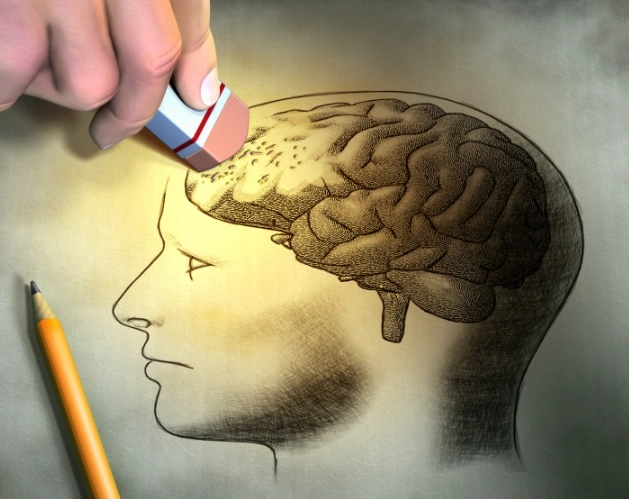
The Foundation: Understanding How Memory Works (And Why It Slips)
Before we jump into the strategies, it helps to know what we're dealing with. Memory isn't one single thing stored in one place. It's a process. You have to encode the information (pay attention to it), store it, and then retrieve it when you need it. Age-related hiccups often happen at the encoding and retrieval stages. You're not losing the memory forever; the pathway to find it just gets a little overgrown.
Think of it like a library. A young brain has a brilliant, hyper-organized librarian who files every new book perfectly and can find it instantly. An older brain's librarian might be a bit slower, the filing system a tad less precise, and sometimes they put a book on the wrong shelf. The goal of preventing memory loss is to keep that librarian well-trained, well-rested, and working in a clean, well-lit library.
So, what makes the librarian sluggish? Chronic inflammation, reduced blood flow, the buildup of certain proteins, and simply the wear and tear on brain cells. The strategies we'll talk about target these exact issues.
The Five Pillars of a Memory-Healthy Lifestyle
If you want a simple framework, think of these five areas. Neglect one, and the whole structure gets wobbly. Focus on them together, and you build a fortress for your cognition.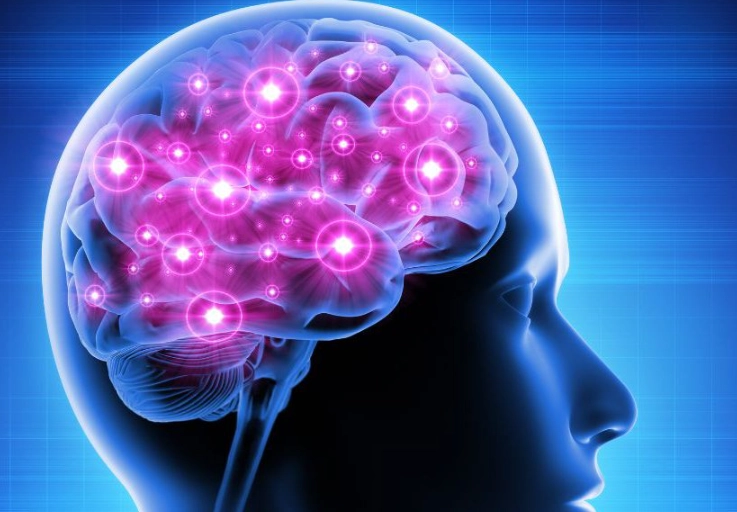
1. What You Eat: Fuel for Your Neurons
You are what you eat, and your brain is a very hungry organ. It uses about 20% of your body's calories. Feed it junk, and it'll perform like junk. The research is crystal clear here: diets like the Mediterranean diet and the MIND diet are superstars for memory loss prevention. They're not fads; they're patterns of eating observed in populations with lower rates of cognitive decline.
What's on the menu? Lots of plants. Leafy greens (think spinach, kale), berries (blueberries are brain gold), nuts, whole grains, olive oil, and fish. The key seems to be the combination—antioxidants from the berries fight oxidative stress, healthy fats from olive oil and fish reduce inflammation, and the vitamins from the greens support overall cell function.
Here’s a quick look at some brain-boosting foods and what they do:
| Food Category | Top Examples | Key Brain Benefit |
|---|---|---|
| Leafy Greens | Kale, Spinach, Collards | High in vitamin K, lutein, folate – linked to slower cognitive decline. |
| Berries | Blueberries, Strawberries | Flavonoids improve communication between brain cells and reduce inflammation. |
| Fatty Fish | Salmon, Mackerel, Sardines | Rich in Omega-3s (DHA), a major building block of the brain, crucial for memory loss prevention. |
| Nuts & Seeds | Walnuts, Almonds, Flaxseeds | Good fats, antioxidants, and vitamin E, which protects cell membranes. |
| Whole Grains | Oats, Quinoa, Brown Rice | Provide steady glucose, the brain's primary fuel source. |
On the flip side, what should you limit? The usual suspects: sugary drinks, refined carbs (white bread, pastries), fried foods, and excessive red meat. They promote inflammation and can impair memory function over time.
2. How You Move: Exercise is Not Optional
This might be the single most powerful tool in the box. I used to think exercise was just for the heart and waistline. I was wrong. It's for the brain. When you get your heart rate up, you pump more oxygen-rich blood to your brain. You also stimulate the release of growth factors—chemicals that help create new brain cells and new connections between them, especially in the hippocampus, your brain's memory center.
The National Institute on Aging states clearly that physical activity is one of the best-documented ways to maintain cognitive health. You don't need to run marathons.
Aim for a mix:
- Aerobic Exercise: The sweat-inducing kind. Brisk walking, swimming, cycling, dancing. 150 minutes a week of moderate activity is the sweet spot. This is the cornerstone for improving blood flow.
- Strength Training: Lifting weights or using resistance bands, at least twice a week. It helps control blood sugar and reduces inflammation.
- Coordination & Balance: Yoga, tai chi, even simple balance exercises. These engage different neural pathways and require focus.
3. How You Sleep: The Brain's Clean-Up Crew
This is the one I struggle with the most. Skimping on sleep to get more done is a terrible trade for your brain. During deep sleep, your brain isn't just resting—it's busy. It's consolidating memories, moving them from short-term storage to long-term. It's also running the glymphatic system, a waste-clearing process that flushes out toxins, including the beta-amyloid proteins associated with Alzheimer's disease.
Poor sleep doesn't just make you groggy; it directly impairs your ability to focus (encode new memories) and recall. Chronic sleep problems are a significant risk factor for cognitive decline. So, prioritizing 7-9 hours of quality sleep isn't a luxury; it's a core memory loss prevention tactic.
4. How You Challenge Your Mind: Use It or Lose It
This is more than just doing Sudoku. The brain thrives on novelty and challenge. Learning something new and complex creates new neural connections and strengthens existing ones. It builds cognitive reserve—a kind of buffer against age-related damage.
So, if you've been doing crossword puzzles for 20 years, you're probably really good at crosswords. Your brain is on autopilot. To truly challenge it, you need to step outside your comfort zone.
- Learn a new language (even with an app like Duolingo).
- Take up a musical instrument.
- Learn to paint, code, or cook a completely new cuisine.
- Take a class on a subject you know nothing about.
- Play strategic games like chess or bridge.
The key is the learning process, the struggle and the engagement, not just the passive consumption of information.
5. How You Connect: The Social Brain
This one surprised me with how powerful it is. Loneliness and social isolation are now recognized as serious health risks, on par with smoking. Social interaction isn't just fun; it's cognitively demanding. You have to listen, interpret tone and facial expressions, think of responses, recall shared history. It's a full-brain workout.
Meaningful social engagement reduces stress, fights depression, and provides emotional support. All of these factors protect the brain. Make time for friends, join a club, volunteer, or just make a point of having a real conversation with someone every day.

Beyond the Basics: The Overlooked Factors
While the five pillars are core, some other pieces of the puzzle don't get enough airtime.
Hearing Loss: This is a big one. Untreated hearing loss forces the brain to work overtime to decode sounds, draining cognitive resources that could be used for memory and thinking. It also leads to social withdrawal. Getting hearing checked and using aids if needed is a direct form of memory loss prevention.
Chronic Stress: Long-term stress floods your body with cortisol, a hormone that can damage the hippocampus. Finding healthy ways to manage stress—mindfulness, meditation, the exercise we already talked about, hobbies—is non-negotiable.
Cardiovascular Health: What's good for your heart is good for your brain. High blood pressure, high cholesterol, and diabetes all damage the delicate blood vessels that feed your brain. Managing these conditions with your doctor protects your cognitive function.
Putting It All Together: A Sample Week for Brain Health
It can feel overwhelming. Don't try to change everything at once. Here’s what a brain-healthy week might look like, just to give you an idea.
- Monday: 30-minute brisk walk after work. Salmon and roasted broccoli for dinner. Call an old friend to catch up.
- Tuesday: Strength training session (bodyweight exercises at home count!). Spinach salad with walnuts and berries for lunch. Spend 20 minutes learning Spanish on an app.
- Wednesday: Yoga class. Lentil soup for dinner. In bed by 10:30 with a book (not a phone).
- Thursday: Another 30-minute walk. Oatmeal with flaxseed for breakfast. Attend a local community board meeting or book club (social + mental engagement).
- Friday: Dance to your favorite music for 20 minutes. Veggie omelet. Play a board game with family.
- Saturday: Hike or long bike ride. Try a new, complex recipe for dinner.
- Sunday: Rest, gentle stretching. Plan meals for the week to keep the good food coming. Meditate for 10 minutes.
See? It's not about perfection. It's about weaving these elements into the fabric of your life.
When to See a Doctor
This is crucial. While this guide focuses on lifestyle for prevention, it's important to know the line between normal aging and something that needs professional attention. You can't lifestyle your way out of every condition.
According to the Alzheimer's Association, you should talk to a doctor if you or a loved one experiences:
- Memory loss that disrupts daily life (forgetting recently learned information, important dates/events).
- Challenges in planning or solving problems (trouble following a familiar recipe, managing bills).
- Difficulty completing familiar tasks at home or work.
- Confusion with time or place.
- Trouble understanding visual images or spatial relationships.
- New problems with words in speaking or writing.
- Misplacing things and losing the ability to retrace steps.
- Decreased or poor judgment.
- Withdrawal from work or social activities.
- Changes in mood and personality.
Getting a check-up provides a baseline and can rule out other treatable issues like thyroid problems, vitamin deficiencies, or medication side effects that can mimic dementia.
Common Questions About Memory Loss Prevention
The journey of memory loss prevention is a marathon, not a sprint. It's the sum of small, consistent choices made over years. It's eating the salmon, taking the walk, prioritizing sleep, learning the new skill, and nurturing your connections. There's no guarantee, but the science is strong: this path gives you the best possible odds of keeping your mind sharp, vibrant, and resilient for all the years to come.




Leave a comment