In This Article
Let's be honest for a second. How many times have you put your own mental wellness on the back burner? You're not alone. For so many women, the idea of focusing on our own emotional and psychological health feels like a bonus item on a never-ending to-do list – something we'll get to after the kids are settled, the work project is done, the house is clean, and everyone else is taken care of. But here's the thing I've learned, sometimes the hard way: when women's mental wellness crumbles, everything else tends to follow.
It's not just about avoiding a bad day. True mental wellness is the active process of building resilience, understanding your emotions, and creating a life that doesn't constantly drain your battery. It's nuanced, deeply personal, and frankly, often misunderstood. This guide isn't about quick fixes or generic self-care tips you've seen a hundred times. We're going to dig into what women's mental wellness really means in the messy, beautiful, and demanding reality of modern life.
Why does this matter specifically for women? Well, our brains and bodies navigate a unique hormonal landscape that directly influences mood and stress response. We still shoulder a disproportionate share of domestic and emotional labor, even in progressive households. The societal pressures? They're a different beast – a constant, low-grade hum of expectations about how we should look, act, succeed, and care for others. Ignoring these factors when talking about mental health is like trying to fix a leaky roof without considering the storm outside.
The Unique Landscape of Women's Mental Health
It's not that men don't struggle. They absolutely do. But the patterns, the triggers, and even the way symptoms show up can be distinctly different for women. Let's break down some of the key areas where this uniqueness plays out.
First, the biology piece is huge and often glossed over. Our reproductive hormones – estrogen and progesterone – don't just regulate our cycles; they're potent neurochemicals that influence serotonin and dopamine, the brain's key mood regulators. This link is so strong that organizations like the National Institute of Mental Health (NIMH) have entire research portfolios dedicated to women's mental health across the lifespan. Puberty, pregnancy, postpartum, perimenopause – these aren't just physical transitions; they're mental and emotional earthquakes that require specific understanding and support.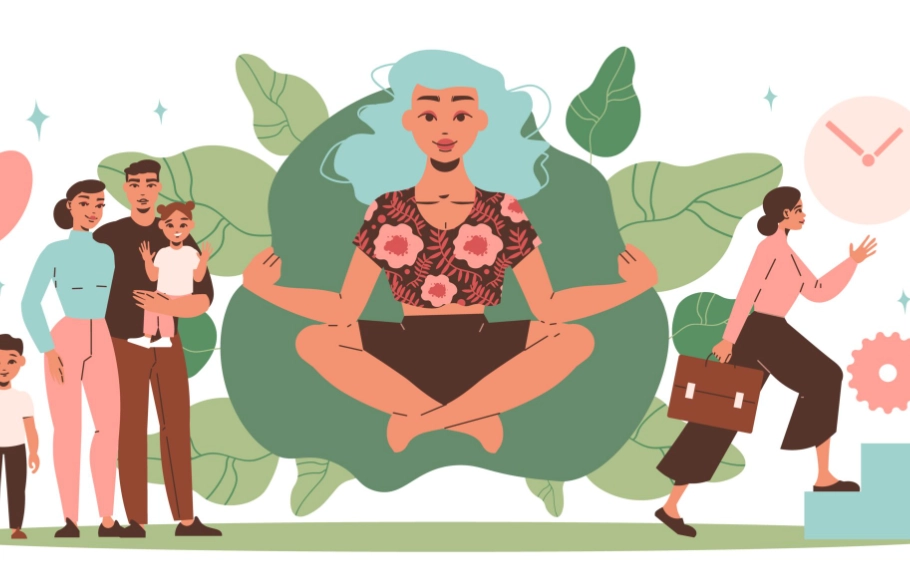
Then there's the lived experience. Think about the mental load. It's that invisible checklist running in the background of your mind: Did I schedule the dentist appointment? Do we need milk? Is my friend still upset about that comment I made? Is my mom's knee feeling better? This cognitive labor is exhausting and rarely gets factored into discussions about stress. It's a silent tax on our mental energy.
Social and cultural expectations add another layer. We're often socialized to be caregivers, peacekeepers, and achievers – all at once. Saying "no" can feel like a personal failure. Setting boundaries is often labeled as being "difficult" or "cold." This constant pressure to perform multiple, often conflicting, roles perfectly is a direct pipeline to burnout and anxiety. It's a setup, honestly.
Common Challenges That Chip Away at Wellness
So what does this unique landscape create? Certain challenges tend to show up more frequently or intensely for women on the path to mental wellness.
- Anxiety and Overwhelm: This isn't just occasional worry. It's a pervasive sense of being on high alert, a racing mind that rehearses every possible negative outcome. The "what-ifs" become a full-time job.
- Depression and Low Mood: Sometimes it's the classic sadness, but for many women, depression looks more like numbness, irritability, or a complete loss of interest in things you once loved. It's a heavy blanket that makes everything feel like a chore.
- Burnout: This is the end-stage of chronic, unmanaged stress. It's not just being tired; it's feeling cynical, detached, and ineffective. Your emotional and physical resources are completely depleted. The World Health Organization now recognizes burnout as an occupational phenomenon, and let's face it, for many women, their occupation is everything.
- Body Image and Self-Worth: Tying our value to our appearance is a mental health trap. The diet industry, social media filters, and relentless advertising create a standard that's not only unrealistic but actively harmful to our psychological well-being.
- Trauma and PTSD: Women are statistically more likely to experience certain types of trauma, such as sexual assault or intimate partner violence. The psychological impact is profound and requires specialized, trauma-informed care.
Look, naming these things isn't meant to be depressing. It's the opposite. When you can identify what you're dealing with, it loses some of its power. You realize you're facing a known challenge, not some personal flaw or weakness. That's the first, crucial step toward genuine women's mental wellness.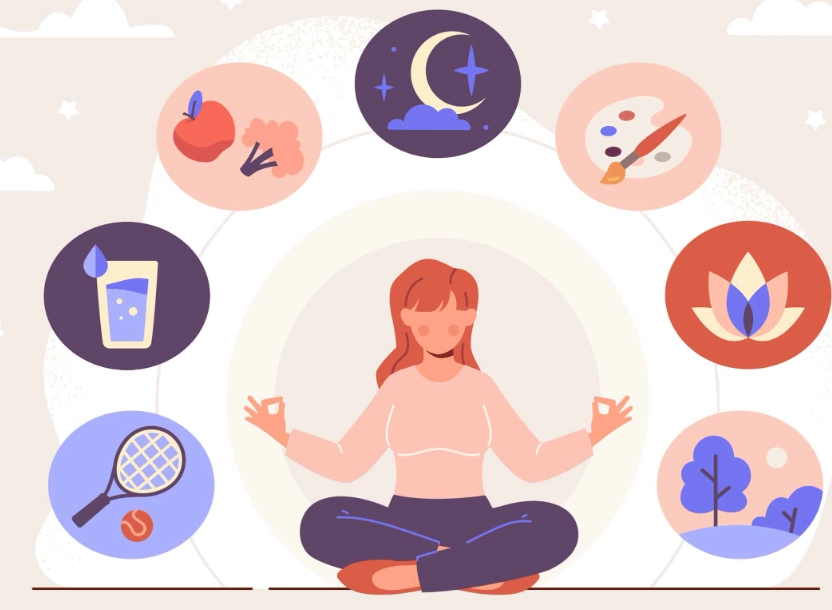
Building Your Toolkit: Practical Strategies That Actually Work
Okay, enough about the problems. Let's talk solutions. This is where we move from theory to practice. A robust approach to mental wellness isn't one magic pill; it's a personalized toolkit. You try things, see what fits, and keep what works. Here’s a breakdown of strategies across different levels.
The Foundational Level: Non-Negotiables
These are the basics. They sound simple, but when they're off, everything else is harder. Don't skip them.
Sleep: I can't stress this enough. Poor sleep wrecks your emotional regulation, increases anxiety, and tanks your resilience. It's not about perfection – it's about consistency. A cool, dark room and a semi-regular bedtime can work wonders. Your brain processes the day's emotions during sleep. Skimping on it is like trying to run a complex software update with a weak internet connection.
Nutrition: Food is mood. A diet high in processed foods and sugar can lead to energy crashes and inflammation, which is increasingly linked to depression. Focus on whole foods, plenty of plants, and don't skip meals. Your brain needs steady fuel.
Movement: This isn't about punishing workouts. It's about getting your body moving in a way that feels good. A 20-minute walk outside does more for my anxiety than almost anything else. It's not just endorphins; it's a rhythm, a break from the mental chatter. Find what you don't hate – dancing, yoga, gardening, whatever gets you out of your head.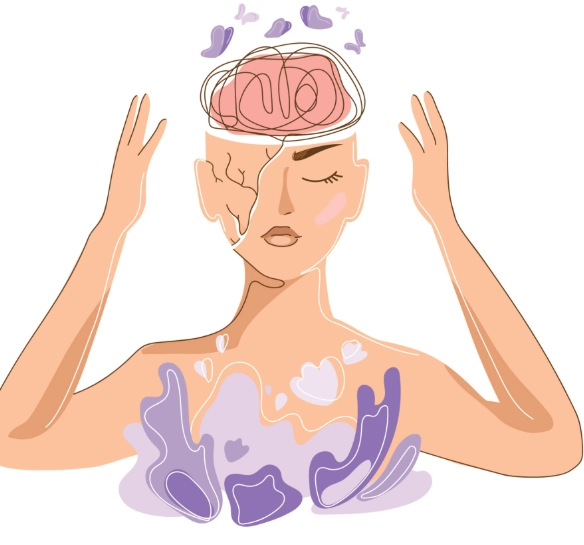
The Core Practices: Building Emotional Muscle
Once the foundation is somewhat steady, you can build on it. These practices help you manage your internal world.
| Practice | What It Is | Why It Helps Women Specifically | How to Start Small |
|---|---|---|---|
| Mindfulness | Paying attention to the present moment without judgment. | Counters the "mental load" by training the brain to focus on one thing. Helps break the cycle of rumination (overthinking past/future). | Spend 60 seconds noticing 5 things you can see, 4 you can feel, 3 you can hear, 2 you can smell, 1 you can taste. |
| Boundary Setting | Communicating and upholding your limits. | Protects energy from the high demands often placed on women. Essential for preventing resentment and burnout. | Practice a simple "no" script: "Thank you for thinking of me, but I can't take that on right now." No lengthy apology needed. |
| Emotional Literacy | Naming and understanding your emotions. | Women are often socialized to prioritize others' feelings. This practice reclaims your own emotional experience. | Use a feelings wheel. Instead of "I'm stressed," get specific: Am I feeling overwhelmed, anxious, pressured, or underappreciated? |
| Creative Expression | Using a non-verbal outlet (writing, art, music). | Provides a release for emotions that are hard to articulate. Reconnects you with a sense of play and identity beyond roles. | Doodle for 5 minutes with no goal. Write three lines of a poem, even a bad one. It's the process, not the product. |
See, none of this requires hours of spare time you don't have. It's about micro-moments of intention. That table isn't a checklist to master; it's a menu to sample from.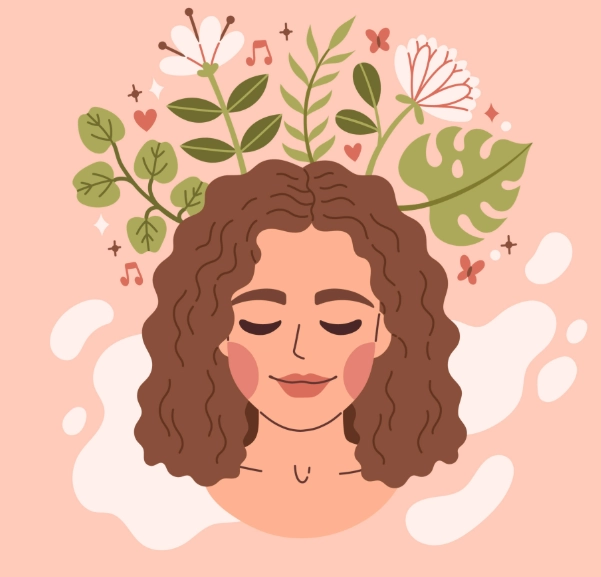
When to Seek Professional Help (And How to Do It)
There's a stubborn myth that therapy is only for "serious" problems or that you should be able to handle things on your own. Let's dismantle that right now. Seeking therapy or counseling is a sign of strength and resourcefulness, not weakness. It's like hiring a guide for a difficult hike you've never done before.
So, when is it time?
If your symptoms are interfering with your daily life – work, relationships, basic self-care – that's a clear signal. If you're using unhealthy coping mechanisms (like substance overuse, excessive spending, or disordered eating) to manage your feelings. If you feel stuck in patterns you can't break on your own. If you simply want a confidential, objective space to understand yourself better. All of these are perfectly valid reasons.
Finding a therapist can feel daunting, but resources like the Psychology Today therapist directory allow you to filter by location, insurance, specialty (like perinatal mood disorders, trauma, or anxiety), and even therapist gender if that's important to you. Many offer free 15-minute consultations to see if you click. Don't be afraid to try more than one. The therapeutic relationship is key.
And it's not just talk therapy. Depending on your needs, a psychiatrist might discuss medication. For some conditions, like certain types of depression or PTSD, medication can be the thing that creates enough stability for other strategies (like therapy) to actually work. It's not a failure; it's a tool. The World Health Organization consistently emphasizes a multi-faceted approach to mental health care, which can include both psychosocial and biomedical interventions.
Answering Your Real Questions About Women's Mental Wellness
Let's tackle some of the specific, googleable questions that might have brought you here. The stuff that keeps you up at night.
Putting It All Together: Your Personal Wellness Plan
Information overload is real. So let's simplify. You don't need to do everything. Start by picking one thing from each category below to focus on for the next month.
- The Body Basic: Choose one: Aim for 7 hours of sleep most nights. OR Add one vegetable to every dinner. OR Take a 10-minute walk three times a week.
- The Mind Mover: Choose one: Try the 60-second mindfulness exercise from the table once a day. OR Use the feelings wheel once when you're upset. OR Write down three things you're grateful for every Sunday night.
- The Boundary Builder: Choose one: Say "no" to one non-essential request this week. OR Delegate one household task. OR Communicate one need clearly to your partner (e.g., "I need 30 minutes of quiet when I get home from work").
Track it loosely. See how it feels. Tweak it. The goal is progress, not perfection. Your plan for women's mental wellness should be as unique and flexible as you are. Some seasons of life will require more foundational work (sleep, food). Others will allow for more growth work (therapy, creative projects). Give yourself permission to adapt.
The journey toward better mental wellness is ongoing. There will be great days and really hard ones. The point is to build a toolkit and a mindset that allows you to navigate them all with more grace, more understanding, and more resilience. You deserve to feel well, not just to function. Start small, be kind to yourself, and remember that prioritizing your own mind is the most fundamental form of care you can offer – to yourself and to everyone in your orbit.




Leave a comment