Let's cut to the chase. You're considering online therapy. Maybe you're juggling a career, kids, and a household, and the idea of adding a commute to a therapist's office feels like a cruel joke. Maybe you live somewhere where finding a specialist in something like postpartum anxiety or workplace burnout is nearly impossible. Or perhaps the thought of sitting in a waiting room fills you with more anxiety than the session itself.
You're not alone. The search for "online therapy for women" has skyrocketed, and for good reason. It's not just a pandemic trend; it's a fundamental shift in how we access care. But here's what most articles won't tell you: not all virtual therapy is created equal, and the biggest factor for success isn't the tech—it's the strategy you use to navigate it.
Your Quick Guide to This Article
Why Online Therapy Fits a Woman's Life (Beyond Convenience)
Sure, logging in from your couch is convenient. But the real magic is deeper.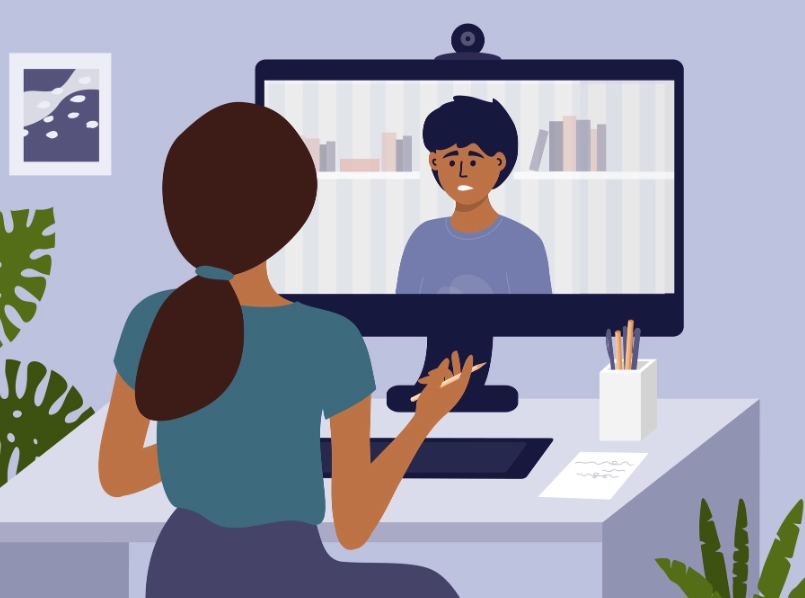
It eliminates the logistical nightmare. No more arranging childcare, fighting traffic, or using your precious lunch break to travel. Your session happens in your safe space—your home office, your parked car, even a quiet corner of a library. This lowers the barrier to showing up consistently, which is half the battle in therapy.
It expands your pool of specialists exponentially. Stuck in a small town? Need a therapist who specifically understands the pressures on women in tech, or the complexities of infertility? Online platforms connect you with licensed professionals across your entire state or country. You can search for someone based on their expertise in perinatal mood disorders, trauma recovery, or navigating male-dominated industries, not just their proximity to your ZIP code.
It can feel less intimidating. For many, walking into a sterile office feels formal and heightens anxiety. Being in your own environment can help you open up faster. Some women find it easier to discuss deeply personal issues, like sexual health or body image, from behind the slight buffer of a screen.
Here's a perspective you don't often hear: The asynchronous messaging option many platforms offer isn't a lesser form of therapy. For women who freeze up in real-time conversation or who process their emotions through writing, sending a detailed message to their therapist at 2 AM when anxiety peaks can be more therapeutic than a scheduled weekly chat. It turns therapy into a continuous thread in your life, not a weekly appointment.
How to Find the Right Therapist & Platform (The Non-Obvious Stuff)
This is where most people go wrong. They sign up for the first platform they see on an Instagram ad. Don't do that.
Look Beyond the Marketing
Platforms like BetterHelp, Talkspace, and Amwell are the big names. But also consider smaller, niche platforms or direct directories like Psychology Today, where therapists often list if they offer telehealth. Sometimes, working directly with a therapist's independent practice (even if it's virtual) offers more flexibility and personalization than a subscription service.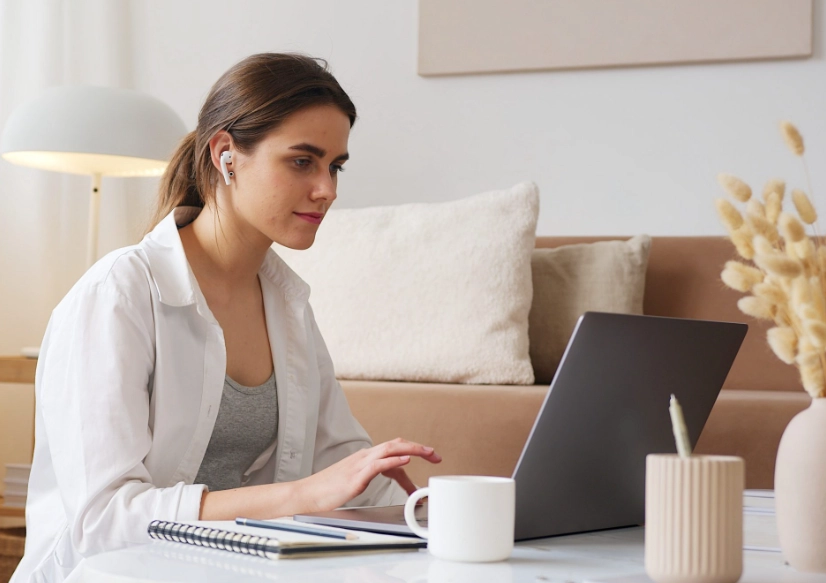
The Therapist Match is Everything
The bio and photo are a start, but they're not enough. Here’s your actionable checklist:
- Credentials are non-negotiable: Ensure they are licensed to practice in your state. LCSW, PhD, PsyD, LMFT—understand what these mean.
- Dig into their stated specialties: “Women's issues” is vague. Look for specifics: “PMDD,” “caregiver stress,” “imposter syndrome,” “life transitions for women over 40.”
- Use the consultation call: Any decent platform or therapist offers a 10-15 minute intro call. This is your interview. Prepare 2-3 questions. My go-to is: “Can you describe how you've helped a client with a situation similar to mine?” Listen not just to their answer, but to their demeanor. Do you feel heard?
I once matched with a therapist whose bio was perfect. On the call, she spent the whole time talking about her methodology. I felt like a case study, not a person. I thanked her and kept looking. The next one asked me, “So, what's feeling heaviest today?” That was my person.
What to Actually Expect in Your Sessions
Forget the movie scenes. Online therapy is often more focused and pragmatic, especially when time is limited.
The first 1-2 sessions are for history-taking and goal-setting. Come prepared. What do you want to change? “Feel less anxious” is a start. “Be able to get through my weekly team meeting without a panic attack” is a workable goal.
Sessions can be a mix of talk therapy and skill-building. A good therapist for women dealing with overwhelm might introduce concrete tools in the first month: boundary-setting scripts, mindfulness anchors for stressful moments, or frameworks for delegating tasks at home.
The format varies:
- Live Video: The closest to in-person. Best for building rapport and processing complex emotions.
- Live Phone/Audio: Surprisingly effective for some. Removes the “on camera” pressure and allows for more movement (pacing can help!).
- Text/Messaging: Asynchronous. You write; they respond daily or a few times a week. Ideal for those with irregular schedules or who express themselves better in writing.
Most people benefit from a combo—weekly video sessions supplemented by check-in messages.
Addressing the Real Concerns: Privacy, Cost, & Effectiveness
Let's tackle the big worries head-on.
Privacy & Security: Reputable platforms use HIPAA-compliant software with end-to-end encryption—the same level banks use. Your bigger job is securing your environment. Use headphones. Find a room where you won't be interrupted. Don't do therapy on public Wi-Fi.
Cost & Insurance: This is a patchwork. Some platforms don't take insurance directly but provide superbills you can submit for out-of-network reimbursement. Others (like Amwell) often do bill insurance. Many therapists in private practice who offer telehealth do accept insurance. You must call your insurance provider and ask: “Do I have coverage for telehealth behavioral health services? What are my copays?” Get the answer in writing if you can.
Out-of-pocket, prices range from $80-$250+ per session. Subscription models (like BetterHelp) average $60-$90 per week for unlimited messaging and one live session. Weigh the value: compared to a gym membership you don't use or frequent coffee runs, investing in your mental health often has a higher ROI.
Effectiveness: The research is clear. According to the American Psychological Association, teletherapy is just as effective as in-person therapy for treating common conditions like depression and anxiety. The key variable is the therapeutic alliance—that feeling of connection and trust with your therapist. You can build that through a screen.
The effectiveness often hinges on you showing up—not just logging on, but being engaged. That means doing the reflective work between sessions.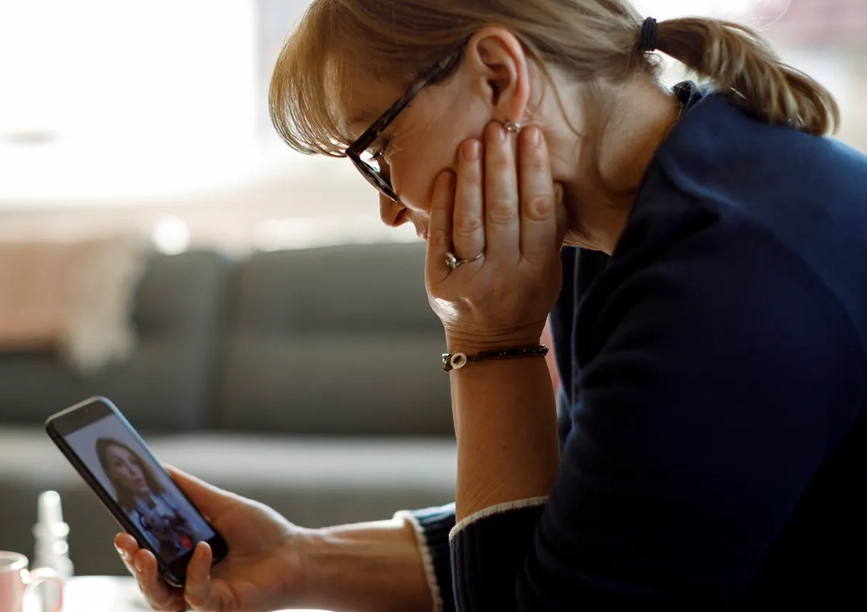
Your Questions, Answered Honestly
The bottom line is this: online therapy for women has moved from an alternative to a mainstream, legitimate, and often ideal form of support. It meets you where you are—literally and figuratively. The tools are there. The experts are there. The flexibility is there. The rest is about taking that first, deliberate step to find the right guide for your journey. You don't have to figure it all out alone from your living room. Now, you can get help there, too.






Leave a comment