Let's cut to the chase: social media isn't going away, and for women, it's a messy mix of connection and chaos. I've worked with hundreds of women over the years, and the number one thing I hear? "I know it's bad for me, but I can't stop scrolling." The truth is, social media's impact on women's health is nuanced—it can fuel anxiety and poor body image, but it also offers lifelines of support and information. In this guide, we'll unpack the real effects, move beyond generic advice, and give you actionable steps to take control. No fluff, just stuff that works.
What We'll Dive Into
The Mental Health Rollercoaster: Social Media's Psychological Impact
You've probably felt it—that sinking feeling after seeing a perfect vacation post or a fitness transformation. For women, social media often amplifies societal pressures. A study from the American Psychological Association highlights that women report higher levels of social comparison online than men, leading to increased stress.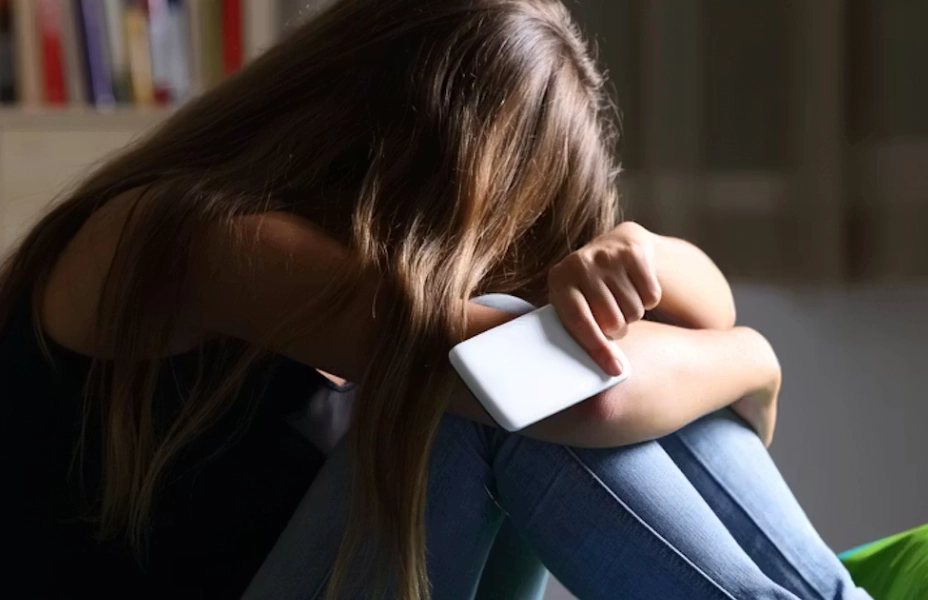
Anxiety and the Comparison Trap
It's not just about envy; it's a constant background noise. I had a client, Sarah, who spent hours on Instagram comparing her postpartum body to influencers. She said, "It's like I'm in a race I didn't sign up for." This isn't rare. Platforms like Instagram and TikTok thrive on visual perfection, triggering what researchers call "upward social comparison"—measuring yourself against seemingly better-off others. The result? Anxiety spikes, self-esteem drops.
But here's a twist many miss: it's not the time spent, but the type of content. Passive scrolling through curated feeds is worse than active engagement. If you're just watching, you're more likely to feel inadequate.
Positive Communities: The Other Side
It's not all doom. I've seen women find incredible support in niche groups. Take menopause forums on Facebook or Reddit—they're goldmines for shared experiences and advice. These spaces reduce isolation, offering practical tips that doctors might not have time for. The key is intentionality. Follow accounts that educate, not just entertain. For instance, @TheGirlSurgeon on Instagram breaks down health myths without the fluff.
Personal take: I think the wellness influencer trend has backfired for many women. Too much "positive vibes only" can feel dismissive. Real health conversations need room for struggle.
Physical Side Effects You Might Miss
We talk about mental health, but the body pays a price too. It's not just eye strain from screens.
Sleep Disruption: More Than Just Blue Light
Yeah, blue light messes with sleep. But the real culprit? The emotional charge of content. Scrolling through stressful news or drama before bed can elevate cortisol, making it harder to wind down. I recommend a "digital sunset"—stop social media 90 minutes before sleep. Try it for a week; you might notice deeper sleep.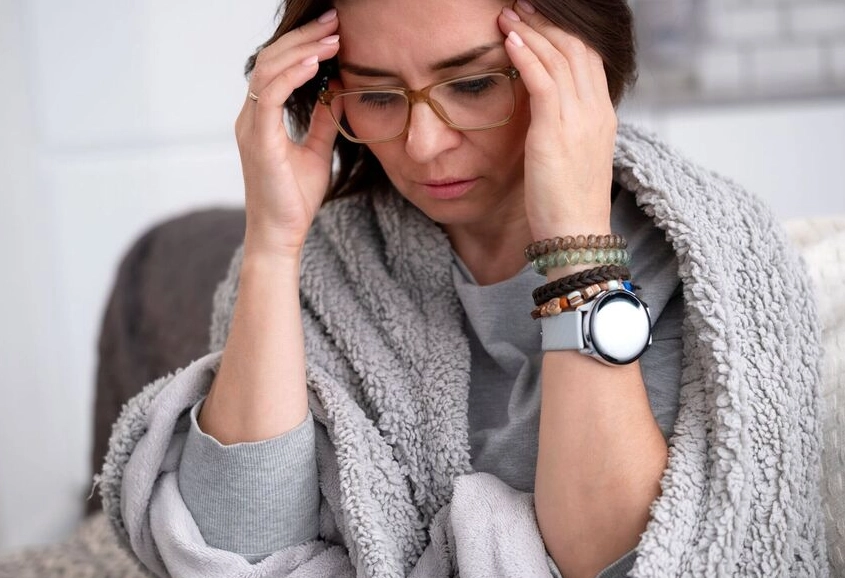
Sedentary Risks and Posture Problems
Hours hunched over phones contribute to "tech neck" and reduced physical activity. A 2020 report from the World Health Organization notes that sedentary behavior linked to screen use increases risks for cardiovascular issues, especially in women over 40. It's subtle—you don't feel it until the back pain kicks in.
Here's a simple fix: set a timer to stand up every 30 minutes. Use social media as a reward after a walk. Sounds basic, but it works.
| Common Issue | How Social Media Contributes | Quick Action |
|---|---|---|
| Poor Sleep | Evening scrolling increases mental arousal | Use app blockers after 9 PM |
| Neck/Back Pain | Prolonged poor posture during use | Practice "phone at eye level" rule |
| Reduced Activity | Time displacement from physical hobbies | Schedule 10-minute movement breaks |
Taking Control: Practical Steps for Balance
Enough about problems—let's get to solutions. This isn't about deleting apps; it's about redesigning your relationship with them.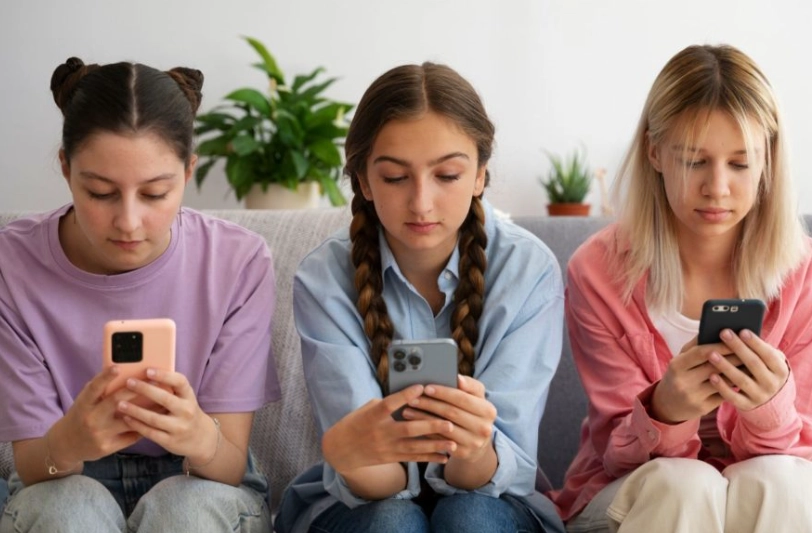
Curate Your Feed Like a Pro
Start with a ruthless unfollow spree. If an account makes you feel less than, mute or remove it. I tell my clients to ask: "Does this add value or stress?" Follow diverse voices—include body-positive activists, mental health advocates, and science-based pages. For example, @Menopause_Doctor on Twitter offers evidence-based advice without hype.
Set Boundaries That Stick
Boundaries sound great, but they fail without systems. Use built-in tools: Screen Time on iOS or Digital Wellbeing on Android. Set a daily limit of 60 minutes total across platforms. Turn off non-essential notifications—this alone cuts anxiety by reducing interruptions.
A trick I've used: designate "social media zones" in your home, like only in the living room, not the bedroom. It creates a psychological barrier.
Engage Mindfully, Not Mindlessly
Shift from passive consumption to active participation. Comment on posts that inspire you, share your own struggles authentically. Join a virtual challenge that promotes health, like a step-count group. But beware—some challenges can be toxic. I've seen fitness challenges lead to over-exercising. Always listen to your body.
Consider a monthly "social media audit." Review your usage stats, assess how you feel, and adjust. It's like a health check-up for your digital life.
FAQ: Your Top Concerns Answered
Wrapping up, social media and women's health is a dance—not a battle. It's about awareness and small, consistent changes. Start today: pick one action from this guide, like muting three stressful accounts, and see how it feels. Your health, both mental and physical, deserves that attention.
Leave a comment