Let's be real. Worrying about your milk supply is one of the most stressful parts of breastfeeding. You see your friend with a freezer full of milk, or your baby seems fussy after feeding, and the panic sets in: "Am I making enough?" I've been there. With my first, I spent weeks convinced I was failing, only to learn later that my supply was fine—I was just misreading my baby's cues. But for many, low supply is a real, frustrating challenge. The good news? In most cases, you can increase your breast milk production. It's not about magic pills or obscure teas. It's about understanding how your body makes milk and working with that system.
What You'll Find Inside
- Fuel Your Milk Factory: Diet & Hydration
The single most important principle is this: milk production operates on a supply-and-demand system. Your breasts are not storage tanks to be emptied; they are factories that produce based on orders. The more milk that is removed (by your baby or a pump), the more signals your brain gets to make more. Almost every effective strategy circles back to this.
Master the Basics: It's All About Removal
Before you try anything fancy, nail these fundamentals. They account for 80% of the results.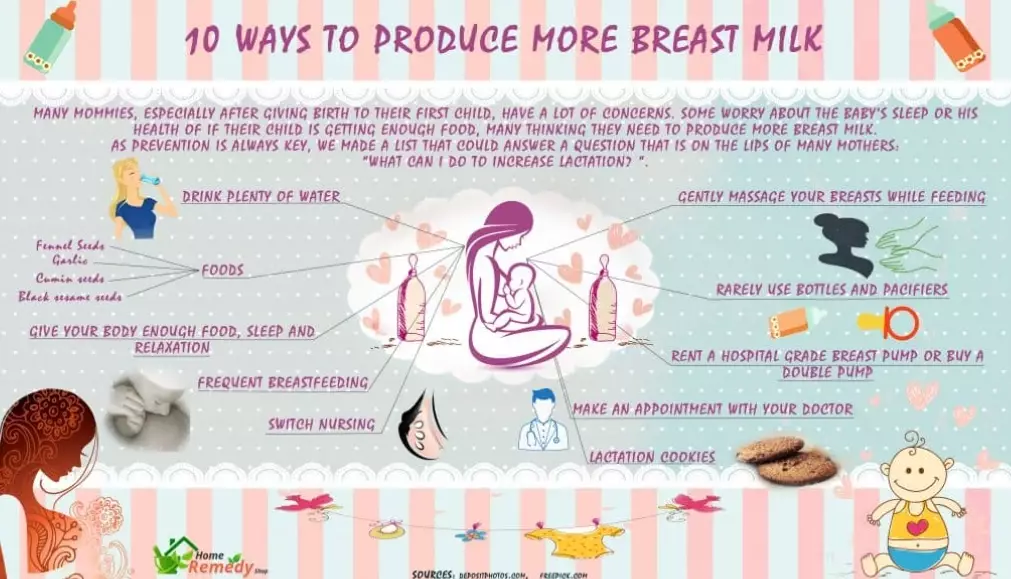
1. Feed (or Pump) More Frequently
This is non-negotiable. Aim for 8-12 sessions in 24 hours for a newborn. For an older baby, you might need to sneak in an extra session or two. Think of it as placing more orders at the factory. A common mistake is waiting for your breasts to feel "full" before feeding. By then, your body is already getting the signal to slow down production. Feed on demand, and if demand seems low, offer the breast more often.
2. Ensure Effective Milk Transfer
It's not just about having the baby on the breast; it's about them drinking. A shallow, ineffective latch means they work harder and remove less milk. Look for:
- Deep latch: More areola below the baby's chin than above their nose.
- Audible swallowing: You'll hear a soft "kuh" sound, not just clicking.
- Active jaw movement: Their ear and temple will wiggle slightly.
If you're unsure, a consultation with an International Board Certified Lactation Consultant (IBCLC) is worth its weight in gold. They can spot issues like tongue tie that you might miss.
Pro Tip Most Websites Miss: The frequency of removal is often more powerful than the duration of each session. Two 15-minute feeds where baby is actively drinking are better than one 45-minute marathon where they're mostly comfort-sucking. Watch for active swallowing, not just time on the clock.
Optimize Your Feeding Technique
3. Practice Skin-to-Skin Contact
This isn't just fluffy bonding advice. Skin-to-skin contact (baby in just a diaper on your bare chest) boosts oxytocin, the "let-down" hormone. It calms both of you and can trigger more frequent feeding cues from your baby. Do it as much as possible, especially in the early weeks or during a supply dip.
4. Offer Both Sides (and Maybe Again)
Don't rigidly stick to one side per feed. Offer the first side until your baby's sucking slows, then offer the second. This "switch nursing" can encourage a second let-down and stimulate more production. Some babies will even cycle back to the first side for a third round.
5. Incorporate Power Pumping
This is your strategic weapon for a significant boost. It mimics cluster feeding. The classic schedule is: pump for 20 minutes, rest for 10, pump for 10, rest for 10, pump for 10. Do this for one session a day, for 2-3 days. It sends a massive "WE NEED MORE MILK" signal to your brain. It's tedious, but for many, it's a game-changer.
What NOT to Waste Time On: Drinking gallons of water alone won't increase supply if milk isn't being removed effectively. And be skeptical of expensive "lactation blends" or cookies. While oats and brewer's yeast have some supportive properties, they are supplements, not substitutes for frequent, effective milk removal. Don't expect a miracle from a cookie.
Fuel Your Milk Factory: Diet & Hydration
You can't build a house without bricks. Your body needs resources.
6. Hydrate Intelligently
Drink to thirst. Keep a large water bottle with you at all times—on your nightstand, next to your feeding spot. A good rule of thumb is to have a glass every time you feed or pump. Severe dehydration can hurt supply, but forcing excessive water does nothing extra.
7. Prioritize Nutrition, Not Just Calories
Breastfeeding burns about 500 extra calories a day. Focus on nutrient-dense foods:
- Oats: A classic for a reason. Easy as oatmeal for breakfast.
- Healthy fats: Avocado, nuts, seeds, olive oil.
- Lean protein: Chicken, fish, eggs, lentils. Protein is crucial for milk synthesis.
- Galactagogues: Foods like flaxseed, brewer's yeast, and fenugreek (for some—it can have the opposite effect on others) can be added to smoothies or baked goods.
Eat regular meals and snacks. Skipping meals tells your body it's in a famine, which is not the ideal state for milk production.
Lifestyle Levers You Can Pull
8. Protect Your Sleep (As Much As Possible)
I know, this sounds like a cruel joke. But exhaustion spikes cortisol, the stress hormone, which can interfere with oxytocin and prolactin. Sleep when the baby sleeps is cliché but true. Even 20-minute catnaps help. Enlist your partner to take the baby for one stretch so you can get a solid 3-4 hour block. It's not selfish; it's logistical support for milk production.
9. Manage Stress Creatively
Again, easier said than done. But chronic stress is a supply killer. Find micro-resets: 5 minutes of deep breathing while nursing, a short walk outside, listening to a funny podcast. Lower your standards for housework. This season is about survival and feeding your baby, not Instagram-worthy cleanliness.
10. Check Medications and Health Factors
Some medications (certain cold medicines, hormonal birth control containing estrogen) can impact supply. Always tell your doctor you're breastfeeding. Also, underlying issues like retained placenta, thyroid problems (hypothyroidism is a sneaky culprit), or PCOS can affect milk production. If you've tried everything and see no improvement, a medical check-up is essential.
Remember, increasing supply takes time—usually a few days to a week of consistent effort before you see a noticeable change. Track progress by wet/dirty diaper counts (5-6+ heavy wets per day is good) and your baby's weight gain, not by how full your breasts feel or what you can pump.
Your Top Milk Supply Questions, Answered
 Are there any signs that my low supply might actually be a medical issue?





Leave a comment