Let's cut to the chase. When a couple has trouble conceiving, the focus often lands first on the woman. That's a mistake. In about one-third of cases, the issue lies solely with the man. Another third involve both partners. That means male factors play a role in up to half of all infertility struggles. If you're reading this, you might be feeling confused, isolated, or even a bit defensive. That's completely normal. This guide isn't about blame; it's about understanding and action.
What's Inside This Guide
What Are Male Fertility Issues, Really?
It's not just about "low sperm count." That's the headline, but the story is more complex. Male fertility hinges on three key things: making healthy sperm, getting them where they need to go, and having them function correctly. A problem at any step can be the roadblock.
Think of it like a delivery service. You need a factory that produces good products (the testes), a clear shipping route (the ducts), and products that work as intended (motile, normal-shaped sperm). A breakdown anywhere in this system is what we call a male fertility issue.
The Common (and Surprising) Causes
The causes range from medical conditions you can't control to daily habits you absolutely can. I've seen too many men fixate on the big medical terms and ignore the lifestyle factors staring them in the face.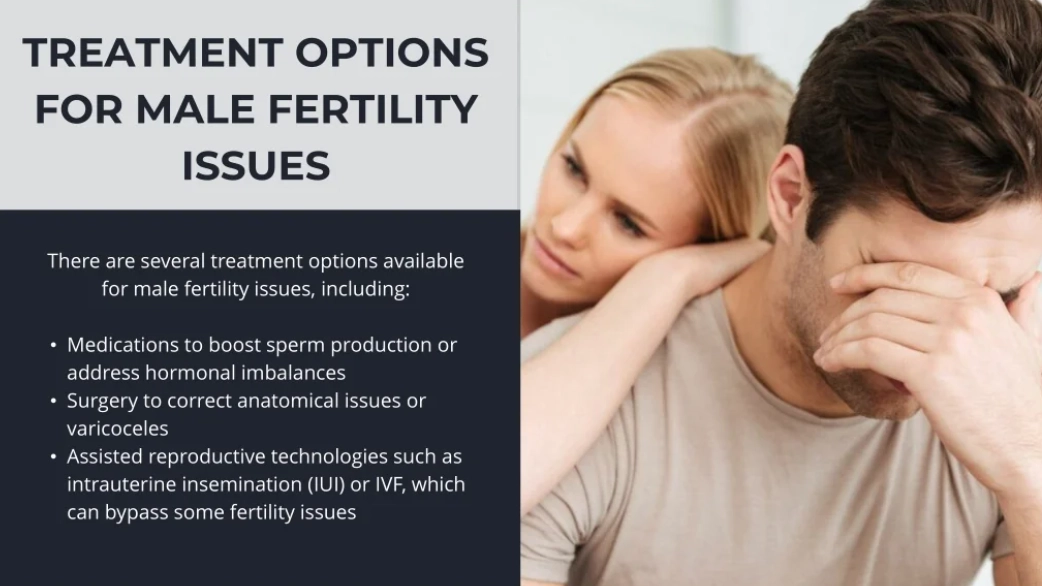
Medical & Physical Factors
Varicocele: This is a swollen vein in the scrotum, like a varicose vein. It's the most common reversible cause of male infertility. It raises the temperature around the testicles, which is terrible for sperm production. Simple surgery can often fix it.
Infections: Past or present infections like chlamydia or prostatitis can scar the reproductive ducts, creating a permanent blockage. Mumps after puberty can sometimes damage the testes.
Hormonal Imbalances: Your brain (the pituitary gland) tells your testes to make sperm and testosterone. If that signal gets weak, production slows or stops. Low testosterone itself is often a symptom, not always the root cause.
Genetic Conditions: Issues like Klinefelter syndrome (an extra X chromosome) directly impact testicular development and function.
Lifestyle & Environmental Factors
This is where you have real power. A study published in the journal Human Reproduction Update found sperm counts in Western men have dropped by over 50% in the last 40 years. Genetics don't change that fast. Environment and lifestyle are the likely culprits.
- Heat: Hot tubs, saunas, tight underwear, and prolonged laptop use on your lap. Sperm need to be cooler than your core body temperature.
- Substance Use: Smoking tobacco or marijuana damages sperm DNA. Heavy alcohol use lowers testosterone and impairs production.
- Obesity: Fat cells convert testosterone into estrogen, throwing your hormonal balance off. It's a direct hit to sperm quality.
- Stress: Chronic stress messes with your hormones (cortisol) and can reduce semen volume and sperm function. It's not "all in your head"; it's in your endocrine system.
- Exposure to Toxins: Pesticides, heavy metals, BPA from plastics, and certain industrial chemicals are known endocrine disruptors.

A Non-Consensus Point: Many guys think if they can get an erection and ejaculate, their fertility is fine. That's a dangerous assumption. Ejaculation and fertility are controlled by different systems. You can have perfectly normal sexual function and produce zero viable sperm. The only way to know is to test.
How is Male Infertility Diagnosed?
The cornerstone is the semen analysis. It's not glamorous, but it's essential. You'll provide a sample, usually by masturbation into a sterile cup at a clinic. The lab will look at:
- Volume: How much semen.
- Count: Total number of sperm. The World Health Organization's latest (2021) lower reference limit is 16 million per milliliter.
- Motility: The percentage of sperm swimming forward. At least 42% should be moving.
- Morphology: The percentage of sperm with a normal shape. At least 4% is considered normal.
One abnormal test isn't a final verdict. Sperm production is a 70-day cycle. Stress, illness, or a hot week can temporarily skew results. Doctors usually want two tests, spaced a few weeks apart.
If the semen analysis is abnormal, the next steps might include:
- Physical Exam: Checking for varicoceles or abnormalities.
- Blood Tests: To check hormone levels (FSH, LH, Testosterone, Prolactin).
- Ultrasound: Of the scrotum to look for varicoceles or blockages.
- Genetic Testing: If sperm count is extremely low or zero.
- Post-Ejaculation Urinalysis: To check for retrograde ejaculation (sperm going into the bladder).
Modern Treatment Options: From Lifestyle to IVF
The right treatment depends entirely on the cause. It's not one-size-fits-all. Here’s a breakdown of the main pathways.
| Treatment Path | Best For | What It Involves | Things to Consider |
|---|---|---|---|
| Lifestyle & Medication | Mild sperm issues, hormonal imbalances, infections. | Quitting smoking, reducing alcohol, managing weight, cooling the scrotum. Antibiotics for infection. Hormone therapy (like Clomid) for low testosterone from pituitary issues. | Requires 3+ months of commitment to see results (a full sperm cycle). Medication for low T from testicular failure (not pituitary) can actually suppress sperm production—a critical nuance many miss. |
| Surgery | Varicoceles, blockages in the ducts (obstructive azoospermia). | Varicocelectomy (tying off the swollen vein). Microsurgical reconstruction to unblock ducts (vasoepididymostomy). | Varicocele repair improves semen parameters in about 60-70% of men and can increase natural and assisted pregnancy rates. Recovery is usually a few days to a week. |
| Assisted Reproductive Technology (ART) | Severe male factor infertility, failed other treatments, genetic issues. | IUI: Washed, concentrated sperm placed directly into the uterus. IVF: Eggs retrieved and fertilized with sperm in a lab. ICSI: A single sperm is injected directly into an egg (used with IVF for very low count/poor motility). |
Cost is a major factor. A single IVF/ICSI cycle in the US can cost $12,000-$20,000+. Success rates per cycle vary by clinic, age of female partner, and sperm quality. ICSI has revolutionized treatment for severe male factor cases. |
| Sperm Retrieval + ART | Obstructive azoospermia (blockage) or non-obstructive azoospermia (production problem). | Procedures like TESE (testicular sperm extraction) to surgically retrieve sperm directly from the testicle, then used with ICSI. | Even in non-obstructive azoospermia (where production is the issue), sperm can often be found in small pockets of the testicle. This is a highly specialized procedure. |
Practical Steps You Can Start Today
Don't wait for a doctor's appointment to feel like you're doing something. These aren't guarantees, but they shift the odds in your favor.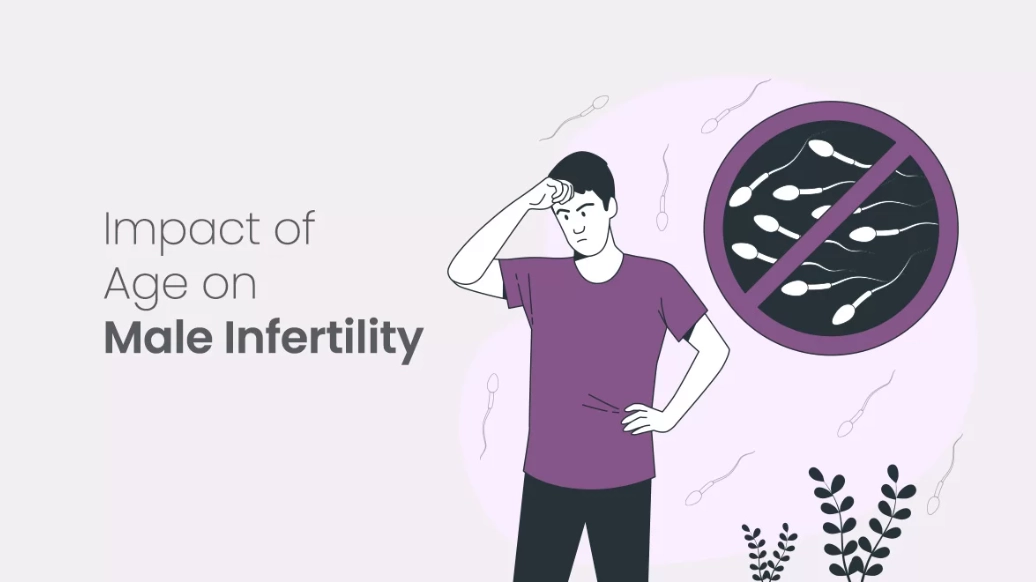
1. The 90-Day Preconception Protocol: Sperm take about 70-90 days to mature. Any change you make today impacts sperm you'll ejaculate in three months.
2. Cool It Down: Switch to loose-fitting boxers. Avoid hot tubs and long, hot baths. Take breaks if you sit for long periods.
3. Rethink Your Diet: It's not about one magic food. Aim for a Mediterranean-style diet: plenty of antioxidants from colorful fruits and veggies, healthy fats from nuts and olive oil, and lean proteins. Zinc (found in oysters, pumpkin seeds) and folate (leafy greens) are particularly important for sperm DNA.
4. Manage Stress Actively: Not just "try to relax." Schedule it. 30 minutes of moderate exercise most days, mindfulness meditation, or even just a daily walk without your phone. It lowers cortisol.
5. Get a Basic Check-Up: Talk to your primary care doctor. They can order initial blood tests (testosterone, etc.) and a physical exam to rule out obvious issues.
Your Questions, Answered
 We're considering IVF with ICSI. Does my sperm quality even matter anymore if they're just picking one sperm to inject?
The journey through male fertility issues can feel overwhelming, but knowledge is your best tool. It transforms a vague worry into a series of specific, addressable questions. Start with the basics: have an open conversation with your partner, see your doctor, and get that first semen analysis. From there, you can build a clear, actionable plan. You're not just a statistic; you're an active participant in finding your path forward.


Leave a comment