Quick Guide
Let's be honest, when you hear "omega-3," you probably think of fish oil capsules your grandpa takes for his heart. Or maybe you've seen it listed on the side of a fancy chia seed pudding. But what does omega-3 do for women, specifically? Is it just another health fad, or is there something here that actually addresses the unique ways our bodies work?
I used to wonder the same thing. I'd see the bottles on the shelf and think, "Do I really need this?" It wasn't until I dug into the research—and talked to a few nutritionists who really know their stuff—that the picture got a lot clearer. And honestly, it's more interesting than I expected.
Omega-3s aren't a magic bullet. Nothing is. But they play a role in so many systems that matter to us throughout our lives. We're talking about everything from managing those monthly mood swings to keeping your skin from feeling like the Sahara Desert, and even supporting your body through big life changes like pregnancy and menopause.
The Core Answer: At its heart, what omega-3 does for women is provide the raw materials your body desperately needs to fight inflammation, build healthy cells (especially in your brain and eyes), and help regulate hormones. Since inflammation and hormonal fluctuations are behind so many female-specific health challenges, that's a pretty big deal.
First Things First: What Are Omega-3s, Really?
Before we get to the good stuff, let's clear up the jargon. Omega-3 fatty acids are a type of polyunsaturated fat. "Essential" means your body can't make them on its own—you have to get them from food or supplements.
The three main types you need to know are:
- ALA (Alpha-linolenic acid): Found in plants like flaxseeds, chia seeds, and walnuts. Your body has to convert it into EPA or DHA to use it for most of the benefits we'll talk about, and this conversion process is notoriously inefficient, especially for women (some studies suggest only about 5-10% gets converted).
- EPA (Eicosapentaenoic acid): The powerhouse for tackling inflammation and supporting mood. You get this primarily from fatty fish and algae.
- DHA (Docosahexaenoic acid): The major structural fat for your brain and retinas. Crucial for pregnancy and infant brain development. Also from fish and algae.
When people talk about the big benefits, they're usually referring to EPA and DHA. ALA is great, but it's not the direct ticket. This is a key point a lot of articles gloss over, especially for vegetarians.
So, What Does Omega-3 Do for Women? The 7 Key Benefits
This is where we get into the meat of it. The science on omega-3s is extensive, but let's focus on the areas that have the most direct impact on women's health across different life stages.
1. It Can Be a Game-Changer for Hormonal Balance and PMS
If you've ever felt like a different person in the two weeks before your period, you're not imagining it. The hormonal shifts can trigger inflammation and affect neurotransmitter function, leading to cramps, bloating, irritability, and anxiety.
Here's where EPA, the anti-inflammatory omega-3, steps in. Studies have shown that women who consume more omega-3s tend to have milder PMS symptoms. One theory is that EPA helps balance the prostaglandins—hormone-like substances that can cause severe uterine cramping. It's not a cure-all, but for many, it takes the edge off. I've spoken to women who say it made their cycles more manageable, reducing both physical discomfort and the emotional rollercoaster.
2. Your Brain on Omega-3s: Mood and Mental Clarity
Our brains are nearly 60% fat, and DHA is a superstar component of that. Having adequate DHA levels is linked to maintaining cognitive function as we age. But the mood connection is particularly relevant.
Research, including meta-analyses reviewed by institutions like the National Institutes of Health (NIH), has explored the link between omega-3 intake and a lower risk of depression. The connection seems stronger for EPA. For women, who experience depression at higher rates than men, this is significant. It's not about replacing therapy or medication when needed, but about ensuring your brain has the basic building blocks it needs for resilience.
Ever have that "brain fog"? While many things can cause it, some people find that consistent omega-3 supplementation helps with mental sharpness. It makes sense if you think of your brain cells needing quality fat to communicate effectively.
3. Skin, Hair, and Nails: The Beauty from Within Factor
This is a benefit you can sometimes see and feel. Omega-3s help manage inflammation throughout the body, and that includes skin inflammation like redness, psoriasis, or acne. They also support the skin's barrier function, helping it retain moisture. Dry, flaky skin can sometimes be a sign you're not getting enough of these good fats.
By promoting hydration and calming inflammation, omega-3s can contribute to a more supple, glowing complexion. The same goes for hair and nails—they're built from cells that benefit from healthy fats. I don't want to overpromise here; it's not an instant glamour pill. But as part of a solid nutrition plan, it supports the foundation of healthy skin.
4. Heart Health: It's Not Just a Man's Concern
Heart disease is the leading cause of death for women, yet it's often overlooked in discussions about female health. Omega-3s, particularly EPA and DHA, are famous for their cardiovascular benefits. The American Heart Association (AHA) recommends eating fatty fish at least twice a week for this reason.
What does omega-3 do for a woman's heart? It helps lower triglycerides (a type of fat in the blood), can modestly reduce blood pressure, helps prevent blood clots by making platelets less "sticky," and fights the chronic inflammation that damages arteries. After menopause, when a woman's heart disease risk catches up to a man's, this protective effect becomes even more critical.
5. Pregnancy and Early Development: Building a Healthy Baby
This is arguably one of the most important roles for DHA. During pregnancy and breastfeeding, a woman's DHA is directly shuttled to the developing baby. It's a critical component for building the fetal brain, nervous system, and eyes.
Higher maternal intake of DHA is associated with better cognitive and visual outcomes for children. It also supports the mother's health, potentially reducing the risk of preterm birth and postpartum depression. Organizations like the American College of Obstetricians and Gynecologists (ACOG) emphasize the importance of DHA during this time. If you're pregnant or planning to be, this is one nutrient you absolutely want on your radar.
6. Navigating Menopause with More Ease
Menopause brings a drop in estrogen, which can increase the risk of heart disease, bone loss, and cognitive changes. Omega-3s offer support on multiple fronts here. Their anti-inflammatory action can help with menopausal joint pain. The potential benefits for bone density (by supporting calcium absorption and reducing bone-turnover inflammation) are promising. And, as mentioned, the brain and heart support is vital during this transition.
Some women also report that omega-3s help with menopausal mood swings and "hot flash" intensity, though the research here is still evolving. It's more about creating a stable, healthy internal environment to weather the change.
7. Supporting a Healthy Inflammatory Response Overall
This one underlies almost all the others. Chronic, low-grade inflammation is a root cause of many modern diseases, from arthritis to metabolic syndrome. The standard Western diet is often very high in omega-6 fats (from processed vegetable oils) and low in omega-3s. This imbalance pushes the body toward a more inflammatory state.
By boosting your omega-3 intake, you help restore balance. You're giving your body the tools it needs to resolve inflammation naturally, rather than letting it simmer. For women dealing with autoimmune conditions, arthritis, or just general aches and pains, this systemic effect can be profoundly helpful.
How to Get Omega-3s: Food First, But Supplements Have a Place
Ideally, we'd get everything we need from food. Here’s a breakdown of the best sources, because not all are created equal.
| Source | Type of Omega-3 | Approximate Amount (per serving) | Notes for Women |
|---|---|---|---|
| Salmon (wild-caught) | EPA & DHA | 1,500-2,000 mg per 3 oz | Top-tier source. Also rich in Vitamin D. |
| Sardines | EPA & DHA | 1,000-1,500 mg per can | Great sustainable choice. Eat the bones for calcium! |
| Mackerel | EPA & DHA | 2,000+ mg per 3 oz | Very high in omega-3s, but some types are high in mercury. |
| Algal Oil | EPA & DHA | Varies by supplement (300-600 mg) | The go-to vegan source of direct DHA/EPA. Derived from algae. |
| Flaxseeds (ground) | ALA | 2,300 mg per tbsp | Must be ground to absorb. Remember the conversion limit. |
| Chia Seeds | ALA | 5,000 mg per oz | High in ALA and fiber. Good for overall health. |
| Walnuts | ALA | 2,500 mg per oz | A handy snack with ALA and other nutrients. |
| High-Quality Fish Oil | EPA & DHA | Varies widely | Look for third-party tested (IFOS, USP) for purity. |
The general recommendation for adults is at least 250-500 mg of combined EPA and DHA daily for general health. For therapeutic benefits (like managing high triglycerides), doctors may recommend 2,000-4,000 mg under supervision. During pregnancy and breastfeeding, aim for at least 200-300 mg of DHA on top of that.
My personal take? Start with food. Try to get two servings of fatty fish per week. If you hate fish, are vegan, or just know you won't consistently hit that target, a supplement is a smart insurance policy. I switched to a third-party tested algal oil a few years ago and stick with it because my diet is erratic.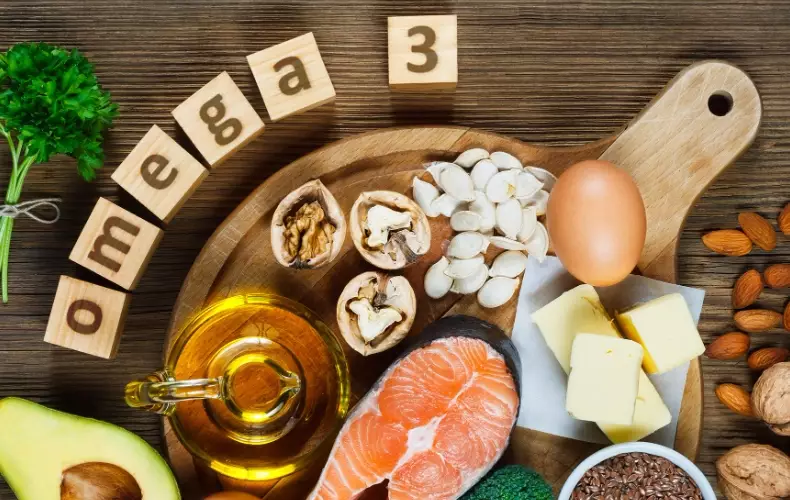
Your Omega-3 Questions, Answered
Putting It All Together: A Simple Action Plan
Feeling overwhelmed? Don't be. Figuring out what omega-3 does for women is the first step. The next step is simple.
- Audit your diet. How often do you eat fatty fish, flax, chia, or walnuts? Be honest.
- Pick one food to add. Maybe it's adding ground flax to your morning oatmeal or buying a pack of frozen salmon fillets to have once a week.
- Consider a supplement if the gap is big. If you never eat fish, are pregnant, or have specific health concerns (like very dry skin or mood issues), a supplement makes sense. Choose a reputable brand.
- Be patient. Building up your body's stores of these fats takes time. Don't expect to feel different in a week. Give it a consistent 2-3 months to assess.
At the end of the day, understanding what omega-3 does for women isn't about adding another chore to your health to-do list. It's about recognizing that this is a fundamental nutrient, like protein or iron, that your body uses every single day to keep everything running smoothly. It supports you through the stresses, the hormonal shifts, and the aging process.
It's not glamorous. It won't fix everything. But making sure you get enough might just be one of the simplest, most foundational things you can do for your long-term health. And honestly, after seeing the research, I think it's worth the effort.



Leave a comment