Quick Navigation
- What Does "Healthy Eating" Even Mean Anymore?
- Your Kitchen Arsenal: Tools That Actually Matter
- The Magic Key: Planning Your Healthy Meals (Without the Stress)
- Simple Techniques That Make Healthy Food Taste Amazing
- Putting It All Together: Recipe Ideas for Different Needs
- Your Questions, Answered (The Stuff You Actually Google)
Let's be honest. The idea of cooking healthy meals can feel overwhelming. You see those picture-perfect bowls on social media, packed with ingredients you can't even pronounce, and think, "Yeah, that's not happening in my kitchen after a long day." I get it. I used to stare into my fridge and see a collection of unrelated items that refused to become a dinner. My early attempts at healthy cooking often resulted in bland steamed broccoli and dry chicken breast. It was... sad.
But here's the secret I learned: cooking healthy food isn't about perfection or obscure superfoods. It's about a handful of simple principles, some basic tools, and a shift in mindset. It's about making food that makes you feel good, without spending hours chained to the stove.
This guide is the one I wish I had when I started. We're going to strip away the nonsense and talk about the real, practical steps to making healthy meals a normal, even enjoyable, part of your life. No chef skills required.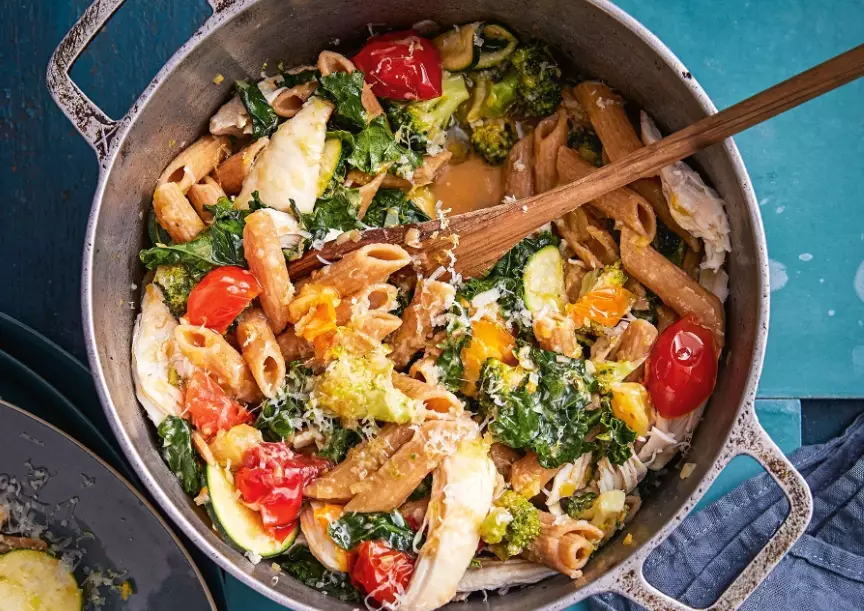
What Does "Healthy Eating" Even Mean Anymore?
Before we fire up the stove, let's clear the air. The term "healthy" is tossed around so much it's almost lost meaning. Is it keto? Vegan? Low-carb? The truth is, a sustainable approach to cooking healthy meals isn't about extreme diets. It's about patterns.
The Non-Negotiable Basics
Think of your plate. A solid foundation for most of your meals should include:
- Plants, and lots of them: Vegetables and fruits are your VIPs. They're packed with vitamins, minerals, and fiber that keep everything running smoothly. Aim for variety and color – it's not just pretty, it means a wider range of nutrients.
- Quality Protein: This keeps you full and helps repair your body. It's not just meat. Think beans, lentils, tofu, eggs, fish, and plain Greek yogurt.
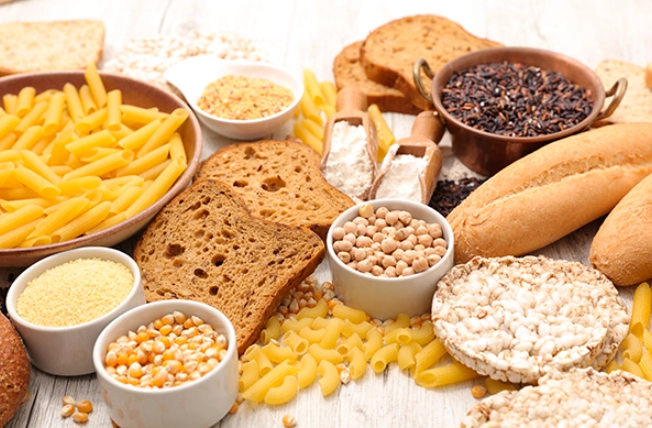
- Smart Carbohydrates: Carbs are not the enemy. The right ones fuel your brain and body. Choose whole grains like brown rice, quinoa, oats, and whole-wheat pasta over their refined, white counterparts.
- Healthy Fats: Your brain and hormones love fat. Get them from sources like avocados, nuts, seeds, and olive oil.
For a great visual guide on building a balanced plate, check out the USDA's MyPlate resource. It's a government-backed, no-nonsense tool that cuts through diet fads.
See? Not a single mention of "detox" or "alkalizing." Just real food.
Reading Labels Without Needing a Science Degree
One of the most powerful skills for cooking healthy meals starts in the grocery aisle. You don't need to memorize everything.
Focus on two things: the ingredient list and the sodium/sugar content. The ingredient list is in descending order by weight. If sugar (or its 50+ aliases like corn syrup, fructose, cane juice) is in the first three ingredients, maybe reconsider. For sodium, a good rule of thumb is that 20% DV or more per serving is high.
Honestly, the best strategy? Shop the perimeter of the store where the whole, unprocessed foods live most of the time.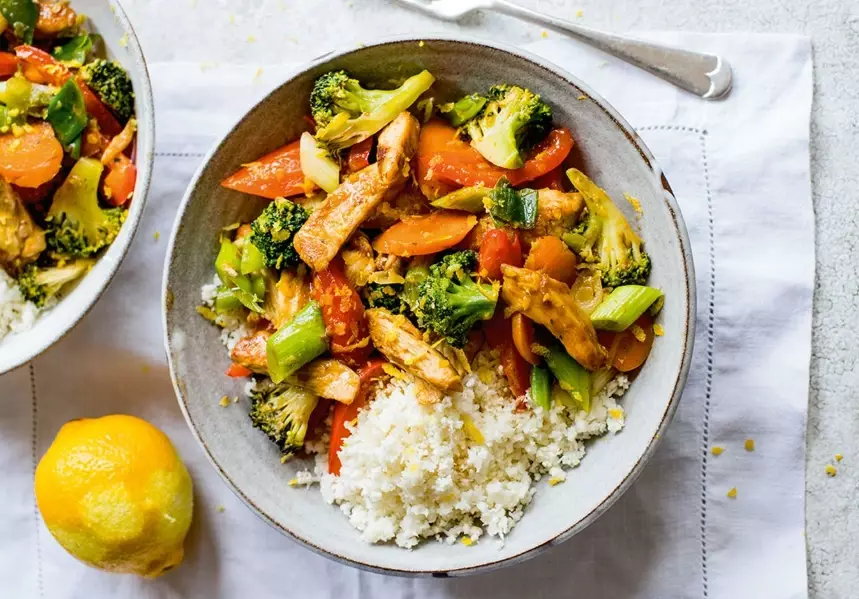
Your Kitchen Arsenal: Tools That Actually Matter
You don't need a TV chef's kitchen. I cooked in a tiny apartment with about three square feet of counter space for years. These are the tools that earn their keep.
The Absolute Essentials
- A Good Chef's Knife (8-inch): This is your #1 investment. A sharp knife is safer and makes prep work a joy, not a chore. You don't need a $200 one, just a decent brand that you keep sharp.
- Two Cutting Boards: One for produce, one for raw meat/poultry to avoid cross-contamination. Simple.
- Large Skillet (oven-safe if possible): A 10 or 12-inch skillet is your workhorse for sautéing, searing, and making one-pan meals.
- Sheet Pan: Roasting is the lazy genius method for cooking healthy meals. Toss veggies and protein with oil and spices, throw them on a pan, and let the oven do the work. It creates incredible flavor with minimal effort.
- Medium Saucepan with Lid: For cooking grains, boiling eggs, making simple sauces.
- Mixing Bowls in Various Sizes: For prepping, marinating, tossing salads.
The "Nice-to-Have" Game Changers
Once you've got the basics, these can seriously up your efficiency:
- Immersion Blender: Cheaper and easier to clean than a stand blender. Perfect for making smooth soups, sauces, and even smoothies right in the pot.
- Food Processor: A time-saver for chopping lots of veggies, making pesto, hummus, or energy balls.
- Instant-Read Thermometer: Takes the guesswork out of cooking chicken, pork, or fish. No more dry, overcooked protein. Food safety is a key part of healthy cooking, and this tool ensures it. The FoodSafety.gov website is an authoritative source for safe internal temperatures.
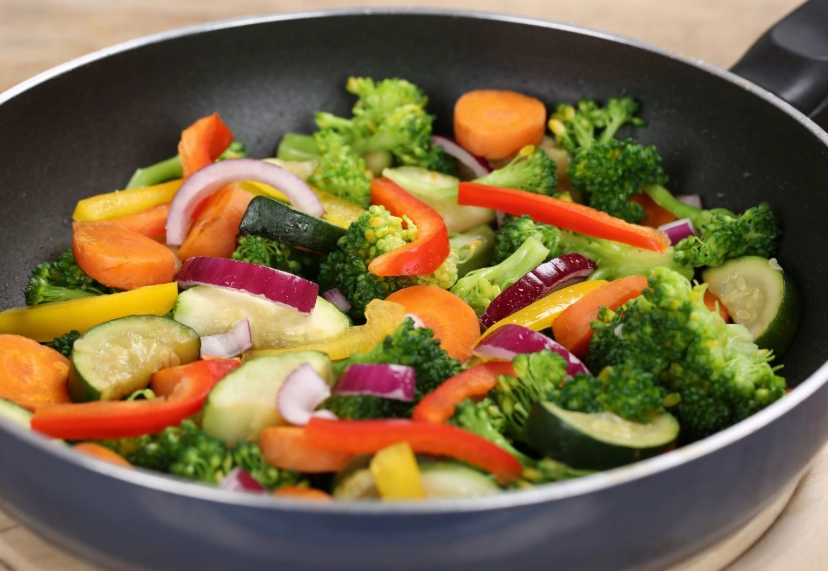
My personal favorite? A microplane grater. It turns a clove of garlic into a paste that melts into sauces, zests citrus perfectly, and makes grating ginger or hard cheese effortless. A $15 tool that feels like a magic wand.
The Magic Key: Planning Your Healthy Meals (Without the Stress)
This is where most people give up. They think meal planning means mapping out every breakfast, lunch, and dinner for the month with military precision. That sounds awful.
Let's try a different way.
I call it "Thematic Planning." Instead of deciding on Monday you'll have "Thai curry with jasmine rice," you assign themes to nights of the week. It creates a framework but leaves room for flexibility.
| Weeknight | Theme | Example Ideas | Why It Works |
|---|---|---|---|
| Monday | Meatless Monday | Lentil soup, Veggie & black bean tacos, Chickpea curry | Eases you into the week with a lighter, plant-focused meal. |
| Tuesday | Taco Tuesday (or Bowl Night) | Fish tacos, Buddha bowls, Taco salads | Customizable, easy to prep components for. |
| Wednesday | Sheet Pan Night | Salmon & asparagus, Sausage & peppers, Chicken & root veggies | Minimal active cooking, easy cleanup. |
| Thursday | Stir-Fry or Pasta Night | Chicken & broccoli stir-fry, Shrimp scampi, Whole-wheat pasta with veggie sauce | Quick, uses up leftover veggies. |
| Friday | Leftovers or "Fend for Yourself" | Clear the fridge! Make pizzas, breakfast for dinner. | No-cook stress before the weekend. |
See how that feels less rigid? You shop for the themes, not for 15 specific recipes. You're always just asking, "What fits my theme tonight?"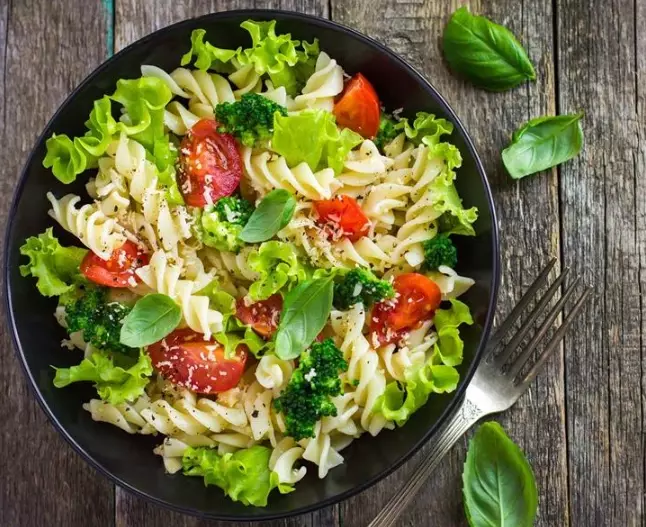
The Power of the "Prep Session"
I'm not talking about spending all Sunday in the kitchen. Just 60-90 minutes can set you up for success. Don't cook full meals—just prep components.
Wash and chop your most-used veggies (onions, bell peppers, carrots, broccoli). Cook a big batch of a versatile grain like quinoa or brown rice. Roast a tray of mixed vegetables. Hard-boil a few eggs. Portion out snacks like nuts or cut-up fruit. Having these building blocks ready means throwing together a healthy meal on a busy weeknight can take 15 minutes, not an hour.
Simple Techniques That Make Healthy Food Taste Amazing
Healthy food gets a bad rap for being bland. That's a technique problem, not a food problem. Master these three methods, and you'll never look at a vegetable the same way again.
1. Roasting
This is the king of cooking methods for home cooks. High heat (400-425°F) caramelizes the natural sugars in vegetables, creating deep, sweet, nutty flavors. Brussels sprouts, cauliflower, broccoli, sweet potatoes—they all transform in the oven. Just toss with a little oil, salt, and pepper. Maybe some garlic powder or smoked paprika. That's it.
2. Sautéing & The Flavor Foundation
This is how you start 80% of good dishes. Heat oil in your pan, add chopped onions, and cook until they soften and become fragrant. That's your base. From there, you can add garlic, ginger, other veggies, protein, and liquid. This simple step builds layers of flavor from the ground up.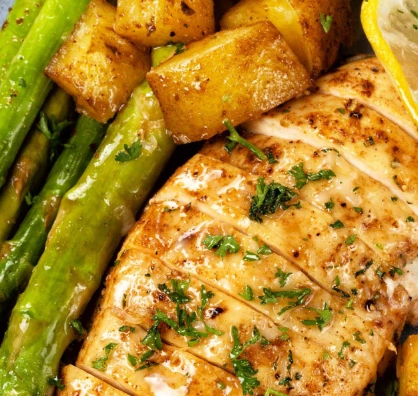
3. Building a Sauce from Pan Drippings
After you've cooked a piece of chicken or fish, don't just serve it dry. There's flavor stuck to the pan! Remove the protein, add a splash of broth, wine, or even just water to the hot pan. Scrape up those browned bits (the "fond") with a wooden spoon. Let it simmer for a minute, maybe stir in a spoonful of mustard or a squeeze of lemon. In 60 seconds, you have a delicious, light pan sauce that elevates the whole dish.
A common mistake I see? Overcrowding the pan. If you pile vegetables or meat into a cold, crowded skillet, they'll steam and become soggy instead of browning. Cook in batches if you have to. That golden-brown color equals flavor.
Putting It All Together: Recipe Ideas for Different Needs
Let's move from theory to practice. Here are some starting points based on what you might need right now.
When You Have 20 Minutes Flat
- Speedy Shrimp & Spinach Sauté: Sauté shrimp with garlic and red pepper flakes. Toss in a few handfuls of fresh spinach until wilted. Squeeze lemon over it. Serve with pre-cooked (from your prep session!) brown rice or quinoa.
- Black Bean & Avocado Quesadilla: Mash black beans with a little cumin and chili powder. Spread on a whole-wheat tortilla, add sliced avocado and a sprinkle of cheese. Cook in a dry skillet until crispy. Serve with salsa.
When You're Cooking for One or Two
Scaling recipes down can be annoying. My solution? Cook for four and embrace the leftovers. That roasted chicken and veggie tray on Wednesday becomes a fantastic salad for Thursday's lunch. Or, focus on "one-and-done" meals like soups, stews, and casseroles that taste even better the next day.
When You Want to Eat for Gut Health
This is a huge, growing focus in nutrition. Cooking healthy meals that support your gut often means incorporating fermented foods and plenty of fiber.
- Add a spoonful of sauerkraut or kimchi as a topping to bowls or eggs.
- Use plain kefir or yogurt as a base for smoothies or dressings.
- Make beans, lentils, oats, and asparagus regular players in your diet—they're prebiotic powerhouses that feed your good gut bacteria.
For reliable, science-backed information on nutrition and health, organizations like the Harvard T.H. Chan School of Public Health Nutrition Source are invaluable. They translate complex research into practical advice.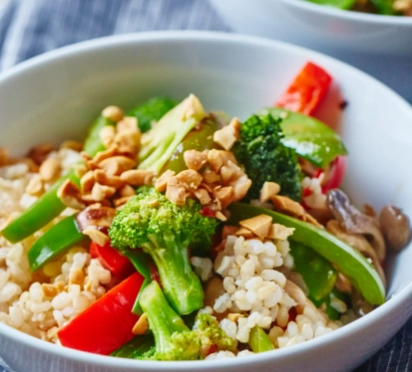
Your Questions, Answered (The Stuff You Actually Google)
Is cooking at home really healthier than eating out?
Almost always, yes. You control the quality and quantity of ingredients—especially the amount of oil, salt, and sugar. Restaurant food, even from "healthy" places, is often designed for taste first, which usually means more fat, salt, and calories than you'd use at home.
How can I cook healthy on a tight budget?
This is a real concern. Focus on inexpensive staples: dried beans and lentils, eggs, canned tuna (in water), frozen vegetables (just as nutritious as fresh, often cheaper), whole chickens (learn to break them down or roast whole), and seasonal produce. Buying in bulk for pantry items like oats, rice, and spices can also save money in the long run.
My family is picky. How do I get them on board?
Don't overhaul everything overnight. Start by adding, not subtracting. Add a side of roasted carrots to your usual pasta night. Blend cauliflower into mashed potatoes. Let them build their own bowls or tacos so they feel in control. Often, the resistance is to the *idea* of change, not the actual food.
I get bored easily. How do I keep it interesting?
Change up your spices and cuisines. One week, focus on Mexican flavors (cumin, chili powder, cilantro). The next, try Mediterranean (oregano, lemon, garlic, olive oil). The week after, explore simple Asian-inspired dishes (ginger, soy sauce, sesame oil). The same chicken and broccoli can taste completely different.
A final thought from my own kitchen: The biggest barrier to cooking healthy meals isn't skill or time—it's the pressure we put on ourselves to do it "right." Give yourself permission to make simple food. A can of good-quality tuna mixed with mayo, chopped celery, and lemon juice on whole-grain crackers is a healthy meal. Scrambled eggs with spinach and cheese is a healthy meal.
It doesn't have to be complicated. Start with one new technique this week. Maybe it's roasting a vegetable you usually steam. Or trying that thematic planning idea. Small, consistent steps build the habit. Before you know it, you'll open your fridge and not see a problem—you'll see possibilities. And that's when cooking stops being a chore and starts feeling like something you do just for you.




Leave a comment