Your Quick Guide
- Why a Vegetarian Diet for Women is a Unique Conversation
- The Nutritional Foundation: Building Blocks You Can't Ignore
- The Real-World Benefits: What Can a Vegetarian Diet Do for You?
- How to Start a Vegetarian Diet (Without Losing Your Mind)
- Answering Your Top Questions (The FAQ You Actually Need)
- Making It Stick: The Long-Term Mindset
So you're thinking about trying a vegetarian diet. Maybe a friend raved about it, or you saw a documentary that got you thinking. For women, this decision often comes with a specific set of questions that can feel overwhelming. I remember when I first considered cutting out meat – my head was spinning with worries. "Will I get enough iron?" "What about protein for my workouts?" "Is this going to mess with my energy levels?"
Let's cut through the noise. A vegetarian diet for women isn't about deprivation or following a strict set of impossible rules. It's about making thoughtful, informed choices that support your unique body and its needs across different life stages. The benefits can be incredible, from feeling more energetic to supporting long-term health, but you've got to do it right. This guide is the conversation I wish I'd had when I started.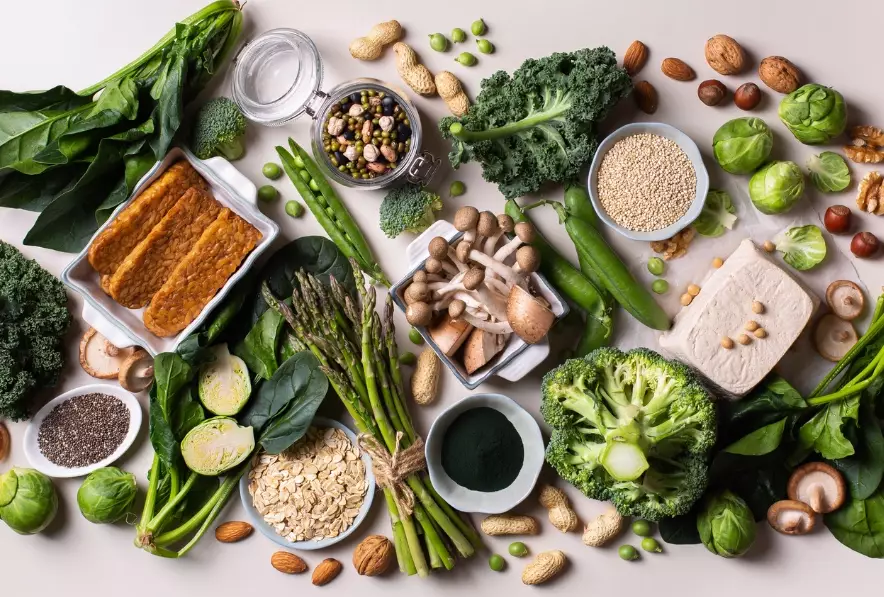
Why a Vegetarian Diet for Women is a Unique Conversation
Look, men and women have different nutritional needs. It's biology. A woman's body goes through cycles, hormonal shifts, and specific life phases like pregnancy and menopause that directly impact what it needs from food. A generic vegetarian guide just doesn't cut it. We need to talk about iron to combat the monthly losses. We need to prioritize calcium and vitamin D for bone strength, especially as we age. And we absolutely must address the "where do you get your protein?" question with practical, everyday solutions.
Getting a vegetarian diet right as a woman means building a plate that's not just free of meat, but full of the right stuff. It's about strategic eating.
The Nutritional Foundation: Building Blocks You Can't Ignore
This is the core of it all. Skip this part, and you're setting yourself up for fatigue, cravings, and potential deficiencies. Let's break down the key players.
Protein: Beyond the Tofu Stereotype
Yes, you need it. No, it's not hard to get. The trick is variety and combination. Your body needs a range of amino acids (protein's building blocks). While animal proteins are "complete," plant proteins often lack one or two. The solution? Eat a variety of sources throughout the day. Your body is smart – it pools these amino acids.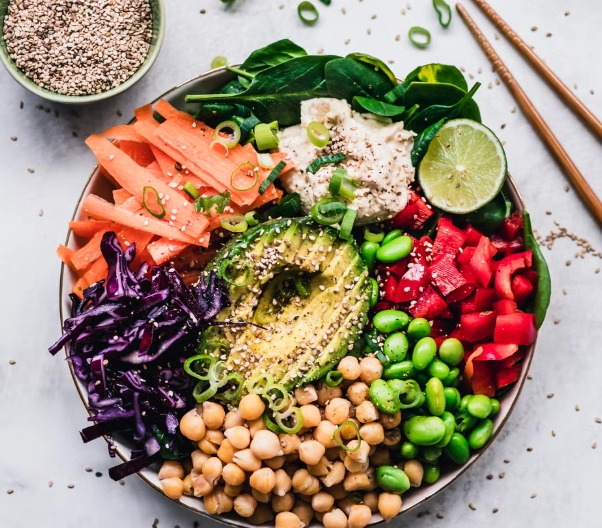
Top Plant-Based Protein Champions for Women:
- Lentils & Beans: A powerhouse duo. One cup of cooked lentils gives you about 18 grams of protein and a huge dose of iron and fiber. Chickpeas, black beans, kidney beans – mix them into soups, salads, and bowls.
- Tofu, Tempeh & Edamame: The soy family. Don't let the myths scare you. Tempeh is my personal favorite – it's fermented, has a nutty taste, and packs about 15-20 grams of protein per 3-ounce serving. It's also a great source of calcium.
- Quinoa: The only grain that's a complete protein. About 8 grams per cooked cup. Use it as a rice substitute or in salads.
- Nuts, Seeds & Their Butters: Almonds, peanuts, chia seeds, hemp seeds. Two tablespoons of hemp seeds have 10 grams of protein and are rich in omega-3s. A great sprinkle-for-power ingredient.
- Greek Yogurt & Eggs: If you're lacto-ovo vegetarian, these are fantastic, convenient sources. Greek yogurt can have up to 20 grams of protein per serving.
Iron: The Energy Mineral
This is a big one. Women of childbearing age need almost twice as much iron as men due to menstrual losses. Plant-based iron (non-heme iron) isn't absorbed as easily as the iron from meat. But you can hack the system.
Excellent plant-based iron sources include lentils, spinach, chickpeas, tofu, pumpkin seeds, and fortified cereals. So, have a lentil soup with a squeeze of lemon (the lemon is your Vitamin C!), or a spinach salad with bell peppers and tomatoes.
Calcium & Vitamin D: The Bone Health Alliance
Women are at a higher risk for osteoporosis. Calcium builds bone, and Vitamin D is the key that lets your body use it. Without Vitamin D, all the calcium in the world won't help much.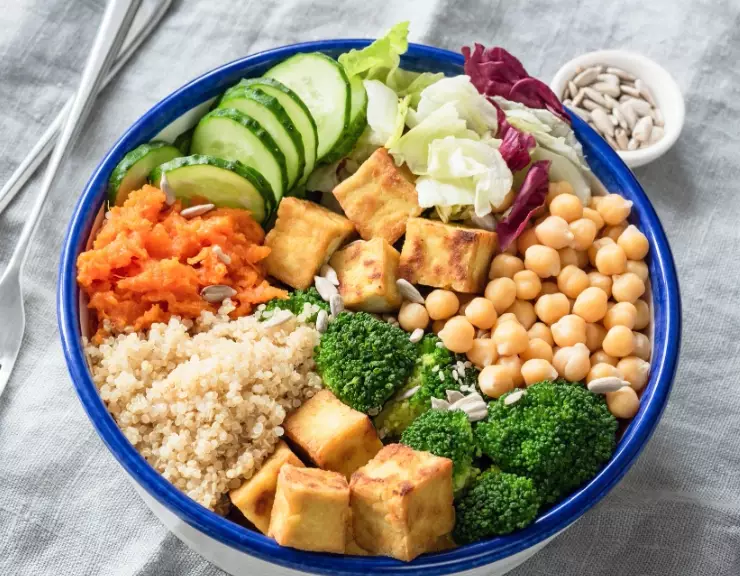
Dairy is an obvious source if you consume it. For plant-based options, look to:
- Fortified plant milks (almond, soy, oat) – always shake the carton!
- Tofu made with calcium sulfate (check the label).
- Tahini (sesame seed paste).
- Kale and bok choy (these greens have more bioavailable calcium than spinach).
- Figs and almonds.
For Vitamin D, sunlight is the best source, but depending on where you live, that's not always reliable. Many plant milks and some mushrooms are fortified with Vitamin D. The National Institutes of Health Office of Dietary Supplements provides detailed information on Vitamin D requirements and sources, which is a great resource to check your specific needs. A supplement is often recommended, especially in winter months – it's worth discussing with a doctor.
Vitamin B12: The Non-Negotiable Supplement
This is the one nutrient you cannot get reliably from an unfortified plant-based diet. B12 is crucial for nerve function and making red blood cells. A deficiency can cause serious fatigue and neurological issues.
You can get it from fortified nutritional yeast (a delicious cheesy sprinkle), fortified plant milks, and some fortified cereals. But honestly? Taking a B12 supplement is the simplest, most foolproof way to ensure you're covered. Don't skip this. The Academy of Nutrition and Dietetics, the world's largest organization of food and nutrition professionals, explicitly states that B12 supplementation is essential for vegetarians and vegans.
Omega-3 Fatty Acids: For Brain & Heart
These are the good fats. While fish is famous for them, plants offer ALA (alpha-linolenic acid), which your body can convert to the active forms (EPA and DHA), albeit inefficiently. To boost your levels:
- Flaxseeds (ground is best) – add a tablespoon to your oatmeal or smoothie.
- Chia seeds.
- Hemp seeds.
- Walnuts.
For a more direct source, consider an algae-based Omega-3 supplement, which provides EPA and DHA directly, bypassing the conversion issue.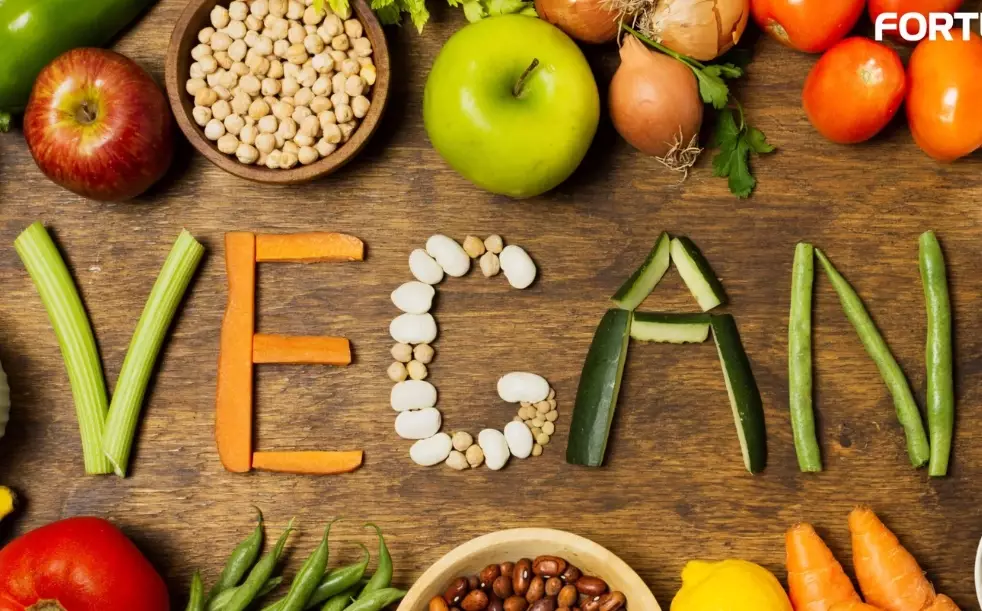
The Real-World Benefits: What Can a Vegetarian Diet Do for You?
Beyond just "being healthy," a well-planned vegetarian diet for women can target some very specific concerns.
Heart Health
Plant-based diets are naturally lower in saturated fat and cholesterol and higher in fiber and antioxidants. Studies consistently show they can help lower blood pressure and bad cholesterol (LDL). The American Heart Association acknowledges that appropriately planned vegetarian diets can be heart-healthy.
Weight Management & Metabolism
It's not a magic bullet, but the high fiber content of whole plant foods keeps you fuller for longer, naturally helping with portion control. You're also likely eating more nutrient-dense, lower-calorie foods.
Digestive Health
All that fiber from fruits, vegetables, legumes, and whole grains is a feast for your gut microbiome. A happy gut means better digestion, a stronger immune system, and even potential mood benefits.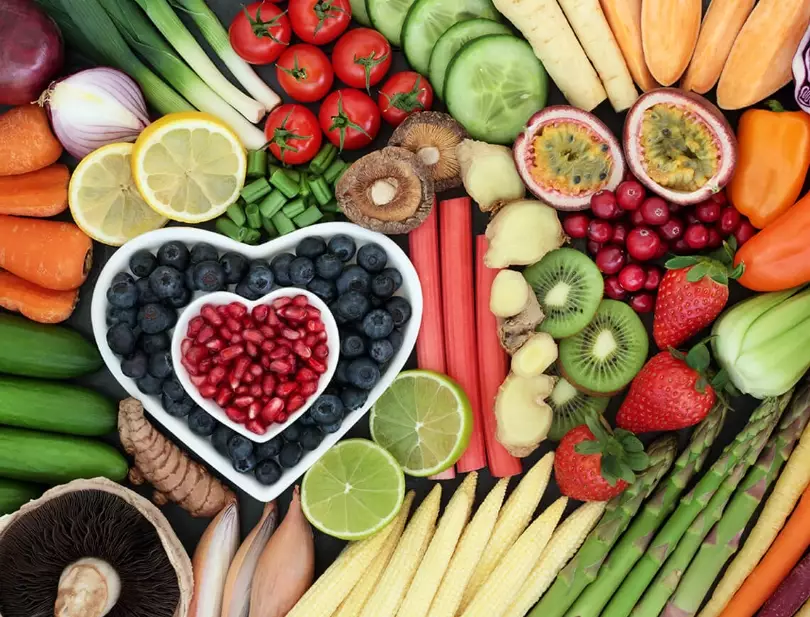
Hormonal Balance
This is a nuanced area. Some women find that reducing dairy and eating more phytoestrogen-rich foods (like soy) can help ease PMS symptoms and promote hormonal equilibrium. The science is evolving, but anecdotally, many women report positive changes. The National Center for Complementary and Integrative Health provides a balanced, research-based overview of soy and its effects, which is helpful for making your own informed choice.
How to Start a Vegetarian Diet (Without Losing Your Mind)
Going cold turkey (pun intended) can lead to burnout. A gradual transition is often more sustainable.
- Meatless Mondays: Start with one dedicated day a week. Explore new recipes without pressure.
- The "One Meal at a Time" Approach: First, master a fantastic vegetarian breakfast. Then, tackle lunch. Dinner is usually the hardest, so save it for last.
- Become a "Reducetarian" First: Simply cut down your meat portions and fill the extra space on your plate with veggies and legumes. No label needed.
Planning is everything. When you're hungry and have nothing prepared, that's when old habits creep back. Spend an hour on the weekend planning a few meals and doing some prep—cook a big pot of quinoa, wash and chop veggies, make a batch of lentil soup.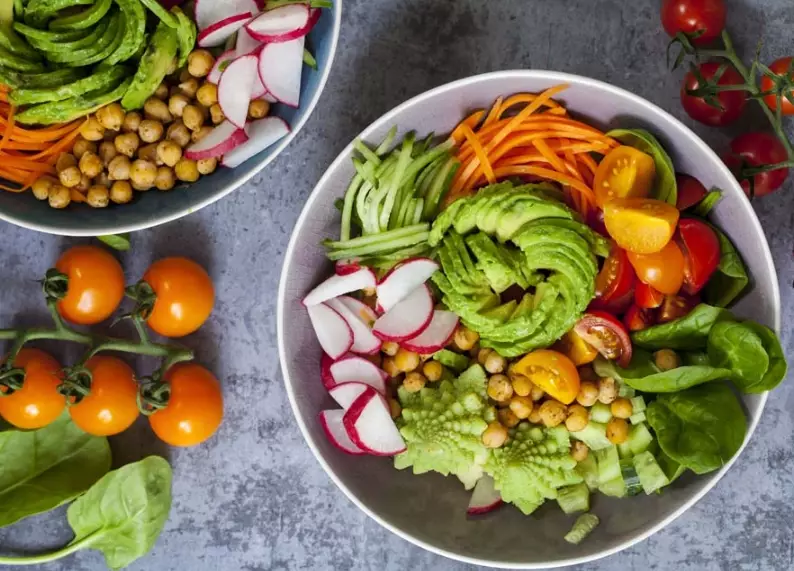
A Simple Sample Day of Eating
| Meal | Ideas | Key Nutrients Covered |
|---|---|---|
| Breakfast | Overnight oats made with soy milk, chia seeds, berries, and a spoonful of almond butter. | Protein, Fiber, Omega-3s, Calcium |
| Lunch | Large salad with mixed greens, chickpeas, quinoa, avocado, sunflower seeds, and a lemon-tahini dressing. | Iron (with Vit C from lemon), Protein, Healthy Fats |
| Snack | Apple slices with peanut butter, or a small handful of trail mix. | Protein, Healthy Fats |
| Dinner | Vegetable and tofu stir-fry with broccoli, bell peppers, and snap peas in a ginger-garlic sauce, served over brown rice. | Complete Protein, Iron, Calcium, Vitamins |
Answering Your Top Questions (The FAQ You Actually Need)
Let's get straight to the common worries.
Making It Stick: The Long-Term Mindset
A vegetarian diet for women isn't a short-term fix. It's a lifestyle. To make it sustainable, you have to enjoy it.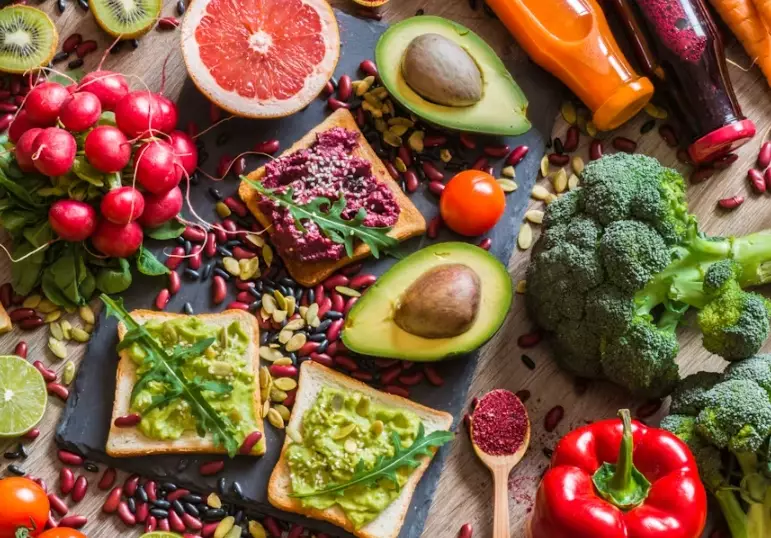
Experiment with global cuisines that are naturally plant-forward – Indian dal, Mexican bean burritos, Mediterranean lentil soups, Thai curries with tofu. The flavors are incredible and will keep you from getting bored.
Listen to your body. Some days you might need more food. Some days you might crave something specific. That's okay. It's a dialogue, not a dictatorship.
Finally, consider getting a basic check-up with your doctor and maybe a session with a registered dietitian. Having professional guidance tailored to your health history is the ultimate hack for confidence and success on a vegetarian diet for women.
The bottom line? A vegetarian diet can be an incredibly powerful and positive choice for a woman's health at any age. It asks for a bit more attention to detail, but the payoff in how you feel, both today and in the decades to come, can be profoundly worth it. Start where you are, use this guide as your map, and just begin.

Leave a comment