Quick Navigation
- Why Go Gluten-Free? It's Not Just a Trend
- Gluten 101: Where It Hides and How to Spot It
- Your Kitchen Makeover: Setting Up for Gluten-Free Success
- Building Your Gluten-Free Meal Plan: From Breakfast to Dinner
- Navigating the Outside World: Restaurants and Social Stuff
- Answering Your Biggest Gluten-Free Questions
- A Final Word of Encouragement
Let's be honest, the phrase "gluten-free meals" used to make me think of dry, crumbly bread and salads that left you hungry an hour later. I remember staring at a menu a few years back, feeling that familiar pang of anxiety. Was there anything I could actually eat? It felt like a minefield. But here's the thing I've learned since then—it doesn't have to be that way. Going gluten-free, whether it's for medical reasons like celiac disease, a sensitivity, or just a personal choice, can open up a world of delicious, satisfying food you might have never tried before.
This guide isn't about deprivation. It's about discovery. We're going to cut through the noise, skip the overly complicated jargon, and talk about how to actually put tasty, nutritious gluten-free meals on your table without losing your mind or your wallet. From understanding the absolute basics to whipping up dinners everyone will love, even if they're not gluten-free, consider this your friendly roadmap.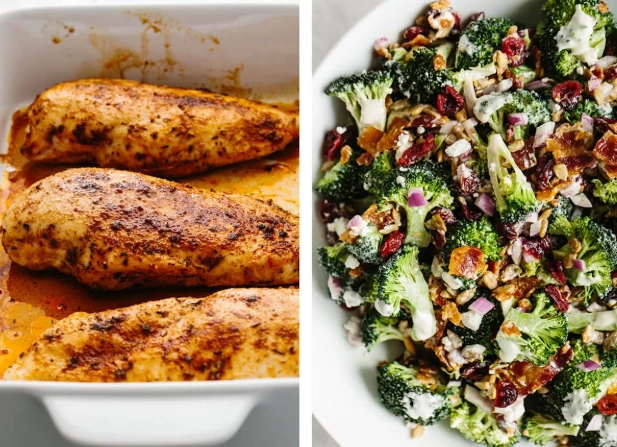
Why Go Gluten-Free? It's Not Just a Trend
Before we dive into the food, it helps to know the "why." For some people, it's not a choice at all—it's a medical necessity.
The Medical Must-Dos
For folks with celiac disease, gluten—a protein found in wheat, barley, and rye—triggers an immune response that damages the small intestine. Even tiny crumbs matter. It's serious. Then there's non-celiac gluten sensitivity (NCGS). People with this don't test positive for celiac or a wheat allergy, but they feel noticeably better—less bloating, brain fog, fatigue—when they avoid gluten. It's very real for them. And of course, there's a wheat allergy, which is a different immune response to proteins in wheat.
The science behind this is well-established. Organizations like the National Institute of Diabetes and Digestive and Kidney Diseases (NIDDK) have extensive resources explaining the autoimmune mechanism of celiac disease. It's not a fad for these individuals; it's the core treatment.
The Personal Choice Path
Then there are people who just feel better eating fewer processed wheat products. Maybe they find they have more energy, less inflammation, or they simply enjoy exploring alternative grains like quinoa and buckwheat. And that's perfectly valid too. The goal for everyone, though, is to eat well.
The biggest mistake I see? People ditching gluten and then living off packaged gluten-free cookies and chips. That's not healthier. The goal is to build your diet around naturally gluten-free whole foods.
Gluten 101: Where It Hides and How to Spot It
Okay, let's get practical. Gluten is in the obvious stuff: bread, pasta, cereal, cakes, beer. But it's also a master of disguise, used as a thickener or stabilizer in all sorts of places. Reading labels becomes your new superpower.
Look out for these ingredients: wheat (durum, semolina, spelt, farro, kamut), barley, rye, malt, brewer's yeast. Oats are naturally gluten-free but are almost always contaminated with wheat during processing. You need to buy oats specifically labeled "certified gluten-free."
Here’s a quick table to break down the common culprits and safe bets:
| Common Gluten Sources | Naturally Gluten-Free Foods | Check the Label Carefully |
|---|---|---|
| Wheat bread, pasta, couscous | Rice (all types), quinoa, corn | Oats, granola, trail mixes |
| Most beers, ales, lagers | Fresh meat, poultry, fish | Sauces, gravies, marinades |
| Traditional soy sauce, teriyaki | Fruits and vegetables | Processed cheese spreads |
| Seasoned rice mixes | Beans, lentils, nuts, seeds | Imitation crab meat, deli meats |
| Many crackers and pretzels | Eggs, milk, butter, plain yogurt | Flavored potato chips, candy |
See? The "can eat" list is actually much longer than the "can't eat" list once you get the hang of it.
Your Kitchen Makeover: Setting Up for Gluten-Free Success
If you have celiac disease, you'll need to be meticulous about cross-contamination at home. For others, a good clean-out might be enough. Here's what I did, step by step.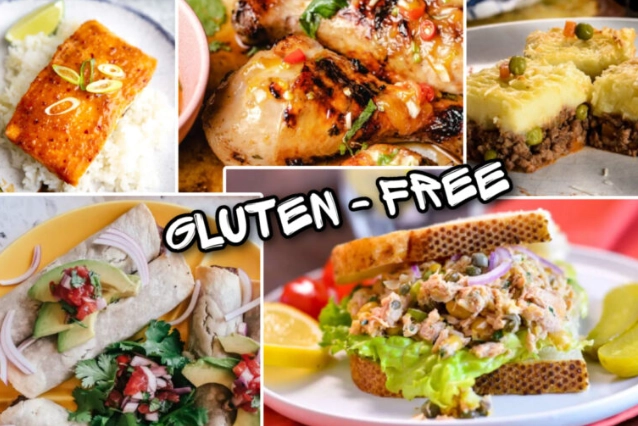
The Pantry Purge and Shop
First, I cleared a dedicated shelf for my gluten-free staples. I gave away or separated any open containers of flour, pasta, or sauces that contained gluten. Then, I went shopping with a new list. The foundation of good gluten-free meals starts with a well-stocked pantry.
My Gluten-Free Pantry Essentials:
- Flours: A good all-purpose gluten-free flour blend (like Bob's Red Mill 1-to-1 or King Arthur Measure for Measure) is a lifesaver for quick recipes. I also keep almond flour, coconut flour, and tapioca starch for specific uses.
- Grains & Starches: Rice (jasmine, basmati), quinoa, certified gluten-free oats, cornmeal, polenta, and plenty of potatoes and sweet potatoes.
- Proteins: Canned beans (black, chickpeas), lentils, nuts, seeds, and cans of tuna or salmon.
- Building Flavor: Tamari (gluten-free soy sauce), fish sauce, pure spices, olive oil, vinegar, garlic, onions, and good-quality stock.
Tool Time
You don't need fancy gadgets. But I found a few things incredibly helpful: a designated colander for rinsing gluten-free pasta, a separate toaster (or toaster oven bags), and some new wooden spoons and cutting boards that had never touched regular bread. For baking, a kitchen scale is more accurate than cups for gluten-free flours, which can be finicky.
Honestly, the toaster was the best $20 I spent. No more worrying about wheat crumbs.
Building Your Gluten-Free Meal Plan: From Breakfast to Dinner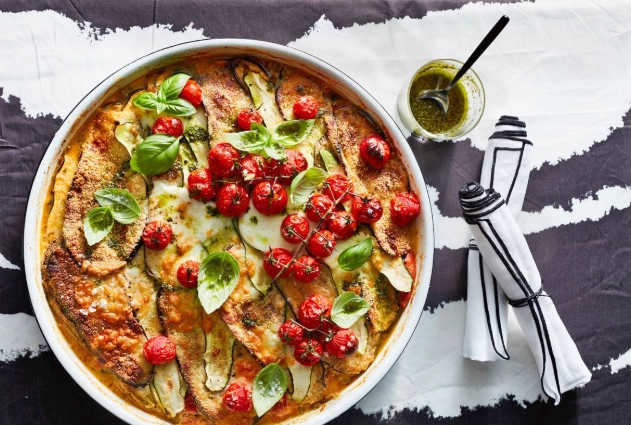
This is the fun part. Let's talk about what to actually eat. Forget the idea of "gluten-free" as a category and think about building balanced, flavorful plates.
Gluten-Free Breakfast Ideas That Aren't Just Eggs
Breakfast was my first hurdle. I got tired of eggs every day.
- Overnight "No-Oat" Meal: Mix chia seeds, certified gluten-free oats (if tolerated), almond milk, and berries in a jar. Let it sit overnight.
- Sweet Potato Toast: Slice a sweet potato lengthwise, toast it until tender, and top with avocado or almond butter.
- Simple Smoothie: Spinach, frozen mango, banana, protein powder, and almond milk.
- Leftovers! Don't sleep on having last night's roasted vegetables and chicken for breakfast. It's weirdly satisfying.
My Go-To Weekday Lunch: The "No-Bread" Bowl
I make a big batch of quinoa or rice on Sunday. Each day, I throw a cup in a container with a handful of greens, some roasted chickpeas or leftover chicken, chopped veggies (bell peppers, cucumber, shredded carrot), and a simple lemon-tahini dressing. It's filling, doesn't get soggy, and is a perfect portable gluten-free meal. Way better than trying to find a decent gluten-free sandwich on the fly.
Gluten-Free Dinners the Whole Family Will Eat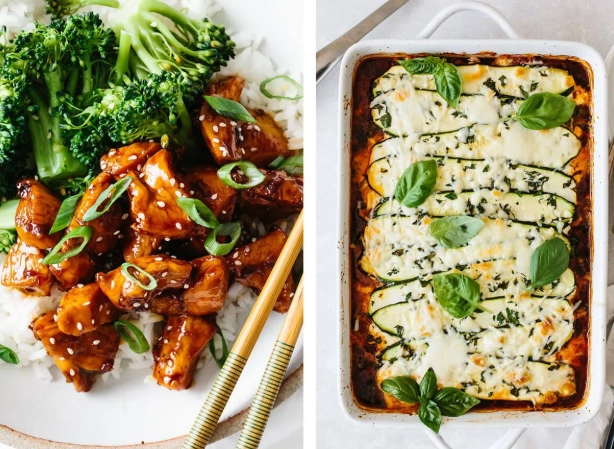
The key here is to not announce "this is gluten-free!" Just make delicious food. Here are three frameworks I use constantly:
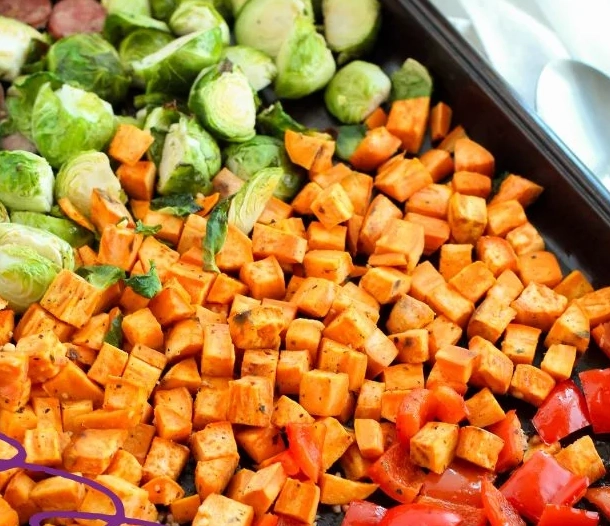
- The Sheet Pan Hero: Salmon fillets or chicken thighs + broccoli florets + cherry tomatoes. Toss everything with olive oil, garlic, salt, and pepper. Roast at 400°F for 20-25 minutes. Serve with a lemon wedge. Minimal cleanup, maximum flavor.
- The Hearty Soup/Stew: Sauté onion, carrot, and celery. Add ground turkey, browned. Throw in a can of diced tomatoes, kidney beans, corn, and broth. Season with chili powder and cumin. Simmer. Serve with cornbread made from a gluten-free mix. This makes lunches for days.
- The "Better Than Takeout" Stir-Fry: Stir-fry strips of beef or tofu with your favorite vegetables (snap peas, mushrooms, bell peppers). For the sauce, mix tamari, a bit of honey, ginger, and garlic. Thicken with a cornstarch slurry. Serve over a big bed of jasmine rice.
See? No special "gluten-free" magic. Just real food.
Navigating the Outside World: Restaurants and Social Stuff
This is where anxiety can creep back in. But with a little strategy, you can eat out without fear.
Before you go: Check the menu online. Most restaurants have allergen information now. Look for keywords like "grilled," "roasted," "steamed." Avoid anything breaded, fried (unless they have a dedicated fryer), or in sauces you can't identify.
When you arrive: Tell your server clearly, "I need to eat gluten-free for medical reasons." This phrase usually gets more careful attention than "I don't eat gluten." Ask specific questions: Is the soup thickened with flour? Is the chili made with a beer base? Are the fries cooked in the same oil as onion rings?
I've had mostly good experiences, but I've also had servers confidently tell me something is safe, only to find out later it wasn't. You learn to trust your gut (pun intended) and sometimes just order the simple grilled option with plain vegetables and a baked potato.
Answering Your Biggest Gluten-Free Questions
After talking to lots of people starting this journey, here are the questions that come up again and again.
A Final Word of Encouragement
Starting out, planning gluten-free meals can feel like a part-time job. It does get easier. Your eyes become trained to spot ingredients, your pantry becomes your ally, and you discover new favorite foods. You'll have frustrating moments—like when you're starving and realize there's nothing safe at the gas station—but you'll also have triumphs, like nailing a gluten-free pizza crust that actually has a good chew.
The goal isn't perfection. It's feeling good, eating delicious food, and taking care of yourself. Don't let the perfect be the enemy of the good. Start with one simple, naturally gluten-free meal today. Build from there. You've got this.
And remember, the best gluten-free meal is the one you actually enjoy eating.



Leave a comment