Let's be honest. If you're reading this, you're probably tired. Tired of the pain that hijacks your life for days every month, tired of doctors who don't seem to get it, and tired of sifting through confusing, conflicting information online. You want real answers about endometriosis treatments that go beyond a simple list. You want to know what actually works, what the trade-offs are, and how to piece together a plan that fits your life—whether your main goal is crushing pain, preserving fertility, or both. That's exactly what this guide is for. We're going to cut through the noise and talk about the full spectrum of options, from over-the-counter pills to major surgery, and the critical, often-overlooked lifestyle adjustments that can make all the difference.
What You'll Find in This Guide
- The First Step: How to Build Your Treatment Plan
- First-Line Defense: Managing Endometriosis Pain
- Hormone Therapies: Slowing the Progression
- Surgical Options: From Diagnosis to Radical Relief
- The Fertility Question: Treatment Paths for Family Planning
- Beyond Medicine: The Lifestyle and Diet Connection
- Your Tough Questions Answered
The First Step: How to Build Your Treatment Plan (It's Not One-Size-Fits-All)
Before we dive into pills and procedures, let's establish the most important principle: effective endometriosis management is a strategy, not a single prescription. A common mistake is chasing a "cure." While surgery can be dramatically effective, endometriosis is often a chronic condition that requires long-term management. Your plan should be built on three pillars:
- Your Primary Goal: Is it pain relief? Improving fertility? Or both? This steers the entire ship.
- Disease Severity & Location: Superficial implants on the pelvic wall are treated differently than deep infiltrating endometriosis on your bowel or bladder.
- Your Personal Tolerance: How do you feel about taking hormones long-term? What's your comfort level with surgery?
I've seen too many women start with the most aggressive option because they're desperate, without trying graduated steps. Work with a specialist—a gynecologist who focuses on endometriosis or a reproductive endocrinologist—to map this out. A good specialist will discuss all pillars with you, not just push the option they're most comfortable with.
First-Line Defense: Managing Endometriosis Pain
Pain is the most common and debilitating symptom. The approach here is often layered.
Over-the-Counter (OTC) and Prescription Pain Relievers
NSAIDs (Non-Steroidal Anti-Inflammatory Drugs) like ibuprofen or naproxen are the frontline soldiers. They reduce inflammation, which is the fuel for endometriosis pain. The key? Don't wait for the pain to peak. Start taking them at the very first twinge of your period or ovulation pain, and stay on a regular schedule for the first 2-3 days. Taking them after pain is severe is like trying to put out a house fire with a garden hose.
For more severe pain, doctors may prescribe stronger NSAIDs or even short-term use of other pain modulators. It's basic, but getting the timing right on NSAIDs is a game-changer most people miss.
Pain Tracking Tip: Use a simple app or diary for 2-3 cycles. Note pain levels (1-10), location, and what you were doing. This concrete data is gold when talking to your doctor. It moves the conversation from "I hurt" to "I have level 8 pain in my left pelvis that starts two days before my period and prevents me from working."
Hormone Therapies: Slowing the Progression
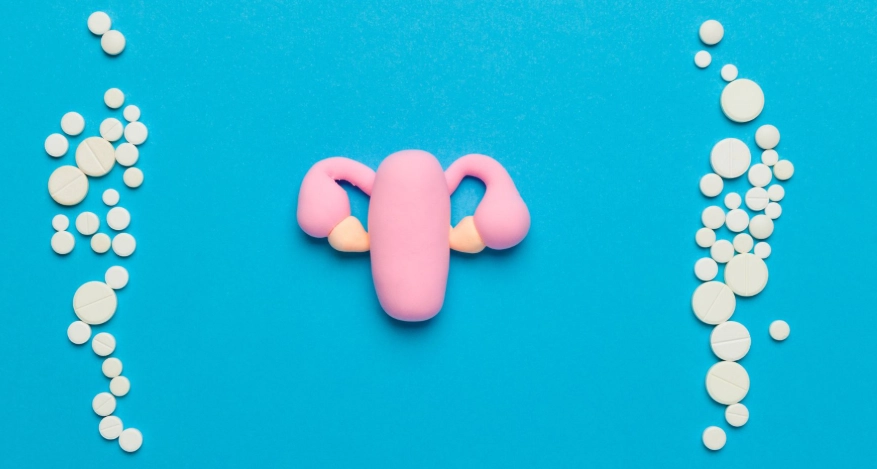
Since endometriosis tissue is fueled by estrogen, the goal of hormone therapy is to reduce or block estrogen's effects, putting the lesions in a dormant state. These don't "cure" endometriosis, but they can shrink implants and prevent new growth, providing significant symptom relief.
- Combined Hormonal Birth Control (Pills, Patch, Ring): These provide a steady, low dose of estrogen and progestin, preventing the hormonal fluctuations that trigger pain and bleeding. Taking them continuously (skipping the placebo week) to avoid periods altogether is a standard and highly effective strategy for many.
- Progestin-Only Therapies: This includes the mini-pill, hormonal IUDs (like Mirena), the implant, or progestin shots. The hormonal IUD is particularly interesting—it delivers progestin directly to the uterine lining and pelvic area, often drastically reducing period pain and bleeding with minimal systemic side effects. For many, it's a first-choice option.
- GnRH Agonists/Antagonists (e.g., Lupron, Orilissa): These are stronger drugs that induce a temporary, reversible medical menopause. They are very effective but come with significant side effects like bone density loss and hot flashes. They're typically used for shorter durations (6 months to 2 years) or in combination with "add-back" therapy (low-dose hormones) to mitigate side effects.
The biggest pitfall I see? Patients giving up on a hormone therapy too soon due to initial side effects (like spotting or mood swings). Many of these settle down after 3-4 months. Have a frank conversation with your doc about a realistic trial period.
Surgical Options: From Diagnosis to Radical Relief
Surgery serves two main purposes: definitive diagnosis and treatment. A laparoscopy (keyhole surgery) is the only way to officially confirm endometriosis.
Laparoscopic Excision Surgery
This is considered the gold-standard surgical treatment. A skilled surgeon uses fine instruments to cut out (excise) the endometriosis lesions at their root, preserving healthy tissue. It offers the best chance for long-term pain relief and improved fertility outcomes. The critical factor here is the surgeon's skill and philosophy. Seek out a surgeon who specializes in excision, not just ablation (burning the surface). Ablation has a much higher chance of the lesion growing back from the deeper tissue left behind.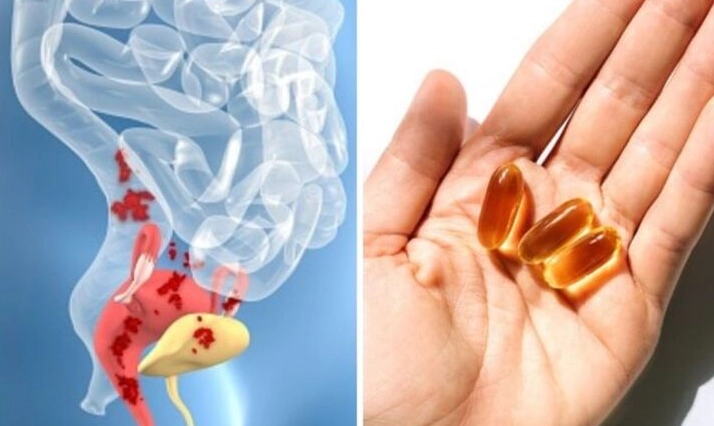
Other Surgical Procedures
In severe cases, or when fertility is no longer a concern, more extensive surgery might be discussed.
- Hysterectomy: Removal of the uterus. Important: This is not a cure for endometriosis if implants remain outside the uterus. It can stop period bleeding, but pelvic pain may persist if extra-uterine disease isn't also removed.
- Oophorectomy: Removal of the ovaries. This induces menopause and can be very effective for pain, but it carries major long-term health consequences (heart, bone, cognitive health). It's generally a last resort.
Recovery from laparoscopic surgery varies. You might feel okay in a week, but full internal healing takes 6-8 weeks. Don't rush back to heavy exercise—I've seen people cause setbacks by doing too much too soon.
The Fertility Question: Treatment Paths for Family Planning
This changes the calculus entirely. The goal shifts to removing disease that impedes fertility while preserving ovarian function and anatomy.
- Surgery First: For many, laparoscopic excision to remove endometriosis, cysts (endometriomas), and restore pelvic anatomy is the first step to improve natural conception chances.
- Assisted Reproductive Technology (ART): If surgery isn't enough or time is a factor, treatments like Intrauterine Insemination (IUI) or In Vitro Fertilization (IVF) are powerful tools. IVF is often very successful for endometriosis patients because it bypasses many of the disease's barriers to conception (like tubal adhesions).
- The Hormone Therapy Dilemma: While on hormone treatments (like the pill), you're not trying to conceive. These are often used to manage symptoms until you're ready to start a family. There's no strong evidence that taking them long-term harms future fertility; in fact, by suppressing the disease, they may help preserve it.
A crucial, often rushed conversation with your doctor should cover: "Based on my surgery findings and age, what is my realistic timeline for trying naturally before we should consider ART?"
Beyond Medicine: The Lifestyle and Diet Connection
Don't underestimate this. While not a treatment in the medical sense, lifestyle strategies can significantly modulate inflammation and pain, making your medical treatments work better.
- Diet: There's no universal "endometriosis diet," but anti-inflammatory approaches help many. This often means reducing processed foods, red meat, and gluten, while increasing omega-3s (fatty fish), antioxidants (colorful fruits/veg), and fiber. Some find dairy inflammatory, others don't. It's worth a 4-6 week elimination trial to see how you feel.
- Stress Management: Chronic stress worsens inflammation and pain perception. It's not "all in your head"—it's a physiological amplifier. Yoga, meditation, or even simple daily breathing exercises can lower your overall pain baseline.
- Gentle Movement: Pelvic floor physical therapy is a secret weapon. Endometriosis often causes the pelvic floor muscles to become super-tight and painful (like a constant cramp). A specialist PT can teach you to release these muscles, which can reduce pain during sex, urination, and periods. Regular low-impact exercise like walking or swimming also helps.
Your Tough Questions Answered
What should I do if my first hormone treatment makes my mood swings unbearable?
Call your doctor. Don't just quit. There are dozens of formulations of birth control pills (different progestins, different estrogen doses). The first one might not be the right one for your brain chemistry. A switch to a different progestin type or a lower-dose option, or even a non-oral method like the IUD, can make a world of difference with far fewer systemic side effects.
I had laparoscopic surgery a year ago, and the pain is coming back. Does this mean it failed?
Not necessarily. It could mean a few things: some microscopic disease was left behind and has grown, new disease has formed (especially if you have high estrogen levels), or you've developed secondary issues like pelvic muscle tension or nerve sensitization. The next step isn't always another surgery. Go back to your surgeon for an exam. They might recommend an MRI to look for recurrent disease, or suggest pairing a hormone therapy now with pelvic floor PT to address the muscular component—a common post-surgery need that's frequently overlooked.
Can I treat endometriosis "naturally" without hormones or surgery?
It depends on your disease severity and goals. For very mild symptoms, a rigorous anti-inflammatory lifestyle (diet, stress management, supplements like turmeric/NAC) might provide adequate management. However, for moderate to severe endometriosis, especially deep infiltrating disease, these natural methods are best viewed as essential supportive therapies, not replacements for medical intervention. The disease tissue is physically present and can cause progressive scarring. Relying solely on natural methods in that scenario often leads to increased pain and potential organ damage over time.
How do I find a good endometriosis specialist?
Look for gynecologists who list endometriosis as a special interest or are affiliated with academic medical centers. Ask direct questions in a consultation: "What percentage of your practice is endometriosis? Do you primarily perform excision or ablation surgery? What is your philosophy on combining surgery with medical management?" Patient advocacy groups like the Endometriosis Foundation of America or Endometriosis UK often have provider directories. Trust your gut—if a doctor dismisses your pain or offers only one solution, keep looking.
The journey with endometriosis is marathon, not a sprint. It involves trial and error, partnership with the right medical team, and a combination of approaches. Start by defining your number one goal. Arm yourself with the information here. Then, go have that informed, strategic conversation. Relief and a better quality of life are absolutely possible.


Leave a comment