Quick Navigation
Let's be honest, the first time you walked down the plant-based milk aisle, it was probably a bit overwhelming. Almond, oat, soy, coconut, pea, hemp, cashew... the list goes on. It's not just about picking a carton anymore; it's about navigating a whole new world of flavors, textures, and nutritional claims. I remember standing there for a good ten minutes, completely paralyzed by choice. Is oat milk just a fad? Does soy milk taste weird? What even is pea milk?
If that sounds familiar, you're in the right place. This guide isn't about pushing a particular agenda. It's a deep dive into the real-world pros, cons, and quirks of all the major dairy-free alternatives to milk. We'll talk taste, nutrition, what works in coffee, what burns in cooking, and how much it'll actually cost you. My goal is simple: to give you all the info you need so your next trip to the grocery store is confident, not confusing.
Why the shift? People choose dairy-free milk alternatives for a bunch of reasons. Lactose intolerance is a big one—it's incredibly common globally. Then there are milk allergies, ethical concerns about animal welfare, environmental considerations (plant milks generally have a lower carbon and water footprint than dairy), or simply a desire to try something new. Whatever your reason, it's valid.
The Main Contenders: A Side-by-Side Breakdown
Okay, let's get into the nitty-gritty. Not all plant milks are created equal. Some are creamy dreamers for your latte, others are nutritional powerhouses, and some... well, some are best left on the shelf. Here’s my honest take on the big players.
1. Almond Milk
Probably the most popular option out there. It's light, slightly nutty, and generally low in calories. Great for smoothies or pouring over cereal if you like a subtle flavor.
I use unsweetened almond milk in my morning oatmeal almost every day. It doesn't overpower the other flavors. But a word of warning: the cheap stuff can taste like slightly flavored water. You really get what you pay for here.
The downside? Nutritionally, it's pretty light. Most of the almonds are strained out, so you're not getting a huge protein or fiber boost. There are also environmental concerns about the water needed to grow almonds, though many brands are now addressing this with sustainable practices.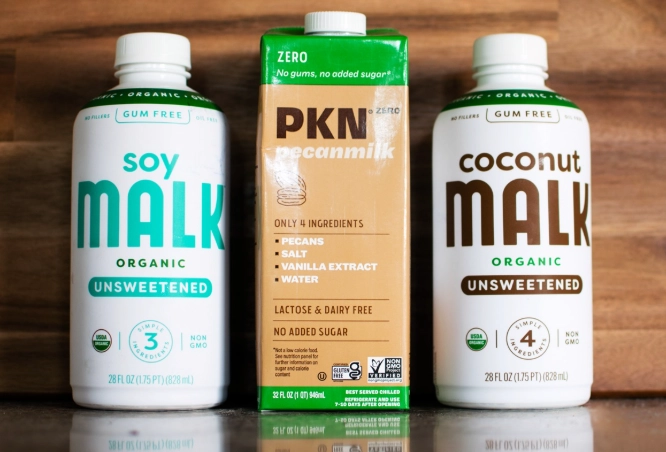
2. Oat Milk
The superstar of the coffee shop world, and for good reason. Oat milk is naturally sweet, incredibly creamy, and froths up like a dream. It's a top-tier choice for baristas and home coffee enthusiasts alike.
It's also often fortified with vitamins and minerals. From an environmental standpoint, oats are relatively sustainable to grow. The taste is mild and comforting—think of the milk left after a bowl of oatmeal.
3. Soy Milk
The OG of plant milks. Soy milk is the closest nutritional competitor to cow's milk, offering a similar amount of complete protein. It's been a staple for decades and is widely available.
Taste-wise, it's beany. Some people love it, some find it takes getting used to. It works well in cooking and baking because of its protein content and stability when heated. The Harvard T.H. Chan School of Public Health has a good resource on soy nutrition, noting its benefits as a protein source.
4. Coconut Milk (Beverage)
Don't confuse the drinking carton with the thick canned stuff. The beverage is lighter but carries that distinct tropical coconut flavor. It's very low in protein but adds a rich, luxurious mouthfeel.
It's fantastic in curries, smoothies, or matcha lattes where you want that flavor. Probably not the best for your morning cereal unless you're a huge coconut fan.
5. Pea Milk
This is the new kid on the block that's making waves. Made from yellow peas, it's a nutritional heavyweight—high in protein (comparable to soy and dairy), often fortified, and has a very neutral, creamy taste.
I was skeptical, but it's genuinely good. It doesn't have a strong flavor, so it's versatile. It's also one of the more environmentally friendly options, using less water than almond and often having a low carbon footprint.
6. Cashew & Other Nut Milks
Cashew milk is like almond milk's creamier, richer cousin. It's great for making dairy-free sauces or soups. Hemp milk has an earthy, nutty flavor and contains omega-3s, but it can be thin and isn't as widely loved. Rice milk is the sweetest and most hypoallergenic, but it's very high in carbohydrates and low in protein.
So, how do you even begin to compare them? A table helps.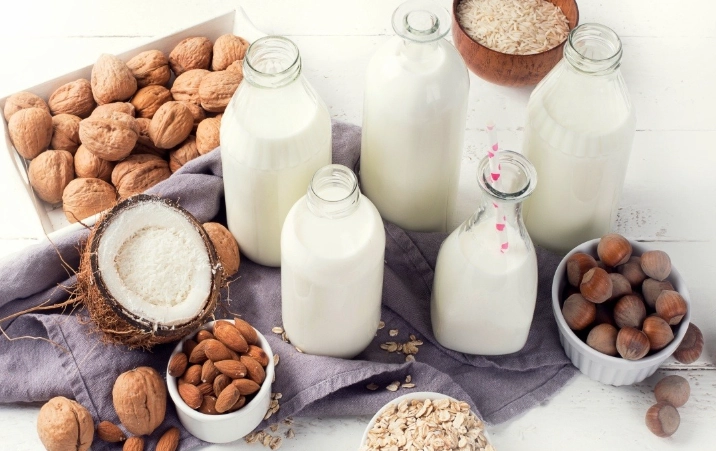
| Milk Alternative | Best For | Taste Profile | Protein (per cup avg.) | Key Consideration |
|---|---|---|---|---|
| Almond Milk | Cereal, smoothies, light drinking | Light, slightly nutty, subtle | 1g | Low nutritional density; check for carrageenan |
| Oat Milk | Coffee, baking, drinking plain | Creamy, naturally sweet, oaty | 2-4g | Can be high in carbs/sugar; great texture |
| Soy Milk | All-purpose cooking, protein source | Beany, creamy, distinct | 7-9g | Complete protein; potential for GMOs (look for non-GMO) |
| Coconut Milk Bev. | Curries, tropical smoothies, coffee | Rich, tropical, distinct coconut | 0-1g | High in saturated fat; flavor dominates |
| Pea Milk | Nutrition, neutral cooking, post-workout | Neutral, creamy, very mild | 8g | Excellent protein & sustainability profile |
| Cashew Milk | Creamy sauces, soups, drinking | Rich, very creamy, mild nutty | 0-1g | Low protein; often homemade for creaminess |
See what I mean? Choosing between these dairy-free milk alternatives isn't one-size-fits-all. It depends entirely on what *you* need it for.
Beyond the Carton: What Really Matters When You Choose
Picking a milk alternative isn't just about flavor. You've got to think about how you'll use it, what your body needs, and what's hiding in the ingredients list.
The Fortification Factor
Dairy milk is naturally rich in calcium, vitamin D, and B12. Most plant milks are not. That's why fortification is crucial. A good dairy-free alternative to milk should be fortified with calcium (at least 120mg per 100ml, similar to dairy) and vitamin D. Many also add B12, which is vital for vegans. Always turn the carton around and check the nutrition panel.
Sweeteners & Additives
This is a big one. "Original" or "Vanilla" flavors almost always mean added sugar. If you're watching your sugar intake, "Unsweetened" is your best friend. Also, look out for thickeners and stabilizers like gellan gum, locust bean gum, or sunflower lecithin. They're generally recognized as safe and help with texture, but some people prefer to avoid them. Carrageenan is a controversial one that has fallen out of favor; most brands have removed it.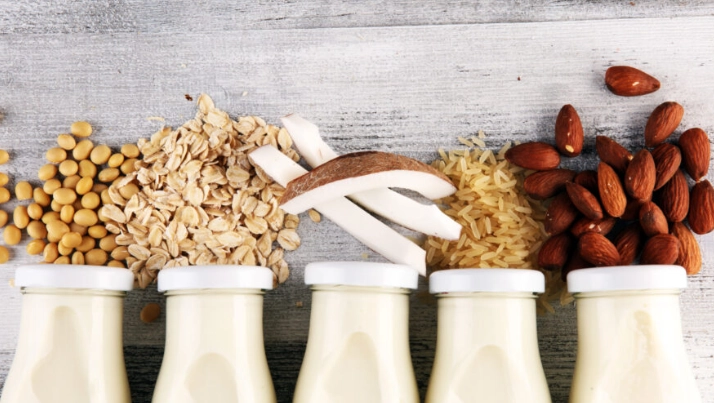
I made the mistake of buying "Original" oat milk for my coffee once. It was like dessert in a cup! Way too sweet for me. Now I'm strictly an unsweetened person, and I add my own sweetness if I need it.
Allergies & Sensitivities
One of the great things about this market is there's an option for almost everyone. Nut allergy? Go for oat, soy, or pea milk. Soy allergy? Almond, oat, and coconut are your friends. Watching FODMAPs? Lactose-free dairy might still be an issue, but almond or oat milk in small servings could work (check with a dietitian).
But which one is right for you? Let's match them up.
Quick Matchmaker:
• For Coffee & Frothing: Oat Milk or a "Barista Blend" of any type (they're formulated to steam well).
• For High Protein: Soy Milk or Pea Milk.
• For Neutral Cooking/Baking: Soy, Oat, or Unsweetened Almond.
• For a Low-Calorie Option: Unsweetened Almond or Cashew Milk.
• For Sustainability Focus: Oat Milk or Pea Milk.
• For Kids (nutrition & taste): Fortified Soy or Pea Milk, or a fortified Oat Milk.
Putting Them to Work: Cooking & Baking with Plant Milks
This is where many people get nervous. Can you really make a bechamel sauce with almond milk? Will your pancakes turn out weird? The short answer is yes, you can, but with some adjustments.
Plant milks behave differently than dairy milk because they have different protein, fat, and sugar compositions.
In Savory Cooking
For creamy soups, sauces, and mashed potatoes, you want a rich, neutral, and stable milk. Soy milk and oat milk are your best bets here. Their higher protein or starch content helps them thicken and emulsify without curdling. Cashew milk is also fantastic for creating a luxuriously creamy texture.
A little chef's secret?
When making a hot sauce, avoid boiling plant milks rapidly, especially acidic ones. Warm them gently. And if you're using a thinner milk like almond, you might need a bit more roux or cornstarch to get the thickness you want.
In Baking
Most of the time, you can do a 1:1 swap for dairy milk in muffins, cakes, and quick breads. Unsweetened soy, oat, or almond milk work perfectly well. The flavor differences are minimal once baked with other ingredients.
For custards, puddings, or anything that relies heavily on dairy for structure, it gets trickier. Full-fat coconut milk (the canned kind) is often the go-to for vegan custards. For other plant milks, you'll likely need to follow a specifically vegan recipe that uses the right combination of starches and fats.
The Price Tag & DIY Potential
Let's talk money. A carton of plant milk can cost anywhere from $2 to $5, often more than a gallon of dairy milk. This adds up. If cost is a major factor, soy milk and almond milk are usually the most affordable dairy-free alternatives to milk. The fancy barista oat or pea milks command a premium.
One way to combat this? Make your own. It's not as hard as you think, especially for nut milks.
Simple Almond Milk Recipe: Soak 1 cup of raw almonds overnight. Drain, rinse, and blend with 4 cups of fresh water and a pinch of salt (maybe a date for sweetness). Blend on high for 2 minutes. Strain through a nut milk bag or fine sieve. That's it! It lasts about 4 days in the fridge. The leftover pulp can be dried and used as almond flour.
The pros of DIY: You control the ingredients, no additives, and it often tastes fresher. The cons: It's not fortified, so you miss out on the added calcium and vitamins, it takes time, and the shelf life is short. For oat milk, the process is similar but even quicker—no soaking needed. However, it can get slimy if over-blended. It's a fun experiment, but for daily convenience, most of us will still buy it.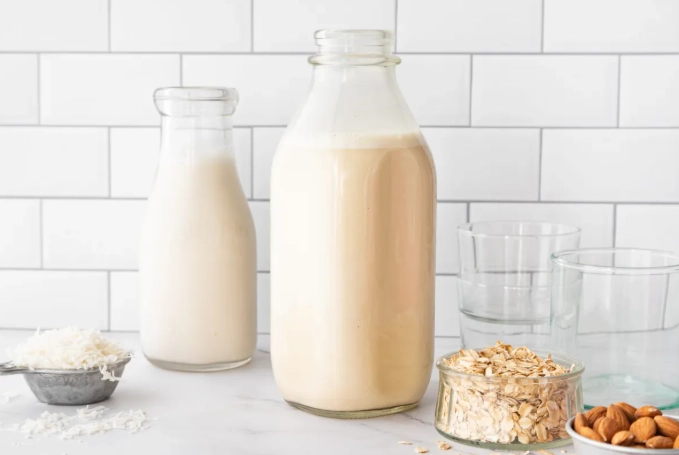
Your Questions, Answered (The FAQ Section)
After talking to countless friends and readers about this, some questions pop up again and again. Here’s my shot at clearing things up.
Final Thoughts: Finding Your Perfect Match
Look, navigating the world of dairy-free milk alternatives is a journey, not a destination. Your tastes might change. New products will hit the shelves. The oat milk you love today might be replaced by a new lupin or quinoa milk tomorrow.
My biggest piece of advice? Experiment without pressure. Buy the small cartons first. Try one in your coffee, another in a smoothie, a third in a simple pancake recipe. Pay attention to how you feel and how it tastes. Don't be afraid to mix and match based on your needs—maybe you keep almond milk for cereal, oat milk for coffee, and pea milk for post-workout shakes.
The beauty of this market is the sheer variety. There is a dairy-free alternative to milk out there for virtually every palate and purpose. It might take a little trial and error, but when you find the one that makes your taste buds and your body happy, it’s totally worth it.
Happy tasting!





Leave a comment