Let's talk about hormonal balance in females. It's one of those health buzzwords you hear everywhere, from wellness blogs to supplement ads. But what does it actually mean? It's not some mystical state of perfection. Think of it as your body's internal communication system running smoothly. When your hormones are in balance, they work together like a well-conducted orchestra, sending the right signals at the right time to regulate everything from your mood and metabolism to your sleep and skin. When they're out of whack, it feels like the orchestra is playing different tunes—everything feels off.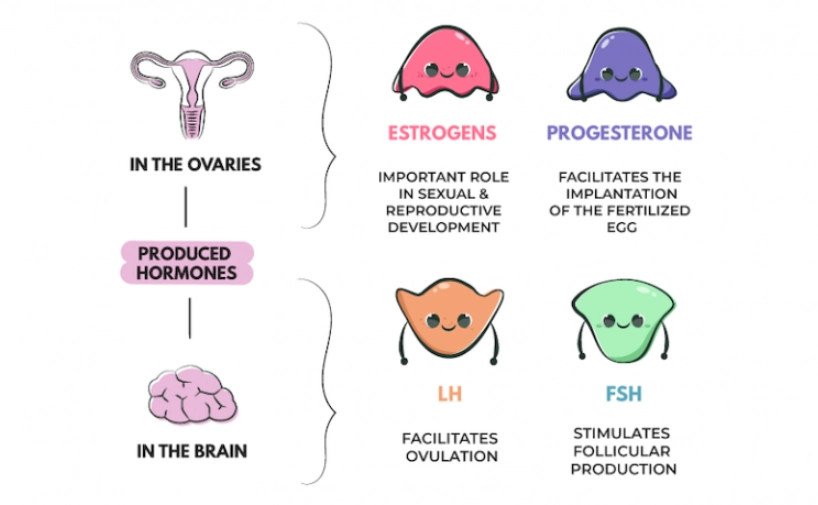
What's Inside This Guide?
What Exactly is Hormonal Balance?
I've worked with women on this for years, and the biggest misconception is that balance means having "equal" amounts of hormones. That's not it. Hormonal balance is about having the right amount of each hormone, at the right time, and in the right relationship to other hormones. It's dynamic, changing throughout your menstrual cycle, and across your lifetime (puberty, pregnancy, perimenopause, menopause).
Estrogen needs to be in sync with progesterone. Your stress hormone (cortisol) shouldn't be hijacking your sex hormones. Your insulin needs to manage blood sugar effectively so it doesn't cause inflammation that disrupts everything else. It's a complex, delicate dance. A lot of mainstream advice focuses solely on estrogen, but ignoring the thyroid-adrenal-ovarian axis is a mistake. I've seen women spend years trying to "balance estrogen" only to find their underlying issue was a sluggish thyroid or exhausted adrenal glands.
The Key Female Hormones and What They Do
You don't need a biochemistry degree, but knowing the main players helps you understand your body's signals.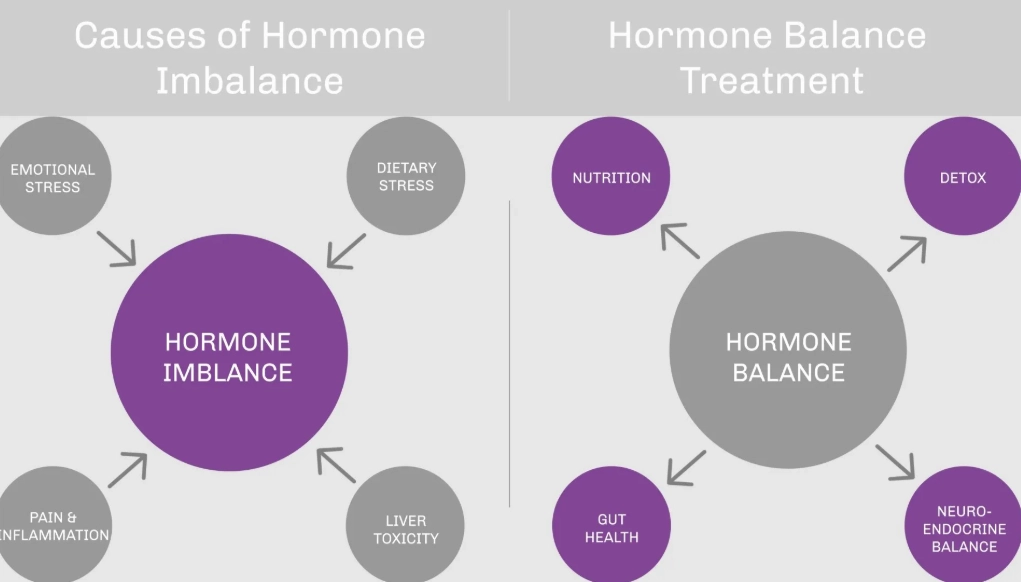
The Sex Hormones: Estrogen & Progesterone
These are the headliners. Estrogen isn't one hormone; it's a group (estrone, estradiol, estriol). Estradiol is the main one during reproductive years. It builds the uterine lining, boosts serotonin (your feel-good brain chemical), keeps skin plump, and supports bone health. Progesterone is the calming, balancing counterpart. It stabilizes the uterine lining, has a natural anti-anxiety effect, supports sleep, and counterbalances estrogen's proliferative effects.
The ratio between them is crucial. Estrogen dominance (relative low progesterone) is incredibly common and can cause heavy periods, PMS, breast tenderness, and mood swings. It's often missed.
The Stress Hormone: Cortisol
Your adrenal glands produce cortisol. In acute stress, it saves your life. The problem is chronic, low-grade stress—the kind from work, finances, or poor sleep. High cortisol over time can steal the raw materials needed to make progesterone, disrupt thyroid function, and promote belly fat storage. It's a major silent disruptor.
The Metabolic Hormone: Insulin
Made by the pancreas, insulin helps cells use glucose for energy. When you eat too much sugar and refined carbs, your cells can become "resistant" to insulin. High insulin levels drive inflammation and can stimulate the ovaries to produce more testosterone, leading to issues like PCOS (polycystic ovary syndrome).
The Thyroid Hormones (T3 & T4)
These control your metabolism, energy, temperature, and heart rate. An underactive thyroid (hypothyroidism) can mimic many symptoms of sex hormone imbalance—fatigue, weight gain, depression, and heavy periods. It's essential to rule this out.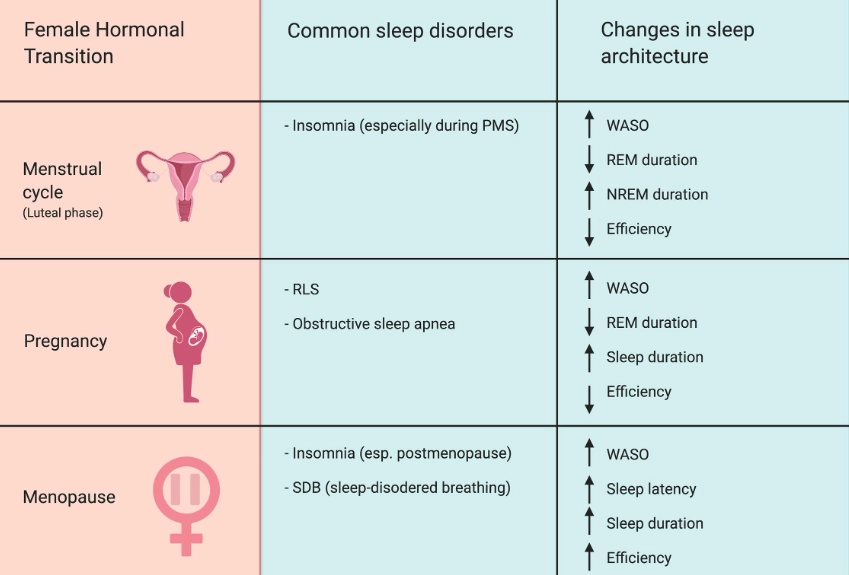
A Real-Life Scenario: Sarah's Story
Sarah, 34, came to me exhausted. She had irregular periods, gained 15 pounds she couldn't lose, and felt constantly anxious. She'd been told it was "just stress." Looking deeper, we found her cortisol was high all day (adrenal fatigue), her progesterone was very low relative to estrogen, and her insulin was elevated. Focusing only on her period would have failed. We worked on stress management (meditation, setting boundaries), blood sugar balance (protein with every meal, reducing processed carbs), and targeted supplements like magnesium and adaptogens. After four months, her cycle regulated, the anxiety lifted, and she started losing weight. The key was addressing the system, not just one symptom.
How to Know if Your Hormones Are Out of Balance?
Your body sends signals. Here's a breakdown of common hormonal imbalance symptoms grouped by potential underlying issues. This isn't for self-diagnosis, but a map to discuss with your healthcare provider.
| Potential Imbalance | Common Signs & Symptoms |
|---|---|
| Estrogen Dominance / Low Progesterone | Heavy, painful periods; PMS (mood swings, irritability); breast tenderness; fibroids; mid-cycle spotting; anxiety before your period; difficulty sleeping. |
| High Cortisol (Chronic Stress) | Fatigue but wired (tired but can't sleep); anxiety or feeling "on edge"; weight gain around the midsection; salt cravings; irregular cycles or loss of period; low libido. |
| Insulin Resistance | Cravings for sugar/carbs; weight gain (especially belly); frequent hunger; skin tags; darkening skin in armpits/neck (acanthosis nigricans); PCOS diagnosis. |
| Low Thyroid (Hypothyroidism) | Persistent fatigue; feeling cold; dry skin/hair; constipation; unexplained weight gain; depression; brain fog; heavy periods. |
| Perimenopause Transition | Irregular periods; hot flashes; night sweats; vaginal dryness; mood changes; sleep disturbances; changes in libido. |
What Throws Your Hormones Off Track?
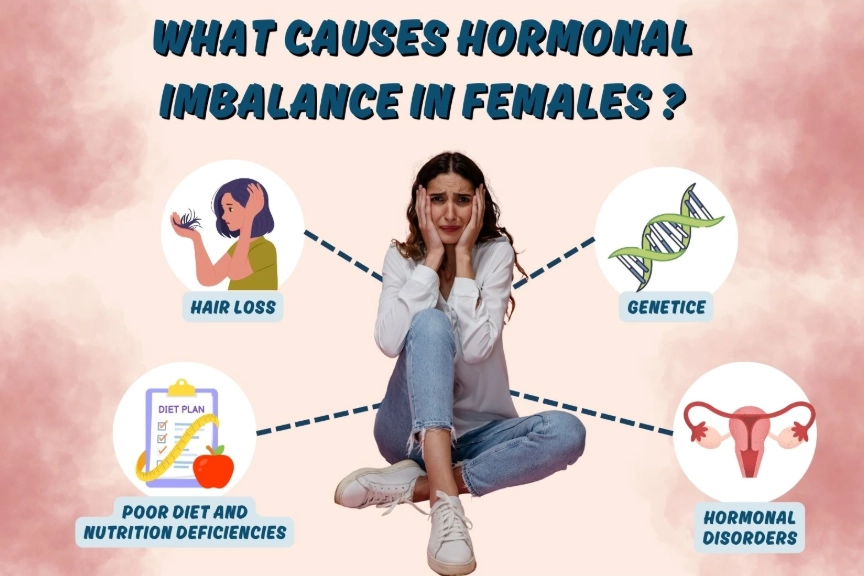
It's rarely one thing. It's the cumulative load.
- Diet: The standard American diet—high in sugar, refined carbs, processed foods, and inflammatory oils (soybean, canola)—spikes insulin and causes inflammation.
- Chronic Stress: This is huge. The constant drip of cortisol dysregulates everything else.
- Toxin Exposure: Certain chemicals in plastics (BPA, phthalates), pesticides, and personal care products can act as xenoestrogens, mimicking estrogen in the body and disrupting the natural ratio.
- Poor Gut Health: Your gut microbiome helps metabolize and excrete used hormones. An unhealthy gut (from antibiotics, poor diet) can lead to reabsorption of hormones, worsening imbalances. This connection is often overlooked.
- Lack of Sleep: Sleep is when your body repairs and regulates hormones. Less than 7-8 hours messes with cortisol, ghrelin (hunger hormone), and leptin (satiety hormone).
- Sedentary Lifestyle OR Overtraining: Both extremes are problematic. No movement promotes insulin resistance. Excessive intense exercise can raise cortisol and suppress sex hormones (seen in female athlete triad).
How to Restore Hormonal Balance Naturally
You can't supplement your way out of a poor lifestyle. Foundation first. Here's a tiered approach I use with clients.
1. Nail the Foundations: Diet & Lifestyle
Food is information. Eat to balance blood sugar and reduce inflammation.
- Prioritize Protein & Healthy Fats: Include protein (chicken, fish, eggs, lentils) and healthy fats (avocado, olive oil, nuts) at every meal. They slow sugar absorption and keep you full.
- Fiber is Your Friend: Vegetables, especially cruciferous ones (broccoli, cauliflower, kale), help the liver detoxify excess estrogen. Aim for 30g of fiber daily.
- Ditch the Inflammatory Oils: Cut out processed seed oils. Use olive oil, avocado oil, or coconut oil instead.
- Manage Stress Actively: It's non-negotiable. Find what works: 10-minute walks, deep breathing (research from NIH shows its direct impact on the nervous system), journaling, or meditation. Schedule it like an important meeting.
- Sleep Hygiene: Dark, cool room. No screens 1 hour before bed. Consistent bedtime. This regulates cortisol and supports growth hormone release.
- Move Smartly: A mix is key: walking (amazing for cortisol), strength training (builds muscle, improves insulin sensitivity), and gentle movement like yoga. Listen to your body—if you're exhausted, rest.
2. Consider Targeted Support (After Foundations)
Once lifestyle is dialed in, some supplements can help, but get guidance. Common ones include:
- Magnesium Glycinate: The "relaxation mineral." Supports sleep, stress response, and progesterone production.
- Adaptogenic Herbs: Like ashwagandha or rhodiola. They help the body adapt to stress and can modulate cortisol. They're not a quick fix and work best with lifestyle changes.
- Vitex (Chasteberry): Often used for PMS and cycle regulation. It works on the pituitary gland to help normalize the progesterone-to-estrogen ratio. It's slow-acting (3+ cycles).
- Omega-3s: High-quality fish oil reduces inflammation, which is at the root of many hormonal issues.
Important: Always talk to a doctor or qualified nutritionist before starting supplements, especially if you're on medication or have a health condition.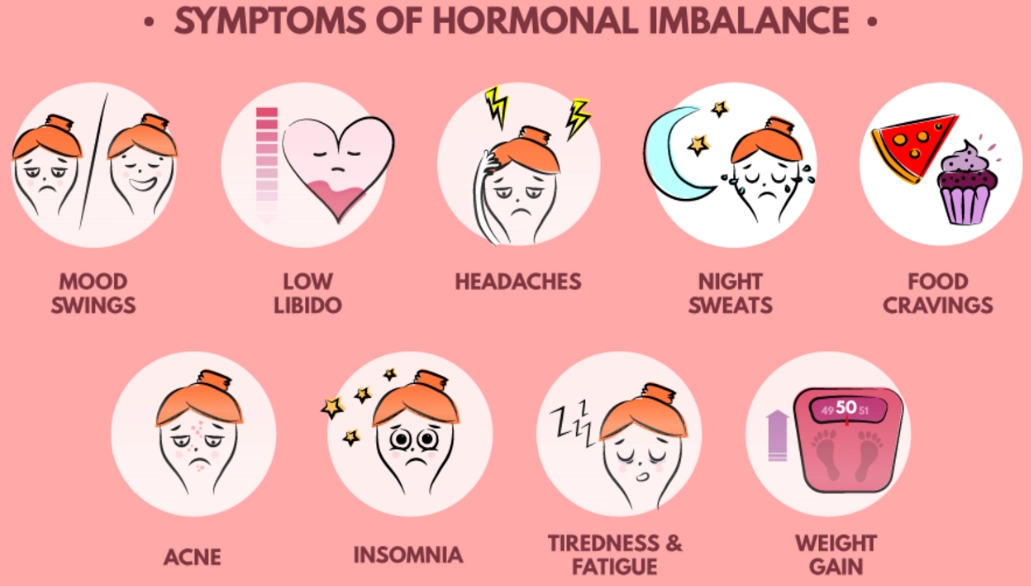
3. Testing & Professional Guidance
If you're stuck, testing provides a snapshot. Saliva or dried urine tests (like DUTCH) can look at sex hormones and cortisol patterns across the day. Blood tests are standard for thyroid (TSH, Free T3, Free T4, antibodies) and insulin/glucose. Work with a functional medicine doctor, naturopath, or enlightened endocrinologist who will interpret these in the context of your symptoms.
Your Hormone Questions, Answered
 Is it possible to balance hormones without birth control pills?
 The journey to hormonal balance in females isn't about achieving some perfect, static state. It's about learning to listen to your body's signals, providing it with the right foundational support, and making adjustments as your life and body change. It's a powerful form of self-care that impacts every aspect of your well-being.




Leave a comment