Fighting thyroid problems feels like a war against your own body. The fatigue that coffee can't touch, the unexplained weight that won't budge, the brain fog that makes simple decisions a chore. If you're searching for how to fight thyroid problems, you're past the point of wanting vague advice. You need a real, multi-front battle plan. This isn't about a single magic pill; it's a strategic combination of medical insight, targeted nutrition, and lifestyle overhaul. I've spent years navigating this, both personally and professionally, and the biggest mistake I see? People treating their thyroid medication as the finish line, when it's really just the starting gun. Let's build your action plan.
Your Thyroid Action Plan at a Glance
Know Your Enemy: Getting the Right Diagnosis
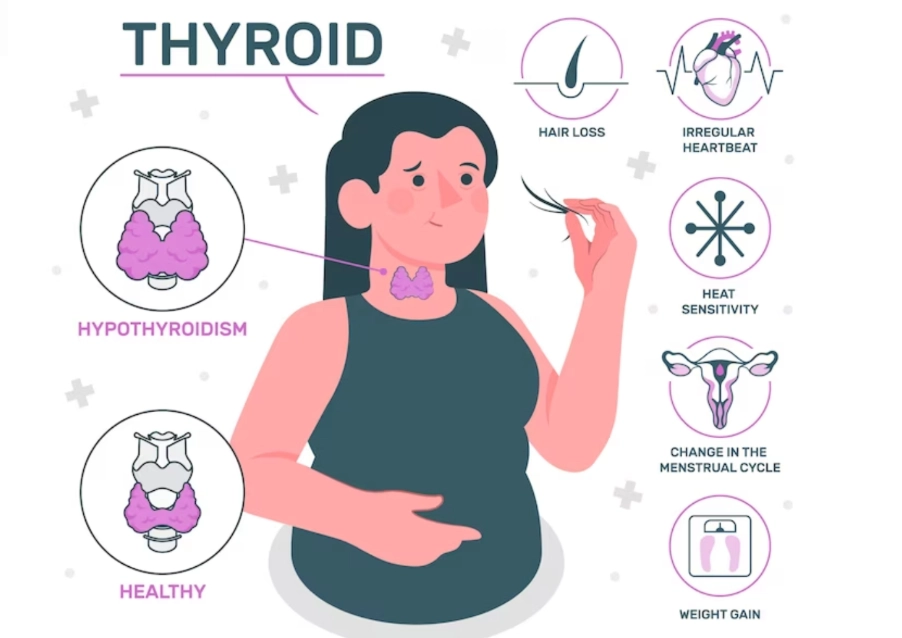
You can't fight what you don't understand. "Thyroid problems" usually means hypothyroidism (underactive) or Hashimoto's (the autoimmune version). But here's the expert nuance most miss: standard TSH tests can be misleading. A TSH of 4.5 mIU/L might be "within lab range," but for many, it's a symptom zone. You need a full panel: TSH, Free T4, Free T3, and Thyroid Peroxidase Antibodies (TPOAb). I've seen countless people suffer for years because only TSH was checked, leaving Hashimoto's undiagnosed. Demand these tests. Resources from the American Thyroid Association can help you understand the results. This is your battlefield map.
How to Fight Thyroid Problems with Targeted Nutrition
Food isn't just calories; it's information for your immune system and thyroid. Forget extreme diets. Think strategic fueling.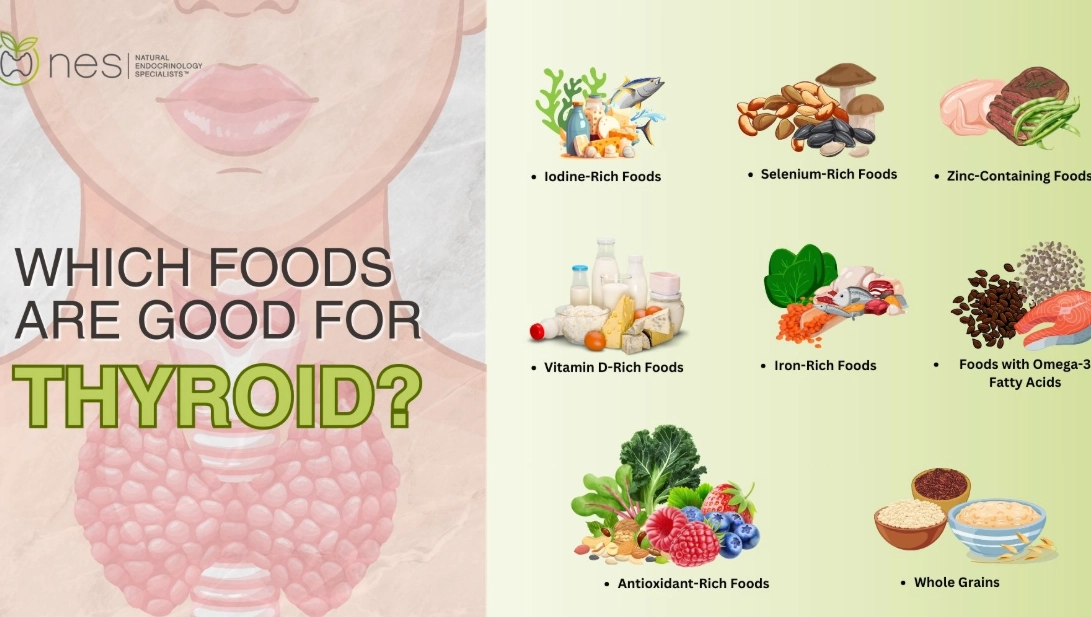
The Non-Negotiables: What to Embrace and Avoid
Your thyroid needs specific nutrients to produce hormones: iodine, selenium, zinc, iron, and tyrosine. But shovel in the wrong stuff, and you trigger inflammation. It's a balance.
| Fuel Up On (Thyroid-Friendly Foods) | Limit or Strategize (Potential Disruptors) |
|---|---|
| Brazil nuts (2-3 daily for selenium) | Raw cruciferous veggies (broccoli, kale). Cook them to deactivate goitrogens. |
| Wild-caught fish & seaweed (for iodine & Omega-3s) | Soy products (tofu, edamame). Consume in moderation, not as a staple. |
| Grass-fed red meat & pumpkin seeds (for iron & zinc) | Gluten & processed foods. For many with Hashimoto's, gluten is inflammatory. |
| Eggs & chicken (excellent source of tyrosine) | Excess sugar and refined carbs. They spike insulin and worsen inflammation. |
The biggest dietary trap? Going gluten-free but loading up on processed "gluten-free" junk food filled with sugar and inflammatory oils. You've swapped one problem for another. Focus on whole, single-ingredient foods 80% of the time.
Personal Take: I tried every diet trend. What finally moved the needle was boring consistency: a daily breakfast of 2 eggs, a handful of spinach, and half an avocado. It provided steady protein, tyrosine, and healthy fats. Sexy? No. Effective? Absolutely.
Your Lifestyle Weapons: Stress, Sleep & Movement
If diet is your ammunition, lifestyle is your armor. You can eat perfectly, but if you're chronically stressed and sleep-deprived, you're fighting with a broken shield.
Stress: The Silent Hormone Disruptor
Cortisol, the stress hormone, directly interferes with thyroid hormone conversion (T4 to active T3). Telling someone with thyroid issues to "relax" is infuriating, but managing stress is non-negotiable. It's not about spa days. It's about micro-practices:
- Box breathing for 2 minutes when overwhelmed: Inhale 4 counts, hold 4, exhale 6.
- 10-minute daily walk without your phone. Nature is a bonus.
- Setting a hard stop on work or worrying at 8 PM. Write down anxieties to get them out of your head.
I used to think this was fluff. Then I tracked my symptoms and saw a direct correlation between a high-stress week and worse fatigue, even with perfect medication levels.
Sleep & Exercise: The Recovery Phase
Poor sleep wrecks your HPA axis (the brain-adrenal-thyroid communication line). Aim for 7-8 hours. Create a ritual: cool, dark room, no screens 60 minutes before bed.
Exercise is tricky. Intense, chronic cardio can be another stressor. Focus on gentle movement and strength training. Building muscle improves metabolism and insulin sensitivity. Two 30-minute strength sessions and some daily walking beat exhausting yourself with daily HIIT.
Medication: The Cornerstone of Your Fight
For hypothyroidism, medication (like levothyroxine) is essential. It's replacing what your body can't make. But taking it isn't enough; you have to take it perfectly.
- Take it on an empty stomach, with a full glass of water.
- Wait at least 30-60 minutes before eating or drinking anything besides water.
- Avoid calcium and iron supplements for at least 4 hours.
Most people know this. The subtle error? Not being consistent with the brand. Different generics have different fillers. If you find one that works, ask your doctor to prescribe that specific brand. Don't let the pharmacy auto-substitute. And get your levels rechecked 6-8 weeks after any dose or brand change, not sooner.
Putting It All Together: A Sample Battle Week
This feels abstract. Let's make it concrete. Here’s what a week of actively fighting thyroid problems might look like. This is a framework, not a prison.
Monday: 6:30 AM - Take medication. 7:30 AM - Breakfast: Veggie omelet. 12 PM - Lunch: Large salad with grilled chicken, olive oil dressing. 6 PM - 30-minute strength training (bodyweight or light weights). 10 PM - Lights out after reading a book.
Tuesday: Repeat morning routine. Lunch: Leftovers from dinner (salmon & roasted veggies). Afternoon: Feeling stressed? 5-minute box breathing at your desk. Evening: 20-minute walk after dinner.
Wednesday: Morning routine. Try a new lunch: Turkey lettuce wraps. Evening: Gentle yoga or stretching session focused on relaxation.
Thursday-Sunday: Maintain the rhythm. One weekend meal can be a "free choice" without guilt. Consistency over 80% of the time is the goal, not perfection.
The point isn't to follow this exactly, but to see how the pieces fit into a real life. It's mundane. It's repetitive. And it's what works.
Your Thyroid Questions, Answered
 Is a gluten-free diet necessary for everyone with thyroid issues?
Fighting thyroid problems is a marathon, not a sprint. It requires patience, self-advocacy with doctors, and a willingness to experiment with what works for your unique body. Start with one change—maybe perfecting your medication routine or adding two Brazil nuts to your day—and build from there. You have the map. Now, take the first step.



Leave a comment