Let's cut straight to the point. Can a hormone imbalance cause a fever? The short answer is yes, but not in the way you might think. A classic bacterial or viral infection fever? Usually not directly. But several hormonal disorders can reliably elevate your body's core temperature, mimicking a fever, or create conditions where a low-grade fever becomes a frequent, unexplained companion. For years in my practice, I've seen patients shuffled between doctors for recurring "fevers of unknown origin," only to find the root cause sitting in their endocrine system. If you're running a temperature and standard tests come back clear, your hormones deserve a closer look.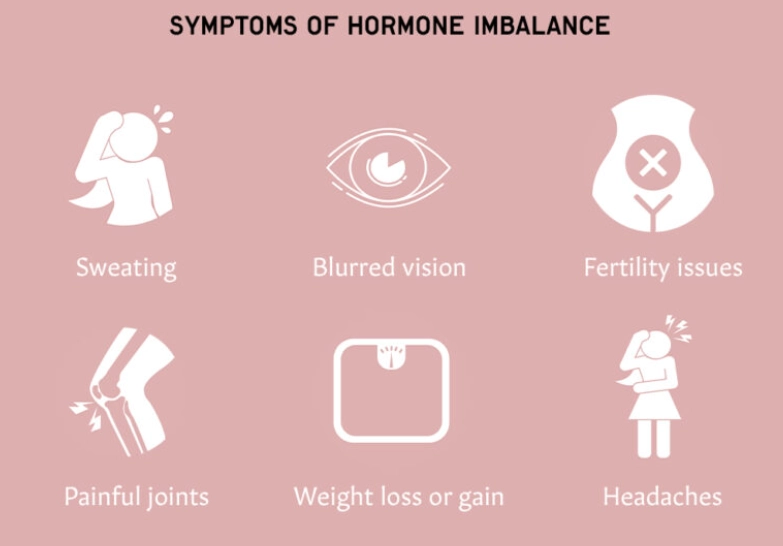
What You'll Discover in This Guide
- The Direct Link: Hormones That Can Raise Your Temperature
- The Indirect Path: How Hormone Imbalance Sets the Stage for Fever
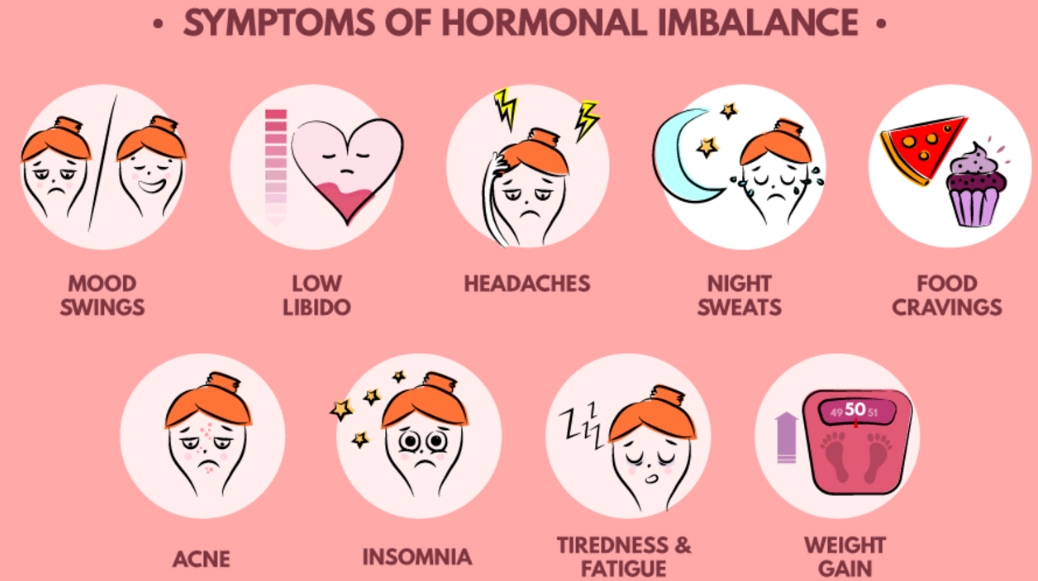
- Beyond the Thermometer: Your Hormone-Fever Symptom Checklist
- Getting Answers: The Step-by-Step Diagnostic Process
- Finding Relief: Treatment Approaches and Management
- Your Burning Questions Answered
The Direct Link: Hormones That Can Raise Your Temperature
Some hormones have a direct, thermostat-like effect on your hypothalamus, the part of your brain that regulates body temperature. When these hormones go haywire, your internal thermostat gets reset to a higher setting.
Hyperthyroidism: Your Body's Furnace on Overdrive
This is the most classic example. An overactive thyroid gland floods your system with thyroid hormone (T3 and T4). This hormone's job is to regulate metabolism. Too much of it, and your metabolic rate skyrockets. Everything speeds up – your heart, your digestion, and crucially, your heat production. Patients often describe feeling constantly warm, heat intolerant, and yes, they frequently register a low-grade fever, typically between 99.5°F and 100.9°F (37.5°C to 38.3°C). It's not an infection; it's your cells burning energy too fast.
Pheochromocytoma: The Adrenaline Storm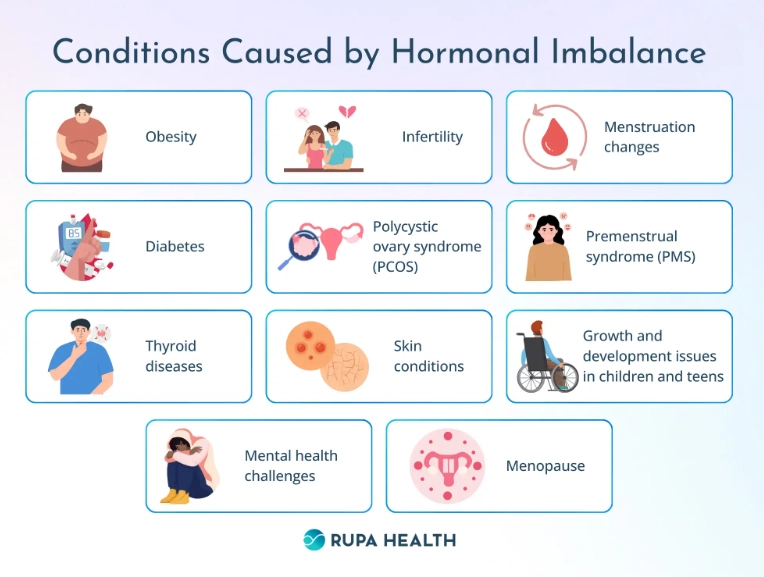
This is a rare tumor of the adrenal glands that causes massive, unpredictable surges of adrenaline and noradrenaline. These "fight or flight" hormones don't just cause panic attacks and high blood pressure. They also trigger intense heat sensations and profuse sweating. During a crisis, body temperature can spike significantly, presenting as a sudden, episodic fever. It's a dramatic and often missed cause of intermittent fever.
Estrogen and Progesterone Fluctuations
While not causing a true fever in the medical sense (≥100.4°F or 38°C), the hormonal shifts of the menstrual cycle, perimenopause, and menopause are notorious for causing hot flashes and night sweats that feel feverish. Your core temperature can fluctuate more easily, and you may feel warm to the touch. For many women, this is a monthly or daily reality that's chalked up to "just hormones," but when severe, it absolutely mimics a feverish state.
The Indirect Path: How Hormone Imbalance Sets the Stage for Fever
This is where things get more nuanced, and where most online explanations fall short. Hormone imbalances don't just directly cause heat; they create an internal environment where your body is more likely to mount a febrile response to other triggers.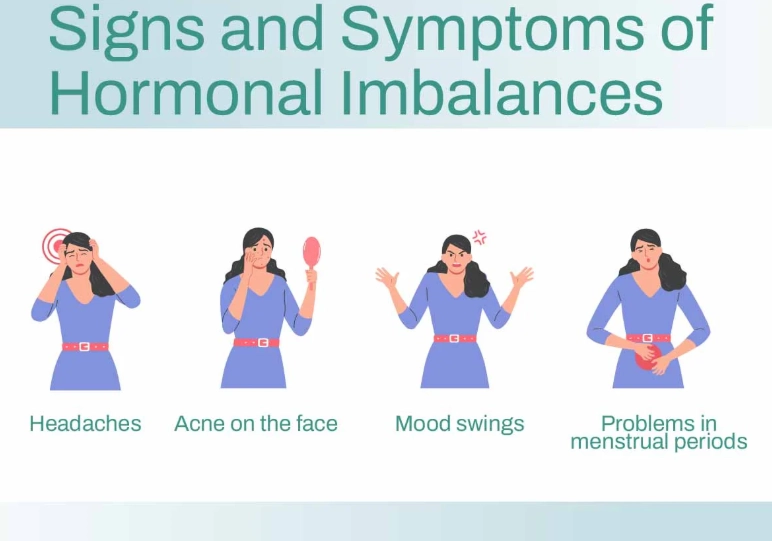
Cortisol Deficiency (Addison's Disease): Cortisol is your body's main stress hormone and a potent anti-inflammatory. When you don't have enough (like in Addison's disease or secondary adrenal insufficiency), your body's ability to regulate inflammation and respond to stress is crippled. Minor infections, vaccinations, or even physical stress that a healthy person would shrug off can trigger a disproportionate inflammatory response, including a fever. These patients are prone to frequent, unexplained low-grade fevers because their natural "fire extinguisher" (cortisol) is missing.
Sex Hormone Imbalances and Immune Function: Estrogen and testosterone significantly influence the immune system. Low testosterone in men and estrogen fluctuations in women have been linked to altered immune responses. This doesn't mean you automatically get more infections, but it can change how your body reacts. You might experience more pronounced inflammatory symptoms—like fever—from minor triggers. Research from sources like the National Institutes of Health has explored the complex interplay between sex steroids and cytokine production, the chemicals that signal fever.
The Inflammation Feedback Loop: Many chronic hormone imbalances, like hypothyroidism or polycystic ovary syndrome (PCOS), are associated with a state of low-grade chronic inflammation. This inflammatory soup constantly simmers in the background. Add any small trigger—a long day, poor sleep, a mild cold—and that simmer can quickly boil over into a full-blown inflammatory response complete with fatigue, aches, and a low-grade fever. Your body is already on edge.
Beyond the Thermometer: Your Hormone-Fever Symptom Checklist
If your fever is linked to hormones, it rarely travels alone. It brings friends. Look for these accompanying signs, which are often more telling than the temperature itself.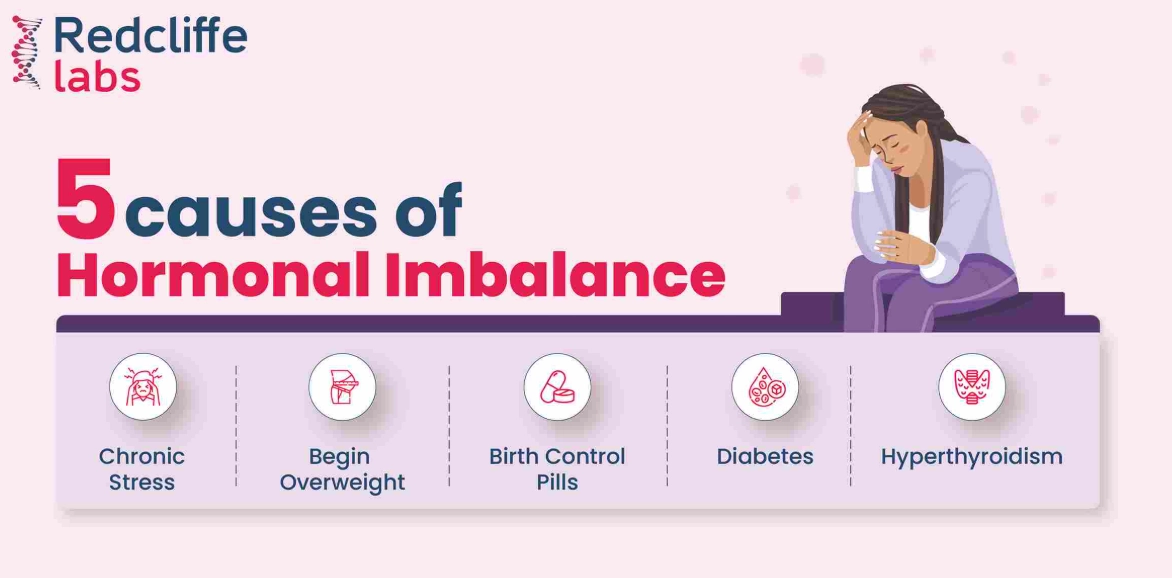
| Associated Symptom | Possible Hormonal Link | What It Feels Like |
|---|---|---|
| Unexplained Weight Change | Thyroid disorders (gain with hypo, loss with hyper), Cortisol issues (weight gain with Cushing's, loss with Addison's) | Pants fitting differently without major diet or exercise changes. |
| Severe Fatigue Not Relieved by Sleep | Almost any imbalance: Thyroid, Adrenal, Sex Hormones | A deep, bone-weary exhaustion that coffee can't touch. |
| Mood Swings, Anxiety, or Depression | Thyroid, Cortisol, Estrogen/Progesterone, Testosterone | Feeling emotionally volatile, "not yourself," for no clear reason. |
| Changes in Heart Rate | Hyperthyroidism (racing heart), Pheochromocytoma (palpitations) | Feeling your heart pound at rest, or an unusually fast or irregular pulse. |
| Skin and Hair Changes | Thyroid (dry skin, hair loss), PCOS (acne, hair growth), Cortisol (thinning skin, purple streaks) | Your hairbrush filling up more, new acne in adulthood, skin texture changes. |
| Temperature Dysregulation | Thyroid, Menopause, Adrenal | Constantly feeling too hot or too cold, night sweats, cold hands/feet. |
A fever with three or more of these companions is a red flag to dig deeper than just looking for an infection.
Getting Answers: The Step-by-Step Diagnostic Process
So you have an unexplained fever and some of these other symptoms. What now? Walking into your doctor's office and saying "check my hormones" might not get you far. You need a strategy.
Step 1: Rule Out the Common Culprits. Any good doctor will start here. This means a basic workup: complete blood count (CBC), comprehensive metabolic panel, urinalysis, and maybe a chest X-ray. The goal is to rule out obvious infections, autoimmune issues, or other systemic illnesses. This isn't a waste of time; it's essential groundwork.
Step 2: The Targeted Hormone Panel. If the basics are clear, it's time to ask for specific tests. Don't just get a "thyroid test." Request a full thyroid panel: TSH, Free T4, Free T3, and thyroid antibodies (TPO and TgAb). TSH alone misses many cases. For adrenal concerns, a morning cortisol and ACTH test is a starting point. For sex hormones, timing is everything for women—day 3 of the cycle for FSH/LH/Estradiol, day 21 for progesterone. A basic metabolic panel can also check calcium, which is relevant for parathyroid issues.
Step 3: The Pattern and History Are Key. Start tracking. Use a simple notebook or an app. Write down your temperature (take it at the same time daily), your symptoms, your menstrual cycle, stress levels, and sleep. After a few weeks, you might see a clear pattern—fevers spiking in the luteal phase, or every time work gets stressful. This diary is gold for your endocrinologist.
One common mistake? Getting tested while you're acutely sick with a fever from a virus. Acute illness can temporarily skew thyroid and cortisol results. If possible, get follow-up testing when you're in your "baseline" state, even if that baseline still includes a low-grade fever.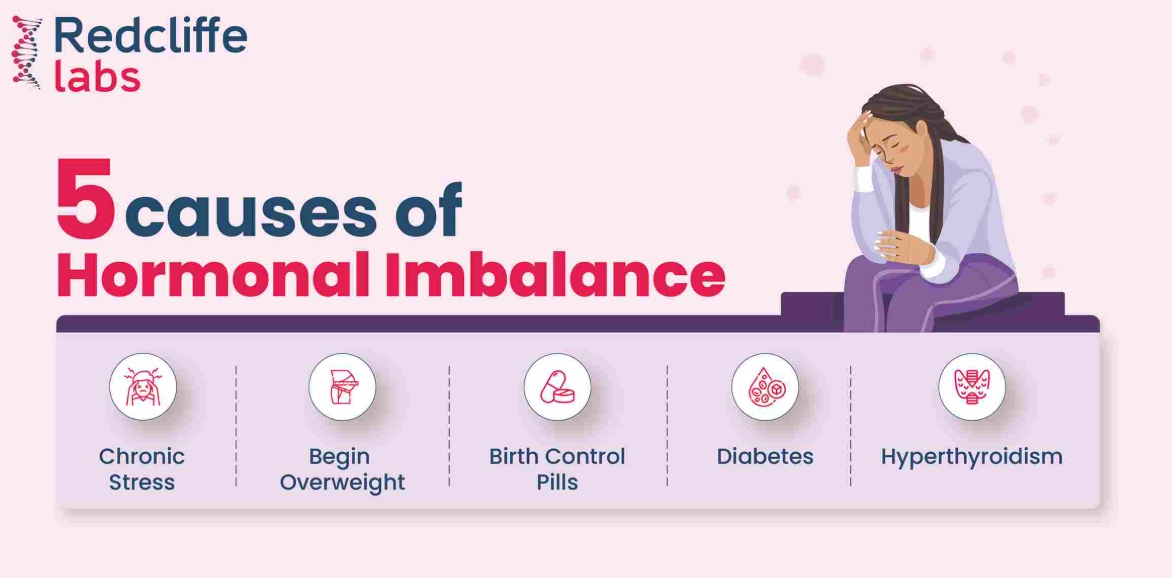
Finding Relief: Treatment Approaches and Management
The treatment depends entirely on the root cause. The fever is just a symptom; you have to treat the engine light, not just put tape over it.
For Hyperthyroidism: Treatment with anti-thyroid medications (like methimazole), radioactive iodine, or sometimes surgery aims to reduce thyroid hormone production. As hormone levels normalize, the metabolic furnace dials down, and the low-grade fever typically resolves. Beta-blockers can provide quick relief from the rapid heart rate and heat intolerance while waiting for definitive treatment to work.
For Adrenal Issues (Addison's): Replacing the missing cortisol (with hydrocortisone or prednisone) is life-saving and normalizes the body's stress and inflammatory response. Fevers driven by adrenal insufficiency usually disappear with proper steroid replacement. The dosing is critical—too little and symptoms return, too much and you get side effects of excess cortisol.
For Menopausal Hot Flashes/Fevers: Hormone replacement therapy (HRT) is the most effective treatment for vasomotor symptoms. For those who can't or won't use HRT, non-hormonal options like certain antidepressants (SSRIs/SNRIs) or gabapentin can help. Lifestyle tweaks—layered clothing, cooling pillows, identifying triggers like caffeine and alcohol—are also part of the management toolkit.
Beyond medication, foundational health practices are non-negotiable. Stress management (through meditation, yoga, or simply saying no more often) is crucial for balancing cortisol. Prioritizing sleep helps regulate countless hormones, including cortisol and growth hormone. An anti-inflammatory diet rich in whole foods, omega-3s, and low in processed sugars can help dampen the background inflammation that makes fevers more likely. It's about creating a stable internal environment.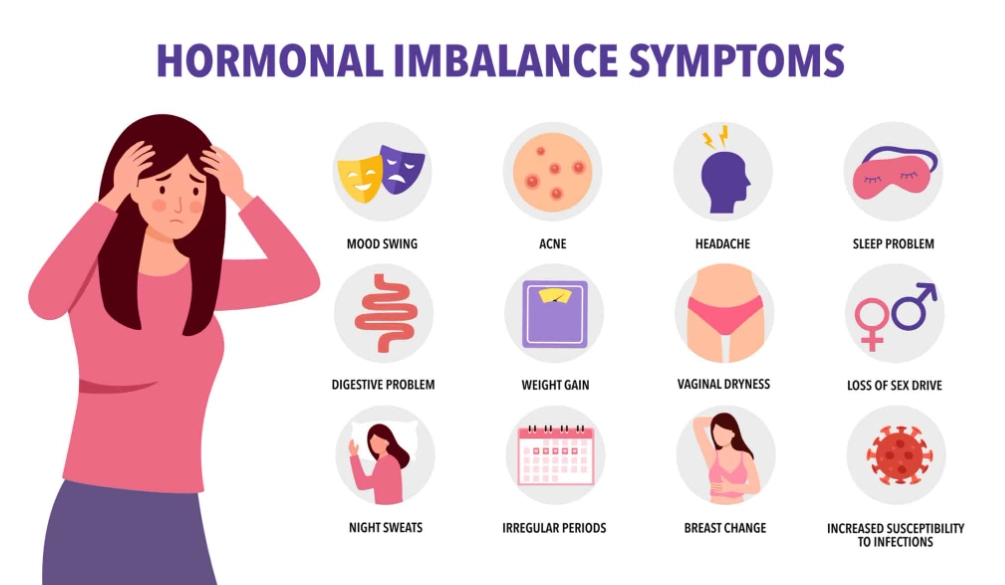
Your Burning Questions Answered
I have a low-grade fever every afternoon. Could it be my hormones?
Why did my doctor dismiss hormones when I mentioned my recurring fever?
 Can birth control pills cause a fever?
I have PCOS. Why do I feel feverish sometimes even without an infection?





Leave a comment