Your Lupus Symptom Navigator
Let's talk about something that doesn't get enough straightforward conversation: the early signs of lupus in females. If you're here, you're probably piecing together a puzzle of weird symptoms that doctors can't quite pin down. Maybe you're tired in a way that sleep doesn't fix. Or perhaps you've got a rash that comes and goes, and you're told it's just "sensitive skin." I get it. It's frustrating. Lupus, or Systemic Lupus Erythematosus (SLE) if we're being formal, is a master of disguise, especially in its early stages. It's an autoimmune disease where your body's defense system gets confused and starts attacking your own tissues. And for reasons that are still a bit of a medical mystery, it picks on women far more than men—like, nine times more often. So, let's cut through the confusion and look at what those first whispers of lupus actually look and feel like.
The Core Idea: Spotting lupus early isn't about finding one magic symptom. It's about recognizing a pattern of seemingly unrelated issues that, when viewed together, start to tell a story. Fatigue plus joint pain plus a peculiar rash is a very different story than any one of those things alone.
What Does Lupus Feel Like at the Start? The Top Early Signs
Lupus doesn't send a formal announcement. It creeps in. The early signs of lupus in females are often subtle, easy to blame on stress, a busy life, or just "getting older." But there are common threads. Based on patient reports and clinical guidelines from sources like the Lupus Foundation of America, here are the big ones you need to know about.
1. The Fatigue That Feels Different
This isn't "I stayed up too late" tired. This is a deep, bone-aching exhaustion that makes getting through a normal day feel like running a marathon. You could sleep for ten hours and wake up feeling like you never closed your eyes. It's a pervasive lack of energy that rest doesn't cure, and it's one of the most common and debilitating early signs. People describe it as a flu-like fatigue without the fever (at least, not always).
2. The Joint Pain and Stiffness
Your hands, wrists, knees, and ankles might start to ache, swell, and feel stiff, especially in the morning. It can move around—hurting in your knees one week and your fingers the next. This migratory arthritis is a classic hallmark. It's often mistaken for early rheumatoid arthritis or just overuse, but in lupus, it's usually not as destructive to the joint itself in the early phases.
3. The Skin Tell: The Butterfly Rash and More
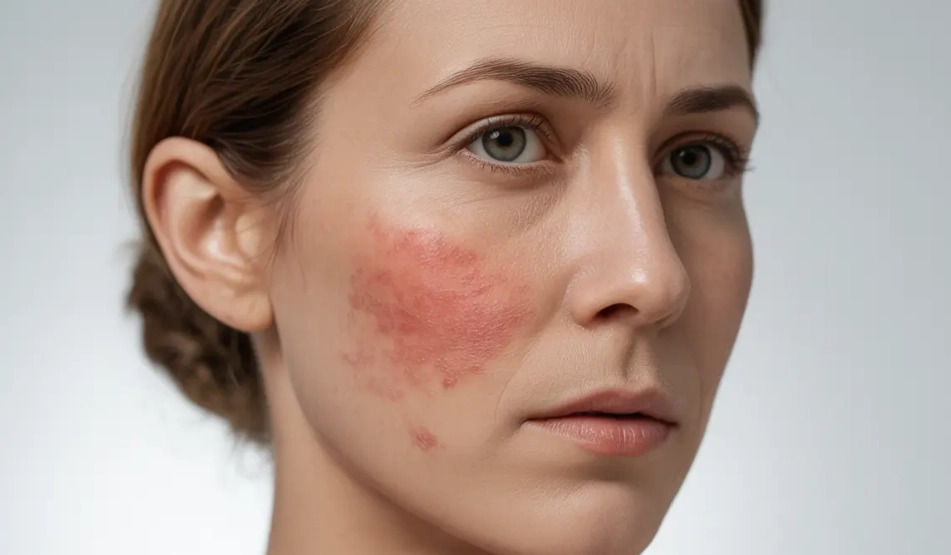
This is the sign most people picture. The malar, or "butterfly," rash is a red or purplish flat or raised rash that spreads across the cheeks and bridge of the nose, sparing the folds around the nose. It can be itchy or painful. But skin signs go beyond that. You might notice:
- Photosensitivity: Your skin throws a major fit in the sun. A short time outside can lead to a severe rash, hives, or feeling utterly wiped out. This isn't a normal sunburn; it's an exaggerated immune reaction.
- Discoid lesions: Thick, coin-shaped, scaly patches that can cause scarring, often on the scalp and face.
- Mouth or nose ulcers: Painless sores inside your nose or on the roof of your mouth (not the canker sores you get on your gums or lips from stress).
A friend of mine spent years thinking she just had "rosacea" that flared in the sun. It was only when the crushing fatigue and joint pain hit that the butterfly rash was seen in a new light. It's scary how easy it is to explain away a single symptom.
4. Fever and Swelling
Low-grade, unexplained fevers (usually below 101°F or 38.3°C) are common as the body fights itself. You might also notice swelling around your eyes (periorbital edema) or in your legs, which can point to early kidney involvement—a serious aspect of lupus that needs immediate attention.
5. Hair Loss and Changes
Not just a few extra strands in the brush. We're talking about noticeable thinning or clumps of hair coming out, sometimes in patches. The hair may also become drier, more brittle, and break easily. This can be devastating and is often a huge red flag for women.
6. Raynaud's Phenomenon
Your fingers and toes turn white, then blue, then red in response to cold or stress. They can feel numb, cold, or painful. It's a circulation issue caused by inflammation in the small blood vessels and is a frequent companion to lupus.
Why Are Women the Prime Target for Lupus?
This is the million-dollar question. The stark disparity points heavily to hormones. Estrogen is thought to stimulate the immune system, while androgens (like testosterone) may suppress it. The years when estrogen is highest—from puberty to menopause—are the peak times for lupus to appear. Puberty, pregnancy, and the postpartum period are common trigger points. Genetics also play a role; having a family member with lupus or another autoimmune disease (like rheumatoid arthritis or thyroid disease) increases your risk. Environmental triggers, like viral infections, severe stress, or sunlight, can then pull the trigger in someone who's genetically predisposed.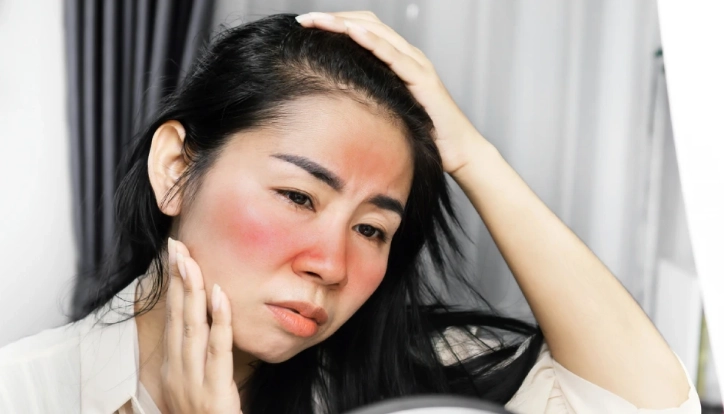
Important: Having one or even a few of these symptoms does NOT mean you have lupus. Many are common to other conditions. The key is the combination, persistence, and the fact that they occur together. Only a doctor can make the diagnosis.
How on Earth Do You Get Diagnosed? The Path Isn't Straight.
This is where things get tricky, and honestly, where the medical system can fail people. There's no single "lupus test." Diagnosis is a detective game based on a combination of your symptoms, a physical exam, and a battery of lab tests. The American College of Rheumatology has criteria, but applying them is an art.
The journey often starts with a primary care doctor, who should then refer you to a rheumatologist—a specialist in autoimmune and arthritis conditions. Be prepared to advocate for yourself. Keep a detailed symptom diary: what hurts, when, what it looks like, what makes it better or worse. Take pictures of rashes.
The Key Blood Tests in the Lupus Workup
Your doctor will likely order a panel of tests. Here’s what they’re looking for:
| Test Name | What It Looks For | Why It Matters for Lupus |
|---|---|---|
| ANA (Antinuclear Antibody) | Antibodies that attack the nucleus of your own cells. | Positive in over 95% of lupus patients. It's a great screening tool, but a positive ANA alone is NOT a lupus diagnosis—many healthy people have a positive ANA. |
| Anti-dsDNA | Antibodies against double-stranded DNA. | Highly specific for lupus. A positive test strongly supports the diagnosis and often correlates with kidney disease activity. |
| Anti-Smith (Anti-Sm) | Antibodies against Sm proteins in the cell nucleus. | Also highly specific for lupus (though not as common as Anti-dsDNA). Its presence is another strong indicator. |
| Complete Blood Count (CBC) | Levels of red cells, white cells, and platelets. | Lupus can cause anemia (low red cells), leukopenia (low white cells), or thrombocytopenia (low platelets). |
| Complement Levels (C3, C4) | Proteins that help the immune system fight infections. | Low levels indicate the complement system is being "used up" by the active autoimmune process, signaling disease activity. |
| Urinalysis | Protein, blood, or cellular casts in the urine. | A crucial test to check for lupus nephritis (kidney inflammation), a serious complication. |
Putting this puzzle together takes time. You might not tick every box right away. Some doctors are quicker to diagnose than others, which is a genuine point of frustration in the patient community. The National Institute of Arthritis and Musculoskeletal and Skin Diseases (NIAMS) provides excellent resources on the diagnostic process that can help you understand what to expect.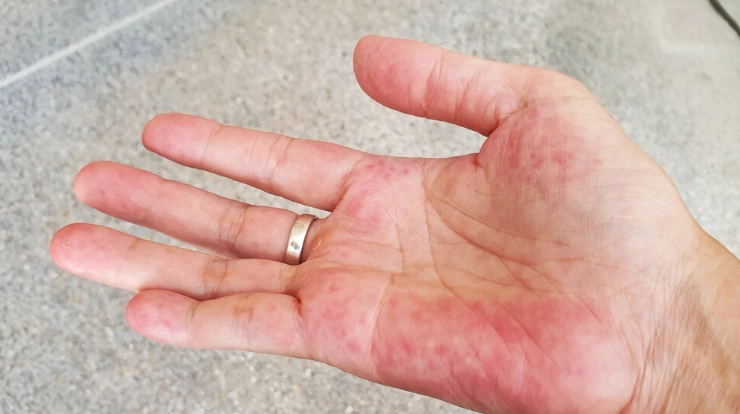
When Should You Actually Go See a Doctor?
Don't wait until you have every symptom on the list. If you're experiencing a combination of these early signs of lupus in females—especially unexplained fatigue with joint pain and/or a skin rash—that lasts for more than a few weeks and is impacting your life, make an appointment.
Red Flags for an Sooner Appointment: Chest pain or shortness of breath (could indicate heart or lung inflammation), severe headache or confusion (possible nervous system involvement), or sudden, significant swelling (potential kidney issues). These warrant prompt medical evaluation.
Go in with your notes. Say, "I'm concerned about these persistent symptoms: fatigue, joint pain in my hands, and this rash that appears in the sun. I've read about lupus and would like to explore if it could be a possibility." Being direct can help focus the conversation.
Common Questions Women Ask About Early Lupus
Let's tackle some of the real, nitty-gritty questions that keep people up at night.
It's rare, but yes. About 1-2% of people with SLE are ANA-negative. They often have other specific antibodies (like Anti-Ro) or meet other clinical criteria. If symptoms strongly point to lupus but the ANA is negative, a rheumatologist will dig deeper.
Great question, and they often get mixed up. Both cause joint pain and fatigue. RA joint pain is usually more symmetrical and persistent in the same joints, causing more bony erosion seen on X-rays. Lupus joint pain is more migratory and causes less destruction. The skin rashes, sun sensitivity, kidney issues, and positive Anti-dsDNA/Anti-Smith tests are much more characteristic of lupus.
Not necessarily. Lupus is famous for its flares (periods of high activity) and remissions (periods of low or no activity). The goal of treatment is to induce and maintain remission, prevent organ damage, and manage symptoms. With modern treatments, many people live full lives. However, it's a serious disease that requires consistent management. The outlook is highly individual.
This is a major concern. Lupus can increase the risk of complications like preeclampsia, preterm birth, and miscarriage. The best plan is to conceive when the disease has been in remission for at least 6 months. A high-risk obstetrician working closely with your rheumatologist is essential. Some lupus medications are safe in pregnancy; others are not. Planning is everything. Resources from the American College of Rheumatology can guide these discussions.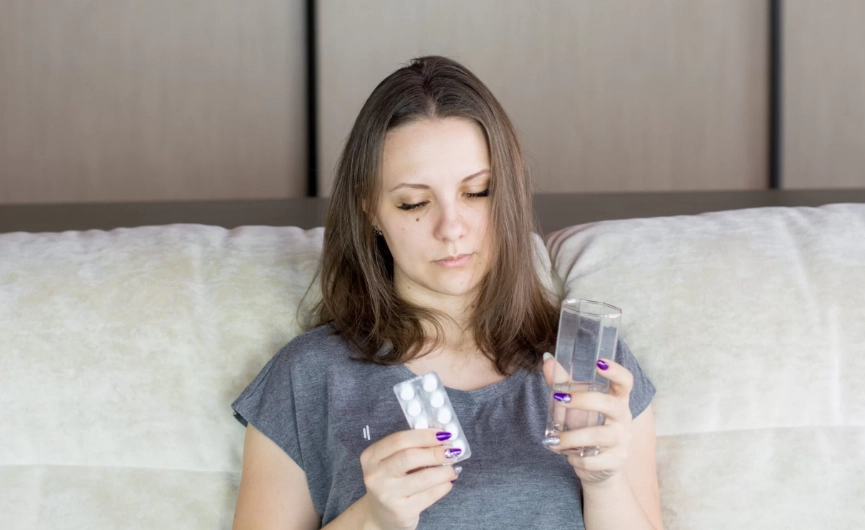
What Happens After You Notice the Early Signs?
Let's be real: getting a diagnosis can be a relief, but it's also the start of a new chapter. Treatment focuses on controlling symptoms, calming the overactive immune system, and preventing flares. It's not one-size-fits-all. Common medications include:
- Antimalarials (Hydroxychloroquine): The cornerstone of therapy for most patients. It helps with fatigue, joint pain, skin rashes, and prevents flares. It's generally safe for long-term use.
- NSAIDs: For pain and inflammation.
- Corticosteroids (like prednisone): Powerful anti-inflammatories used for short-term control of severe symptoms. Long-term use has significant side effects.
- Immunosuppressants: For more serious organ involvement.
- Biologics: Targeted therapies for specific parts of the immune system.
Lifestyle becomes your co-pilot. Sun protection (broad-spectrum SPF 50+, hats, long sleeves) is non-negotiable. Stress management techniques, balanced nutrition, gentle regular exercise when you're able, and good sleep hygiene are all critical parts of the management plan.
Recognizing the early signs of lupus in females is the first and most crucial step toward getting answers and proper care. It's a confusing and often lonely path, but understanding these patterns empowers you to have a more informed conversation with your doctor. Listen to your body. If something feels systemically wrong—a collection of oddities that won't go away—trust that instinct. Pursue the answers. Early diagnosis and treatment can make a profound difference in managing this complex disease and protecting your long-term health and quality of life.

Leave a comment