Let's talk about something we often take for granted until it's too late: our bones. For women, bone health isn't just about avoiding fractures in old age. It's about maintaining strength, independence, and vitality for decades. The scary part? Bone loss is a silent process. You won't feel your bones getting weaker until one day, a simple stumble leads to a break. The good news is you have immense power to influence this process, starting today. This isn't about fear-mongering; it's about giving you a clear, actionable roadmap.
Your Quick Bone Health Roadmap
How to Build Strong Bones with the Right Diet
Think of your bones as a bank account for minerals. You make deposits through your diet. The two most famous minerals are calcium and vitamin D. But here's where many women go wrong: they focus solely on calcium, forgetting that vitamin D is the key that unlocks your body's ability to absorb it. Without enough D, that calcium you're swallowing might just pass right through you.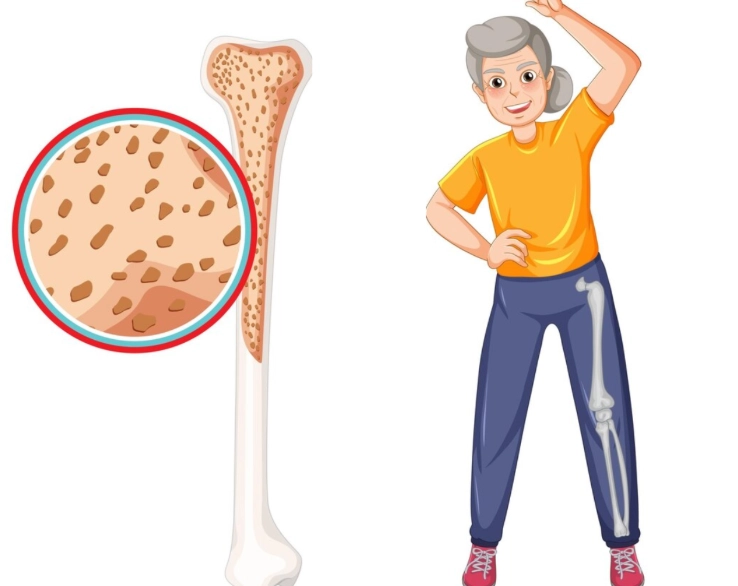
So, what should you actually eat?
Top Food Sources for Key Bone Nutrients
| Nutrient | Why It's Crucial | Best Food Sources (with a twist) | Daily Goal for Women Over 50 |
|---|---|---|---|
| Calcium | Primary building block of bone. | Plain yogurt (1 cup: 300-400 mg), canned sardines with bones (3 oz: 325 mg), fortified plant milk (1 cup: ~300 mg), firm tofu made with calcium sulfate (½ cup: 250-350 mg). Cheese is good, but watch the saturated fat. | 1200 mg |
| Vitamin D | Enables calcium absorption; regulates bone remodeling. | Fatty fish (salmon, mackerel), egg yolks, fortified foods (milk, OJ, cereals). Sunlight is the best source (10-30 mins midday, arms/legs exposed, no sunscreen). | 800-2000 IU (Check your levels!) |
| Protein | Provides the collagen framework that minerals cling to. | Greek yogurt, chicken, fish, lentils, chickpeas, quinoa. Don't fear protein; your bones need it at every meal. | 1.0-1.2 grams per kg of body weight |
| Magnesium & Vitamin K | The unsung heroes. Mg helps convert Vit D to active form. K2 directs calcium into bones, not arteries. | Mg: Almonds, spinach, black beans, avocado. K2: Natto (fermented soy), hard cheeses, egg yolks, chicken liver. | Mg: 320 mg / K: 90 mcg |
Aim for three servings of calcium-rich foods daily. One serving is a cup of milk/yogurt or a 1.5-ounce slice of cheese. Spread them out. Your body can only absorb about 500 mg of calcium at a time.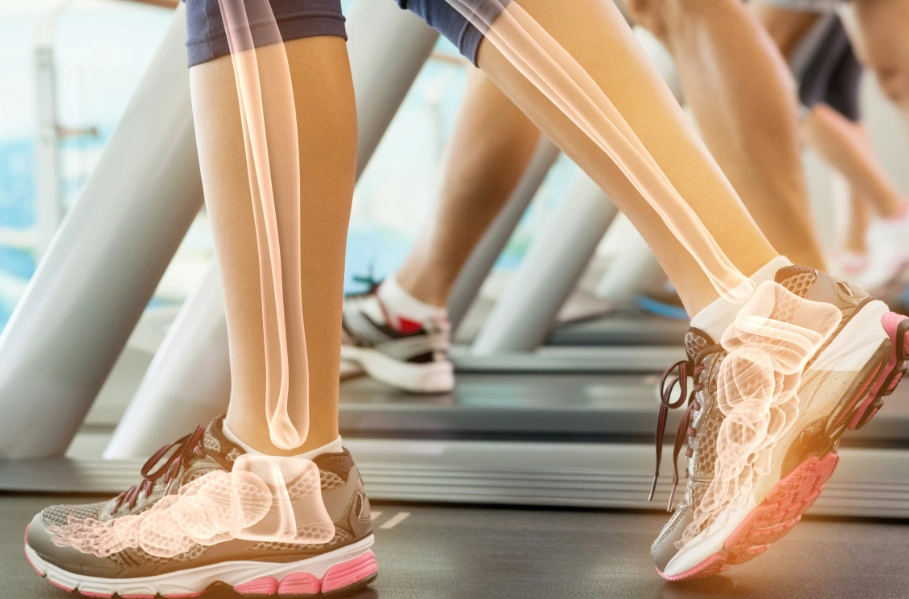
What Role Does Exercise Play in Bone Health?
Bone is living tissue. It responds to stress by getting stronger. If you don't stress it, it assumes you don't need it and starts to reabsorb. The best stress for bones is weight-bearing and impact. Swimming and cycling are fantastic for your heart, but they do almost nothing for your bones because they're non-weight-bearing.
You need a mix:
1. Weight-Bearing Impact Exercise: This is where your body works against gravity. Think walking, jogging, dancing, stair climbing, hiking, tennis. Even better? Activities with varied impact, like jumping jacks, skipping rope, or box jumps (if your joints allow). Start with 20-30 minutes, most days.
2. Strength Training (Non-Negotiable): This is the most potent stimulus for bone growth. Lifting weights, using resistance bands, or doing bodyweight exercises (squats, lunges, push-ups) creates tiny micro-stresses that trigger bone-building cells. Focus on major muscle groups: legs, back, chest, arms. Twice a week is a game-changer.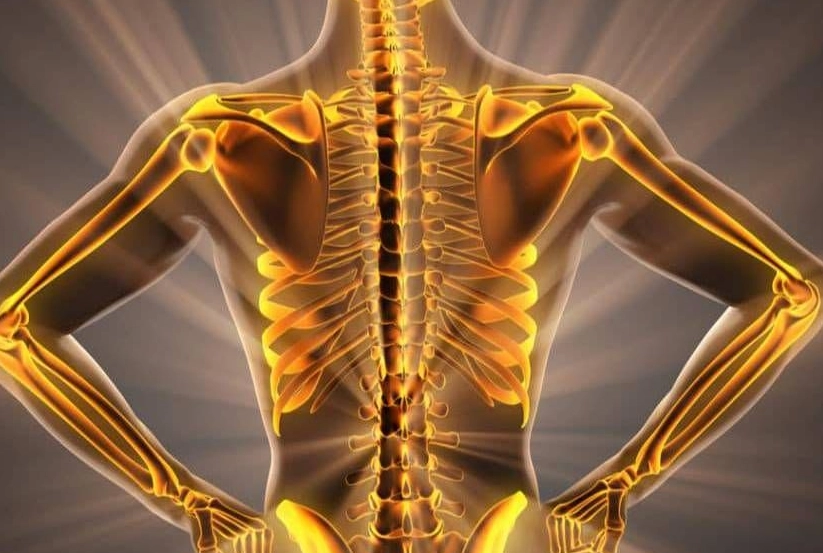
Lifestyle Habits That Weaken or Strengthen Your Bones
Your daily choices outside the gym and kitchen matter hugely.
Smoking: It's a direct bone toxin. It kills bone-building cells (osteoblasts) and increases bone loss. Quitting is the single best thing you can do.
Alcohol: More than one drink per day for women interferes with calcium balance and bone formation. It also increases fall risk. Moderation is key.
Excessive Caffeine & Salt: Both can cause your body to excrete more calcium in urine. A couple of coffees is fine, but don't live on espresso shots. Watch hidden salt in processed foods.
Chronic Stress & Poor Sleep: High cortisol (the stress hormone) over long periods breaks down bone. Prioritize sleep (7-9 hours) and stress management (meditation, walking, hobbies). Your bones hear your anxiety.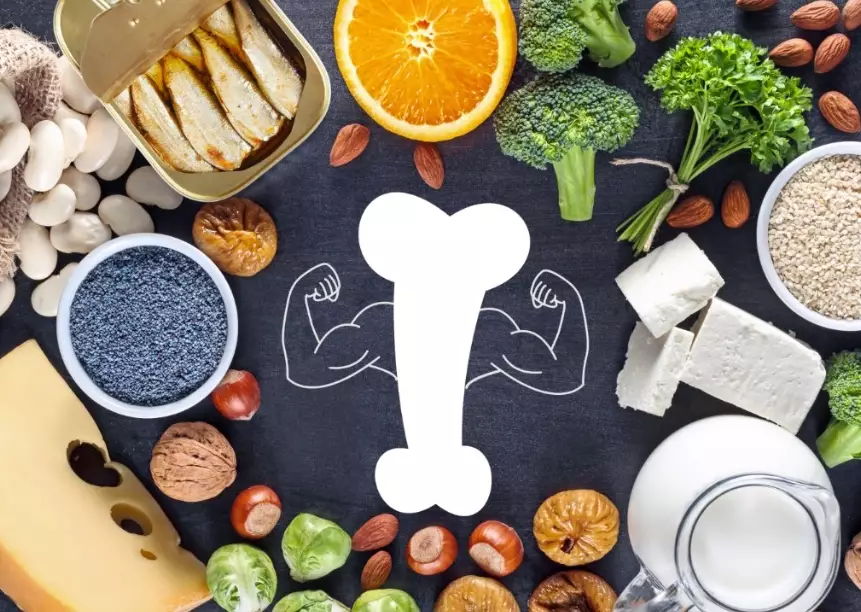
Do You Really Need Supplements?
Maybe. Food first, always. But reality check: most women don't get enough vitamin D from sun and food, especially in winter or if they use sunscreen (which you should for skin cancer prevention).
My rule of thumb: Get a blood test to check your 25-hydroxy vitamin D level. If it's below 30 ng/mL, supplement. A daily dose of 1000-2000 IU of D3 is common and safe. For calcium, try to hit your goal with food. If you consistently fall short by 300-500 mg, a small supplement can fill the gap. Take it with food for better absorption.
Avoid megadoses. More is not better and can be harmful.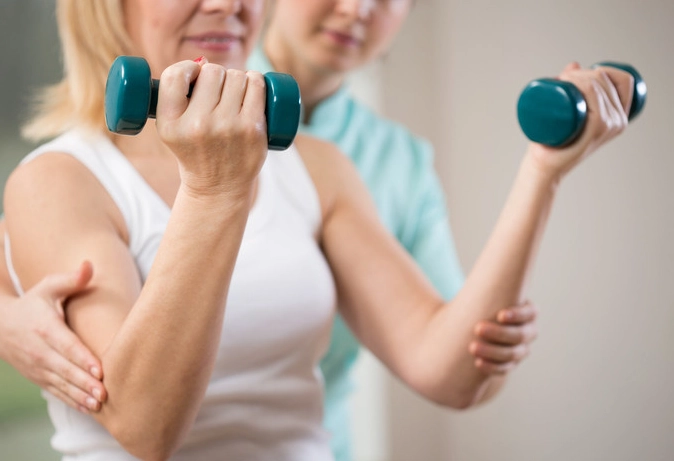
How to Know If Your Bones Are Actually Getting Stronger
You can't feel bone density changes. You need data.
The gold standard is a DXA scan (Dual-energy X-ray Absorptiometry). It's a quick, low-radiation scan that gives you a T-score, comparing your bone density to that of a healthy 30-year-old woman.
When to get one? The National Osteoporosis Foundation recommends a baseline DXA scan for all women at age 65, or at menopause if you have risk factors (family history, petite frame, previous fracture, steroid use). Talk to your doctor.
Other signs to watch for: losing height, developing a stooped posture, or new back pain can be silent signs of vertebral fractures. Don't ignore them.
Your Top Bone Health Questions Answered
It's the perfect time. Your peak bone mass is reached in your late 20s to early 30s. Think of this decade as your final chance to max out your bone "bank account." The stronger your bones are now, the more you have to lose later. The habits you build now—strength training, good nutrition—set the trajectory for the next 50 years.
Absolutely. The table above has plenty of non-dairy options. Fortified plant milks (almond, soy, oat) are excellent. Canned fish with bones (sardines, salmon) are a powerhouse. Tofu, tempeh, leafy greens (kale, collards), almonds, and figs all contribute. It requires a bit more planning, but it's very doable.
It's not too late to strengthen the bone you have and prevent further loss. The strategies here are your foundation. Your doctor will likely prescribe medication (bisphosphonates, etc.) to significantly reduce fracture risk. Combine that medication with consistent weight-bearing exercise (under guidance), adequate protein, and calcium/vitamin D. You can still build bone and improve quality of life.
It doesn't matter much for absorption, but there are practical considerations. Taking it with a meal reduces the chance of stomach upset. If you take thyroid medication or certain antibiotics, calcium can interfere, so take them several hours apart. Splitting a large dose (e.g., 600 mg AM, 600 mg PM) can improve absorption efficiency. Consistency matters more than timing.
They are fantastic for balance, flexibility, and core strength—which are critical for preventing falls. However, most yoga and Pilates poses are not high-impact or high-load enough to be considered primary bone-building exercises. They are a superb complement to weight-bearing cardio and strength training. Think of them as part of the package, not the whole solution.
The path to stronger bones isn't a mystery. It's a commitment to consistent, smart choices. Start with one change. Add a strength session this week. Get your vitamin D checked. Add a serving of yogurt to your lunch. Your future self, standing tall and strong, will thank you.


Leave a comment