Let's get straight to the point. Can you prevent endometriosis with 100% certainty? No. The exact causes are still being untangled, and factors like genetics play a role you can't change. That's the honest truth. But here's the more important, and often missed, perspective: while you can't guarantee prevention, a growing body of research strongly suggests you can influence your risk profile. Think of it not as a binary on/off switch, but as a dimmer. Your choices can turn the dial toward a lower risk setting. This guide focuses on what science indicates might help turn that dial, moving beyond generic "live healthy" advice to specific, actionable strategies.
Your Guide Inside: What We'll Cover
The Hormone Connection: More Than Just Birth Control
Estrogen fuels the growth of endometrial-like tissue. So, strategies that reduce lifetime estrogen exposure are a cornerstone of risk reduction. But it's not as simple as "take the pill."
Long-term use of combined hormonal contraceptives (the pill, patch, ring) is consistently linked to a lower risk of developing endometriosis. They work by suppressing ovulation and creating lighter, more regular periods. This potentially reduces retrograde menstruation—the backward flow of menstrual tissue thought to be one seeding event for endometriosis.
A Subtle Mistake Many Make
Here's a nuance most articles don't mention: not all pills are equal for this purpose. Pills with lower estrogen doses might be great for minimizing side effects like bloating, but some experts in the field quietly observe that for maximum suppression of endometrial activity, a formulation with a moderate, steady estrogen level might be more effective than an ultra-low-dose one. This isn't about more being better; it's about consistent suppression. It's a conversation to have in detail with a gynecologist who understands endometriosis, not just general contraception.
Other hormone-influencing factors:
- Pregnancy and breastfeeding: The high progesterone, low estrogen state of pregnancy and the amenorrhea (absence of periods) during exclusive breastfeeding create a long hormonal hiatus. This is a natural period of suppression.
- Early menarche and short cycles: Starting periods young (before 11) and having frequent cycles (less than 27 days) increase the number of lifetime periods, potentially raising exposure. While you can't change when you started, understanding this as a risk factor underscores the importance of other modifiable strategies.
Key Takeaway: Hormonal management is a primary lever. It's about creating extended periods of reduced menstrual flow and estrogen dominance. Discuss the specific goal of endometrial suppression with your doctor when choosing a method.
Taming Inflammation: Your Body's Internal Fire
Endometriosis is now widely recognized as an inflammatory disease. The lesions create inflammation, and systemic inflammation can, in turn, fuel their growth and the pain they cause. This creates a vicious cycle. Your goal is to prevent that cycle from starting or to dampen its intensity.
Chronic, low-grade inflammation can come from many sources:
- Dietary choices (we'll dive deeper next).
- Persistent stress (elevates cortisol and inflammatory cytokines).
- Lack of restorative sleep.
- Environmental toxins (like certain endocrine disruptors found in some plastics and pesticides).
I recall a patient who was doing "all the right things" diet-wise but worked a high-stress night shift and slept poorly during the day. Her inflammatory markers remained stubbornly high. Only when she addressed the sleep-stress axis (by changing shifts, as hard as that was) did we see a significant shift in her overall symptom profile. The inflammation from lifestyle was undermining her dietary efforts.
Lifestyle Pillars: Diet, Movement, and Stress
This is where you have the most direct control. Let's break it down into practical, non-overwhelming steps.
Diet: Think Anti-Inflammatory, Not Restrictive Fad
Forget extreme diets. Focus on patterns. The Mediterranean diet is a fantastic template because it's inherently anti-inflammatory.
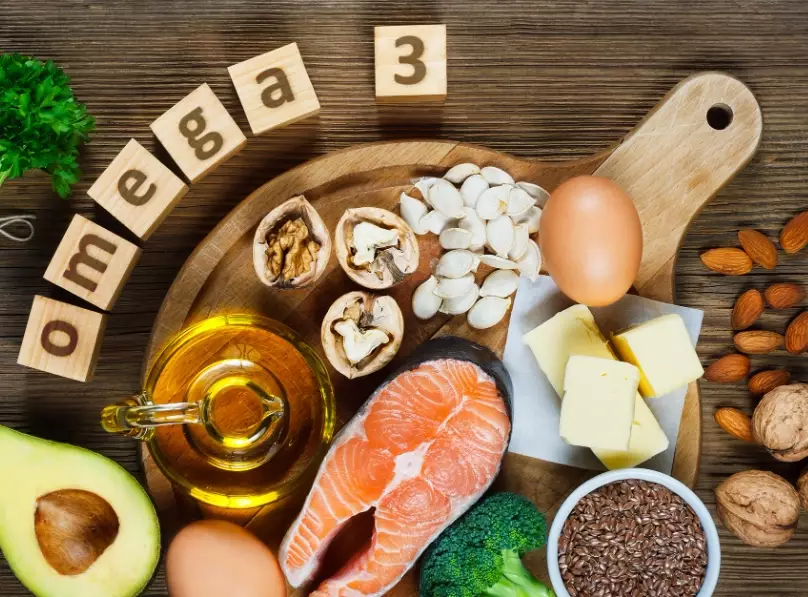
- Double down on Omega-3s: These are potent inflammation fighters. Aim for fatty fish (salmon, mackerel, sardines) 2-3 times a week. If you don't eat fish, a high-quality algae-based supplement is an option. Flaxseeds and walnuts are good plant sources.
- Color your plate: Deeply colored fruits and vegetables (berries, leafy greens, tomatoes, beets) are packed with antioxidants that combat oxidative stress, a driver of inflammation.
- Choose smart fats: Olive oil, avocados, nuts. Reduce processed seed oils (soybean, corn, sunflower oil) often found in fried and packaged foods, which can promote inflammation.
- The Red Meat & Dairy Question: The data isn't black and white. Some studies suggest high intakes of red meat and certain dairy fats (not all dairy) might be pro-inflammatory for some individuals. I suggest an experiment: try reducing them for 6-8 weeks and note any changes in bloating, pain, or energy. It's about personal observation, not dogma.
Movement: Consistency Over Intensity
Regular, moderate exercise is a powerful anti-inflammatory. It improves circulation, helps with estrogen metabolism, and reduces stress.
The mistake? Going from zero to high-intensity intervals (HIIT) when you're not conditioned. For some with pelvic congestion, intense core work or jumping can flare pain. Start with walking, swimming, cycling, or yoga. Consistency—30 minutes most days—is the goal. Listen to your body. A gentle walk is infinitely better than a punishing workout you dread and then skip.
Stress Management: It's Not Fluff
Chronic stress chemically promotes inflammation. Find your release valve. It could be:
- 10 minutes of guided meditation (apps can help).
- Journaling to dump anxious thoughts.
- Spending time in nature.
- A creative hobby.
This isn't about achieving zen; it's about giving your nervous system regular breaks from "fight-or-flight" mode.
The Power of Early Awareness and Advocacy
Prevention also means preventing diagnostic delay, which averages 7-10 years. That's years of progressive disease and pain. If you have symptoms—severely painful periods, pain with sex, bowel or bladder issues during your cycle, chronic pelvic pain—do not accept "it's just bad periods."
Track your symptoms meticulously. Use an app or a notebook. Note pain levels, bowel habits, energy, and mood across your cycle. This data is gold when you see a doctor. It moves the conversation from "I have pain" to "I have debilitating pain that peaks two days before my period and radiates to my rectum, scoring an 8/10, and I've tracked it for three cycles." That's harder to dismiss.
Seek a healthcare provider who listens. This might be a gynecologist, but also consider a functional medicine doctor or a naturopath with a gynecology focus for a holistic risk-reduction plan. You are the CEO of your health; assemble a team that supports your goals.
Your Questions, Answered Honestly
The journey to lower your endometriosis risk isn't about perfection. It's about consistent, informed choices that tilt the odds in your favor. It's about understanding your body, advocating for it, and building a lifestyle that minimizes inflammation and supports hormonal balance. Start with one thing—maybe adding more omega-3s to your week or committing to a 15-minute walk daily. That's how you turn the dial.

Leave a comment