You just got your blood test results back, and your LDL cholesterol is higher than you'd like. Your doctor mentions diet, maybe a statin. But your first thought is simpler: what can I drink to help fix this? The good news is, your kitchen might already hold some powerful tools. Choosing the right beverages can be a direct, enjoyable, and effective part of your strategy to manage cholesterol levels naturally.
This isn't about magic potions. It's about understanding the specific compounds in certain drinks—like soluble fiber, plant sterols, and antioxidants—that interfere with how your body absorbs or produces cholesterol. We'll cut through the noise and look at what the research from places like the American Heart Association and Harvard Medical School actually says works.
What's Inside This Guide
The Top Cholesterol-Fighting Drinks (Ranked by Evidence)
Not all drinks are created equal. Some have a mountain of evidence, others have promising but preliminary data. I've ranked these based on the strength of clinical research supporting their cholesterol-lowering effects, focusing on drinks you can realistically consume daily.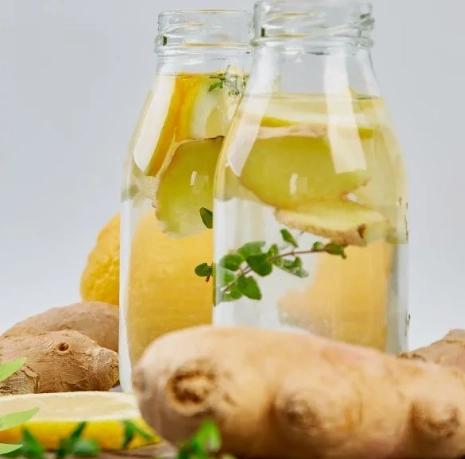
| Drink | Key Active Component | How It Helps Cholesterol | Typical Effective Amount |
|---|---|---|---|
| Oat Milk / Oat-Based Smoothies | Beta-glucan (Soluble Fiber) | Binds to bile acids in the gut, forcing the liver to use cholesterol to make more, thereby lowering circulating LDL. | ~3 grams of beta-glucan daily (about 2-3 cups of oat milk). |
| Green Tea | Catechins (EGCG) | May reduce the absorption of cholesterol in the intestines and inhibit its production in the liver. | 2-4 cups daily (brewed, not bottled sugary versions). |
| Soy Milk | Isoflavones & Soy Protein | Directly interferes with cholesterol synthesis. The FDA approves a heart health claim for 25g of soy protein daily. | 1-2 cups daily (look for unsweetened, fortified). |
| Tomato Juice (Low-Sodium) | Lycopene | Powerful antioxidant that may prevent the oxidation of LDL cholesterol, a key step in plaque formation. | 1 cup daily (check labels for no added sugar/salt). |
| Cranberry Juice (100% Pure, Unsweetened) | Polyphenols & Proanthocyanidins | Shown in studies to improve the total cholesterol to HDL ratio and act as a strong antioxidant. | 1 small glass (8 oz) daily (diluted with water is best). |
| Water (Infused with Citrus/Soluble Fiber) | Hydration & Supplemental Fiber | Proper hydration supports all metabolic processes. Adding a spoon of psyllium husk turns water into a soluble fiber drink. | Throughout the day. Add 1 tsp psyllium to a large glass. |
A quick note on red wine and pomegranate juice. They get a lot of press. The polyphenols in them (resveratrol in wine, punicalagins in pomegranate) are excellent antioxidants. Some studies show benefits for HDL and arterial health. But the evidence for directly lowering LDL cholesterol isn't as robust or consistent as for the drinks above. And with wine, the alcohol downside often outweighs the potential benefit. I'd file these under "maybe helpful for broader heart health, but don't count on them as your primary cholesterol-lowering tactic."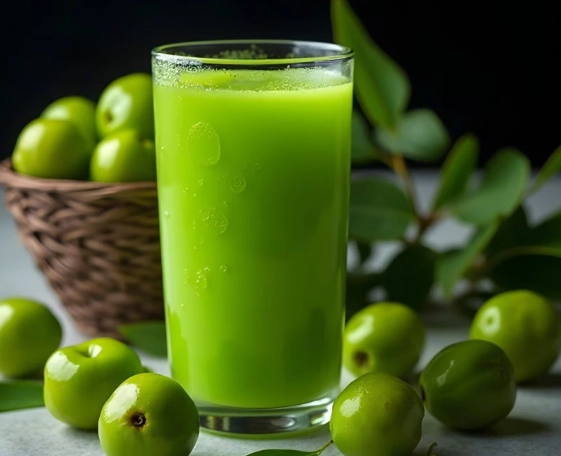
How These Drinks Actually Work to Lower Cholesterol
It's not magic. These drinks work through a few clear biological mechanisms. Knowing this helps you understand why just "drinking more green tea" isn't a plug-and-play solution.
The Bile Acid Sequestration Method (Oats Rule Here)
This is the most straightforward mechanism. Your liver uses cholesterol to make bile acids, which help digest fats. Soluble fiber—beta-glucan in oats, psyllium husk—acts like a sponge in your small intestine. It binds to these bile acids and escorts them out of your body as waste. Now your liver needs to make more bile acids. Where does it get the raw material? From your bloodstream's cholesterol pool. This process directly lowers your LDL levels. It's so effective that the FDA allows a health claim for oats and heart disease.
The Cholesterol Synthesis Interference Method (Soy & Tea)
Your body manufactures most of its cholesterol internally. Compounds in soy (isoflavones, protein) and green tea (catechins) appear to gently tap the brakes on the key enzyme (HMG-CoA reductase) responsible for this production. It's a milder, natural version of how statin drugs work. They don't shut it down; they just nudge it toward a lower output. This is why consistency matters—you're providing a daily, gentle modulating signal.
The Antioxidant Shield Method (Tomato, Cranberry, Tea)
LDL cholesterol itself isn't the main villain. It's when LDL particles become oxidized (damaged by free radicals) that they become inflammatory and likely to stick to artery walls. The antioxidants in these drinks—lycopene, vitamin C, various polyphenols—patrol your bloodstream, neutralizing free radicals and helping to keep LDL particles from turning into the problematic, oxidized form. This is about preventing damage, not removing the LDL, making it a crucial supporting actor.
The Timing Tip Most People Miss: When you drink matters almost as much as what you drink. Having your oat milk latte or soluble fiber supplement with or just before a meal is far more effective than having it on an empty stomach. The fiber needs to be in the gut mixing with the food and bile acids to do its binding job. Having your cholesterol-lowering drink separate from meals is one of the biggest silent mistakes people make.
How to Incorporate Them Into Your Daily Routine
Let's get practical. You're not going to drink five different specialty beverages a day. The goal is seamless integration.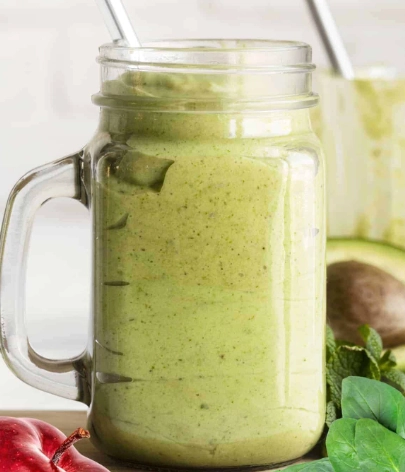
Morning: This is your prime opportunity. Swap your regular dairy milk in cereal or coffee for unsweetened oat or soy milk. If you have a blender, a smoothie with oat milk, a handful of spinach, half a banana, and a tablespoon of ground flaxseed is a cholesterol-lowering powerhouse breakfast. The flax adds more soluble fiber and healthy omega-3s.
Midday / With Meals: Make green tea or hibiscus tea your default lunch beverage. Brew a big pot in the morning, let it cool, and keep it in the fridge. Have a small glass of low-sodium tomato juice or diluted cranberry juice with your sandwich. The key is pairing the drink with food to maximize the bile acid binding effect for fiber-rich options.
Evening / Snacks: A warm cup of soy milk with a dash of cinnamon can be a great evening treat. If you struggle with late-night snacking, a big glass of water with a teaspoon of psyllium husk stirred in (drink it immediately before it gels) can provide soluble fiber and a feeling of fullness. Just follow it with another plain glass of water.
Think of it as layering. You might not hit the optimal 3 grams of beta-glucan from oats every single day, but between oat milk in the morning, a green tea at lunch, and a soy-based dinner, you're consistently providing your body with different tools to manage cholesterol throughout the day.
Common Mistakes to Avoid When Using Drinks for Cholesterol
I've seen people get excited about this concept and then undermine their efforts with simple errors.
- Loading Up on Sugar: This is the #1 killer of benefits. A bottle of "green tea" from the store is often just sugar water with a hint of tea. Sweetened oat milk, cranberry cocktail (vs. 100% juice), and flavored soy milks can have as much sugar as soda. Always choose unsweetened versions. If you need sweetness, add a tiny bit of honey or stevia yourself so you control the dose.
- Ignoring the Rest of Your Diet: Drinking oat milk while eating bacon cheeseburgers and fries is like using a bucket to bail water out of a boat with a giant hole. These drinks are part of a holistic diet low in saturated and trans fats (think less red meat, fried food, processed pastries) and high in whole foods.
- Expecting Overnight Miracles: This is a long-term, supportive strategy. Don't expect to drink green tea for a week and see your cholesterol plummet. Give it at least 4-6 weeks of consistent use alongside other dietary improvements before reassessing.
- Forgetting About Medication: If your doctor has prescribed a statin or other medication, do not stop taking it because you've started drinking healthy beverages. Think of the drinks as complementary support that might, over time, allow you to work with your doctor on potentially lowering your medication dose. Never make changes to prescribed meds without consulting your doctor.
Your Questions on Drinks and Cholesterol, Answered
The journey to better cholesterol numbers isn't just about subtraction—cutting out the bad stuff. It's powerfully about addition—adding in the right tools. Your daily drinks are a simple, controllable place to start that addition. Pick one or two from the top of our list, integrate them smartly with your meals, and give it time. It's a steady, sustainable drip of support for your heart, one glass at a time.


Leave a comment