Let's talk about something most articles gloss over: your diet directly influences your vaginal ecosystem. It's not just about cranberry juice when you feel a UTI coming on. The balance of bacteria, the pH level, and overall resilience of your vaginal environment are shaped by what you put on your plate every single day. I've spent years talking to gynecologists and nutritionists, and the consensus is clear—while no single food is a magic bullet, a consistent pattern of eating the right foods can be one of the most powerful forms of preventive care you have.
What's Inside This Guide
The Core Connection: Your Gut and Your Vagina
Think of your gut and your vagina as neighbors who chat over the fence constantly. This is the gut-vagina axis. The health of your gut microbiome—the trillions of bacteria living in your intestines—profoundly impacts your vaginal microbiome. A gut rich in diverse, beneficial bacteria (like Lactobacilli) supports a similar environment in the vagina. These good guys produce lactic acid, which maintains a slightly acidic pH (around 3.8 to 4.5). This acidity is your primary defense. It creates an environment where harmful bacteria and yeast struggle to overgrow.
When your gut is out of whack from poor diet, stress, or antibiotics, that imbalance can travel south. This is why focusing on foods that nourish your gut is the first and most critical step for vaginal health. It's a systemic approach, not a topical one.
Top Vaginal Health Foods to Add to Your Plate
Don't get overwhelmed trying to eat everything at once. Start by incorporating one or two of these categories consistently.
1. Probiotic Powerhouses (The Reinforcements)
These foods contain live beneficial bacteria that can help replenish and support your gut and vaginal flora.
- Plain, Unsweetened Yogurt & Kefir: Look for labels that say "contains live and active cultures." Greek yogurt is a great high-protein option. Kefir is a fermented drink often even richer in probiotic strains.
- Fermented Vegetables: Sauerkraut, kimchi, and pickles (the refrigerated, fermented kind, not the vinegar-pickled shelf-stable ones). A small serving a day can make a difference.
- Kombucha: Choose brands lower in added sugar. It's a tasty way to get a probiotic boost, but it's not as concentrated as yogurt or kefir.
2. Prebiotic Foods (The Fertilizer)
You can take all the probiotics in the world, but if you don't feed them, they won't stick around. Prebiotics are non-digestible fibers that feed your good bacteria.
- Garlic & Onions: Rich in inulin, a top-tier prebiotic fiber. Cook with them liberally.
- Asparagus, Bananas, & Oats: Easy, everyday foods that are excellent prebiotic sources.
- Jerusalem Artichokes & Dandelion Greens: Prebiotic superstars, though they can be gassy for some—start small.
3. Antioxidant & Anti-inflammatory Allies
Chronic, low-grade inflammation can disrupt all bodily systems, including your vaginal environment. These foods help calm things down.
- Fatty Fish: Salmon, mackerel, and sardines are packed with omega-3s, potent anti-inflammatory fats.
- Colorful Berries: Blueberries, strawberries, raspberries. Their antioxidants combat oxidative stress.
- Leafy Greens & Cruciferous Veggies: Spinach, kale, broccoli, and Brussels sprouts are nutrient powerhouses that support overall detoxification and reduce inflammation.
4. Hydration Heroes
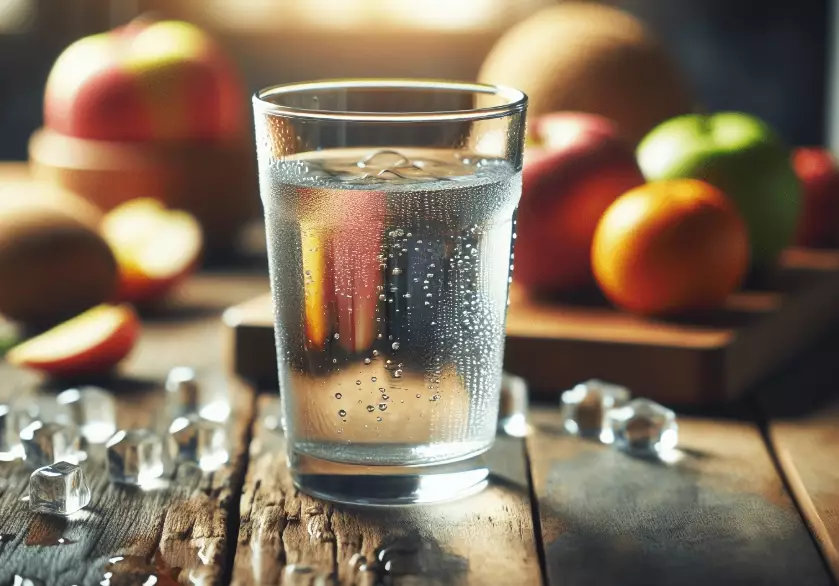
Water is essential for all mucous membranes, including vaginal tissues. It helps maintain lubrication and supports the body's natural flushing mechanisms, potentially helping to dilute urine and reduce UTI risk. Herbal teas like plain cranberry (unsweetened) or chamomile are good additions.
The Vaginal Health Food Plate: A Quick Visual Guide
| Food Category | Key Examples | Primary Benefit for Vaginal Health |
|---|---|---|
| Probiotics | Plain yogurt, kefir, kimchi | Replenishes beneficial bacteria (Lactobacilli) |
| Prebiotics | Garlic, onions, oats, bananas | Feeds and sustains the good bacteria |
| Anti-inflammatory Fats | Salmon, avocados, olive oil | Reduces systemic inflammation |
| Antioxidant-Rich | Berries, dark leafy greens, sweet potatoes | Protects cells from oxidative damage |
| Hydration | Water, herbal teas | Maintains mucosal moisture and body fluid balance |
Common Mistakes That Disrupt Vaginal Balance
Sometimes it's not about what you add, but what you should cut back on. Here are the big offenders I see people overlook.
Excess Sugar and Refined Carbs: This is the number one dietary culprit. Yeast (Candida) thrives on sugar. A diet high in sweets, soda, white bread, and pastries can feed not just gut yeast but potentially contribute to vaginal yeast overgrowth. It's not about never having dessert, but about the daily habit.
Overdoing Processed Foods: These often contain additives, unhealthy fats, and lack fiber, which can promote gut inflammation and dysbiosis (bacterial imbalance).
Heavy, Frequent Alcohol Use: Alcohol can dehydrate you, spike blood sugar, and may alter your microbiome. Moderation is key.
The "Overcleaning" Paradox: This isn't a food, but it's a critical related mistake. Douches, scented soaps, and harsh washes strip away the protective good bacteria and disrupt pH. Your vagina is self-cleaning. The best support is internal (diet) and external (mild, unscented soap on the vulva only).
A nuanced point: You'll often see "avoid all sugar" as blanket advice. For most people, the natural sugars in whole fruits like berries or apples, paired with fiber, are not the problem. The real target is added sugars in processed foods and drinks. Don't fear an apple; reconsider that daily soda or flavored yogurt.
How to Build Your Vaginal Health Food Plate
Let's make this practical. What does a day of eating for vaginal health look like? It's simpler than you think.
Breakfast: A bowl of plain Greek yogurt topped with berries, a sprinkle of oats, and a drizzle of honey (if needed). Or, scrambled eggs with spinach and onions.
Lunch: A large salad with mixed greens, grilled salmon or chickpeas, avocado, and a olive oil & lemon dressing. Have a small side of sauerkraut.
Dinner: A stir-fry with plenty of garlic, broccoli, bell peppers, and chicken or tofu, served over brown rice.
Snacks: A banana, a handful of nuts, or a glass of kefir.
Drinks: Water throughout the day, maybe a cup of green or herbal tea.
See the pattern? Whole foods, plants, fermented items, healthy fats. It's a pattern for overall health that specifically benefits your vaginal ecosystem.
Beyond Diet: Holistic Habits for Vaginal Wellness
Food is foundational, but it works best as part of a team.
Cotton Underwear & Loose Clothing: Breathability is crucial. Tight synthetic fabrics create a warm, moist environment that yeast and bacteria love.
Managing Stress: Chronic stress raises cortisol, which can disrupt immune function and microbiome balance. Find what lowers your stress—walking, meditation, reading.
Sleep: Poor sleep is another major stressor on the body and immune system. Prioritize it.
Safe Sex Practices: Using condoms can help prevent the introduction of unfamiliar bacteria and protect against STIs that can disrupt vaginal health.
Think of it as a holistic system. Good food supports a healthy gut, which supports a balanced vagina, and smart lifestyle choices protect that balance.
Your Questions, Answered
The path to a healthier vaginal environment starts in your kitchen. It's not about restrictive diets or expensive supplements. It's about consistently choosing foods that nourish the trillions of beneficial bacteria that are your body's natural defense system. Start with one change—swap that sugary snack for some berries and yogurt, add garlic to your dinner, or drink an extra glass of water. Your body will thank you.



Leave a comment