What You'll Learn
Let's be honest. The term "healthy diet for women" is everywhere, and it's overwhelming. One day it's keto, the next it's plant-based, and then someone tells you to fast for 16 hours. It's enough to make you want to order pizza and forget the whole thing. I've been there. But after years of sifting through the noise (and some not-so-great personal experiments), I've realized something crucial: a healthy diet for women isn't about the latest fad. It's not about punishment or perfection. It's about understanding what your unique body needs to feel energized, strong, and balanced throughout all the chapters of your life.
Think about it. Our nutritional needs are different. From iron demands due to menstruation, to the increased need for certain nutrients during pregnancy and breastfeeding, to supporting bone health as we age – a one-size-fits-all approach just doesn't cut it. This guide is here to cut through the confusion. We're going to talk about the real building blocks of a healthy diet for women, how it changes over time, and most importantly, how to make it work in your actual, busy life.
Why a Woman's Plate Looks Different
It starts with biology. Men and women have different hormonal landscapes, body compositions, and metabolic rates. For instance, women generally have less muscle mass and more body fat than men, which influences how we burn calories. But more than that, we go through distinct physiological events that dramatically shift our nutritional requirements.
Iron is a perfect example. Women between 19 and 50 need about 18 milligrams of iron per day, while men of the same age need only 8 mg. Why? Because we lose iron every month during our period. Not getting enough can lead to iron-deficiency anemia, leaving you feeling exhausted, dizzy, and weak. I remember a period in my 20s where I was constantly tired. I blamed work, but a blood test showed my iron was in the gutter. Focusing on iron-rich foods made a world of difference.
Then there's calcium and vitamin D. Building strong bones is a priority in our younger years to prevent osteoporosis later in life. The National Osteoporosis Foundation states that about 80% of the 10 million Americans with osteoporosis are women. It's a silent threat, and nutrition is our first line of defense.
And we can't ignore folate (or folic acid). This B vitamin is critical for preventing neural tube defects in a developing baby. Because these defects occur very early in pregnancy (often before a woman knows she's pregnant), the Centers for Disease Control and Prevention (CDC) recommends all women of childbearing age get 400 micrograms of folic acid daily, whether planning a pregnancy or not. That's a powerful example of how a healthy diet for women is proactive, not just reactive.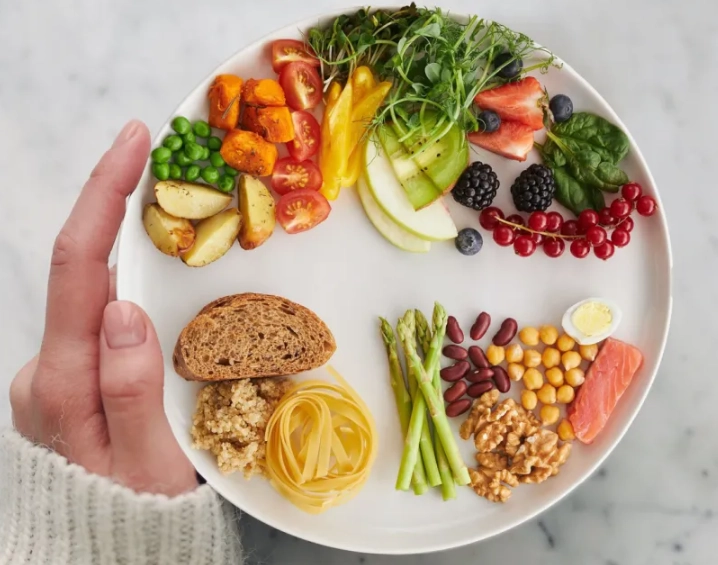
The Core Building Blocks of Your Healthy Diet
Forget complicated rules. A sustainable healthy diet for women is built on a foundation of whole, nutrient-dense foods. Let's break down the non-negotiables.
Powerhouse Nutrients Every Woman Should Watch
These aren't just items on a nutrition label; they're the keys to feeling your best.
| Nutrient | Why It's Crucial for Women | Top Food Sources | Daily Goal (Ages 19-50)* |
|---|---|---|---|
| Iron | Prevents anemia, supports energy and oxygen transport. | Lean red meat, lentils, spinach, fortified cereals, tofu. | 18 mg |
| Calcium | Builds & maintains bone density, prevents osteoporosis. | Yogurt, milk, sardines, kale, fortified plant milks. | 1000 mg |
| Folate / Folic Acid | Critical for fetal development; supports cell function for all. | Dark leafy greens, beans, asparagus, avocado, fortified grains. | 400 mcg (600 mcg if pregnant) |
| Vitamin D | Helps body absorb calcium, supports immune function & mood. | Fatty fish (salmon), egg yolks, fortified milk & OJ, sunlight. | 600 IU (800 IU if over 70) |
| Fiber | Promotes digestive health, helps manage weight, lowers disease risk. | Whole grains (oats, quinoa), berries, apples, broccoli, chia seeds. | 25 grams |
*Based on general Dietary Reference Intakes (DRIs). Always consult a doctor or dietitian for personal advice.
It looks like a lot, right? But you don't need a spreadsheet at every meal. Think in terms of food, not just nutrients. A spinach and lentil salad with salmon covers a huge chunk of that list in one go.
What a Balanced Plate Really Means
The USDA's MyPlate model is a decent starting point, but let's adapt it for a woman's needs. Imagine your lunch or dinner plate:
- Half the Plate: Colorful Vegetables & Fruits. And I mean color. Deep greens (for folate, magnesium), reds and oranges (for antioxidants like vitamin C, which helps iron absorption), purples (for anthocyanins). Variety is your best friend here.
- A Quarter of the Plate: Quality Protein. This is where you get your iron, B vitamins, and the building blocks for everything from hormones to muscle. Don't just think chicken breast. Include fish (for omega-3s, which are great for heart health and reducing inflammation), eggs, legumes (beans, lentils), and tofu.
- A Quarter of the Plate: Smart Carbohydrates. The key word is smart. Whole grains like brown rice, quinoa, oats, and whole-wheat bread. They provide sustained energy, B vitamins, and that all-important fiber. They help keep blood sugar stable, which can be a game-changer for managing energy and mood swings.
- Don't Forget Healthy Fats. They don't get their own quarter, but they're essential. A drizzle of olive oil on your veggies, some avocado in your salad, a small handful of nuts or seeds. Fat is necessary for absorbing fat-soluble vitamins (A, D, E, K) and for hormone production. The fear of fat is outdated.

Your Diet Through Different Life Stages
This is where a generic "healthy diet" falls short. A teenage girl, a woman in her 30s trying to conceive, a new mom, and a woman navigating menopause have wildly different needs. Let's talk life stages.
The Foundation Years (Teens & 20s)
This is prime time for building peak bone mass. Getting enough calcium and vitamin D now is an investment in your future skeleton. Iron is also critical, especially if periods are heavy. The challenge here is often busy schedules, social eating, and maybe limited budgets. Focus on establishing good habits: eating regular meals, choosing whole foods over highly processed snacks, and staying hydrated. Skipping meals to "save calories" is a terrible strategy that often backfires with overeating later.
Pregnancy, Breastfeeding, & The Childbearing Years
Nutrition becomes a shared resource. Needs for almost every nutrient increase. Folate is the superstar for preventing birth defects. Iron needs jump to 27 mg per day to support increased blood volume. Calcium remains vital for both mom and baby's bones. Protein needs also increase. It's not about "eating for two" in quantity, but in quality. Small, frequent meals can help with nausea. And if you're breastfeeding, you need even more calories and fluids than during pregnancy to support milk production. The American College of Obstetricians and Gynecologists (ACOG) has excellent, detailed resources on this topic.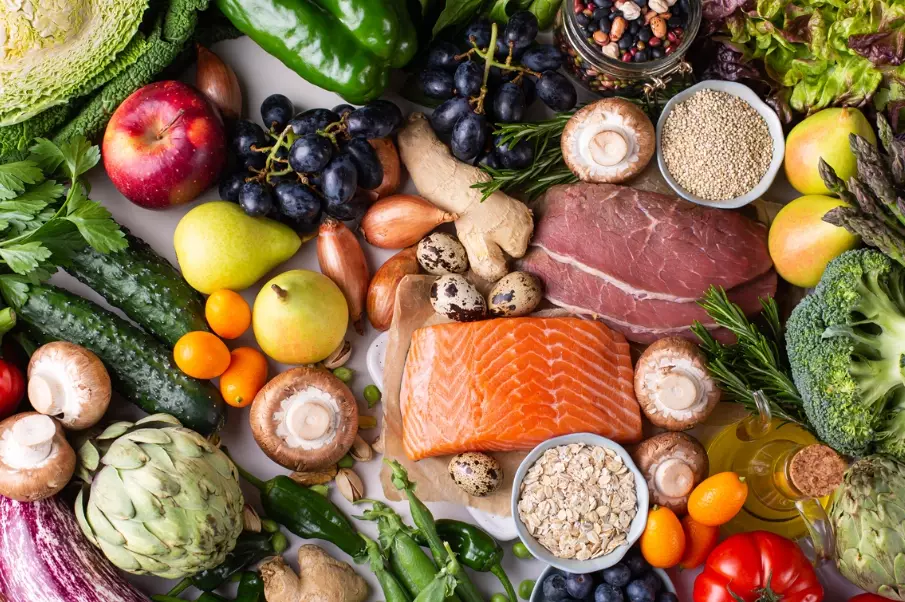
Perimenopause & Menopause
As estrogen levels decline, the body undergoes big shifts. Metabolism often slows, and weight may settle around the abdomen. Bone loss accelerates, making calcium and vitamin D non-negotiable. Many women experience hot flashes. Some find that reducing caffeine, alcohol, and spicy foods helps. What works? Prioritizing protein and strength training to preserve metabolism-boosting muscle mass. Loading up on phytoestrogens from foods like soy, flaxseeds, and chickpeas – some research suggests they may help mildly modulate hormones and ease symptoms. And seriously, don't skimp on the calcium. This is a time to protect what you've built.
Solving Real-World Problems on a Healthy Diet for Women
Knowing what to eat is one thing. Actually doing it when you're stressed, tired, broke, or pressed for time is another. Let's tackle the common hurdles.
"I don't have time to cook!"
Who does? The secret is batch cooking and assembly, not slaving over a stove every night.
- Sunday Prep: Cook a big batch of quinoa or brown rice. Roast two trays of mixed vegetables (broccoli, sweet potatoes, bell peppers). Grill or bake several chicken breasts or a block of tofu. You now have the components for bowls, salads, and wraps for days.
- Embrace the 10-Minute Meal: Canned salmon (mixed with avocado mash on whole-grain toast), a veggie omelet, or a smoothie with spinach, frozen fruit, Greek yogurt, and a scoop of nut butter.
- Keep a Well-Stocked Pantry: Canned beans, lentils, tuna, whole-grain pasta, jars of marinara, frozen vegetables, and frozen berries. These are your lifelines.
"Healthy food is too expensive."
It can be, but it doesn't have to be. Processed "health" foods are pricey. Basic whole foods often aren't.
- Buy frozen fruits and vegetables. They're just as nutritious, often cheaper, and won't go bad.
- Choose cheaper protein sources like eggs, canned beans, lentils, and occasionally less expensive cuts of meat you can slow-cook.
- Buy in bulk for staples like oats, rice, and nuts.
- Shop seasonal produce – it's always cheaper and tastier.
Managing Cravings and Emotional Eating
This is a big one. Restricting yourself too much often leads to a binge later. The goal is inclusion, not exclusion.
If you're craving chocolate, have a small piece of dark chocolate and savor it. Deprivation creates obsession. Also, ask yourself: am I actually hungry, or am I stressed/bored/tired? If it's emotional, try a five-minute walk, some deep breathing, or a glass of water first. Sometimes we mistake thirst for hunger or a craving.
And about weight. Focusing solely on the scale is a recipe for frustration. A healthy diet for women should make you feel good first. Notice how your clothes fit, your energy levels, your sleep quality, your skin. Those are better metrics.
Common Questions About a Healthy Diet for Women (Answered)
Putting It All Together: A Sample Day
Let's make this concrete. Here’s what a day of eating on a balanced, healthy diet for women might look like. This is a template, not a rigid prescription.
- Breakfast: Greek yogurt parfait with mixed berries, a sprinkle of chia seeds and walnuts. (Protein, calcium, antioxidants, omega-3s, fiber).
- Lunch: Big salad with mixed greens, chickpeas, cherry tomatoes, cucumber, avocado, and grilled chicken, dressed with olive oil and lemon juice. (Protein, iron from chickpeas, healthy fats, vitamin C from lemon to boost iron absorption).
- Snack: An apple with a tablespoon of almond butter. (Fiber, healthy fat to stay satisfied).
- Dinner: Baked salmon with a quinoa and roasted vegetable (broccoli & bell peppers) medley. (Omega-3s, complete protein from quinoa, fiber, vitamins).
- Hydration: Water, herbal tea throughout the day.
See? No weird ingredients, no extreme restrictions. Just real food, combined thoughtfully.
The journey to a healthy diet for women is exactly that – a journey, not a destination. It's about progress, not perfection. Some days you'll eat the perfect salad, and some days you'll really want the fries. And that's okay. The goal is to make the nourishing choice most of the time, to understand what your body is asking for, and to fuel it in a way that supports the incredible life you're living. Start with one small change. Maybe it's adding a vegetable to every meal, or drinking more water, or ensuring you get enough protein at breakfast. Build from there. Your body will thank you for years to come.
Leave a comment