Let's be honest. Hearing you need to lower your cholesterol can feel overwhelming. You're handed a pamphlet, told to "eat better and exercise," and sent on your way. What does that even mean on a Tuesday night when you're tired? I've been there. After a routine check-up a few years ago, my LDL (the "bad" cholesterol) was higher than my doctor liked. I spent the next month figuring out a system that actually worked—not a vague wish list, but a concrete plan. The good news? In 30 days, you can make a significant dent in your numbers and, more importantly, build habits that last. It's less about drastic deprivation and more about smart, strategic swaps and consistent actions.
Your 30-Day Cholesterol Reduction Roadmap
The 30-Day Cholesterol Reduction Blueprint
Forget perfection. This plan is about progress. The goal is to lower LDL cholesterol and triglycerides while boosting HDL (the "good" cholesterol). The primary levers are diet, physical activity, and a few key lifestyle factors. We'll tackle them in three distinct phases to prevent burnout and ensure the changes stick. Think of it as a project with a clear timeline.
What You Can Realistically Expect: According to a study published in the Journal of the American Heart Association, comprehensive dietary changes can reduce LDL cholesterol by 10-25% in as little as 4 weeks. Your individual results will depend on your starting point and genetics, but a focused 30-day effort sets the stage for measurable improvement.
Phase 1: Detox and Reset (Days 1-7)
This week is about clearing the decks. You're removing the biggest dietary offenders and establishing a baseline rhythm. Don't worry about calories; focus on food quality.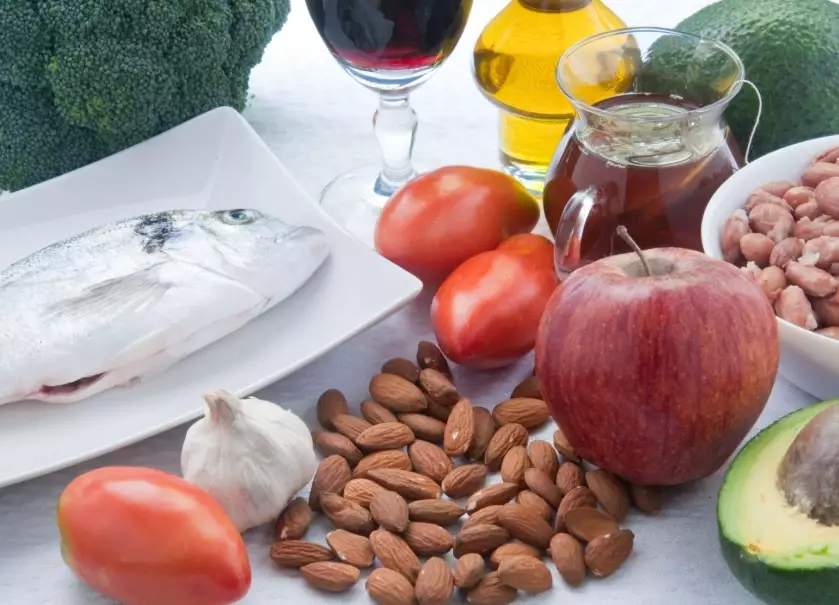
Your First Week Non-Negotiables
Eliminate Trans Fats Completely. This is the single most important step. Check every label for "partially hydrogenated oils." They're often in margarine, fried fast food, packaged baked goods (cookies, crackers), and microwave popcorn. Just toss them.
Cut Added Sugar in Half. If you drink two sodas a day, go to one. Sugar, especially fructose, can increase triglycerides and small, dense LDL particles—the most harmful kind. Read more about the impact of sugar on heart health from resources like the American Heart Association.
Introduce Two Fiber Anchors Daily. Start your day with oatmeal (not instant) topped with berries and chia seeds. Have a large salad with beans or lentils for lunch. The soluble fiber in these foods binds to cholesterol in your gut and removes it.
Walk 25 Minutes Every Day. No need for the gym. Just get outside and walk. Consistency here is more valuable than intensity this week.
Phase 2: Building Momentum (Days 8-21)
Now we layer in more powerful strategies. This is where you'll likely start feeling better—more energy, less bloating—which fuels motivation.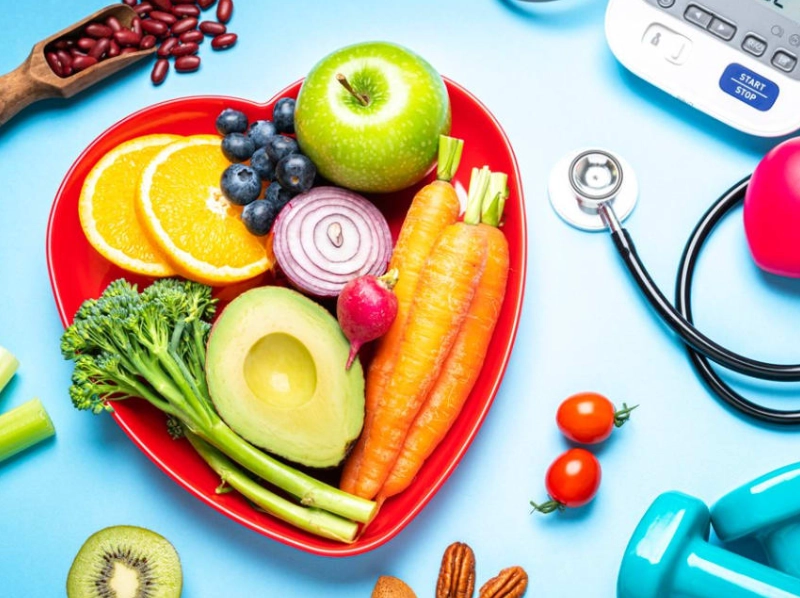
Amplifying Your Diet
Incorporate two servings of fatty fish per week (wild-caught salmon, mackerel, sardines). The omega-3s are potent for lowering triglycerides. If you're not a fish fan, a high-quality algae-based supplement is an option, but food first.
Make friends with avocados, nuts, and olive oil. These monounsaturated fats actively help reduce LDL. A handful of almonds as a snack, avocado on toast, and using olive oil for dressing and light sautéing are easy wins.
Here’s a visual guide to structure your plate for the next two weeks:
| Fill Half Your Plate With | Fill a Quarter With | Fill a Quarter With | Add a Small Side Of |
|---|---|---|---|
| Non-starchy vegetables (broccoli, spinach, peppers, Brussels sprouts) | Lean protein (baked chicken, turkey, tofu, tempeh, fish) | High-fiber complex carb (quinoa, brown rice, sweet potato, barley) | Healthy fat (1/4 avocado, 1 tbsp olive oil vinaigrette, small handful of walnuts) |
| Goal: Fiber, vitamins | Goal: Satiety, muscle maintenance | Goal: Sustained energy | Goal: LDL-lowering fats |
Upgrading Your Movement
Add two 30-minute sessions of heart-pumping activity each week. This could be brisk walking on an incline, cycling, swimming, or a dance workout. Get your heart rate up. On other days, keep up the daily walking and add some bodyweight exercises (squats, push-ups against a wall, lunges) to build metabolism-revving muscle.
Phase 3: Locking In Habits (Days 22-30)
The final stretch is about solidifying these changes as your new normal and addressing other lifestyle factors.
Master One Plant-Based Dinner. Design a delicious dinner with no animal protein. Think a hearty lentil soup, a loaded black bean burger, or a chickpea and vegetable curry. This introduces more cholesterol-lowering plant sterols and fiber.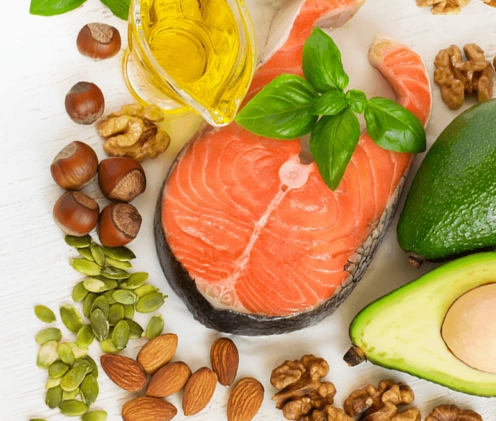
Focus on Sleep and Stress. This is the expert tip most guides gloss over. Chronic poor sleep and high stress raise cortisol, which can increase LDL production. Aim for 7-8 hours. Try 10 minutes of meditation or deep breathing before bed. It's not fluff; it's metabolic support.
Do a "Kitchen Scan." Look in your pantry and fridge. Do the majority of items now align with your new way of eating? If so, you've successfully changed your food environment, which is 80% of the battle for long-term success.
Your Go-To and Avoid Foods List
Clarity is key. Here’s a straightforward breakdown to guide your grocery shopping for the month.
- Load Up On: Oats & barley, beans & lentils, apples & citrus fruits, fatty fish (salmon), walnuts & almonds, avocados, olive oil & canola oil, spinach & kale, soy (tofu, edamame).
- Eat in Moderation: Lean red meat (limit to once/week), full-fat dairy (choose lower-fat options most often), eggs (the yolk is fine for most, stick to ~6-7 per week).
- Minimize or Avoid: Processed meats (sausage, bacon), fried foods, baked goods with shortening/margarine, packaged snacks with "hydrogenated oil," sugary drinks and cereals.
Common Mistakes That Slow Progress
I see people work hard but miss these details, which hampers results.
Ignoring "Hidden" Sugars and Refined Carbs. You cut out soda but are drinking a fancy fruit smoothie with 50 grams of sugar. Or you're eating "low-fat" yogurt loaded with sugar and white pasta. These still spike triglycerides. Read labels for total sugars.
Being Afraid of All Fats. The old-school low-fat dogma is dead. Your body needs healthy fats to function. Avoiding nuts, olive oil, and avocados is a mistake. The target is saturated and trans fats, not fat itself.
Neglecting Strength Training. Cardio is great, but building muscle mass improves your body's ability to manage blood sugar and cholesterol. You don't need weights—bodyweight exercises work.
Not Drinking Enough Water. Fiber needs water to do its job effectively. If you're upping fiber intake (which you are) and are dehydrated, you'll get constipated and feel miserable. Aim for at least 2 liters of water daily.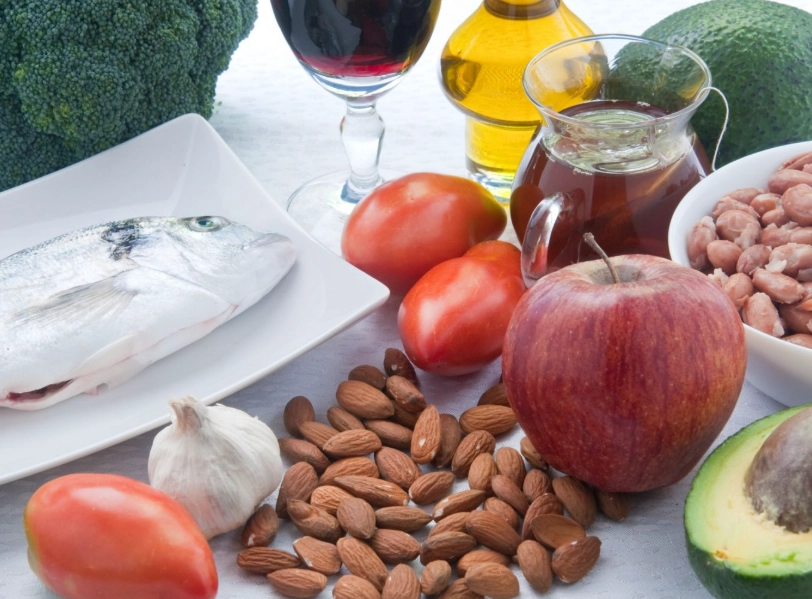
Your Cholesterol Questions, Answered
I hate oatmeal. What's a good high-fiber breakfast alternative to lower cholesterol?
Oatmeal isn't the only player. Try a chia seed pudding made with unsweetened almond milk and berries. Blend a smoothie with spinach, half a banana, unsweetened soy milk, and a tablespoon of ground flaxseed. Or go savory with two scrambled eggs and a massive side of sautéed spinach and mushrooms on a slice of whole-grain rye toast. The goal is 5-10 grams of fiber at breakfast, not a specific food.
How can I stick to this plan when I have to eat out or travel for work during the 30 days?
This is where most plans fall apart. Call it the "restaurant survival hack." Before you go, look at the menu online. Immediately find a salad or vegetable-based starter. Then, look for a grilled, baked, or roasted protein (fish, chicken). Ask for sauces and dressings on the side. Skip the bread basket and fried appetizers. For sides, swap fries for steamed vegetables or a side salad. At a hotel breakfast, choose eggs, plain yogurt with fruit, or oatmeal over pastries and sugary cereals. Planning the single decision before you walk in removes willpower from the equation.
Are cholesterol-lowering supplements like red yeast rice or plant sterols worth it for faster results?
This requires caution. Red yeast rice contains a natural compound similar to a prescription statin. It can be effective but also carries similar risks and side effects, and its potency is unregulated—you don't know the dose you're getting. Never take it without informing your doctor. Plant sterol-fortified margarines or drinks can modestly lower LDL by blocking absorption. They're safe for most but are a supplement to a good diet, not a replacement. My take? Spend your first 30 days mastering the foundational diet and exercise steps. They're more powerful and sustainable than any pill. If your numbers are still high afterward, that's the time to discuss all options, including supplements and medications, with your physician.
My friend did a keto diet and his cholesterol improved. Why not just do that?
Keto can lead to rapid weight loss, which often lowers cholesterol initially. However, the diet is typically very high in saturated fat (from butter, red meat, cheese). For a significant number of people, this causes a rise in LDL cholesterol—sometimes a dramatic one—especially in the more harmful, dense LDL particles. The improvement your friend saw might be from weight loss alone, which you can achieve with a more balanced, heart-focused diet. The approach outlined here is designed specifically to improve your cholesterol profile through food choices, not just create a calorie deficit. It's a safer, more predictable long-term strategy for heart health.
The 30-day mark isn't an end, but a check-in. You'll have data—how you feel, maybe even new lab numbers. Use it. Notice which changes felt easy and which were a grind. Double down on the easy ones. This isn't a temporary fix; it's the foundation for how you can eat and live moving forward to keep your heart healthy for the long run.




Leave a comment