If you're wondering "what are signs that your thyroid is out of whack?", you're not alone. That little butterfly-shaped gland in your neck is a master controller, and when it's off, your whole system feels it. The problem is, thyroid symptoms are notorious for being vague and mimicking other issues. You might blame stress, aging, or just a bad month. But after a decade of seeing patients, I can tell you the pattern is often clearer than people think. Let's cut through the noise and look at the signals your body is really sending.
What You'll Find in This Guide
10 Key Signs Your Thyroid May Be Out of Balance
These aren't just random complaints. They're interconnected clues. You likely won't have all of them, but having a cluster of three or more is a strong signal to get checked.
1. Unexplained Weight Changes That Defy Logic
This is the classic sign everyone knows, but it's more specific than you think. With an underactive thyroid (hypothyroidism), you gain weight despite eating the same or even less. It's a stubborn, fluid-like weight that's hard to lose. Your metabolism is literally in slow motion. Conversely, with an overactive thyroid (hyperthyroidism), you lose weight rapidly even with a ravenous appetite. It's not a healthy loss; it often comes with muscle wasting. If your scale is doing things that make zero sense with your diet, think thyroid.
2. Energy Levels That Don't Match Your Life
Hypothyroidism fatigue is profound. It's not just "I'm tired." It's "I need a nap after a full night's sleep" or "brushing my teeth feels like a marathon." The fatigue is physical and mental. Hyperthyroidism fatigue is different—it's often a wired-but-tired feeling. You're exhausted but your heart is racing and you can't sit still. Your body is running on empty at 100 miles per hour.
3. Temperature Tolerance Goes Haywire
Are you the person wearing a sweater in summer? Constantly cold hands and feet, needing extra blankets—that's a hallmark of hypothyroidism. Your internal thermostat is broken. Hyperthyroidism has the opposite effect: you're always hot, sweating excessively, and throwing off blankets. You become intolerable to heat.
4. Your Skin, Hair, and Nails Send Distress Signals
Thyroid hormones are crucial for cell regeneration. When they're low, your skin gets dry, rough, and may even look pale or yellowish. Your hair becomes brittle, thin, and falls out more than usual—not just from your head, but your eyebrows (especially the outer third) can thin out. Nails become weak and develop ridges. With hyperthyroidism, skin can be thin, moist, and unusually smooth; hair may also thin and become fine.
5. The Brain Fog Is Real (And It's Not Just "Busy")
Patients describe it as thinking through mud. Forgetfulness, difficulty concentrating, a general lack of mental clarity. With hypothyroidism, your brain is under-fueled. Some people even report a low-grade depression or a flat mood. Hyperthyroidism can cause anxiety, irritability, panic attacks, and a racing mind you can't quiet.
6. Bowel Habits Change Without Explanation
An underactive thyroid slows down everything, including your digestive tract, leading to persistent constipation. An overactive thyroid speeds it up, causing frequent bowel movements or even diarrhea. If there's no dietary reason for a sudden, lasting change in your digestion, consider the thyroid connection.
7. Muscle and Joint Complaints That Linger
Unexplained aches, stiffness, tenderness, or weakness. With hypothyroidism, you might feel general muscle aches or specific joint pain, like in the knees or hands. It can be mistaken for arthritis. Hyperthyroidism can cause muscle weakness, particularly in the thighs and shoulders, making tasks like climbing stairs or lifting objects difficult.
8. Voice Changes or a Feeling of a Lump in the Throat
The thyroid gland sits on your windpipe. When it's enlarged (a goiter), which can happen in both hypo- and hyperthyroidism, you might feel a fullness or tightness in your neck. Your voice might become hoarse. It's worth gently feeling your neck area below your Adam's apple while swallowing water—any noticeable lumps or asymmetry should be checked.
9. Menstrual Cycle and Fertility Issues
For women, this is a huge red flag. Hypothyroidism often causes heavy, prolonged, or more frequent periods. Hyperthyroidism can lead to light, infrequent, or absent periods. Both can disrupt ovulation and make it harder to conceive. If you're struggling with irregular cycles or unexplained infertility, a thyroid panel should be step one.
10. Cholesterol Levels That Spike for No Reason
Here's an insider tip many miss: hypothyroidism directly impacts your liver's ability to clear cholesterol from your blood. So you can be eating perfectly and still see your LDL ("bad") cholesterol shoot up. If your doctor is pushing statins but hasn't checked your TSH, you're missing a key piece of the puzzle.
Key Takeaway: Isolated, these symptoms could be anything. But thyroid dysfunction creates a pattern. It's the combination of metabolic, temperature, energy, and mood-related changes that tells the real story. If you see yourself in several of these descriptions, it's time to investigate further.
The Big Split: Hypothyroidism vs. Hyperthyroidism
It's not just "fast" vs. "slow." The body's responses are often mirror images. This table breaks down the contrasting signs, which is crucial because the treatment for one is the exact opposite of the other.
| Body System | Hypothyroidism (Underactive) | Hyperthyroidism (Overactive) |
|---|---|---|
| Energy & Mood | Fatigue, depression, brain fog | Anxiety, irritability, restlessness |
| Metabolism & Weight | Weight gain, slow metabolism | Weight loss, fast metabolism |
| Temperature Sensitivity | Feeling cold all the time | Feeling hot, excessive sweating |
| Heart Rate | Slower heart rate (bradycardia) | Rapid or irregular heartbeat (palpitations) |
| Skin & Hair | Dry skin, brittle hair, hair loss | Thin, moist skin; fine, thinning hair |
| Digestion | Constipation | Frequent bowel movements/diarrhea |
| Menstrual Cycle | Heavy, frequent periods | Light, infrequent periods |
One nuance I see constantly: people with Hashimoto's (the most common cause of hypothyroidism) can swing between mild hypo and hyper symptoms as their immune system attacks the gland, causing hormone leaks. It's confusing and often misdiagnosed as anxiety or bipolar disorder.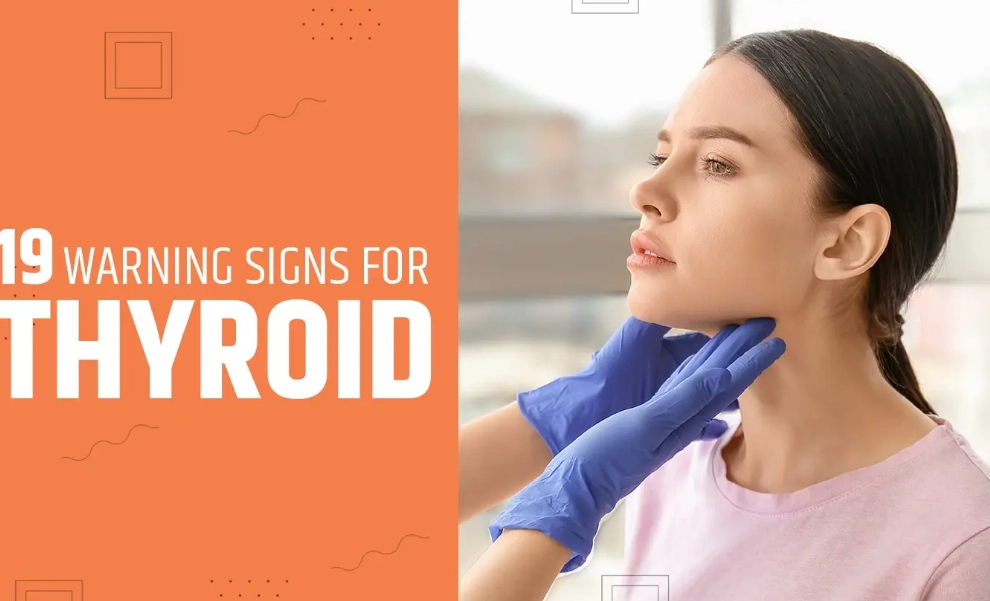
How Do I Know If It's My Thyroid?
You can't diagnose yourself from a list. But you can build a strong case to take to your doctor. Start with this pre-appointment checklist:
- Symptom Diary: For two weeks, jot down your energy peaks/crashes, mood shifts, temperature feelings, and any other notes. Patterns emerge.
- Family History: Thyroid issues (especially Hashimoto's or Graves' disease) run in families. Ask relatives.
- The Neck Check: In front of a mirror, tip your head back, swallow water, and look/feel for any bulges below your Adam's apple.
The definitive answer comes from blood tests. But here's where patients get short-changed. A standard "Thyroid Panel" often only checks TSH (Thyroid Stimulating Hormone). TSH is a pituitary hormone that signals your thyroid. It's a good screening tool, but it's not the whole story.
To truly know, you need a comprehensive panel that includes:
- TSH: The primary screening marker.
- Free T4 & Free T3: These are the actual thyroid hormones circulating and available for your cells to use. This is crucial. You can have a "normal" TSH but low Free T3, leaving you symptomatic.
- Thyroid Antibodies (TPO & TgAb): This tests for autoimmune attack (Hashimoto's or Graves'). This is the missing piece for millions. According to the American Thyroid Association, most hypothyroidism in the US is autoimmune. If you have symptoms and antibodies, you're in the early stages, even if TSH is borderline.
Walk into your appointment and say, "I'm experiencing several symptoms of thyroid dysfunction. I'd like to request a full panel including TSH, Free T4, Free T3, and thyroid antibodies to get a complete picture." This shows you're informed and helps ensure proper testing.
What Should I Do If I Suspect a Thyroid Problem?
First, don't panic. Thyroid conditions are among the most manageable chronic health issues when properly diagnosed. The pathway is straightforward: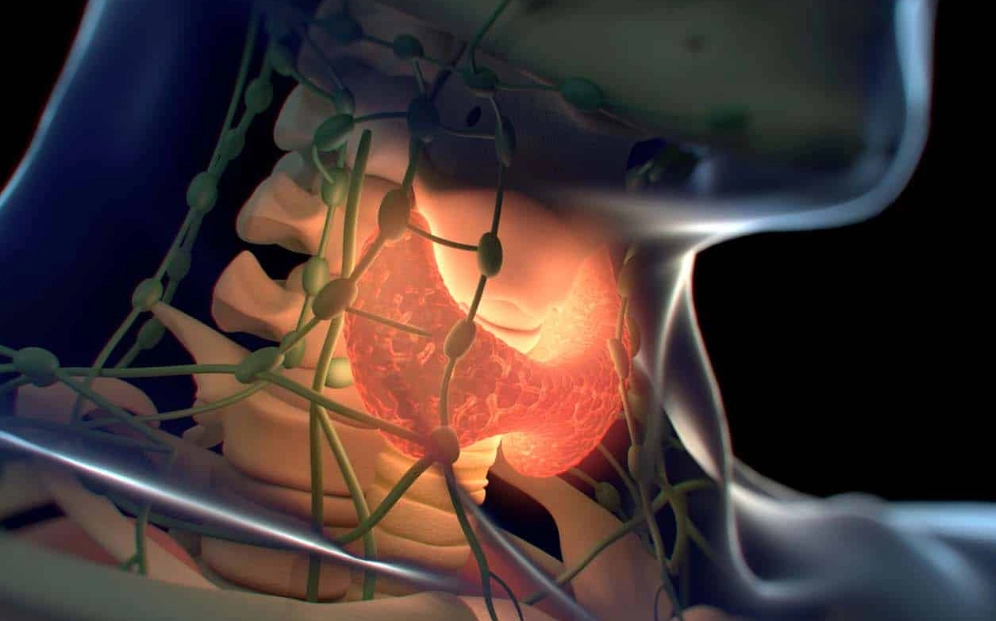
- Schedule an Appointment with Your Primary Care Doctor or an Endocrinologist. Bring your symptom diary and family history.
- Get the Comprehensive Blood Work Done. Ensure it's the full panel mentioned above.
- Review the Results with the Lab's Reference Ranges. This is critical. Many labs use wide, outdated ranges. For example, an optimal TSH for most people is between 1.0 and 2.5 mIU/L, not the top of the lab's 4.5 range. Organizations like the Mayo Clinic note that experts debate the upper limit of normal. If you're symptomatic and in the "high normal" range, it warrants discussion.
- Discuss a Treatment Plan. For hypothyroidism, the standard is thyroid hormone replacement (like levothyroxine). For hyperthyroidism, options include anti-thyroid drugs, radioactive iodine, or sometimes surgery.
- Advocate for Symptom-Based Dosing. The goal of treatment isn't just a "normal" lab number; it's the resolution of your symptoms. You may need fine-tuning to find your personal optimal dose.
I've seen too many patients put on a standard dose and told their labs are "fine," while they still feel awful. Effective treatment makes you feel like yourself again.
Your Thyroid Questions, Answered
I'm always tired but my blood work is 'normal'. Could it still be my thyroid?
Absolutely, and this is incredibly common. First, check if "normal" meant only TSH. A normal TSH doesn't rule out problems with T4 to T3 conversion or autoimmune activity. Second, "normal" isn't always "optimal." If your TSH is 3.8 (within most lab ranges) but your optimal zone is near 1.5, you might feel terrible. Request the full panel (Free T3, Free T4, antibodies) and discuss the results in the context of your symptoms, not just the lab's generic range.
What's the one sign most people overlook that points directly to a thyroid issue?
Changes in the outer third of your eyebrows. Thinning or loss of hair there (called "Queen Anne's Sign") is a classic, physical marker of hypothyroidism that predates modern blood tests. It's not definitive on its own, but combined with other symptoms, it's a strong visual clue most doctors (and patients) miss.
 Can stress really cause thyroid problems?
It's more of a trigger than a direct cause. Chronic, severe stress can dysregulate your immune system, potentially triggering or exacerbating autoimmune thyroid disease like Hashimoto's in genetically predisposed people. Stress also affects the HPA axis (your adrenal system), which interacts closely with thyroid function. Managing stress isn't just good life advice for thyroid patients; it's part of the clinical picture.
Are at-home thyroid test kits reliable?
They can be a starting point, especially if you have difficulty accessing a doctor. The reliable ones use the same CLIA-certified labs as clinics. However, they have limitations. You're on your own to interpret complex results without a clinician's guidance. They're best used as a screening tool to gather data to take to a professional, not for self-diagnosis or treatment. The National Institutes of Health resources emphasize professional diagnosis for thyroid disorders.
If I start thyroid medication, will I be on it for life?
For the vast majority with hypothyroidism, especially autoimmune (Hashimoto's), yes, it's a lifelong replacement therapy. Your gland isn't producing enough, and the medication simply gives your body what it's missing. The dose may need adjustment over time. For some cases of hyperthyroidism, treatment can lead to remission, or it may intentionally render the gland underactive, requiring lifelong hormone replacement afterward. The goal is a stable, healthy you, not necessarily being off medication.
Listening to your body is the first step. Those nagging, unexplained symptoms are data points. If the patterns described here feel familiar, take action. Get the right tests, find a doctor who listens, and pursue treatment until you feel genuinely well. A balanced thyroid is foundational to feeling like yourself again.



Leave a comment