Let's get this out of the way first: there is no single "best diet" for all women. If a headline promises that, it's selling you a fantasy. The real answer is more nuanced and, frankly, more liberating. The best diet for a woman is a flexible, nutrient-focused eating pattern that supports her unique hormonal landscape, energy needs, and life stage—from her roaring twenties to her vibrant post-menopausal years. It's less about rigid rules and more about foundational principles you can adapt forever.
I've spent over a decade as a clinical nutritionist, and the most common mistake I see isn't eating the wrong food; it's applying a one-size-fits-all, often male-centric, diet template. Women's bodies have different nutritional demands. We'll talk about what truly matters: protein for muscle and satiety, fats for hormone production, the right carbs for energy, and key micronutrients that are easy to miss.
What's Inside This Guide
The 5 Non-Negotiable Principles of Women's Nutrition
Forget diet names. Build your eating around these pillars, and you're 90% there.
1. Prioritize Protein (Yes, More Than You Think)
Most women undereat protein. We're told to have a "small portion." That's outdated advice. Aim for 20-30 grams per meal. Why? It builds and maintains lean muscle (crucial for metabolism), keeps you full for hours, and provides the building blocks for hormones and enzymes. A palm-sized piece of chicken, a cup of Greek yogurt, or two eggs gets you there.
2. Embrace Healthy Fats, Don't Fear Them
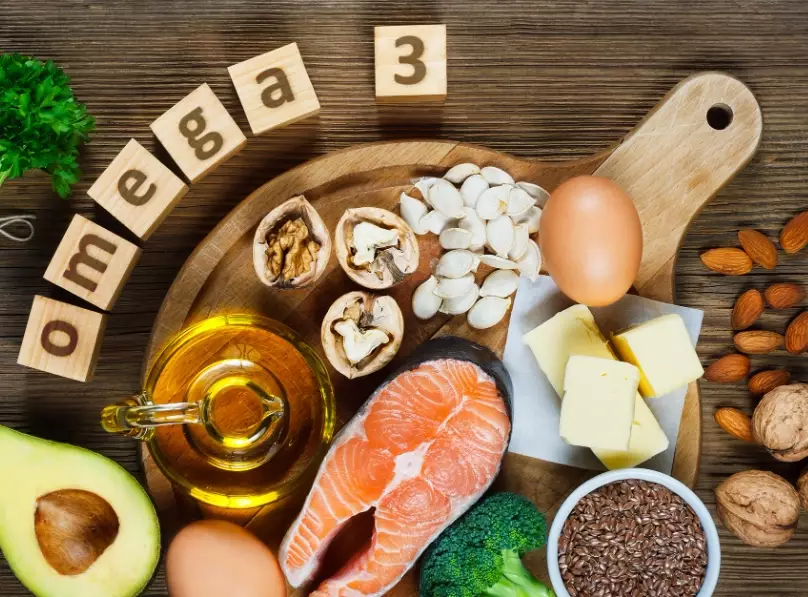
Your sex hormones (estrogen, progesterone) are literally made from cholesterol. Severely limiting fat can disrupt your cycle and mood. Focus on sources like avocados, olive oil, nuts, seeds, and fatty fish (salmon, sardines). These also help absorb fat-soluble vitamins (A, D, E, K).
3. Choose Complex Carbohydrates Wisely
Carbs are not the enemy; they're your brain and muscle's primary fuel. The problem is the type and timing. Ditch the refined stuff (white bread, sugary snacks) and go for fiber-rich options: sweet potatoes, oats, quinoa, beans, lentils, and all kinds of fruits and vegetables. Fiber is a superstar for gut health and blood sugar balance.
A quick note on calories: Obsessing over them is a losing game. Your needs fluctuate with your cycle, activity, and stress. Focus on food quality and listening to hunger/fullness cues. Eating enough nutrient-dense food often naturally regulates calorie intake.
4. Micronutrients You Can't Afford to Miss
These are the vitamins and minerals that keep the engine running smoothly. Women are particularly prone to deficiencies in a few key areas.
| Nutrient | Why Women Need It | Top Food Sources | Daily Goal (approx.) |
|---|---|---|---|
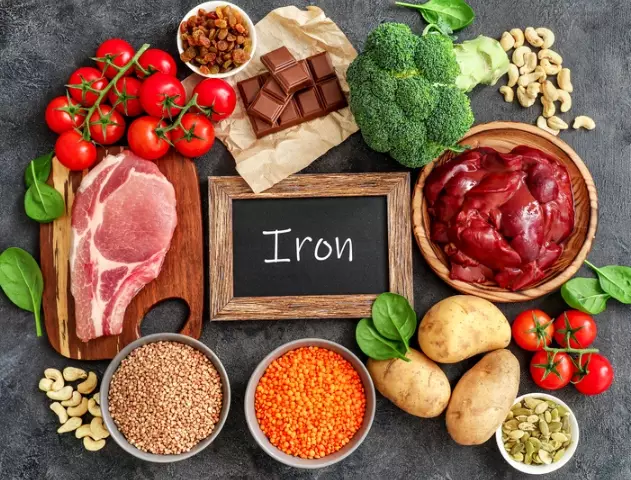
| Iron | Replaces iron lost during menstruation. Low levels cause fatigue and brain fog. | Red meat, lentils, spinach, fortified cereals. Pair plant-based iron with vitamin C (bell peppers, citrus) for better absorption. | 18 mg (pre-menopause) |
| Calcium | Critical for bone density, especially before age 30. | Dairy (yogurt, cheese), fortified plant milks, sardines with bones, kale, tofu. | 1000-1200 mg |
| Vitamin D | Helps absorb calcium, supports immunity and mood. Deficiency is extremely common. | Sunlight, fatty fish, egg yolks, fortified foods. Supplementation is often necessary, especially in winter. | 600-800 IU (may need more) |
| Folate (B9) | Vital for cell division and preventing neural tube defects in pregnancy. | Leafy greens, legumes, avocado, asparagus, fortified grains. | 400 mcg |
5. Hydration is Everything
Water transports nutrients, regulates body temperature, and keeps digestion moving. Aim for 2-2.5 liters daily, more if you're active. Herbal teas and water-rich foods (cucumber, watermelon) count. A simple trick: start your day with a large glass of water before coffee.
Tailoring Your Diet: Your 20s, 30s, 40s, and Beyond
Your nutritional priorities shift. Here’s what to focus on.
In Your 20s & Early 30s: This is your bone-building prime. Getting enough calcium and vitamin D now is an investment against osteoporosis later. It's also a time of high energy expenditure—don't skimp on calories if you're active. Establish healthy habits: learn to cook a few simple, balanced meals.
In Your 30s & 40s (Perimenopause): Hormones start their dance. Insulin sensitivity may begin to drop, making blood sugar management key. Prioritize protein and fiber at every meal to manage cravings and energy slumps. This is when that muscle mass you built earlier becomes your metabolic best friend. Magnesium-rich foods (nuts, seeds, dark chocolate) can help with sleep and stress.
In Your 50s & Beyond (Postmenopause): With the drop in estrogen, heart and bone health move to center stage. Continue emphasizing protein to combat age-related muscle loss (sarcopenia). Focus on heart-healthy fats (omega-3s from fish, monounsaturated fats from olive oil) and keep fiber intake high for gut and heart health. You might need slightly fewer calories, but never fewer nutrients.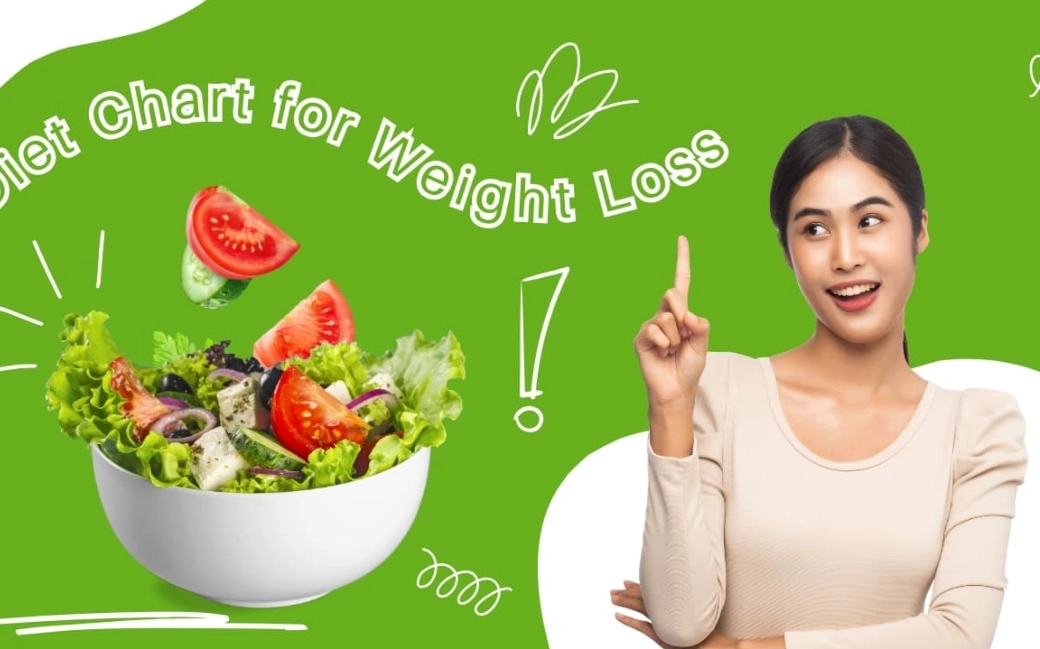
How to Build Your Plate: A No-Stress Model
Here’s a visual template you can use for lunch and dinner. No weighing needed.
- 1/2 Plate Colorful Vegetables: The more variety, the better. Think broccoli, peppers, carrots, leafy greens, zucchini. Aim for at least 5 different colors a week.
- 1/4 Plate Quality Protein: Your palm's size. Chicken, fish, tofu, tempeh, legumes, eggs.
- 1/4 Plate Complex Carbohydrate or Starchy Vegetable: A cupped handful. Quinoa, brown rice, sweet potato, beans, lentils, or whole-grain pasta.
- Add a Thumb of Healthy Fat: A drizzle of olive oil, 1/4 avocado, a small handful of nuts or seeds.
What does this look like in real life? A big salad with grilled salmon (protein), quinoa (carb), tons of mixed veggies, and an olive oil & lemon dressing (fat). Or a stir-fry with tofu, broccoli, bell peppers, and snap peas over brown rice, cooked in sesame oil.
3 Expensive Mistakes Even Health-Conscious Women Make
I see these patterns all the time in my practice.
Mistake 1: Over-Restricting Carbohydrates. Going ultra-low-carb can backfire for many women. It can disrupt thyroid function, spike cortisol (the stress hormone), and mess with your menstrual cycle. The goal is to choose smart carbs, not eliminate them.
Mistake 2: Skipping Meals to "Save Calories." This tanks your blood sugar, leading to intense cravings, overeating later, and putting your body in a stressed state. Regular, balanced meals are key for steady energy and hormone balance.
Mistake 3: Following a "Detox" or Extreme Cleanse. Your liver and kidneys are excellent detoxifiers. These plans are often low in protein and essential fats, which can lead to muscle loss and hormonal disruption. The best detox is a consistently nutrient-rich diet.
Your Burning Questions, Answered

The bottom line? The best diet for a woman is the one that makes her feel energized, strong, and satisfied—not deprived or obsessed. It's built on whole foods, adapts to her life, and respects her body's unique needs. Start with one principle, like adding more protein to your breakfast, and build from there. This isn't a 30-day challenge; it's the foundation for a lifetime of health.



Leave a comment