Let's cut straight to the chase. The average age for menopause—meaning your final menstrual period—is 51. I say "average" because that number hides a massive range. I've spoken with women who sailed through it at 45 and others who were still having regular cycles at 55. Your personal menopause age is influenced by a mix of genetics, lifestyle, and some plain old luck. This isn't just about a single birthday; it's about understanding the years-long transition leading up to it, called perimenopause, which is where most of the action (and confusion) happens.
What's Inside This Guide
What Exactly is Menopause?
People throw the word "menopause" around for everything from hot flashes to mood swings. Medically, it has a precise definition. Menopause is a single point in time: 12 months after your last menstrual period. That's it. Everything before that is perimenopause ("around menopause"). Everything after is postmenopause.
Think of it like graduation. Perimenopause is the years of study and final exams (the symptoms). Menopause is the day you get the diploma (the 12-month mark). Postmenopause is the rest of your life after graduation. The entire process is driven by your ovaries gradually winding down production of estrogen and progesterone.
A quick note on terms: You'll often hear "going through menopause." Most people are actually talking about experiencing perimenopause. It's a crucial distinction because when you search for help, you'll find more relevant information if you look up "perimenopause symptoms" rather than just "menopause."
The Average Age and What Shifts It
So, back to that magic number: 51. Studies, like the large, long-running Study of Women's Health Across the Nation (SWAN), consistently find the median age falls between 50 and 52. But your mileage will absolutely vary. Here’s what pulls your personal timing earlier or later.
| Factor | Typical Influence on Timing | Why It Matters |
|---|---|---|
| Genetics & Family History | Strongest predictor. Your mother's age at menopause is a major clue. | It's about your ovarian egg supply (ovarian reserve), which is largely genetically programmed. |
| Smoking | Can cause menopause 1-2 years earlier. | Toxins damage ovarian follicles. It's one of the most consistent lifestyle links. |
| Chemotherapy/Pelvic Radiation | Often causes immediate or early menopause. | These treatments can damage the ovaries. A discussion about fertility preservation is critical beforehand. |
| Autoimmune Diseases | Can lead to premature ovarian insufficiency. | Conditions like thyroid disease or rheumatoid arthritis may cause the body to attack ovarian tissue. |
| Ethnicity | Some studies note slight variations (e.g., earlier in Hispanic women, later in Japanese women). | These are population averages with huge overlap; genetics and environment within the group matter more. |
| Number of Pregnancies | Some data links more pregnancies to slightly later menopause. | The theory is that ovulation pauses during pregnancy, conserving eggs. The effect is modest. |
I once worked with a client, Sarah, who was panicked at 48 because her slightly younger sister had already finished menopause. "Am I broken?" she asked. Turns out, their mother went through it at 53. Sarah was simply following her genetic blueprint, not a pathology. This is why knowing your family history isn't just for medical forms—it sets realistic expectations.
When It's Not "Natural": Surgical and Medical Menopause
This is the part we don't talk about enough. If you have a total hysterectomy with removal of both ovaries (oophorectomy), menopause begins immediately, regardless of your age. The sudden drop in hormones can make symptoms more intense. A hysterectomy that leaves the ovaries usually doesn't cause immediate menopause, but it might happen a few years earlier than it otherwise would have.
Symptoms and Stages: How to Know You're There
You don't just wake up one day in menopause. Your body sends signals, sometimes subtle, sometimes like a freight train. Perimenopause can start 8-10 years before your final period, often in your mid-40s. The most common early sign isn't a hot flash—it's a change in your period.
- Cycle Changes: Shorter cycles, longer cycles, heavier flows, lighter flows, skipped periods. It becomes unpredictable.
- The Classic Trio: Hot flashes, night sweats (which wreck sleep), and vaginal dryness.
- The Sneaky Symptoms: This is where women get blindsided. New-onset anxiety, heart palpitations (checked by a doctor first!), brain fog, joint aches, and changes in libido.
A huge mistake is assuming all symptoms are "just hormones." If you have heart palpitations, see a cardiologist. If you're exhausted, get your thyroid and iron checked. Rule out other causes first. Perimenopause is a diagnosis of exclusion.
The late stage of perimenopause is when you start skipping periods—60 days or more between cycles. This is a strong sign you're within a couple of years of your final period.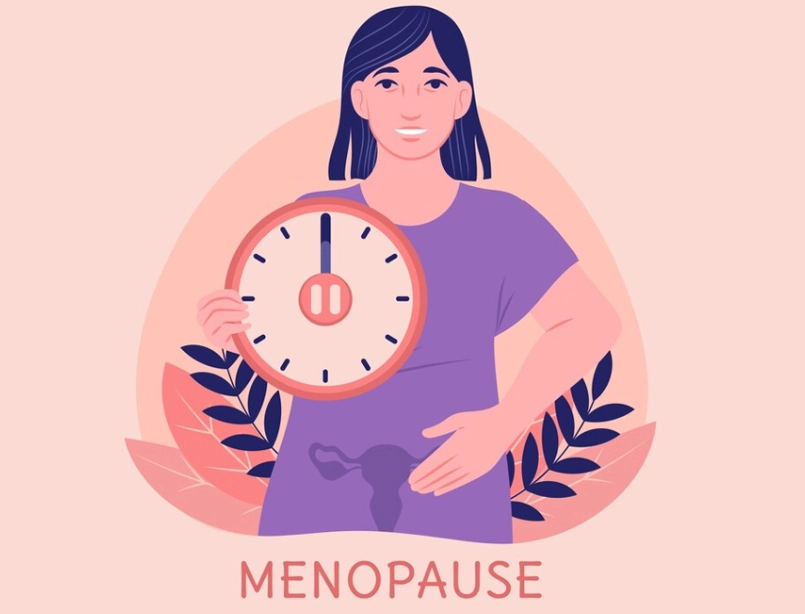
How Can You Manage Symptoms and Stay Healthy?
You can't control the exact menopause age, but you can build a toolkit for the journey. This isn't just about symptom relief; it's about investing in your postmenopausal health, particularly for your bones and heart.
Lifestyle is your first line of defense. It sounds boring, but it works.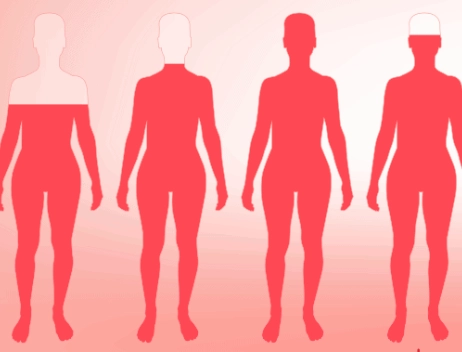
- Sleep Hygiene: Non-negotiable. Cool room, dark, no screens before bed. Night sweats will still happen, but good habits help you fall back asleep.
- Movement: Not just cardio. Strength training is critical for bone density. Yoga or Pilates can help with stress and joint stiffness.
- Diet Tweaks: Reduce alcohol and spicy foods if they trigger hot flashes. Prioritize calcium, vitamin D, and protein for muscle and bone health.
Medical Options: Hormone Therapy (HT, formerly HRT) is the most effective treatment for moderate-to-severe vasomotor symptoms (hot flashes/night sweats) and vaginal atrophy. The key is personalization and timing. Starting HT closer to menopause (generally before 60 and within 10 years) for symptom relief has a favorable benefit-risk profile for most healthy women, according to organizations like The North American Menopause Society (NAMS). It's not one-size-fits-all. Non-hormonal medications like certain antidepressants can also help.
For vaginal dryness, over-the-counter lubricants and moisturizers help, but low-dose vaginal estrogen is a game-changer for many and has minimal systemic absorption.
Your Top Menopause Questions Answered
Ultimately, fixating on the exact menopause age can create unnecessary anxiety. The number is less important than understanding your body's unique signals and having a proactive plan. Whether it happens at 48 or 54, the transition is a normal biological process. Arm yourself with good information, find a healthcare provider who listens, and focus on the things you can control—your lifestyle, your mindset, and seeking support. This isn't an ending; it's the start of a new chapter, and you get to write a big part of how it feels.





Leave a comment