Let's be honest. When a headache hits, your first thought isn't about root causes or holistic wellness. It's "make it stop." I get it. I've spent over a decade working with people in pain, and that desperate need for immediate headache relief is universal. But here's the thing most articles won't tell you: the quick fix and the long-term solution are often two sides of the same coin. Chasing only instant relief can trap you in a cycle.
Real, lasting headache relief comes from understanding the type of headache you have and having a layered strategy. Sometimes you need that ibuprofen. Other times, a glass of water and ten minutes in a dark room is the magic bullet. This guide cuts through the noise. We'll walk through a practical, step-by-step action plan for when pain strikes, explore the natural remedies that actually work (and when they don't), and discuss how to prevent the next one from starting. No fluff, just actionable strategies.
What You'll Find Inside
- Know Your Enemy: The Main Types of Headaches
- How to Get Headache Relief: A Step-by-Step Action Plan
- What Are the Best Natural Remedies for Headache Relief?
- When to Use Medical Headache Relief Options
- Stopping Headaches Before They Start: Prevention Strategies
- Your Headache Relief Questions, Answered
Know Your Enemy: The Main Types of Headaches
Treating all headaches the same is like using a hammer for every home repair. It might work sometimes, but you'll do a lot of damage. The three most common primary headaches (meaning the headache is the condition, not a symptom of something else) are:
Tension-Type Headaches: This is the classic "band around the head" pressure. It's usually on both sides, mild to moderate, and feels like a constant ache. Stress, poor posture, and eye strain are big triggers. Most over-the-counter headache relief targets this type.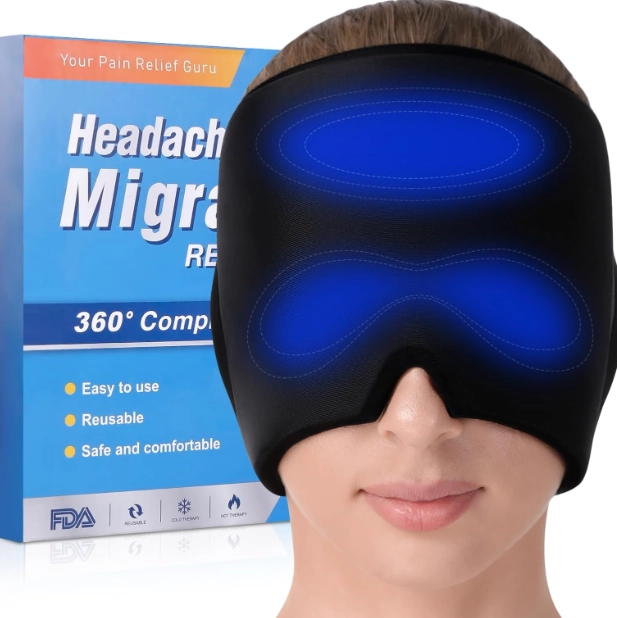
Migraines: More than just a bad headache. These are often one-sided, throbbing, and come with nausea, sensitivity to light and sound (photophobia and phonophobia), and sometimes visual disturbances called auras. They can be disabling. The National Headache Foundation notes that migraines have a strong neurological component.
Cluster Headaches: Rare but excruciating. They occur in cyclical patterns or "clusters," with severe burning or piercing pain around one eye. They're called "suicide headaches" for a reason. These require immediate medical attention.
Quick ID Guide: Is it a tension headache or a migraine? Ask yourself: Can I function somewhat, or do I need to lie down in a dark room? Does light or sound make it much worse? If it's the latter, you're likely in migraine territory and need a different approach.
How to Get Headache Relief: A Step-by-Step Action Plan
When the pain starts, don't just panic-grab a pill. Run through this checklist. It's the sequence I coach my clients through.
Step 1: The Immediate Environment Check
Stop what you're doing. Look around. Is the screen brightness too high? Is the room stuffy? Are your shoulders up by your ears? Fix the obvious first.
- Dim the lights or draw the curtains. Photophobia is a real trigger.
- Get some fresh air. A brief walk outside or just opening a window can change everything.
- Check your posture. Roll your shoulders back and down. Unclench your jaw. You're probably holding tension you don't even feel.
Step 2: Hydrate and Nourish
This sounds basic, but you'd be shocked how often it's the culprit. Dehydration headaches are incredibly common. So are headaches from low blood sugar.
Drink a full glass of water. Not a sip. A full 8-12 ounces. Then, if it's been a while since you ate, have a small snack with protein and complex carbs—like an apple with a handful of almonds. Skip the pure sugar snack; the crash will make it worse.
Step 3: Apply Targeted Pressure or Temperature
Now for the physical intervention.
For a tension headache: A cold compress on the forehead or back of the neck can constrict blood vessels and numb the area. 15 minutes on, 15 minutes off.
For a migraine: Cold is still good, but some people find a warm compress on the neck or a warm shower more relaxing for the neck muscles that might be contributing.
Try acupressure: Use your thumbs to apply firm, circular pressure to the webbed space between your thumb and index finger (the LI4 point). Or press the points at the base of your skull where your neck muscles attach. Hold for 30 seconds to a minute. It hurts a bit, but it can interrupt the pain signal.
Step 4: Controlled Breathing and Rest
If steps 1-3 haven't knocked it out, you need to down-regulate your nervous system.
Find a quiet place. Sit or lie down. Practice the 4-7-8 breathing technique: inhale for 4 counts, hold for 7, exhale slowly for 8. Do this for 5-10 minutes. This isn't just "relaxation"; it actively reduces the stress hormone cortisol, which is often fueling the headache.
If you can, a 20-minute power nap in a dark room can reset everything. Set an alarm so you don't wake up groggy.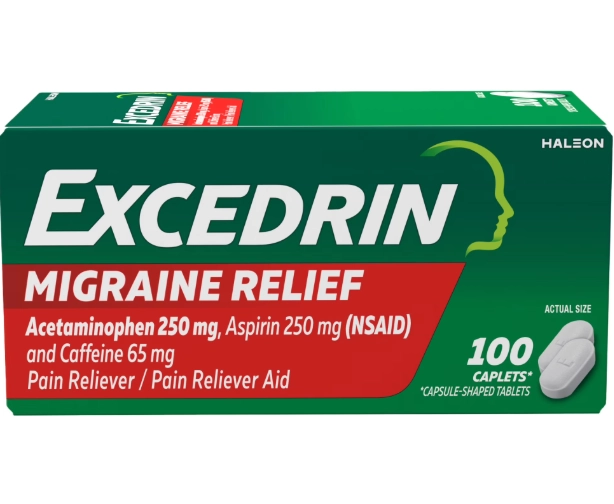
When to Skip the Plan and See a Doctor: If your headache is "the worst of your life," comes on suddenly like a thunderclap, is accompanied by fever, stiff neck, confusion, slurred speech, or weakness on one side, seek emergency care immediately. This is not about routine headache relief.
What Are the Best Natural Remedies for Headache Relief?
Beyond the immediate action plan, certain natural tools have solid backing. The key is matching the remedy to the headache.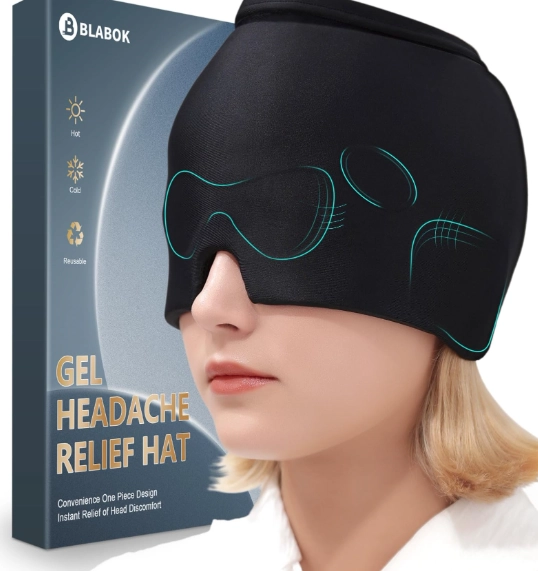
| Remedy | Best For | How to Use It | The Expert Caveat |
|---|---|---|---|
| Peppermint Oil | Tension-Type Headaches | Dilute 2-3 drops in a carrier oil. Massage onto temples and back of neck. | Brilliant for muscle tension. Can trigger migraines in scent-sensitive people. Test first. |
| Ginger | Migraine Nausea | Brew fresh ginger tea or take a 250-500mg supplement at onset. | Doesn't kill pain as well as drugs, but fantastic for the nausea. Fewer side effects. |
| Caffeine | Early-Stage Tension or Migraine | A small cup of coffee or black tea at the very first sign. | A double-edged sword. It constricts blood vessels, helping pain. But daily use leads to withdrawal headaches. Use sparingly. |
| Magnesium | Prevention (especially migraines) | Daily supplement of 400-600mg of magnesium glycinate or citrate. | The research is strong for prevention. It does almost nothing for acute relief. You have to take it daily. |
| Butterbur | Migraine Prevention | Standardized extract (Petadolex) taken daily as per label. | Very effective in studies. CRITICAL: Must be a PA-free (pyrrolizidine alkaloid-free) brand to avoid liver toxicity. |
I see people fail with natural remedies because they use them reactively, like a pill. Ginger won't stop a full-blown migraine in its tracks. Magnesium needs weeks to build up in your system. Think of these as part of your long-term toolkit, not just an on-demand fix.
When to Use Medical Headache Relief Options
There is zero shame in using medication. The goal is smart use.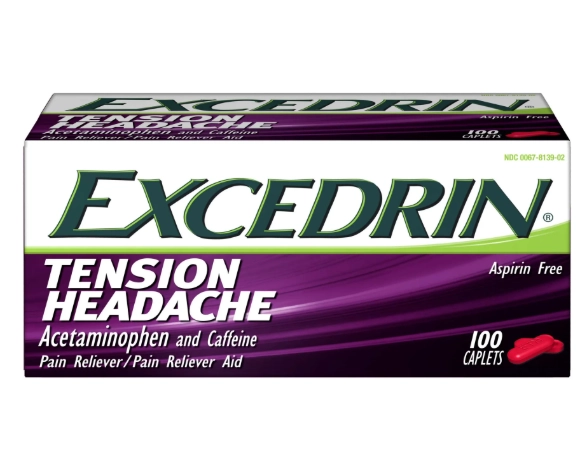
Over-the-Counter (OTC) Options
NSAIDs (Ibuprofen, Naproxen): Great for inflammation and tension headaches. Take with food to protect your stomach. Don't use daily.
Acetaminophen (Paracetamol): Good for pain and fever, less so for inflammation. Safer on the stomach but harsh on the liver in high doses. Stick to the recommended dose.
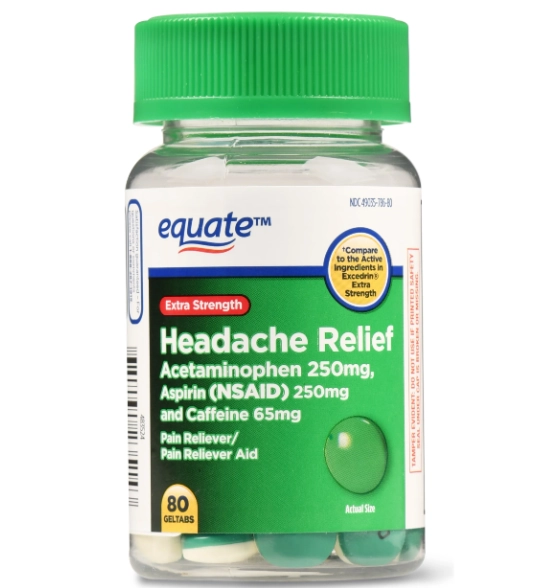
Combination Meds (with Caffeine): Drugs like Excedrin Migraine add caffeine. It can boost effectiveness by 40% for some. The risk? You now get a caffeine withdrawal headache if you use it frequently. Reserve for tough cases.
The biggest mistake I see? People taking two different OTC meds without realizing they both contain acetaminophen, leading to accidental overdose. Always read labels.
Prescription Options
If OTC meds fail more than twice a week, see a doctor. You might need:
- Triptans: The gold standard for aborting migraines. They work on serotonin receptors.
- Preventive medications: Like beta-blockers, anticonvulsants, or even certain antidepressants, taken daily to reduce frequency and severity.
- CGRP antagonists: A newer class of injectable or oral meds specifically for migraine prevention.
The conversation with your doctor should be: "Here's how many headaches I get, here's what I've tried, and here's how they impact my life." A headache diary is your most powerful tool for that appointment.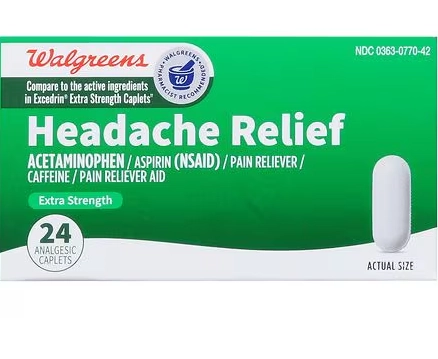
Stopping Headaches Before They Start: Prevention Strategies
True headache relief means having fewer headaches. This is where you get control.
1. Identify Your Triggers, Relentlessly. Keep a simple log: date, pain level, what you ate/drank, sleep, stress level, weather, and for women, your cycle. After a month, patterns emerge. Is it red wine? Skipped meals? A storm front? Poor sleep on Sundays? You can't avoid everything, but you can plan for it.
2. Build a Rock-Solid Sleep Schedule. Inconsistent sleep is a massive trigger. Go to bed and wake up at roughly the same time, even on weekends. This regulates your body's rhythms more than anything else.
3. Manage Stress Proactively, Not Reactively. Don't wait for the headache to start deep breathing. Build 10 minutes of mindfulness, walking, or stretching into your daily routine. It's like putting money in a savings account for stressful times.
4. Consider a Supplement Regimen. Based on research, a daily combination of Magnesium (400mg), Riboflavin (Vitamin B2) (400mg), and Coenzyme Q10 (100-300mg) has shown significant preventive effects for migraines in clinical trials. Talk to your doctor before starting.
5. Optimize Your Workspace. If you get tension headaches, this is non-negotiable. Screen at eye level. Chair supporting your lower back. Feet flat on the floor. Take a 2-minute posture and eye break every 30 minutes. Look away, focus on something distant, roll your shoulders.
Prevention isn't sexy, but it works. It turns you from a passive victim of pain into an active manager of your own health.
Your Headache Relief Questions, Answered
What's the fastest way to get headache relief at home?
Do natural headache remedies like peppermint oil actually work?
How often is it safe to take over-the-counter painkillers for headache relief?
Can poor posture really cause headaches that need daily relief?
The journey to consistent headache relief is part science, part personal detective work. It requires moving beyond the single-solution mindset. Arm yourself with the step-by-step action plan for acute attacks, experiment thoughtfully with natural aids, use medication wisely as a tool, and most importantly, invest in the daily habits of prevention. Listen to what your headaches are trying to tell you about your sleep, your stress, and your posture. That's how you break the cycle for good.




Leave a comment