Let's be honest. We talk about physical health all the time. We track steps, count calories, get checkups. But when it comes to mental health, there's still this invisible wall. We whisper about stress, we hide anxiety, and we treat mental health like it's a bonus feature, not the core of our wellbeing. That's where mental health awareness comes in. It's not about wearing a ribbon or sharing a hashtag for a month. It's about building a new normal, one conversation at a time.
I remember my first panic attack. I was 23, sitting at my desk, and suddenly the room felt too small. My heart started racing, my palms got sweaty, and I was convinced I was having a heart attack. I didn't tell anyone for weeks. I thought it was a sign of weakness, a character flaw. That silence, that stigma, it almost cost me my job. It took years of trial and error, of therapy and self-help, to understand that mental health isn't the absence of struggle, but the ability to navigate it.
What You'll Find in This Guide
Understanding Awareness: Beyond the Buzzwords
Mental health awareness isn't just about knowing that depression exists. It's about recognizing the spectrum of our emotional lives, from the everyday blues to the more serious challenges. It's about understanding that mental health is a continuum, not a binary state of "sick" or "well."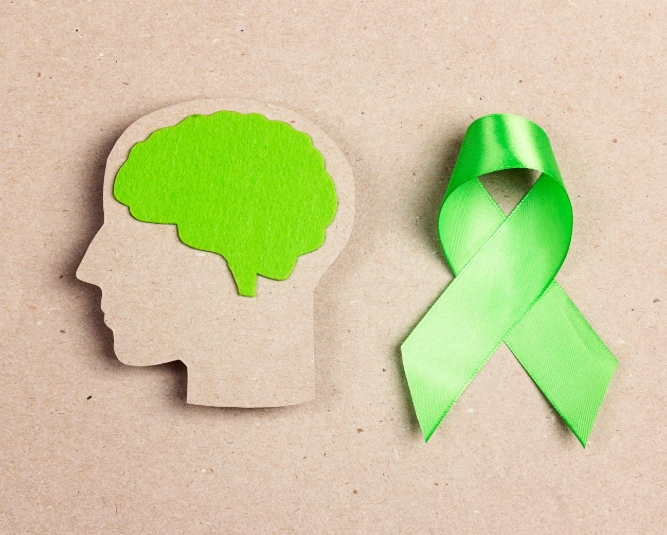
Think about it like physical fitness. You don't wake up one day and decide you're "fit" or "unfit." You have days where you feel strong, days where you're tired, and days where you push yourself a bit too hard. Mental health is the same. It fluctuates. A key part of awareness is learning to listen to those fluctuations without judgment.
The Most Common Mistake I See
Here's something I've noticed after a decade of working in this field: People often equate mental health awareness with self-diagnosis. They read a list of symptoms online and immediately label themselves. This is dangerous and counterproductive. Awareness is about observation, not categorization. It's about noticing that you've been feeling more irritable than usual, or that your sleep patterns have changed, and then asking "why?" instead of jumping to a conclusion like "I must have anxiety."
Common Misconceptions We Need to Ditch
Let's clear up a few myths that do more harm than good.
Myth 1: Mental health awareness is only for people with diagnosed conditions. Wrong. It's for everyone. Just like you don't need to have a broken leg to benefit from stretching, you don't need a clinical diagnosis to benefit from understanding your own mind.
Myth 2: It's all about positive thinking. If I hear "just think happy thoughts" one more time, I might scream. Toxic positivity is real, and it invalidates genuine struggles. Sometimes, acknowledging that things are hard is the most mentally healthy thing you can do.
Myth 3: Raising awareness means we have to talk about it all the time, in a serious, clinical way. This is a big one. The conversations that matter most often happen in the most ordinary moments. It's the check-in with a colleague over coffee, the "how are you really?" text to a friend, the shared laugh over a silly mistake. It's about integrating mental health into the fabric of our daily lives, not medicalizing it.
Practical Steps You Can Take Right Now (No Therapy Required)
You don't need to book an appointment with a therapist to start improving your mental wellbeing (though it can be incredibly helpful). Here are some concrete, actionable steps you can implement today, based on what actually works, not just what sounds good.
1. Redefine Your "Check-In"
We ask "how are you?" multiple times a day, but we rarely expect a real answer. Start by asking one person in your life a slightly different question. Instead of "how are you?" try "what's been the best part of your week so far?" or "what's been taking up most of your mental energy lately?" This small shift can open up a space for more honest conversation.
2. Build Your Mental Health "Toolkit"
Your mental health needs tools, just like your physical health. Here are a few non-negotiable items I believe everyone should have in their toolkit:
- A dedicated "worry window": Give yourself 15 minutes each day to write down everything that's bothering you. Then, close the notebook. This sounds simple, but it trains your brain to compartmentalize anxieties instead of letting them run rampant 24/7.
- A physical activity you actually enjoy: It doesn't have to be the gym. It could be dancing in your living room, gardening, or a brisk walk. The key is movement that feels good, not punishing.
- A digital boundary: Set your phone to "do not disturb" for at least one hour before bed. The blue light from screens disrupts sleep, and the constant notifications keep our brains in a state of low-grade alertness. I personally turn my phone off at 9 pm, and it's one of the best decisions I've made for my mental health.
Let me share a personal story. For years, I thought my anxiety was just part of my personality, something I had to manage. I tried everything from meditation apps to rigid routines, but nothing stuck. Then, I started simply paying attention to how my body felt before, during, and after an anxiety spike. I noticed a tightness in my chest, a clenching in my jaw. This awareness, without judgment, was the first step. It wasn't about eliminating the anxiety, but about recognizing its signals and responding differently.
3. The Power of Naming
Here's a controversial opinion: Most mental health resources focus on coping mechanisms after the fact. While these are important, we often skip a crucial first step: naming what we're feeling. We say "I'm stressed," but stress is a symptom, not the emotion. Underneath stress might be overwhelm, fear of failure, or frustration.
Try this. Next time you feel "stressed," pause for a moment and ask yourself: "What am I actually feeling? Is it anger? Is it fear? Is it sadness?" Giving a name to the emotion can, in itself, reduce its intensity and make it feel more manageable. You can't address what you haven't identified.
Mental Health at Work: It's Not About Ping-Pong Tables
Many companies now offer "mental health days" or have wellness programs. That's a start, but it often misses the mark. Having a ping-pong table in the break room doesn't address the root causes of workplace stress: unrealistic deadlines, poor communication, lack of psychological safety.
Real mental health awareness at work means creating an environment where employees feel safe to say "I'm overwhelmed" without fear of repercussion. It means managers checking in not just on project status, but on workload and emotional capacity. It means moving beyond performative gestures and into systemic change.
One practical step any team can take is to implement "no-meeting Fridays" or set core collaboration hours where interruptions are minimized. This respects deep work time and acknowledges that constant context switching is a major source of mental fatigue.
How to Support Someone You Care About (Without Burning Out)
Supporting someone else's mental health is an act of care, but it can also be draining. Here's the subtle mistake many well-intentioned people make: they try to fix it.
When a friend is struggling, our instinct is to offer solutions, to say "you should try this" or "it's not that bad." This often comes from a place of love, but it can unintentionally invalidate the person's experience. The most powerful support often looks like this:
"That sounds really hard. I'm here for you."
It's about holding space, not filling it. It's about listening without judgment, offering your presence, not your solutions. This shift can make all the difference.
What to Do When You Don't Know What to Do
If you're unsure how to help, start by simply showing up. Send a text that says "thinking of you" without expecting a reply. Drop off a coffee. Sit in silence together. Often, the most supportive thing you can do is to acknowledge that you don't have the answers, but that you're willing to be there while they find their own.
And crucially, remember to take care of your own mental health in the process. You can't pour from an empty cup. Set boundaries, make time for your own activities, and don't be afraid to seek support for yourself if needed. Supporting someone through a tough time is a marathon, not a sprint.
Your Questions, Answered Honestly
I've heard a lot of questions over the years, some more often than others. Here are a few that get to the heart of what people really want to know, but might be afraid to ask directly.
Mental health awareness is a journey, not a destination. It's about building a life where we can talk about our struggles without shame, where we can offer support without judgment, and where we can recognize that taking care of our minds is just as important as taking care of our bodies. It starts with a single conversation. Why not make it today?





Leave a comment