Let's be honest. When you hear "female wellness," you probably picture green smoothies, yoga mats, and maybe a perfectly organized planner. The wellness industry sells us a curated version of health that often feels like just another item on an endless to-do list. But after working with hundreds of women and navigating my own journey, I've learned that the real definition is far richer, messier, and more personal. True female wellness isn't a destination you reach; it's a dynamic, holistic state of thriving across all the dimensions of your life. It's the feeling of alignment, resilience, and vitality that comes when you're not just free from illness, but actively engaged in living well.
What You’ll Find in This Guide
Breaking Free from the Wellness Checklist
We've been conditioned to think of wellness in compartments: physical health (gym, diet), mental health (therapy, meditation). Tick the boxes, and you're "well." But this fragmented approach misses the point. What about the woman who eats clean but is chronically stressed and lonely? Or the one who runs marathons but ignores persistent fatigue because her bloodwork is "normal"?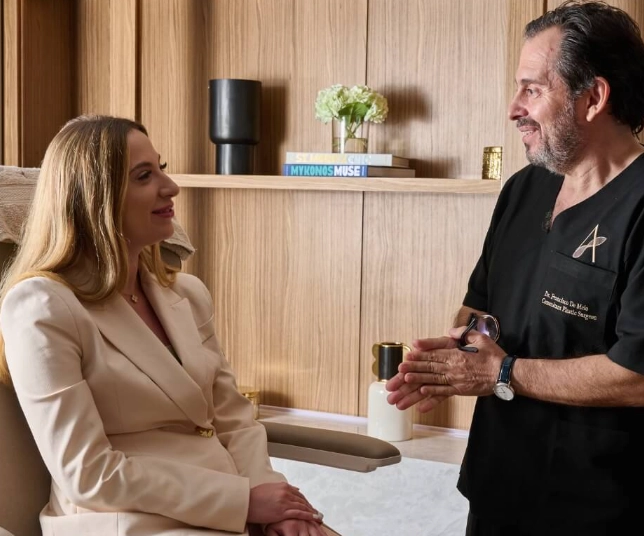
The old definition is static. The new one is fluid. Female wellness is the integrated state where your physical energy supports your mental clarity, your emotional stability fosters healthy relationships, and your social connections give your life meaning. It acknowledges that a hormonal shift affects your mood, that a stressful job can disrupt your digestion, and that a fulfilling hobby can be as crucial as a vitamin.
Here’s the non-consensus part: The biggest mistake isn't skipping the gym; it's ignoring the connections between areas of your life. Treating a migraine with just painkillers (physical) without exploring its link to your deadline stress (mental) and skipped meals (physical again) is a classic example. Holistic wellness is diagnostic. It asks, "What's connected to what?"
The Four Pillars of Holistic Female Wellness
To move beyond buzzwords, let's define the core areas. Think of these not as separate boxes, but as interconnected spheres constantly influencing each other.
1. Physical Wellness: More Than a Number on a Scale
This is about vitality and listening, not punishment or aesthetics. It's how you feel moving through your day. Do you have steady energy? Can you recover from a cold? Do you understand your unique hormonal landscape?
Key aspects include:
Nourishment: Food as fuel and information for your cells. It's not about rigid rules, but about what makes your body feel strong and clear-headed. For some, that's a plant-heavy diet; for others, it needs more protein.
Movement: Joyful, functional movement that builds strength, flexibility, and resilience. This could be dancing, hiking, strength training, or gardening—anything that connects you to your body positively.
Rest & Recovery: This is the most underrated tool. Quality sleep, rest days, and managing your nervous system (getting out of constant "fight-or-flight") are non-negotiable for hormonal balance and cellular repair.
2. Mental & Emotional Wellness: The Inner Landscape
This pillar is about clarity, resilience, and self-compassion. It's managing your thoughts and navigating your feelings without being ruled by them.
Cognitive Health: Mental agility, focus, and the ability to learn. It's challenged by chronic stress and poor sleep. Activities that stimulate the brain—reading, puzzles, learning a skill—matter here.
Emotional Regulation: The ability to feel your feelings (anger, sadness, joy) without being overwhelmed by them. It's knowing how to soothe your nervous system after a tough day. This isn't about being happy all the time; it's about being adaptable.
Mindset & Self-Talk: The running commentary in your head. Is it a harsh critic or a supportive coach? Cultivating self-compassion is arguably the single most powerful wellness practice for women, who often hold themselves to impossible standards.
3. Social & Relational Wellness: Your Network of Support
Humans are wired for connection. This pillar asks: Do your relationships nourish or deplete you? Loneliness is a profound health risk, on par with smoking.
It involves setting boundaries, communicating needs, and investing in friendships that offer reciprocity. It also includes your relationship with your community and whether you feel a sense of belonging. A toxic work environment or a conflict-ridden family life can tank every other wellness effort.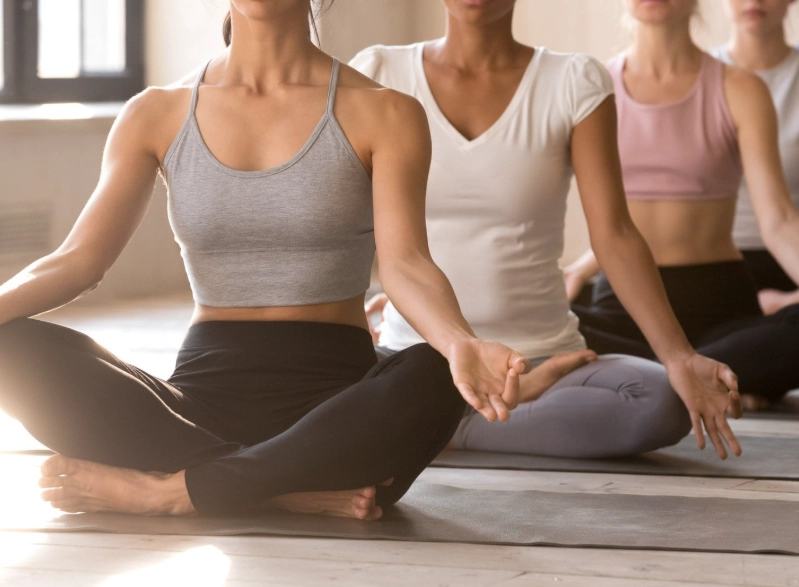
4. Purpose & Spiritual Wellness: The "Why" Behind It All
This is the anchor. It's your sense of meaning, values, and connection to something larger. It doesn't have to be religious. It's the feeling you get when you're in "flow," when your actions align with what you deeply care about.
Without this, wellness activities can feel empty. This is about asking: What makes my life feel meaningful? What are my core values? How do I contribute? This dimension provides the motivation to care for yourself on the hard days.
How to Build Your Personal Wellness Blueprint
Forget copying someone else's routine. Your blueprint is unique. Start with a simple audit. For one week, just observe without judgment.
Track your energy, mood, and digestion. Note when you feel most alive and when you crash. What people or activities drain you? What gives you a sense of peace?
Then, pick one tiny, sustainable change in your weakest pillar. If social wellness is low, don't aim for three new friends. Text one existing friend to schedule a coffee. If physical energy is poor, don't sign up for a marathon. Commit to a 10-minute walk after lunch three days a week.
The goal is consistency, not perfection. A 5-minute daily breathing practice done consistently does more for your nervous system than a one-hour meditation you do once and abandon.
Common Traps and How to Avoid Them
I've seen these derail so many women (myself included).
Trap 1: All-or-Nothing Thinking. "I ate a cookie, my diet is ruined, I might as well order pizza." Wellness is a spectrum, not a pass/fail test. One "off" meal or missed workout is a blip, not a failure. The key is returning to your practices, not giving up.
Trap 2: Comparison. Her Instagram wellness journey is not yours. Your friend thrives on high-intensity workouts; you might need yin yoga. Your blueprint is based on your body, your life stage, your stressors.
Trap 3: Ignoring Pleasure. If your wellness plan feels like a grind, you won't stick with it. Where is the joy? The delicious food? The fun movement? The laughter with friends? Pleasure is a powerful health signal. Integrate it.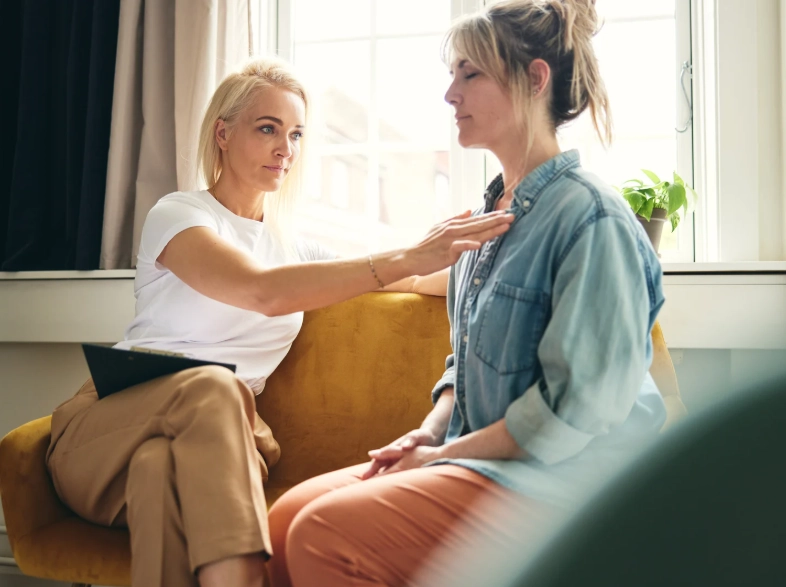
Your Top Wellness Questions, Answered
The final word? Female wellness is a personal, evolving practice of tuning in and showing up for yourself across the full spectrum of your life. It's not a finish line to cross. It's the quality of the journey itself. Start where you are, connect the dots, and remember that small, consistent steps in alignment with your own values create a thriving life far more than any perfect, Pinterest-worthy routine ever could.

Leave a comment