What You'll Learn Today
I remember staring at my recycling bin one day, feeling guilty about all the plastic wrappers from my "healthy" snacks. That's when it hit me: why not merge my health goals with eco-friendly practices? After a decade of experimenting—some wins, some flops—I've gathered insights that go beyond the usual advice. Let's cut through the noise and explore what eco-friendly health tips really mean for you.
What Exactly Are Eco-Friendly Health Tips?
Eco-friendly health tips are about making choices that benefit both your body and the planet. It's not just recycling or eating organic; it's a mindset shift. Think of it as reducing waste in your life while boosting your well-being. For example, choosing to walk instead of drive saves emissions and gives you cardio. Simple, right? But many people overcomplicate it by focusing on expensive products. The core is simplicity: use less, waste less, feel better.
I've seen friends jump on trends like bamboo toothbrushes without considering the full picture. Sure, they're biodegradable, but if you buy a new one every month shipped from overseas, the carbon footprint adds up. The key is to balance intention with action.
Simple Ways to Integrate Eco-Friendly Habits into Your Health Routine
Start small. You don't need a complete overhaul overnight. Here are areas where I've made lasting changes.
Food and Diet Choices
Food is where health and sustainability intersect most. I shifted to a more plant-based diet after reading a report from the World Health Organization linking high meat consumption to environmental strain. Now, I aim for 80% plants. It's not about perfection—I still enjoy cheese occasionally—but about reduction.
**Buy local and seasonal.** Visit farmers' markets; the produce is fresher, often cheaper, and cuts down on transportation emissions. In my city, a summer tomato from a local farm tastes better and has a lower carbon footprint than one flown in from abroad.
**Reduce packaging.** I carry reusable bags and containers. Meal prepping in glass jars not only reduces plastic waste but also helps me eat healthier by avoiding last-minute takeout.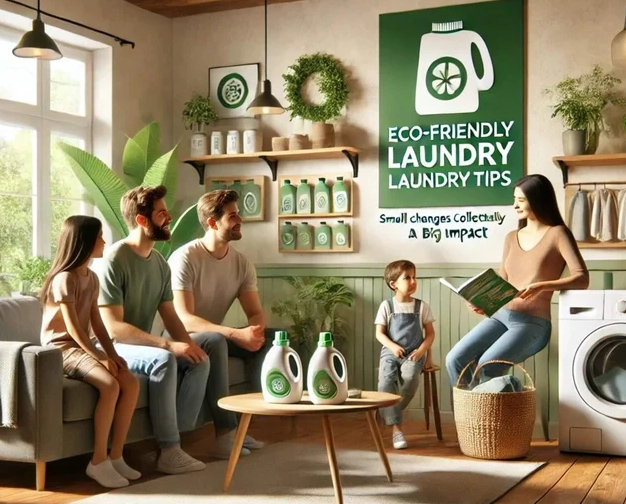
Physical Activity and the Environment
Gyms consume energy with lights and machines. Instead, I exercise outdoors whenever possible. Walking, running, or cycling in a park uses zero electricity and connects you with nature. A study from the University of Exeter found that outdoor exercisers report 30% higher satisfaction levels.
If you prefer indoor workouts, try bodyweight exercises at home. No equipment needed, just your body. I saved over $500 a year by canceling my gym membership and using online videos for yoga.
Mental Well-being and Nature Connection
Stress relief can be eco-friendly too. Instead of buying meditation apps, I practice mindfulness in my backyard. Just 10 minutes of listening to birds lowers my anxiety. The American Psychological Association highlights that nature exposure reduces cortisol levels.
Another trick: digital detox. Reducing screen time saves energy and improves sleep. I set a rule—no phones after 8 PM—and noticed better rest within a week.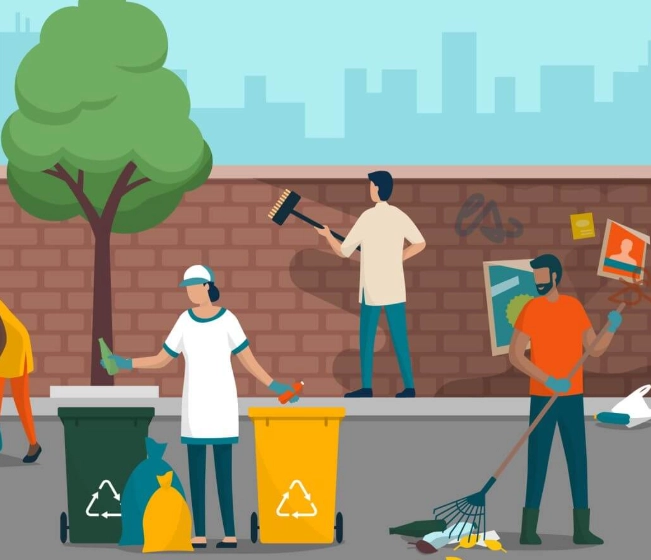
The Surprising Benefits You Didn't Know About
Beyond the obvious health and environmental gains, there are hidden perks. For one, eco-friendly habits often save money. By drinking tap water from a reusable bottle, I cut my beverage costs by $200 annually. Also, these practices foster community; joining local clean-up events improved my social health.
Health-wise, I experienced fewer allergies after switching to natural cleaning products. Many conventional cleaners contain volatile organic compounds that harm indoor air quality, according to the Environmental Protection Agency. Making my own with vinegar and baking soda was cheaper and safer.
Pitfalls to Avoid: Lessons from My Own Mistakes
Newcomers often stumble by going too fast. I once bought a bunch of "eco" products—reusable straws, bamboo cutlery—only to realize I didn't need half of them. The waste from impulse buying defeated the purpose.
**Don't ignore water usage.** Some people focus on food but leave taps running. Fixing a leaky faucet can save gallons and reduce utility bills.
**Beware of greenwashing.** That "all-natural" snack bar might have excessive packaging. Read labels critically. I learned this after a protein bar wrapped in three layers of plastic—hardly eco-friendly.
My biggest mistake? Assuming everything labeled "green" is healthy. A friend recommended a popular eco-friendly sunscreen, but it left my skin greasy and caused breakouts. Now, I research ingredients on sites like the Environmental Working Group's database.
Your 7-Day Starter Plan for Eco-Friendly Health
Feeling overwhelmed? Try this week-long plan. It's based on my own journey and designed for busy lives.
**Day 1:** Audit your trash. Notice what you throw away—packaging from snacks? Plan one homemade meal instead.
**Day 2:** Swap one car trip for a walk or bike ride. Even 15 minutes counts.
**Day 3:** Visit a local market for seasonal produce. Cook a simple veggie stir-fry.
**Day 4:** Turn off electronics an hour before bed. Read a book or journal.
**Day 5:** Make a natural cleaner. Mix equal parts water and vinegar in a spray bottle.
**Day 6:** Spend 20 minutes outdoors—garden, walk, or just sit. Observe how you feel.
**Day 7:** Reflect and adjust. What worked? Maybe you loved the walk but hated the cleaner smell—add lemon juice next time.
This plan isn't rigid. The goal is to build habits that stick. I've shared it with friends, and many report feeling more energized within a month.
Answers to Your Burning Questions


Leave a comment