Quick Guide
- Building Your Foundation: Daily Habits That Actually Stick
- Sustainable Fashion for Women: Looking Good Without Costing the Earth
- The Green Beauty & Wellness Routine
- Sustainable Living at Home: Beyond Recycling
- Building Your Green Community and Managing Eco-Anxiety
- Common Questions About Sustainable Living for Women
Let's be real. When you hear "sustainable living for women," what pops into your head? Maybe it's images of expensive linen outfits, zero-waste bloggers with perfect mason jar pantries, or a vague sense of guilt because you forgot your reusable bags... again. I've been there. For a long time, I thought going green meant a complete, overwhelming lifestyle overhaul that was both pricey and impractical.
But what if it wasn't about perfection? What if sustainable living for women could be about making smarter, more mindful choices that fit into your actual life—budget, busy schedule, and all? That's what we're going to talk about. This isn't a lecture; it's a conversation. We'll ditch the judgment and explore what an eco-friendly lifestyle can look like, from your bathroom cabinet to your closet, without making you feel like you're failing.
The truth is, women often drive household consumption decisions. From groceries to cleaning products to clothing, our choices have a massive collective impact. Framing sustainable living for women as a powerful, positive set of actions—rather than a list of restrictions—is key. It's about empowerment, not deprivation.
Think about it this way: Sustainable living isn't a destination you arrive at. It's a direction you travel in. Every small step counts, and the goal is progress, not purity.
Building Your Foundation: Daily Habits That Actually Stick
Jumping straight into off-grid homesteading is a surefire way to get overwhelmed and quit. Let's start with the core habits, the ones that become second nature and build your confidence.
Rethinking the "Reduce, Reuse, Recycle" Mantra
We all know the three R's, but the order is crucial. Reduce is the most powerful. Before you buy anything new, pause. Do I need this? Can I borrow it? I applied this to kitchen gadgets and saved a ton of money and cupboard space. Reuse is next. Get creative. Old t-shirts become cleaning rags. Glass jars hold everything from bulk lentils to homemade salad dressing. Recycle is the last resort because the process itself uses energy. And please, rinse your containers! Contaminated recycling often ends up in landfill anyway.
One of the easiest wins? Cutting single-use plastics. It sounds cliché, but it works. A reusable water bottle and coffee cup are non-negotiable starters. Keep a set of utensils (fork, knife, spoon, straw) in your bag or at your desk. I bought a cute bamboo set years ago, and it's saved me from hundreds of plastic forks.
Mindful Consumption: Energy and Water
This is where sustainable living for women meets the utility bill. Small changes add up.
- Unplug the "vampires": Chargers, small appliances, and electronics suck energy even when off. Use a power strip and switch it off at night.
- Embrace cold washes: About 90% of a washing machine's energy goes to heating water. Switching to cold water for most loads is a no-brainer for your clothes and the planet.
- Shower power: A simple timer or a favorite 5-minute playlist can cut water use dramatically. Low-flow showerheads are a cheap, effective upgrade.
I'll admit, I was skeptical about the cold wash thing. I tried it on my darker colors first, and honestly, I couldn't tell a difference in cleanliness. Now it's my default unless I'm washing sheets or towels with stubborn stains.
Sustainable Fashion for Women: Looking Good Without Costing the Earth
This is a big one. Fast fashion is a major polluter, and the pressure to always have something new is real. Building a sustainable wardrobe is a journey of changing your mindset.
The Core Philosophy: Buy Less, Choose Well, Make It Last
Vivian Westwood said that, and it's the golden rule. Instead of chasing micro-trends, focus on building a capsule wardrobe of versatile, quality pieces you truly love. Ask yourself: Will I wear this at least 30 times? If the answer isn't a confident yes, put it back.
Care for what you have. Learn basic mending—sewing on a button or darning a sock is easier than you think. Wash clothes less frequently (air them out instead) and follow care labels to prolong their life.
Navigating Materials and Brands
When you do need to buy, material matters. Natural fibers like organic cotton, linen, hemp, Tencel (lyocell), and wool are generally more biodegradable and have a lower synthetic microfiber shed than polyester or nylon. But it's not black and white. Conventional cotton is incredibly water-intensive. That's why looking for certifications like GOTS (Global Organic Textile Standard) can help.
Here’s a quick comparison of common fabrics to guide your choices:
| Fabric | Key Considerations | Best For |
|---|---|---|
| Organic Cotton | Uses less water & no synthetic pesticides vs. conventional cotton. Soft, breathable. | Basics, t-shirts, underwear, bedding. |
| Linen | Made from flax, requires few pesticides. Highly durable, gets softer with washes. Wrinkles easily (it's a look!). | Summer clothing, shirts, trousers, tablecloths. |
| Tencel/Lyocell | Made from wood pulp in a closed-loop process (recycles solvents). Silky, drapes well, moisture-wicking. | Dresses, blouses, activewear. |
| Recycled Polyester | Gives plastic bottles a second life. Still sheds microfibers, but diverts waste. | Activewear, fleeces, outerwear. |
| Conventional Polyester | Derived from fossil fuels. Sheds microplastics with every wash. Cheap and durable. | Avoid where possible, especially for fast-fashion items. |
When researching brands, don't just fall for green buzzwords like "eco-friendly" or "conscious." Look for transparency. Do they share their factory lists? Do they have measurable goals for reducing water or carbon? Resources like the Fashion Revolution Transparency Index are invaluable for cutting through the marketing noise.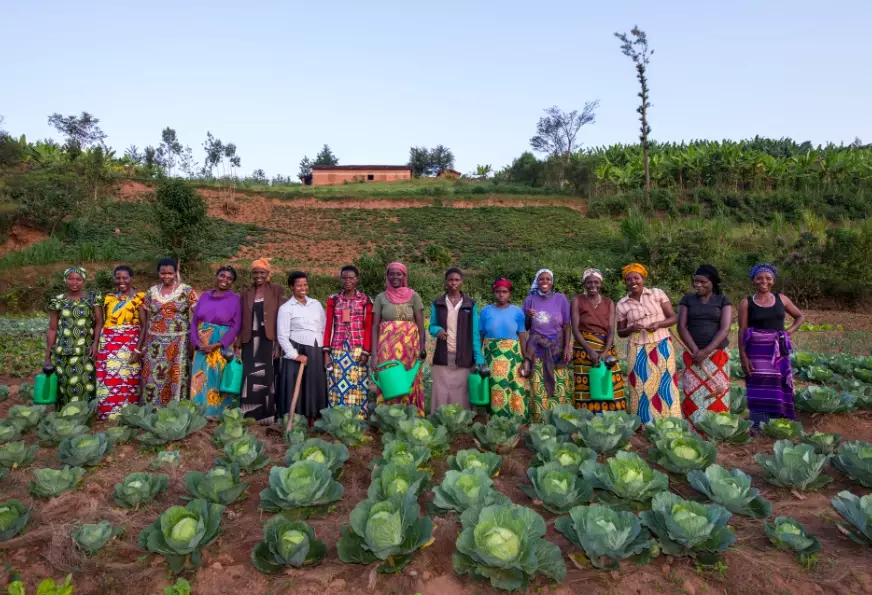
My personal rule: For every new item I buy, I try to let go of one from my closet, either by donating, selling, or repurposing. It keeps the clutter down and makes each purchase more intentional.
Secondhand is Not Second Best
Thrifting, consignment stores, and online platforms like Depop or ThredUp are the ultimate in sustainable fashion for women. You're extending a garment's life, saving money, and often finding unique pieces. It's a treasure hunt. I found my favorite vintage leather jacket this way for a fraction of the cost of a new one.
The Green Beauty & Wellness Routine
The beauty industry generates a staggering amount of plastic packaging and often uses questionable ingredients. A sustainable approach here is about simplicity and safety.
Simplifying Your Regimen
Do you really need a 10-step routine? Often, less is more. Multi-use products are your friend. A good quality oil (like jojoba or almond) can be a makeup remover, moisturizer, and cuticle oil. Solid shampoo and conditioner bars eliminate plastic bottles and last forever. I switched to a shampoo bar over a year ago, and it took an adjustment period for my hair, but now I love it and haven't bought a plastic bottle since.
Ingredients and Packaging to Look For (and Avoid)
Learn to read labels. Avoid microbeads (polyethylene/PP), which are tiny plastic particles that pollute waterways. Be wary of "fragrance" or "parfum," as it can be a catch-all for many chemicals.
- Refillable systems: More brands are offering refills for bottles, reducing packaging waste.
- Glass, aluminum, or compostable paper packaging: These are more easily recycled or composted than mixed-material plastics.
- Certifications: Leaping Bunny (cruelty-free), USDA Organic, or Ecocert for ingredient standards.
And let's talk about period care. Disposable pads and tampons create a huge amount of waste. Reusable options like menstrual cups, discs, or period underwear are game-changers. They require an upfront investment and a learning curve (I was nervous about the cup at first), but they save money in the long run and are far more comfortable and reliable than I ever expected. The EPA's data on waste highlights the scale of our single-use problem, making switches like this all the more impactful.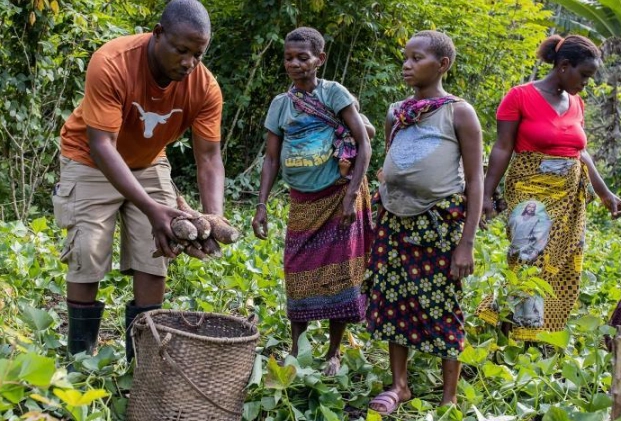
Sustainable Living at Home: Beyond Recycling
Your home is your hub. Making it more sustainable creates a healthier environment for you and your family.
Non-Toxic, Effective Cleaning
You don't need a cabinet full of specialized cleaners. A few basics can handle almost everything:
- White vinegar: Excellent for descaling, cutting grease, and disinfecting.
- Baking soda: A gentle abrasive for scrubbing and a natural deodorizer.
- Castile soap: A plant-based soap that can be diluted for all-purpose cleaning, hand soap, and even laundry.
Mix your own all-purpose cleaner (1 part vinegar, 1 part water, a few drops of essential oil if you like scent). It's cheap, effective, and you control the ingredients. Commercial cleaners are often full of volatile organic compounds (VOCs) that pollute indoor air.
Mindful Food Choices
You don't have to go vegan overnight (unless you want to!). The most significant impact comes from reducing food waste and cutting down on meat, especially red meat.
Plan your meals. It sounds boring, but it's the number one way to avoid buying food you won't eat. I use a whiteboard on my fridge. Embrace "ugly" produce. It tastes the same. Compost. If you have space, even a small bin for fruit and veggie scraps keeps waste out of landfills where it produces methane, a potent greenhouse gas. Many municipalities now offer curbside compost pickup—check yours!
When you shop, bring your own bags and containers for bulk items like grains, nuts, and spices. Farmers' markets are fantastic for local, seasonal produce with minimal packaging.
Building Your Green Community and Managing Eco-Anxiety
This part of sustainable living for women is often overlooked but is so important. Going it alone is hard. Feeling overwhelmed by the state of the planet—eco-anxiety—is very real. I get it. Sometimes the news is just too much.
Connect and Share
Talk to your friends about your journey. Swap clothes, share tips, host a repair café. Join a community garden. There's strength and motivation in numbers. Following the journey of sustainable living for women on social media can be inspiring, but be careful—comparison is the thief of joy. Your journey is your own.
Focus on Action, Not Perfection
When you feel the anxiety creeping in, channel it into a small, tangible action. Plant some herbs on your windowsill. Write to a local representative about supporting a green initiative. Pick up trash on a walk. Action is the antidote to despair. Remember, we need millions of people doing sustainability imperfectly, not a handful doing it perfectly.
Resources like the UN Sustainable Development Goals can provide a broader framework and show how individual actions fit into global efforts, which can be strangely comforting.
- Reducing air travel (when possible).
- Eating less meat and dairy.
- Living car-light (walking, biking, public transit).
- Reducing energy use in the home.
- Avoiding fast fashion and single-use plastics.
Ultimately, sustainable living for women is a deeply personal path of alignment. It's about making choices that feel good for you, your health, your wallet, and the world you want to live in. It's messy, it's iterative, and it's full of learning. Don't let the pursuit of a perfect green life rob you of the joy in the good, messy, imperfect one you're already living. Start where you are, use what you have, do what you can. That's more than enough.


Leave a comment