Let's be honest. The term "holistic health for women" can sound like another item on an impossible to-do list. Between work, family, and just keeping the lights on, who has time for crystal healing and kale smoothies? I get it. For over a decade working with women, I've seen the eye-rolls. But here's the non-consensus truth most articles miss: holistic health isn't about adding more; it's about tuning in to what's already there. It's the practice of listening to the whispers of your body before they become screams. And for women, whose bodies navigate complex hormonal tides, this tuning-in isn't optional—it's essential for sustainable energy and resilience.
What's Inside This Guide
What Holistic Health for Women Really Means (And What It Doesn't)
Forget the Instagram version. Holistic health views you as a complete ecosystem—your physical body, your mental and emotional state, your social connections, and even your sense of purpose are all interconnected. A headache isn't just a headache; it might be dehydration, eye strain, unresolved stress, or a combination. The World Health Organization actually defines health as "a state of complete physical, mental and social well-being," not merely the absence of disease. That's a holistic view.
The biggest mistake I see? Women treating their bodies like a machine with separate, unrelated parts. They'll do a brutal workout (physical) but then soothe the resulting stress with junk food (nutritional) and lose sleep scrolling (mental/emotional). It's a system at war with itself.
The Five Pillars of a Thriving Female System
You don't need to master all five at once. Think of them as dials you can adjust. Some weeks, you turn the "Nutrition" dial up. Others, "Rest" is your priority.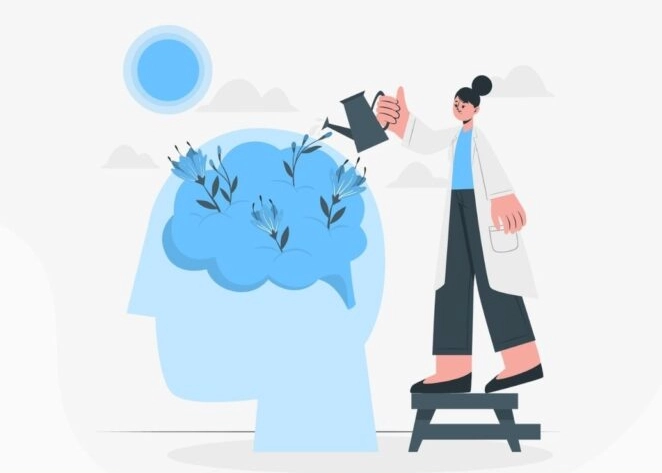
1. Nourishment: Food as Information, Not Just Calories
It's not about perfect clean eating. It's about recognizing that food sends signals to your hormones, gut, and brain. A common pitfall? Extreme restriction. It often backfires, spiking cortisol (your stress hormone) and disrupting menstrual cycles. Instead, focus on adding in.
- Prioritize Protein & Healthy Fats: They stabilize blood sugar, crucial for balanced energy and mood. Think eggs, salmon, avocados, nuts.
- Cycle Your Carbs: This was a game-changer for many clients. Try eating more complex carbs (sweet potatoes, oats) in the days leading up to your period when serotonin dips, and slightly fewer on other days.
- Hydrate Before You Caffeinate: Drink a large glass of water before your morning coffee. Dehydration mimics fatigue and anxiety.
2. Movement: Joy Over Punishment
Exercise shouldn't feel like penance for what you ate. Your body needs different things at different times. In the high-energy follicular phase (after your period), you might crave intense runs or strength training. In the luteal phase (before your period), gentle yoga, walking, or stretching might feel better. Listening to that craving is holistic. Forcing a HIIT class when you're exhausted is not.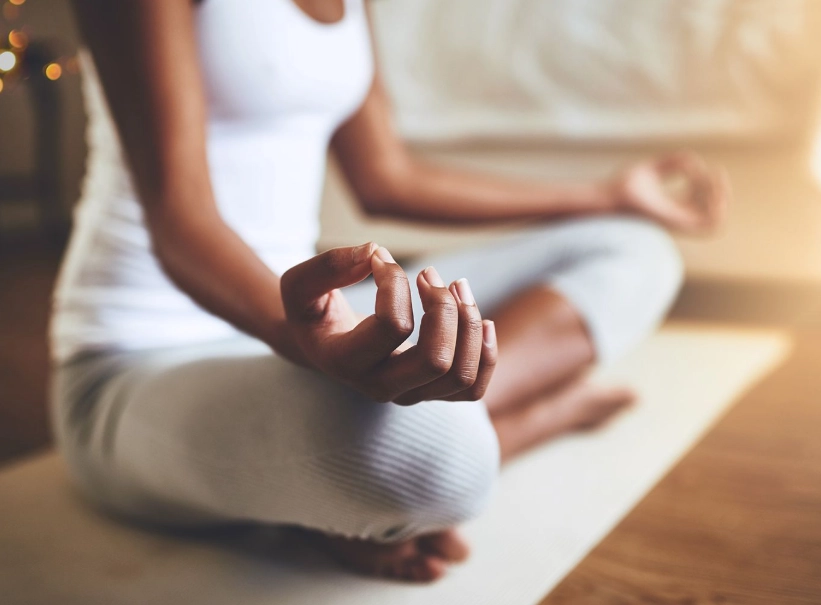
3. Rest & Recovery: The Most Underrated Pillar
Sleep is non-negotiable. But rest goes beyond sleep. It's downtime, boredom, and digital disconnection. A 2021 study in the journal Nature highlighted how chronic sleep disruption severely impacts metabolic and mental health. My rule? Protect your sleep window like a meeting with your CEO. And try a "power-down hour" before bed—no screens, just reading, tea, or quiet conversation.
4. Mind-Body Connection: It's Not Woo-Woo, It's Science
Your thoughts and emotions directly impact your physical health via the nervous system. Chronic stress (the "fight-or-flight" state) can disrupt digestion, immunity, and reproductive hormones. Practices that activate the "rest-and-digest" system are medicinal.
- Diaphragmatic Breathing: 5 minutes a day. Inhale for 4, hold for 4, exhale for 6. It's a direct line to calming your nervous system.
- Gratitude Journaling: Not just "I'm grateful for my family." Get specific. "I'm grateful for the 10 minutes of sunshine on my face at 3 PM." This trains your brain to scan for good.
5. Community & Purpose: Your Social Immune System
Loneliness is a health risk. Meaningful connection buffers stress. This could be a weekly call with a friend, a book club, or volunteering. Purpose doesn't mean changing the world; it's about feeling that your actions matter, whether that's raising kind kids, creating beautiful gardens, or excelling at your job.
Putting It All Together: A Realistic Approach for Busly Lives
Here’s the practical part. Let’s look at how these pillars can be integrated not perfectly, but effectively, across different life phases. Consider this a menu, not a mandate.
| Life Phase / Focus | Nutrition Priority | Movement Suggestion | Mind-Body Anchor |
|---|---|---|---|
| The Burned-Out Professional (High stress, sedentary) |
Batch-cook a protein-rich lunch twice a week to avoid takeout. Add a green vegetable to every dinner. | 20-minute "walking meetings" on the phone. 5-minute stretch breaks every 90 minutes at your desk. | Use your commute to listen to an audiobook (not work emails). Practice the 4-4-6 breath before starting the car or entering the office. |
| The New Mom (Sleep-deprived, touched-out) |
One-handed snacks: hard-boiled eggs, cheese sticks, nut butter packets. Hydrate with a large water bottle you carry everywhere. | Stroller walks in fresh air. Postpartum-focused YouTube yoga (10 mins max). Focus on pelvic floor and core reconnection, not "getting your body back." | Swap 15 mins of late-night scrolling for a shower or reading 2 pages of a novel. Ask for/accept help with specific tasks. |
| Navigating Perimenopause (Hormonal shifts, changing metabolism) |
Increase calcium & magnesium (leafy greens, yogurt). Prioritize protein to maintain muscle mass. Limit alcohol, it worsens hot flashes and sleep. | Strength training 2x/week is critical for bone density. Brisk walking or cycling for heart health. Listen to joint signals. | Track symptoms to find patterns (apps can help). Explore mindfulness to manage anxiety that can spike with hormonal changes. |
A Case Study: Sarah's Story
Sarah, 38, came to me with constant fatigue, stubborn weight, and awful PMS. She was eating a "healthy" low-fat diet and running 5k three times a week but felt worse. The standard advice wasn't working.
We didn't overhaul everything. We made three shifts over three months:
- Added 20g of protein to her breakfast (scrambled eggs instead of just toast).
- Swapped two of her runs for strength training sessions.
- Implemented a 10 p.m. phone curfew, charging it outside the bedroom.
The result? Her energy stabilized within weeks. The PMS bloat and mood swings lessened dramatically by month three. The weight started to shift slowly, but more importantly, she stopped fighting her body and started working with it. The holistic approach addressed the root causes (blood sugar swings, high cortisol from over-cardio, poor sleep), not just the symptoms.
Your Holistic Health Questions, Answered
The journey toward holistic health for women isn't a straight line to a perfect destination. It's a series of small, kind adjustments—turning the dials on your own unique system. Some days you'll nail it, others you'll feel off-track. That's normal. The goal isn't perfection; it's awareness and a kinder relationship with the one body and mind you have to navigate this life. Start with one breath. One glass of water. One moment of noticing how you truly feel. That's where it all begins.



Leave a comment