Quick Guide
Let's be honest. The phrase "work-life balance for women" gets thrown around so much it's almost lost its meaning. You see it in corporate brochures, hear it in wellness webinars, and it's plastered all over LinkedIn. But for most women I talk to—friends, colleagues, even myself on a bad Tuesday—it feels less like a balance and more like a constant, exhausting juggling act. You're spinning plates labeled "deadline," "school run," "grocery shopping," "elder care," and "remember to be a human being." And the fear of one crashing down is always there.
This isn't about achieving some mythical state of perfect equilibrium. That doesn't exist. I learned that the hard way after burning out trying to be the "perfect" employee and the "perfect" partner simultaneously. This is about creating a sustainable, integrated life where your career and your personal well-being don't constantly wage war against each other. It's about crafting a work-life balance that actually works for you, not the abstract ideal.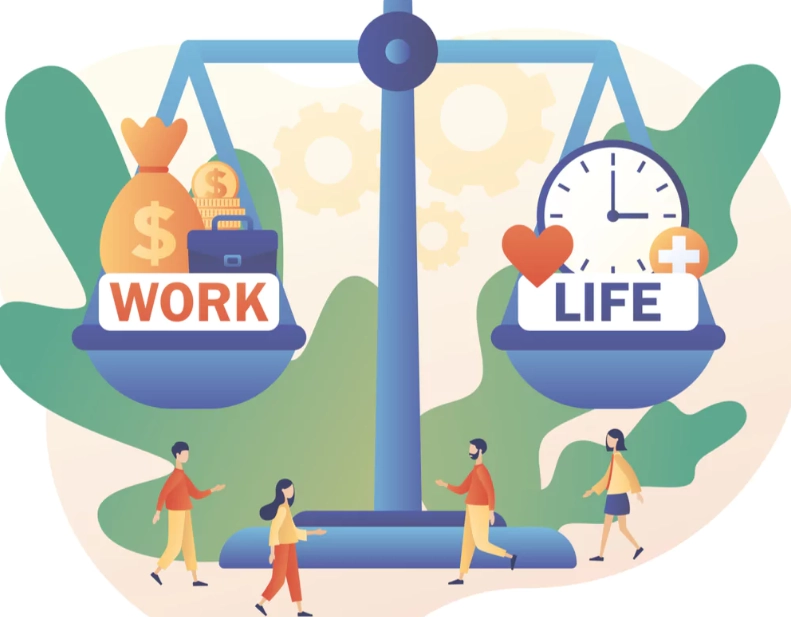
Think about it: when was the last time you finished a workday and truly, completely switched off? No mental to-do lists for home. No guilt about what you didn't accomplish. For many women, that feeling is rare. The goal here is to make it less rare.
Why is Work-Life Balance Uniquely Challenging for Women?
Okay, so everyone struggles with time. But to tackle work-life integration for women effectively, we have to name the specific weights on the scale. It's not just busyness; it's a set of deeply ingrained societal and personal expectations.
First, there's the sheer volume of invisible labor. A lot of the mental and emotional work of running a household—the planning, the remembering, the anticipating—still falls disproportionately on women. Researchers call this the "mental load" or "cognitive labor." It's knowing the pediatrician's phone number, remembering your mother-in-law's birthday, noticing the toilet paper is low, planning the weekly meals, and coordinating everyone's schedules. This work is constant and mentally draining, yet it's often unseen and unvalued as "real" work.
Then, we bump up against the societal scripts. The "ideal worker" norm in many professions is still based on a model where someone (traditionally a wife) is handling all the life stuff in the background. Being always available, working long hours, and prioritizing career above all. The "ideal mother" or "ideal caregiver" script, on the other hand, demands constant availability and emotional presence. These two ideals are fundamentally at odds, and women are often trying to live up to both, leading to what's known as role strain.
Let's not forget the biological and caregiving realities. Pregnancy, maternity leave, menopause—these are profound life phases that the traditional, linear career path simply wasn't designed for. And it's not just children. The "sandwich generation" phenomenon is real, with women often caring for aging parents while still raising kids and working full-time. The financial dimension is huge here too. The persistent gender pay gap means that, in many heterosexual partnerships, it can feel economically logical (but personally devastating) for the woman to scale back her career, further impacting long-term earnings, retirement savings, and career progression.
So when we talk about strategies for work-life balance, we're not just talking about better planners. We're talking about navigating a complex web of structural barriers and internalized pressures. Acknowledging this is the first, crucial step.
Practical Strategies That Actually Move the Needle
Enough with the problems. Let's get to the part you can actually control—the actions. This isn't a one-size-fits-all list. Pick and choose what resonates with your life.
Redefining "Balance" and Setting Radical Boundaries
Forget balance. Think integration, rhythm, or seasons. Some weeks work will demand more; other weeks, family will. The key is preventing one season from becoming a permanent state. This starts with boundaries. And I mean real boundaries, not just hoping people will read your mind.
Communicate your working hours clearly—in your email signature, on your Slack status, to your family. When the workday ends, close the laptop physically and put it away. I started leaving mine in my home office overnight. A simple act, but it created a powerful physical separation. Learn to say "no" or "not now" to non-essential requests, both at work and in your personal life. You are not the default coordinator for every event or the only person who can handle that extra project.
My own turning point was when I realized I was answering emails at 10 PM while watching TV with my partner. I wasn't present anywhere. I started a "shutdown ritual" at 6 PM: closing all tabs, writing tomorrow's top three tasks, and saying out loud, "Work is done." It felt silly at first, but it trained my brain to disconnect.
Mastering Time and Taming the To-Do List
Time management for women juggling multiple roles is less about squeezing more in and more about ruthless prioritization. The Eisenhower Matrix (urgent/important) is a classic for a reason. But here's my twist: add a column for "Who else can do this?" Delegate is not a dirty word.
Batch similar tasks. Do all your errands in one trip, schedule all your calls for Tuesday afternoon, set aside one hour on Sunday for meal prep. Context switching is a massive energy drain. Use technology as a servant, not a master. Calendar blocking is your friend. Block time for deep work, for exercise, for family, and—critically—for absolutely nothing. Guard those blocks fiercely.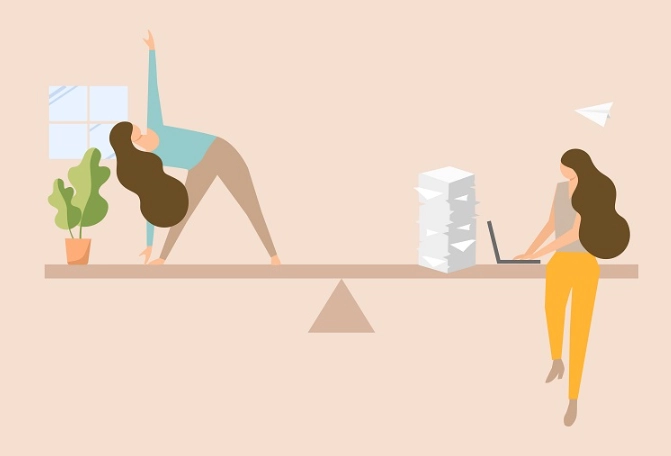
Here’s a quick comparison of common time management methods and how they might serve a woman seeking better work-life integration:
| Method | What It Is | Best For... | Potential Pitfall for Women |
|---|---|---|---|
| Time Blocking | Assigning specific tasks to fixed calendar blocks. | Visual people, controlling your day's structure, ensuring priority tasks get time. | Can be inflexible when family emergencies or unexpected demands arise. |
| Pomodoro Technique | Working in focused 25-min sprints with short breaks. | Overcoming procrastination, maintaining focus amidst distractions. | The short timer can feel stressful when you're in a deep flow state on a complex work or home project. |
| Eat That Frog | Tackling your biggest/most dreaded task first. | Building momentum, reducing anxiety from a looming task. | If your "frog" is a 3-hour work task, but the school calls at 9 AM, your whole system is derailed. |
| Getting Things Done (GTD) | Capturing all tasks in an external system to free your mind. | Managing the immense mental load, feeling "on top" of everything. | The maintenance of the system itself can become a time-consuming task. |
The trick is to hybridize. Maybe you time-block your week but use Pomodoros for your focused work blocks. Find your own combo.
Negotiating and Advocating for Yourself
This might be the hardest but most impactful area. A better work-life balance for women often requires systemic change, and that starts with individual advocacy. Are you working in a place that values outputs over face time? If possible, propose a flexible work arrangement. Come prepared with a plan: "I propose working from home on Tuesdays and Thursdays to focus on deep work without the commute. Here's how I'll remain accessible and how my performance will be measured." Frame it as a productivity win, not just a personal perk.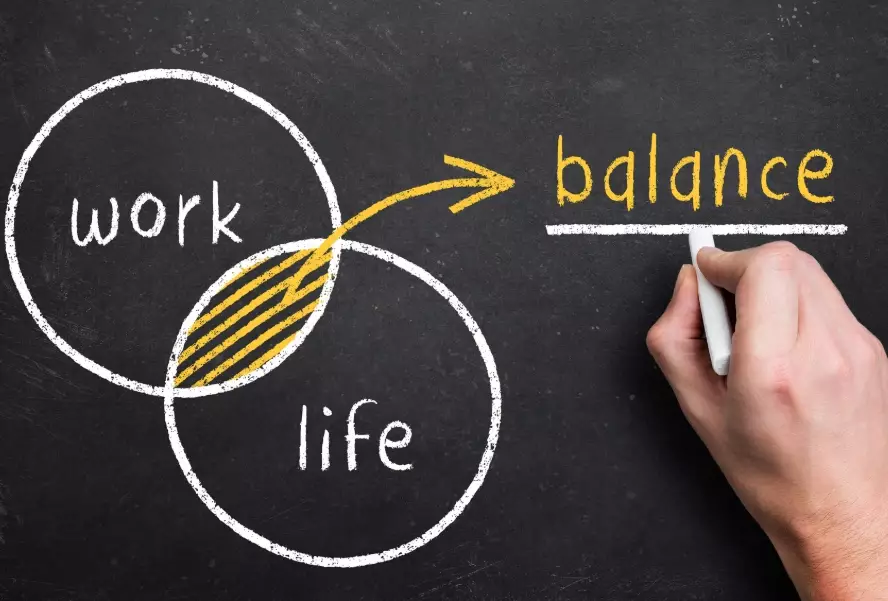
Use data. If you're consistently working beyond your paid hours, track it for a week. That data is powerful in a conversation about workload or compensation. Research supports the benefits of flexibility. For instance, the Harvard Business Review has published numerous studies on how remote and flexible work can boost productivity and retention. Don't be afraid to cite reputable sources.
At home, negotiation is just as critical. Have explicit conversations with your partner or family about splitting the mental and physical load of household management. The American Psychological Association has resources on the stress caused by unequal household labor. It's not about keeping score, but about creating a fair and sustainable partnership. Sometimes, outsourcing (a cleaner, a grocery delivery service) is the best investment you can make in your sanity, if it's financially feasible.
"Flexibility is not about working less; it's about working differently. It's about trusting employees to manage their time and deliver results, which is the cornerstone of a modern, high-performance culture." – This is the kind of language that resonates in forward-thinking organizations.
The Non-Negotiable: Self-Care and Avoiding Burnout
I can hear the eye-roll. "Self-care? I don't have time for a bath with rose petals!" I get it. But I'm not talking about manicures (unless that's your thing). I'm talking about the foundational practices that keep your engine running. This is the part women most often sacrifice, viewing it as selfish. It's not. It's maintenance.
Burnout doesn't look like just being tired. It's emotional exhaustion, cynicism, and a sense of ineffectiveness. For women, it can manifest as intense irritability, feeling numb, or a complete loss of joy in things you used to love. The World Health Organization classifies burnout as an occupational phenomenon, highlighting its seriousness.
So what does practical self-care look like?
- Micro-moments: Five minutes of deep breathing, a walk around the block, listening to one favorite song with your eyes closed. These reset your nervous system.
- Protecting Sleep: This is the bedrock of everything. Poor sleep wrecks your mood, focus, and health. It's a priority, not a luxury.
- Movement You Enjoy: Not punishment exercise. A dance class, a hike, yoga—something that releases stress and makes you feel good in your body.
- Connecting with Friends: Real, non-transactional friendship. Laughing with people who get you is a potent antidote to stress.
- Hobbies That Have No Purpose: Something you do purely for the joy of it, with no goal, no Instagram post, no monetization. It reminds you who you are outside of your roles.
Ignoring self-care is like refusing to put oil in your car because you're too busy driving. Eventually, the engine seizes. Scheduling time for yourself is as important as scheduling a meeting. Put it in the calendar.
Frequently Asked Questions (The Real Stuff We Google)
Let's tackle some of the specific, gritty questions that come up when you're deep in the search for a sane work-life balance.
Is remote work the ultimate solution for work-life balance for women?
It's a double-edged sword. The flexibility is amazing—no commute, easier to handle home deliveries or let the plumber in. But the boundaries blur terribly. Work can creep into every corner of your home and life. The key to making remote work successful is extreme discipline with those boundaries we talked about. Have a dedicated workspace if possible, and stick to a routine that includes a definitive start and end time. For some women, hybrid models offer the best of both worlds.
How do I deal with the guilt?
Ah, the Guilt. The unwelcome third companion for working moms and ambitious women everywhere. Guilt when you're at work and not with your kids. Guilt when you're with your kids and thinking about work. The first step is to recognize it as a signal, not a truth. It's often a sign you're bumping up against those impossible societal scripts. Talk about it. You'll find almost every other woman feels it too. Practice self-compassion. Ask yourself: "Would I judge my friend this harshly for making the same choice?" Usually, the answer is no. Redirect the energy from guilt into being present in whatever you're doing at that moment.
What if my workplace is just not supportive?
This is a tough one. You can try the advocacy route, perhaps finding allies among colleagues who feel the same. But sometimes, the culture is just toxic to well-being. In that case, your best strategy for work-life balance might be to plan an exit. Start quietly updating your resume, networking, and looking for organizations with values that align with yours. Look for signs in job ads and interviews: do they mention flexibility? Results-oriented work environment? Employee well-being? Your long-term mental health is worth a job change.
How do I handle the constant mental load?
Make it visible and then share it. Sit down with your partner and list every single thing it takes to run your household, from booking dentist appointments to knowing when to buy new socks. Not to accuse, but to illuminate. Then, divide tasks based on preference and skill, not gender stereotypes. Use shared digital tools (like a shared family calendar or a task app like Trello) to get the lists out of your head and into a communal space. The goal is to become the CEO and COO of your home life, not the sole department head of everything.
Wrapping It Up: Your Balance, Your Way
The quest for a healthy work-life balance for women is ongoing. It's not a destination you reach and then relax. It's a constant process of adjustment, negotiation, and self-kindness. Some days you'll nail it; other days, it'll feel like a complete disaster. That's normal.
Stop comparing your behind-the-scenes to everyone else's highlight reel. The mom who seems to have it all together might be crumbling inside. The child-free woman excelling at her career might be grappling with loneliness or family pressures you can't see.
Start small. Pick one tiny strategy from this article and try it for a week. Maybe it's implementing a shutdown ritual. Maybe it's having one difficult conversation about household tasks. Maybe it's blocking 20 minutes in your calendar three times this week to just sit and drink a cup of tea without looking at a screen.
Remember, building a sustainable work-life integration is the most profound project you'll ever manage. It's the foundation for a career that thrives and a life that feels rich and fulfilling, not just relentlessly busy. You deserve both. Now, go close one tab you don't need. I'll wait.






Leave a comment