Quick Guide
Let's be real. Opening a browser to look up women's hair care tips can feel like falling down a rabbit hole. One site tells you to oil your hair every day, another says that's the worst thing you can do. A "miracle" product your friend swears by does absolutely nothing for you. It's frustrating, expensive, and honestly, a bit exhausting.
I've been there. I've spent a small fortune on products that promised volume, shine, and repair, only to be left with hair that felt either like straw or a greasy mess. My bathroom cabinet looked like a pharmacy shelf. It wasn't until I slowed down and started understanding the why behind the what that things finally clicked.
This guide isn't about pushing a 10-step Korean routine or selling you a magic serum. It's about building a simple, effective foundation for women's hair care that you can adapt. We'll talk about what your hair actually needs based on its type, how to read a product label so you know what you're buying, and how to tackle common problems without losing your mind (or all your money).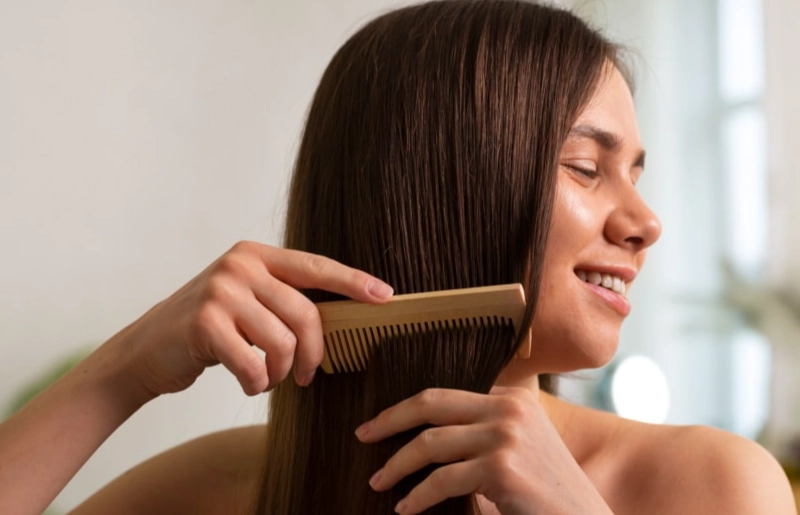
First Things First: What's Your Hair Actually Like?
You can't fix what you don't understand. The biggest mistake in women's hair care is using products designed for a hair type that isn't yours. Is your hair fine or thick? Straight, wavy, curly, or coily? Is it dry, oily, or a confusing combination? Porosity matters too – that's your hair's ability to absorb moisture.
Here's a quick way to think about it. Fine hair gets weighed down easily. Thick hair can be a beast to moisturize. Curly hair craves hydration and hates sulfates that strip its natural oils. Straight hair might get oily at the roots faster. It sounds basic, but matching your products to these basic traits solves half your problems.
And here's a thought – your scalp is skin. Healthy hair starts there. If your scalp is itchy, flaky, or overly oily, no amount of fancy conditioner is going to give you that dream hair. Sometimes, focusing on scalp health with a gentle, clarifying shampoo is the best women's hair care move you can make.
The Core Four: A Simple Women's Hair Care Routine
Forget the 12-step routines. A sustainable routine has four pillars: Cleansing, Conditioning, Treating, and Protecting. How you execute each one depends on your hair type.
Cleansing (It's Not Just Shampooing)
Shampoo's job is to clean your scalp and hair of oil, sweat, and product buildup. That's it. You don't need it to moisturize, strengthen, or add volume – that's what other products are for.
How often? This is personal. If you have an oily scalp, you might need to wash every other day. If you have dry, curly hair, you might stretch it to once a week. Listen to your hair. Washing too often can strip natural oils; washing too little can lead to clogged follicles. The American Academy of Dermatology has some great, straightforward guidelines on how often to wash your hair based on different factors.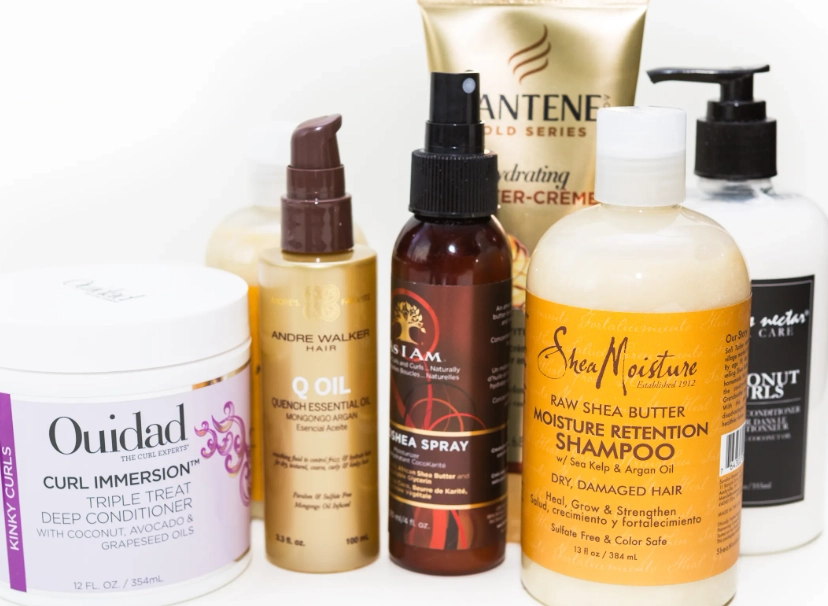
Conditioning (The Hydration Station)
This is where you replenish moisture. Conditioner should focus on the mid-lengths to ends. If you have fine hair, you might skip the roots entirely to avoid flattening. For thick, dry, or curly hair, don't be shy – you might even need a leave-in conditioner after.
Ever heard of the "squish to condish" method popular in the curly girl community? It's a game-changer for adding hydration. You apply conditioner to soaking wet hair, then literally squish it upwards towards your scalp to encourage the hair shaft to absorb the moisture. It makes a huge difference in curl definition and softness.
Treating (The Targeted Help)
This is your weekly mask, your hair oil, your scalp serum. Treatment is for addressing specific concerns: damage from heat or color, extreme dryness, lack of shine, or scalp issues.
A deep conditioning mask once a week can do more for dry hair than your daily conditioner. A few drops of lightweight oil (like argan or jojoba) on the ends of damp hair can seal in moisture and prevent split ends. This step is where you get to pamper your hair a bit.
Protecting (The Daily Defense)
This is the most overlooked step. Protecting your hair means minimizing damage before it happens. Always, and I mean always, use a heat protectant spray before blow-drying, straightening, or curling. It creates a barrier between your hair and the high heat.
Protection also means gentle handling. Use a wide-tooth comb on wet hair, not a brush. Sleep on a silk or satin pillowcase to reduce friction and breakage. These small habits add up to huge long-term benefits for your women's hair care goals.
Navigating the Product Jungle: Ingredients That Matter
Turning a bottle around to read the ingredients list is the single most powerful skill you can develop. You don't need a chemistry degree, just a few key things to look for (and avoid).
For moisture, look for humectants like glycerin, hyaluronic acid, or panthenol. They attract water. Then you need emollients like plant oils (argan, coconut, avocado) or silicones (like dimethicone) to smooth the hair shaft and seal that moisture in.
For strength and repair, proteins are your friends. Keratin, hydrolyzed wheat protein, or silk amino acids can temporarily fill in gaps in damaged hair, making it feel stronger and smoother. But a word of caution – too much protein on hair that isn't damaged can make it stiff and brittle. Balance is key.
For cleansing, sulfates (like Sodium Lauryl Sulfate or SLS) are strong detergents that create a rich lather. They're great for a deep clean but can be too stripping for dry, curly, or color-treated hair. Many people opt for sulfate-free formulas, which use milder cleansers. They might not lather as much, but they clean effectively without over-drying.
The U.S. Food and Drug Administration (FDA) regulates cosmetics, including hair products, for safety. While they don't "approve" ingredients, they can take action against unsafe products. It's useful to know that major brands must comply with these FDA regulations for hair products.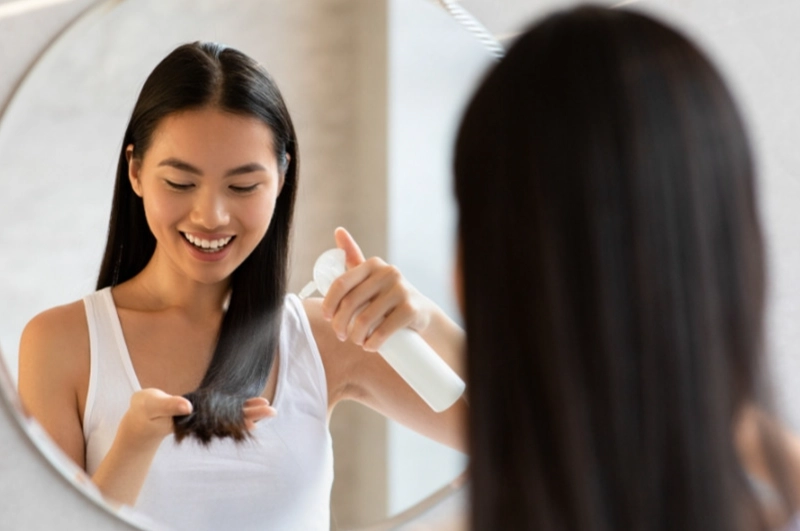
Here’s a quick cheat sheet for common hair concerns and what to look for:
| Hair Concern | Look For These Ingredients | Common Ingredients to Be Cautious With |
|---|---|---|
| Dry, Frizzy Hair | Shea butter, argan oil, coconut oil, glycerin, silicones (dimethicone, cyclomethicone) | High-alcohol content (like SD alcohol 40), strong sulfates |
| Fine, Flat Hair | Panthenol, hydrolyzed rice protein, volumizing polymers (like VP/VA copolymer) | Heavy butters, thick oils, heavy silicones |
| Color-Treated Hair | UV filters (like ethylhexyl methoxycrylene), quinoa protein, gentle surfactants | Strong sulfates (SLS), clarifying shampoos (used too often) |
| Curly/Coily Hair | Aloe vera, flaxseed, agave nectar, behentrimonium methosulfate (gentle conditioner agent) | Sulfates, drying alcohols, heavy waxes |
| Damaged/Brittle Hair | Hydrolyzed keratin, silk amino acids, ceramides, aminopropyl dimethicone | Very high heat without protectant, overlapping chemical treatments |
Tackling the Big Problems: Frizz, Damage, and Hair Loss
Okay, let's get into the real stuff – the issues that keep us up at night.
The Frizz Fight
Frizz is essentially hair seeking moisture from the air. The cuticle (the outer layer of your hair) is raised and uneven, so it catches light and looks fuzzy. To smooth it, you need to hydrate the hair and then seal the cuticle.
How? After washing, use a leave-in conditioner. While your hair is still very wet, apply a few drops of a smoothing serum or oil. Then, don't rub it with a towel. Instead, gently scrunch out water with a microfiber towel or an old cotton t-shirt. The rough surface of a regular towel lifts the cuticle right back up. For many, letting hair air-dry after this process yields less frizz than aggressive blow-drying.
Repairing Damage
True damage – broken bonds, split ends – cannot be repaired by a product. Once the hair shaft is split, it's split. Products can temporarily glue it together or smooth it down, but the only permanent fix is a trim.
That said, you can make damaged hair look and feel much better while you grow it out. Protein treatments can add temporary strength. Deep conditioning masks replenish lost moisture. And sealing the ends with a light oil prevents the splits from traveling up the hair shaft. The best women's hair care strategy for damage is a mix of regular trims and consistent conditioning.
The Hair Loss Conversation
This is a sensitive one. Seeing more hair in your brush or shower drain is scary. First, know that shedding 50-100 hairs a day is normal. Seasonal shedding is also common. But if you notice thinning patches, a widening part, or a drastic increase in shedding, it's time to pay attention.
Common causes for women include stress (a big one – called telogen effluvium), hormonal changes (post-pregnancy, perimenopause), nutritional deficiencies (iron, vitamin D, protein), and genetic conditions like female pattern hair loss.
My personal experience? A few years ago, after a period of intense stress, I had handfuls of hair coming out. It was terrifying. I focused on managing stress, improved my diet (more protein!), and used a gentle, scalp-stimulating shampoo. It took about 6 months, but the shedding slowed and new baby hairs started growing. Patience is crucial.
If you're concerned, the best first step is to see a dermatologist or a doctor. They can check for underlying issues. The National Institute of Arthritis and Musculoskeletal and Skin Diseases notes that many types of hair loss can be treated effectively, especially when caught early. Don't just buy expensive scalp serums online without knowing the root cause.
Your Hair Care Questions, Answered
Building Your Personalized Plan
So where do you start? Don't overhaul everything at once. That's overwhelming and expensive.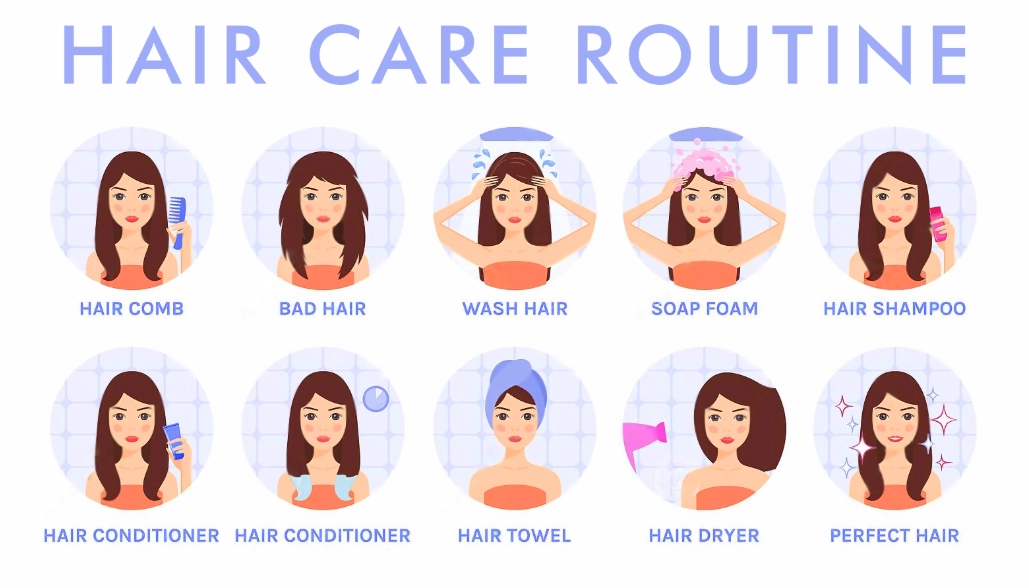
- Diagnose. Figure out your hair type and primary concern (is it frizz? oiliness? lack of volume?).
- Simplify. Start with a good shampoo and conditioner match. Get that right first.
- Add one treatment. Pick one issue. Buy one weekly mask or one leave-in product. Use it consistently for a month.
- Master protection. Buy a heat protectant and a silk pillowcase. Implement these now.
- Observe and adjust. Does your hair feel better? Worse? The same? Adjust one product at a time.
Women's hair care isn't about finding a one-size-fits-all miracle. It's a process of learning what your unique hair needs and responding with simple, consistent care. It's about health, not just appearance. When your hair is healthy, it looks good as a natural side effect.
Throw out the idea of a perfect hair day every day. Some days will be frizzy, some days it'll be flat. That's normal. The goal is to have hair that feels strong, has a natural shine, and is manageable most of the time. That's a win.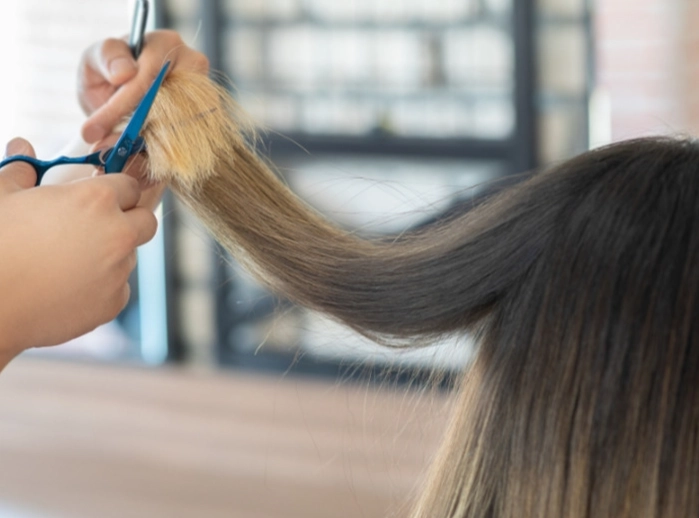
Start small. Be patient. Your hair didn't get to its current state overnight, and it won't transform overnight either. But with a bit of knowledge and the right simple habits, you can build a women's hair care routine that actually makes sense for you.




Leave a comment