Let's be honest. The term "clean beauty" is everywhere, slapped on product labels and Instagram ads until it feels meaningless. Is it just marketing? Another way to charge more for a lotion? I thought so too, until my own skin staged a rebellion. After years of using a popular "clinical-grade" serum, my complexion wasn't glowing—it was just red and reactive. That's when I dug deeper, talked to cosmetic chemists, and realized clean beauty for women isn't about perfection. It's about intention.
It's choosing to know what you're putting on your body's largest organ. For me, it meant fewer migraines triggered by synthetic fragrance. For a friend, it meant her persistent eczema finally calming down. This isn't fear-mongering; it's about informed choice and finding what truly works for your biology.
What's Inside
What Clean Beauty Really Means (And What It Doesn't)
There's no legal definition. That's the first thing to get straight. The FDA doesn't regulate the term "clean" in cosmetics the way it does "organic" for food. So brands define it themselves, which is why confusion reigns.
At its core, clean beauty refers to products made with priority given to human and environmental health. It emphasizes:
- Transparent Ingredient Lists: You can actually pronounce and recognize the components.
- Avoidance of Controversial Ingredients: This includes parabens, phthalates, sulfates (SLS/SLES), formaldehydes, synthetic fragrances, and certain chemical sunscreens like oxybenzone. Resources like the Environmental Working Group's (EWG) Skin Deep database often inform these exclusions.
- Ethical Sourcing & Sustainability: Where ingredients come from and how the product is packaged matter.
Common Mistake Alert: Don't equate "clean" with "100% natural." Poison ivy is natural. Many clean beauty products skillfully blend safe synthetics with botanicals. The key is that the synthetic ingredients are chosen for safety and stability, not because they're the cheapest preservative option. The goal is efficacy + safety, not a purity contest.
It's also not synonymous with "vegan" or "cruelty-free," though many clean brands also uphold those values. Think of clean as the ingredient safety philosophy, and vegan/cruelty-free as the ethical pillars. A product can be one, both, or neither.
Why Consider Switching Now? Beyond the Hype
If your current routine works, why rock the boat? It's a fair question. For many, the catalyst is a change—pregnancy, a new allergy, sensitive skin that's getting worse, or simply a desire for more body autonomy.
The science is evolving. While direct causation for a single product is hard to prove, the cumulative effect of daily exposure to dozens of chemicals is a growing area of research. A report published in the American Journal of Obstetrics and Gynecology highlighted concerns about prenatal exposure to certain phthalates and parabens. For women, understanding these potential endocrine disruptors feels particularly relevant.
But let's talk immediate, tangible benefits I've seen:
- Skin Barrier Health: Harsh sulfates and alcohols can strip your skin's natural moisture barrier. Cleaner cleansers and moisturizers often focus on supporting this barrier, leading to less dryness, redness, and reactivity over time.
- Fewer Mystery Reactions: Synthetic fragrance is a top allergen. Removing it eliminates a major culprit behind unexplained itching, redness, and headaches for many people.
- Simplified Decision-Making: Once you learn the key ingredients to avoid for your concerns, shopping becomes faster. You're not decoding a novel of chemical names for every serum.
It's a shift from reactive skincare (treating breakouts, redness) to preventative skincare (building a resilient, healthy canvas).
Building Your First Clean Beauty Routine: A Step-by-Step Plan
Overwhelm stops most people. You don't need to trash your entire bathroom. That's wasteful and expensive. Think of it as a thoughtful edit, not a revolution.
The Smart Swap Strategy
Start with products that stay on your skin the longest, as they have the most significant exposure. Swap them out one at a time, giving your skin a few weeks to adjust.
Priority #1: Your Daily Moisturizer or Serum. This is your best first swap. It's absorbed deeply and works on your skin all day or night. Notice how your skin feels—is it more balanced? Less irritated?
Priority #2: Sunscreen. Given you apply it daily (you do, right?), switching to a mineral-based formula (with zinc oxide or titanium dioxide) is a major win for both personal and environmental health.
Priority #3: Foundation or Tinted Moisturizer. Like moisturizer, it has prolonged contact with your face.
Cleansers and shampoos, which are rinsed off, can be changed later. This phased approach makes the transition manageable and lets you pinpoint what's actually making a difference.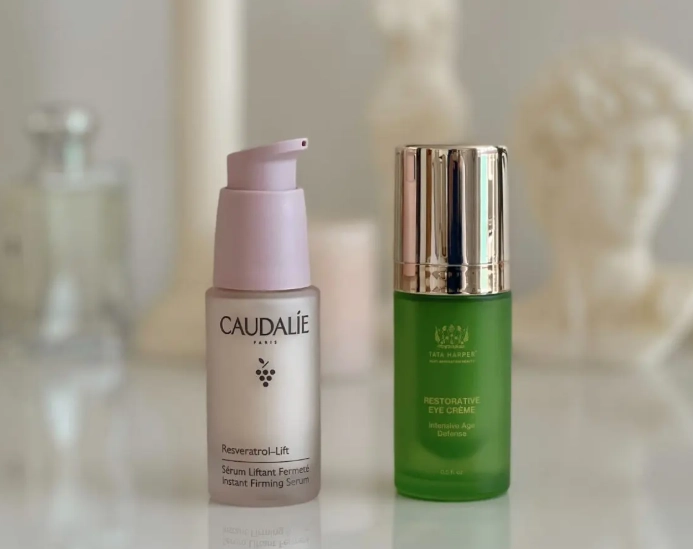
Clean Beauty Starter Kit: By Budget
Here’s a practical look at building a core routine. Prices are approximate and for standard sizes.
| Product Type | Budget-Friendly Pick (Under $30) | Mid-Range Workhorse ($30-$70) | Investment Splurge ($70+) | What to Look For |
|---|---|---|---|---|
| Cleanser | Cocokind Oil to Milk Cleanser (~$20) | Krave Beauty Matcha Hemp Hydrating Cleanser (~$28) | Biossance Squalane + Amino Aloe Gentle Cleanser (~$42) | No SLS/SLES. Creamy or oil-based formulas are great for dryness. |
| Moisturizer | The Ordinary Natural Moisturizing Factors + HA (~$13) | First Aid Beauty Ultra Repair Cream (~$38) | Tata Harper Water-Lock Moisturizer (~$78) | Ceramides, hyaluronic acid, squalane. Fragrance-free. |
| Serum | Good Molecules Niacinamide Serum (~$12) | Farmacy 10% Niacinamide Night Mask (~$48) | Agent Nateur Holi(oil) Ageless Face Serum (~$145) | Niacinamide for pores/redness, Vitamin C for brightness. |
| Sunscreen | Pipette Mineral Sunscreen SPF 50 (~$15) | Kinship Self Reflect Probiotic Sunscreen (~$30) | EleVen by Venus Williams Unrivaled Sun Serum (~$68) | Zinc Oxide-based. No oxybenzone or octinoxate. |
See? You can start at the drugstore price point. The brand Pipette, for example, is EWG Verified and incredibly affordable. It proves clean beauty isn't a luxury tax.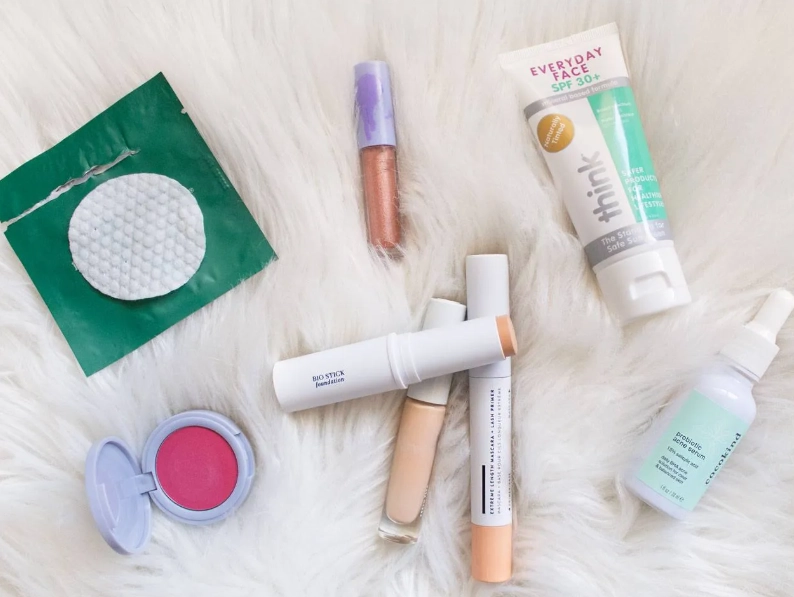
Navigating Labels & Spotting Greenwashing
"Greenwashing" is when a brand spends more effort marketing itself as eco-friendly or clean than actually minimizing its environmental impact or formulating safely. It's rampant.
Red Flags:
- Vague Claims: "Natural," "Chemical-Free" (everything is chemicals), "Dermatologist-Tested" (by whom? with what results?).
- Highlighting One "Good" Ingredient: A front label screaming "WITH ALOE VERA!" while the ingredient list shows it's the last item (meaning it's a tiny fraction) and the first ingredients are still sulfates and silicones.
- Excessive, Non-Recyclable Packaging: A product touting "earth-loving" formulas buried in layers of plastic and cardboard.
Green Flags:
- Full Transparency: Brands that list all ingredients online, explain why they avoid certain ones, and detail their sourcing.
- Third-Party Certifications: Look for seals from EWG Verified, COSMOS, or Leaping Bunny. These require audits and verification.
- Specificity: "Fragrance-Free" (not "unscented," which can still have masking fragrances) or "100% Post-Consumer Recycled Packaging."
Turn the bottle over. The ingredient list (in descending order of concentration) is your truth teller. Apps like Think Dirty or EWG's Healthy Living can help scan, but learning a few key ingredient names is empowering.
Your Top Clean Beauty Questions, Answered
Can clean beauty products really help with hormonal acne?
They can be a game-changer. Many conventional acne treatments strip the skin and disrupt its barrier, sometimes making inflammation worse. Clean beauty focuses on gentle, non-comedogenic ingredients. Look for products with niacinamide to regulate oil and reduce redness, salicylic acid derived from willow bark to unclog pores gently, and soothing agents like zinc or centella asiatica. The goal is to calm the underlying inflammation linked to hormonal breakouts without harsh sulfates or synthetic fragrances that can further irritate sensitive, acne-prone skin.
Is clean beauty more expensive, and is it worth the cost?
There's a perception it's pricier, but it's about value, not just cost. Yes, sourcing high-quality, ethically produced ingredients often costs more. However, clean formulas tend to be more concentrated and effective, so you might use less product per application. Many find their skin needs fewer 'corrective' products when using a consistent clean routine, potentially saving money long-term. Start with one swap, like your moisturizer or serum, to judge the value for yourself before overhauling everything.
How can I tell if a 'clean' beauty brand is actually trustworthy?
Look beyond the 'free-from' list. True transparency means full ingredient disclosure (not just 'key ingredients'), clear sourcing information, and third-party certifications from bodies like EWG Verified or COSMOS. Check if the brand's claims match their actions—do they talk about sustainability but use excessive plastic packaging? Read independent reviews from users with similar skin concerns. A trustworthy brand educates, doesn't just market, explaining why they avoid certain ingredients and the benefits of those they include.
What's the first product I should switch to when transitioning to clean beauty?
Start with what stays on your skin the longest: your daily moisturizer or serum. These products have the most sustained contact with your skin and are absorbed deeply. Switching your leave-on treatment product allows you to directly feel the difference in ingredient quality and how your skin responds. It's a more impactful first step than swapping a rinse-off product like a cleanser, giving you a clearer signal of whether clean beauty is right for your skin.
The clean beauty journey is personal. It’s not about achieving some impossible standard of purity. It’s about making more conscious choices that align with your health and values. Start small, be a skeptic, and let your skin’s response be your ultimate guide. You might just find that less clutter in your ingredients leads to more clarity in your complexion.


Leave a comment