Quick Navigation
- Why Is This Happening to Me? The Causes Behind the Thinning
- From "Is it thinning?" to "It's definitely thinning": Recognizing the Stages
- Getting a Real Diagnosis: What to Expect at the Doctor's Office
- The Treatment Landscape: What Works, What's Hype, and What's New
- The Part No One Talks About Enough: The Emotional Toll
- Daily Life with Thinning Hair: Practical Tips and Pitfalls
- Looking Forward: A Realistic Mindset
You notice it one morning. The part in your hair looks a little wider than it used to. Your ponytail feels thinner, less substantial. Maybe you see more scalp than you're comfortable with under the bright bathroom lights. That first pang of worry is real, and it's often followed by a frantic Google search that leads you here. Let's cut through the noise and the scary ads. What you're likely experiencing has a name: female pattern baldness, or androgenetic alopecia if we're getting technical. It's far more common than you think, and no, you're not imagining it.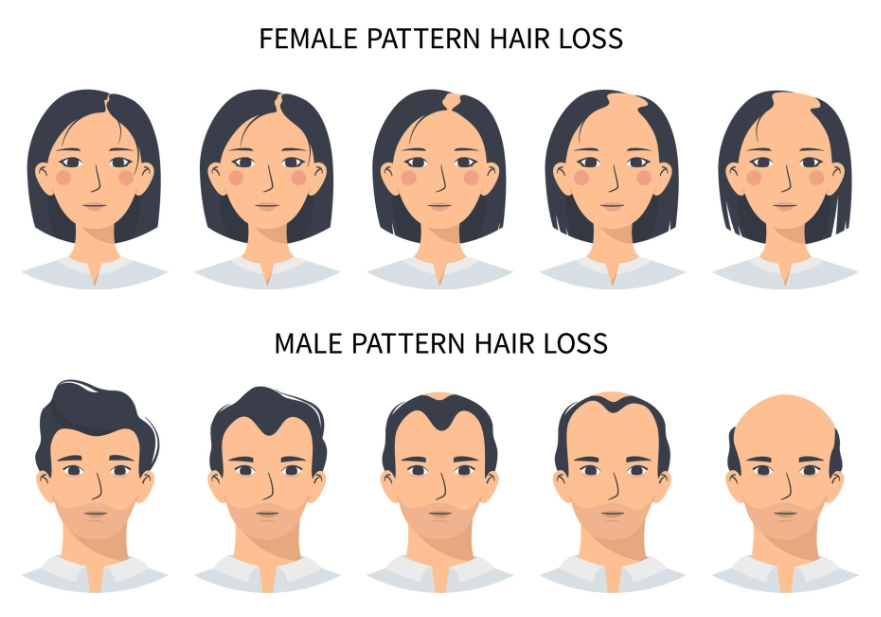
I remember talking to my friend Sarah about this. She's a vibrant woman in her late 30s who suddenly found herself buying volumizing shampoos in bulk and avoiding overhead lighting in restaurants. "I felt like I was losing a part of my identity," she told me. That emotional hit is something the medical descriptions often gloss over. It's not just hair; it's confidence, it's how you present yourself to the world.
Why Is This Happening to Me? The Causes Behind the Thinning
So, what kicks off this process? For decades, it was considered a "male" problem, but research has thankfully caught up. The primary driver is genetics and hormones. You inherit genes that make your hair follicles sensitive to a hormone called dihydrotestosterone (DHT). Over time, this sensitivity causes the follicles to miniaturize. Think of it like a garden where the soil slowly changes; the plants (hair strands) that grow back become finer, shorter, and lighter until, eventually, they may stop growing altogether.
But it's not just about destiny written in your genes. Several factors can turn the volume knob up on this genetic predisposition:
- Hormonal Shifts: This is a huge one. Menopause, postpartum changes, and conditions like polycystic ovary syndrome (PCOS) can significantly accelerate or unmask female pattern hair loss. The drop in estrogen during menopause, for instance, can let the effects of androgens (like DHT) become more pronounced.
- Aging: It's a natural part of the process. The prevalence increases dramatically with age.
- Underlying Medical Conditions: Thyroid disorders (both hyper and hypo) and iron deficiency anemia are famous for exacerbating hair thinning. It's why a doctor's visit is step one.
- Stress: Chronic stress can push more hair follicles into the shedding (telogen) phase, which can make underlying genetic thinning much more noticeable. It doesn't cause the pattern itself, but it can pour gasoline on the fire.
See? It's rarely just one thing. It's a cocktail.
From "Is it thinning?" to "It's definitely thinning": Recognizing the Stages
Female pattern baldness is sneaky. It doesn't usually announce itself with clumps of hair on the pillow. It's a slow, diffuse process. How do you know if what you're seeing is normal shedding (we lose 50-100 hairs a day) or the early signs of androgenetic alopecia in women?
Look for these signs:
- A widening of your center part. This is often the first and most telltale sign.
- Overall reduction in volume. Your hair just doesn't feel as thick, and your ponytail circumference is smaller.
- Increased scalp visibility, especially on the top of the head under bright light.
- The hair around your temples may feel thinner, but the frontal hairline typically remains intact, which is a key difference from male pattern loss.
Doctors often use the Ludwig Classification to describe the progression. It's simpler than the male scale:
- Ludwig I: Mild thinning on the crown that can be camouflaged with styling.
- Ludwig II: Moderate thinning with noticeable widening of the center part and decreased volume.
- Ludwig III: Extensive thinning over most of the top of the scalp, with a see-through appearance.
Getting a Real Diagnosis: What to Expect at the Doctor's Office
Before you spend a fortune on magical serums online, please see a professional. A dermatologist, specifically one who focuses on hair disorders, is your best bet. Self-diagnosis is a rabbit hole of anxiety.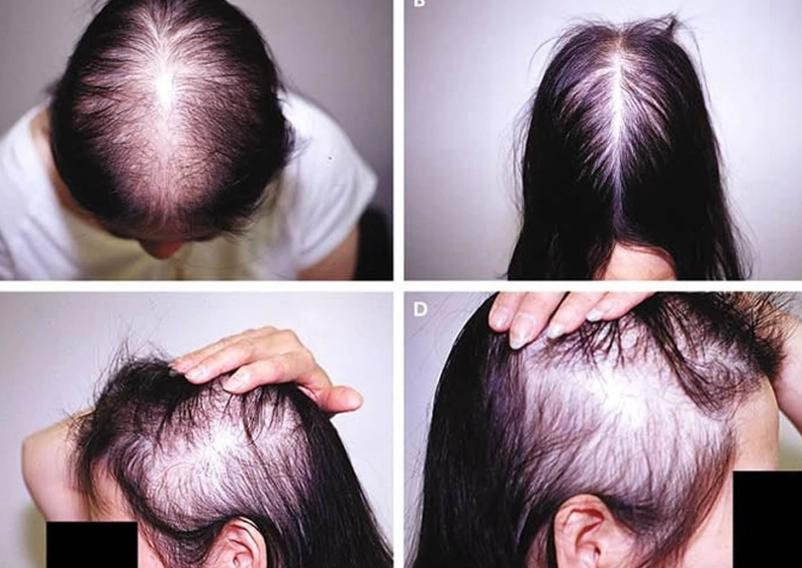
What will they do? It's not usually scary.
- Medical History: They'll ask about your family history (your mom, your maternal grandmother), your menstrual cycle, stress levels, diet, and any medications.
- Physical Exam: They'll look at your scalp, often with a tool called a dermoscope that magnifies the scalp to see hair shaft thickness and density.
- The Pull Test: Gently tugging on small sections of hair to see how many come out. A few is normal; a bunch might indicate active shedding from another cause.
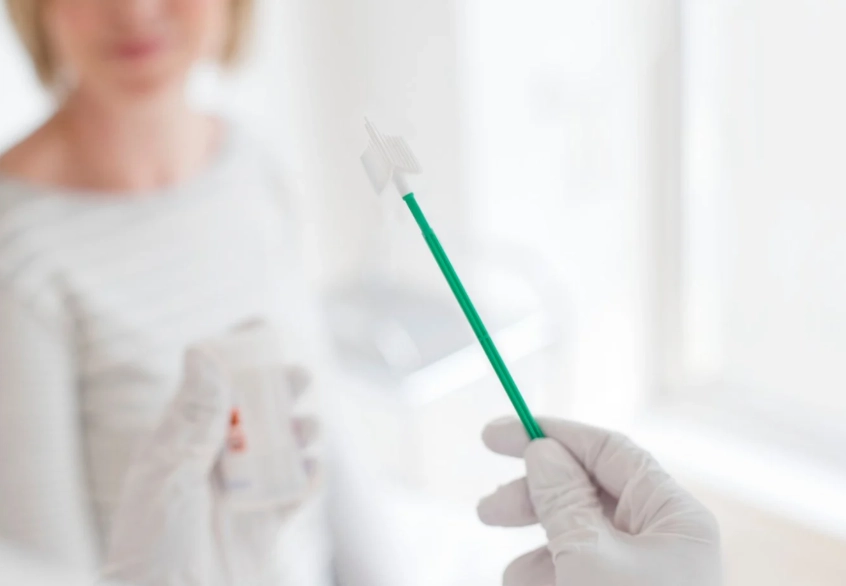
- Blood Tests: This is critical to rule out other culprits. They'll likely check your iron/ferritin levels, thyroid hormones (TSH), and sometimes vitamin D, zinc, and hormone panels.
- Scalp Biopsy (Rarely): In uncertain cases, a tiny punch biopsy of the scalp can confirm the diagnosis by showing the miniaturized follicles under a microscope.
This process helps answer the vital question: "Is this pure female pattern baldness, or is something else like telogen effluvium (temporary shedding) making it worse?" The treatment path depends entirely on this answer.
The Treatment Landscape: What Works, What's Hype, and What's New
Okay, here's the part everyone scrolls for. The treatment. Let's be brutally honest: there is no "cure" that makes your genetic code forget to be sensitive to DHT. The goal of treatment is to slow down the progression, stimulate existing follicles to produce thicker hair, and in some cases, replace lost hair. Management is the name of the game.
Let's Debunk a Myth First
No, that $50 biotin shampoo will not reverse genetic hair loss. Topical products that claim to "block DHT" are often wildly overstated. The real, evidence-based treatments are medically approved and require consistency. The snake oil market for hair loss is enormous—don't fall for it.
Here’s a breakdown of the main options, from first-line to more advanced.
| Treatment | How It Works | What to Realistically Expect | Key Considerations |
|---|---|---|---|
| Topical Minoxidil (Rogaine) | Vasodilator; moves hair follicles into the growth phase. The only FDA-approved OTC drug for female pattern baldness. | Can take 6+ months to see results. May cause initial shedding. Maintains thickness but won't fully regrow a bald scalp. | Must use indefinitely. Stopping means losing gained hair. The 5% foam is often recommended for women. |
| Oral Medications (Spironolactone, Finasteride) | Anti-androgens. Block the effects or production of DHT. | Requires a prescription. Not for pregnancy. Spironolactone is more common for premenopausal women. | |
| Low-Level Laser Therapy (LLLT) | Uses laser light to stimulate cellular activity in follicles. | Expensive. Requires consistent use (caps, combs, in-office). Best as an add-on, not a standalone. | |
| Platelet-Rich Plasma (PRP) | Injections of your own concentrated platelets to stimulate healing/growth. | Costly, invasive (injections). Results are not guaranteed and vary widely. | |
| Hair Transplant Surgery | Moving hair follicles from dense donor areas (back/sides) to thinning areas. | Very expensive. Requires sufficient donor hair. Doesn't stop progression of loss in non-transplanted areas. |
My personal take? Minoxidil is the logical, accessible first step for most women. It's well-studied and accessible. The dread shed it can cause in the first few weeks is terrifying but often a sign it's working. The oral route, like spironolactone, can be a game-changer but needs a doctor's close supervision. I'm skeptical of the at-home laser helmets—the data is still a bit wishy-washy for the price tag.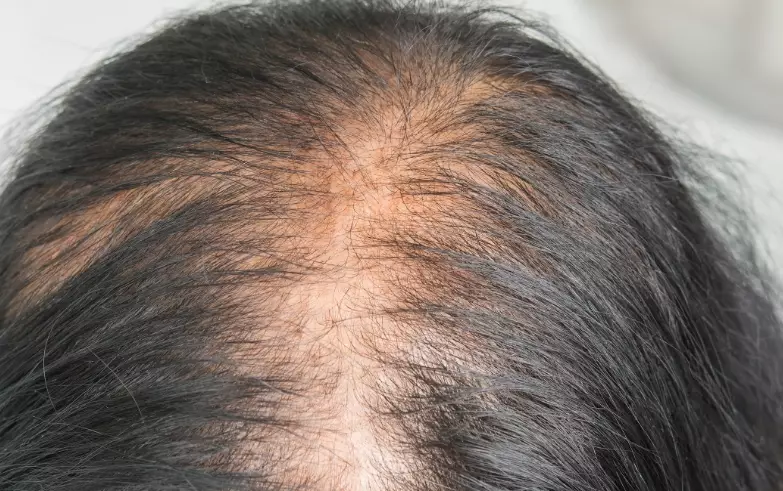
A Crucial Piece of Advice
Whatever path you choose, give it time. Hair cycles are slow. Expect to commit to any treatment for a minimum of 6-12 months before judging its effectiveness. Impatience is the enemy here. The American Academy of Dermatology (AAD) stresses this point repeatedly in their patient resources.
The Part No One Talks About Enough: The Emotional Toll
We can't talk about female pattern baldness without addressing the elephant in the room: how it makes you feel. In a society that links a woman's hair so closely to her femininity, youth, and health, losing it can feel like a profound loss. It's grief.
It can chip away at your confidence. You might start avoiding social situations, feel anxious about wind or rain, or spend an excessive amount of time and money trying to hide it. This isn't vanity; it's a legitimate psychological impact. Studies have linked hair loss in women to increased rates of anxiety and depression.
What helps?
- Acknowledge the feeling. Don't just bottle it up. Talk to a trusted friend, partner, or therapist.
- Find community. Online forums (with a grain of salt) can make you feel less alone.
- Master the art of camouflage. There's no shame in it. Volumizing fibers (like Toppik), strategic haircuts (long layers are often better than blunt cuts), and even wigs or toppers are incredible tools. A good hairstylist who understands hair thinning is worth their weight in gold.
- Reframe the narrative. This is a medical condition, not a personal failing. You are managing it, it is not defining you.
Your hair is a part of you, but it is not all of you.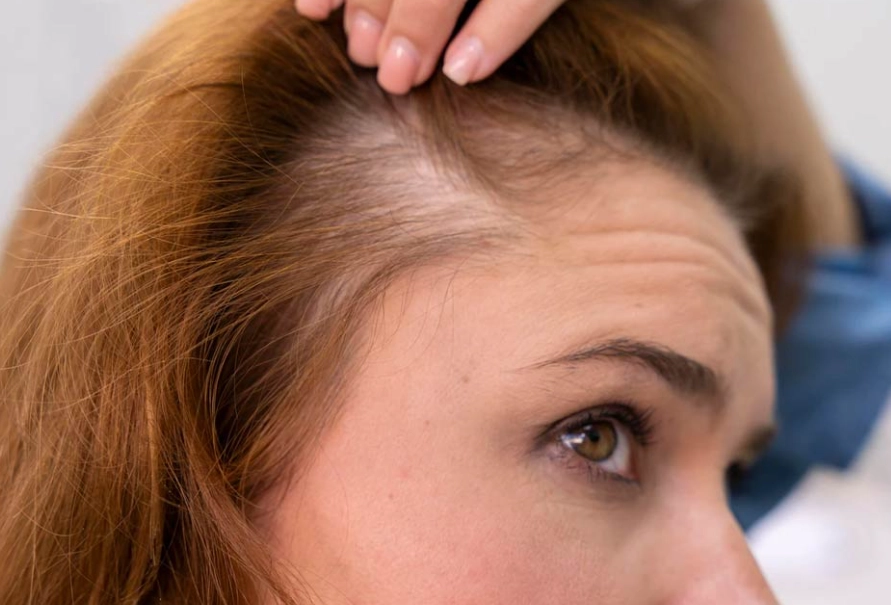
Daily Life with Thinning Hair: Practical Tips and Pitfalls
Beyond medical treatment, how you treat your hair day-to-day makes a difference. You want to avoid anything that causes unnecessary stress or breakage to the precious hair you have.
Do's and Don'ts for Hair Care
DO:
- Use a gentle, sulfate-free shampoo. Heavy formulas can weigh fine hair down.
- Condition the mid-lengths to ends, not the scalp, to avoid greasiness.
- Detangle with a wide-tooth comb on wet hair with conditioner in it.
- Pat hair dry with a microfiber towel instead of rubbing.
- Use heat protectant sprays religiously if you use hot tools, and keep the temperature low.
- Consider a silk or satin pillowcase to reduce friction and breakage overnight.
DON'T:
- Pull hair tightly into ponytails, buns, or braids. This is traction alopecia waiting to happen and will worsen thinning.
- Over-process with bleach, perms, or relaxers. Compromised hair breaks more easily.
- Scrub your scalp aggressively. Gentle massage is fine.
- Believe the hype of "miracle" oils or scalp massages as a standalone cure. They might feel nice but won't alter genetics.
Nutrition: Can Diet Help?
You can't eat your way out of a genetic condition, but a poor diet can certainly make things worse. Your hair needs protein, iron, zinc, and vitamins to grow. If you're deficient, correcting that can help optimize your hair's health and support any medical treatment you're on. Think of it as supporting the soil. A balanced diet with plenty of protein, leafy greens, and healthy fats is the foundation. A blood test can tell you if you need specific supplements like iron or vitamin D—don't just guess.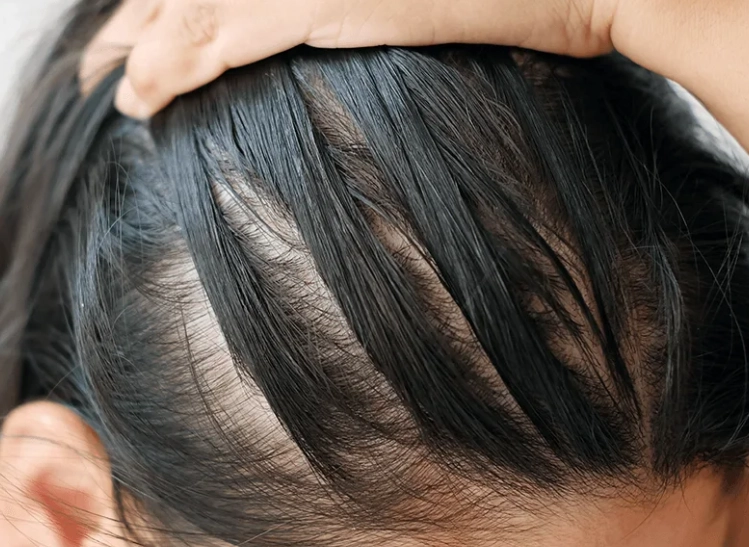
Your Questions, Answered (The Real Ones You're Searching For)
Looking Forward: A Realistic Mindset
Dealing with female pattern baldness is a journey, not a sprint. It requires patience, a good dermatologist, and a dose of self-compassion. The goal isn't necessarily the hair you had at 18. The goal is to preserve, improve, and feel in control of the situation.
Start with a proper diagnosis. Explore evidence-based treatments. Give them time to work. And remember, the tools for camouflage and styling are better than ever. Whether you choose to fight it aggressively with medical interventions, embrace clever styling, or simply accept the change on your own terms—all are valid paths.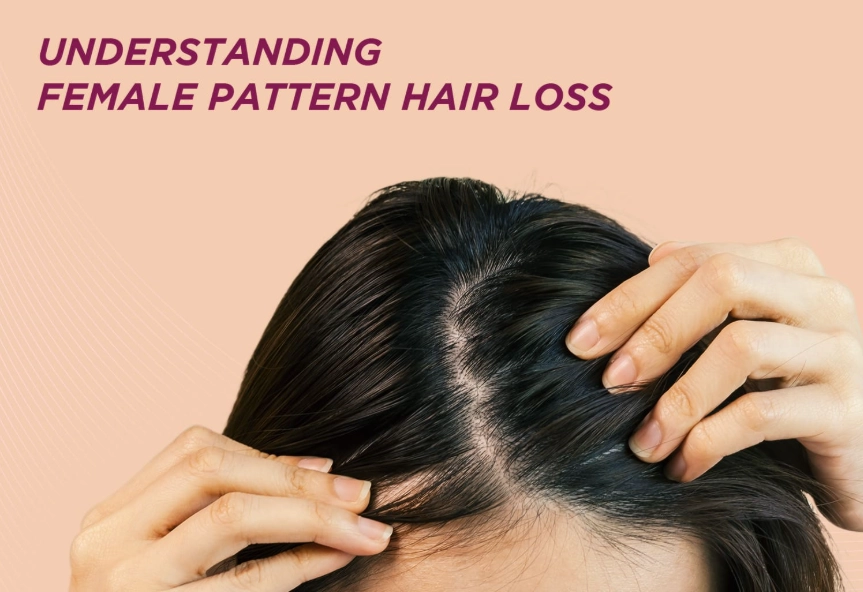
The most important step is the first one: understanding what you're dealing with. You're not alone, and you have more options than you think.



Leave a comment