Let's be real. When you hear "women's wellness activities," you probably picture a candlelit bath, a green smoothie, and maybe some yoga. Nice ideas, but they often feel like a checklist for a lifestyle you don't have time for. Real wellness isn't about perfectly staged Instagram moments. It's the small, consistent things that quiet the mental noise, ease the physical tension, and reconnect you with yourself amidst the chaos of work, family, and life.
I've been exploring this space for over a decade, both personally and professionally, and I've seen the same pattern. Women jump into intense fitness regimes or restrictive diets, burn out, and feel like they've failed. The problem isn't a lack of willpower. It's that we're targeting the wrong things with the wrong approach.
True wellness activities are less about "fixing" yourself and more about building a sustainable foundation of care across four pillars: mental, physical, social, and spiritual. It's not one-size-fits-all. What works for a retired empty-nester won't work for a new mom or a corporate executive. The magic happens when you find the specific, doable actions that fit your life.
What's Inside This Guide
What Does "Wellness Activity" Really Mean?
Forget the vague marketing term. A true wellness activity has three markers:
- It's intentional: You do it with the conscious purpose of nourishing some part of you.
- It's restorative: It should leave you feeling more resourced, not depleted. If your "self-care" leaves you more stressed, it's not working.
- It's personal: It resonates with YOU. If you hate journaling, forcing yourself to do it because a blog said so is counterproductive.
It could be five minutes of staring out the window with your coffee, a weekly phone call with a friend where you actually laugh, or a strength training session that makes you feel powerful. The form doesn't matter. The feeling does.
Mental and Emotional Wellness Activities
This is about managing the endless to-do list in your head and calming your nervous system. It's not about stopping thoughts, but changing your relationship with them.
My non-consensus take: Most guided meditations are too long and generic. Starting with 20 minutes is a recipe for frustration. The goal is to notice your thoughts, not clear your mind. A cluttered mind is a normal mind.
Practical, Non-Cheesy Ideas
Micro-Meditations: Set a timer for 90 seconds. Just feel your feet on the floor and listen to the most distant sound you can hear. That's it. Do this before opening a work email or when you feel overwhelm rising.
Digital Sunset: Not just putting your phone away, but actively engaging your hands and mind elsewhere for 30 minutes before bed. Try a simple puzzle, knitting (there's a reason it's making a comeback), or even organizing a drawer. The tactile focus pulls you out of mental loops.
"Worry Download": Keep a cheap notebook by your bed. Every night, spend 3 minutes brain-dumping every anxious thought, from "I forgot to reply to Sarah" to "what if the car makes that noise again." The physical act of moving it from your brain to paper tricks your mind into letting go, at least for the night. Research from the American Psychological Association suggests expressive writing can reduce intrusive thoughts.
Physical Wellness Activities
This isn't just about burning calories. It's about finding movement that makes your body feel alive, capable, and respected. The biggest mistake I see? Choosing an activity you think you *should* do over one you might actually enjoy.
| Activity Type | Core Wellness Benefit | Best For Women Who... | Low-Cost Starting Point |
|---|---|---|---|
| Strength Training | Builds bone density, boosts metabolism, builds functional confidence. | Want to feel powerful, are concerned about osteoporosis (family history). | Bodyweight exercises (squats, push-ups against a wall) at home. Follow a free app like Nike Training Club. |
| Yoga or Pilates | Improves flexibility, core stability, and mind-body connection. Reduces stress. | Have desk jobs, deal with back tension, need to slow down a racing mind. | YouTube channels like "Yoga with Adriene" offer brilliant 30-day beginner challenges for free. |
| Dance (Any style) | Cardio that feels like joy. Boosts mood, coordination, and is deeply expressive. | Find traditional gyms boring, want to combine physical and emotional release. | Clear some living room space and follow a Zumba or hip-hop dance workout on YouTube. No one's watching! |
| Nature Walks / Hiking | Combines gentle cardio with the proven mental benefits of being in nature ("forest bathing"). | Need solo time, enjoy changing scenery, want low-impact movement. | Find a local park or trail. Go for 20 minutes. Notice three things you see, two you hear, one you smell. |
Listen to your body. Some days, it wants a sweaty, heart-pumping run. Other days, it's begging for a gentle stretch or a walk. Both are valid wellness activities.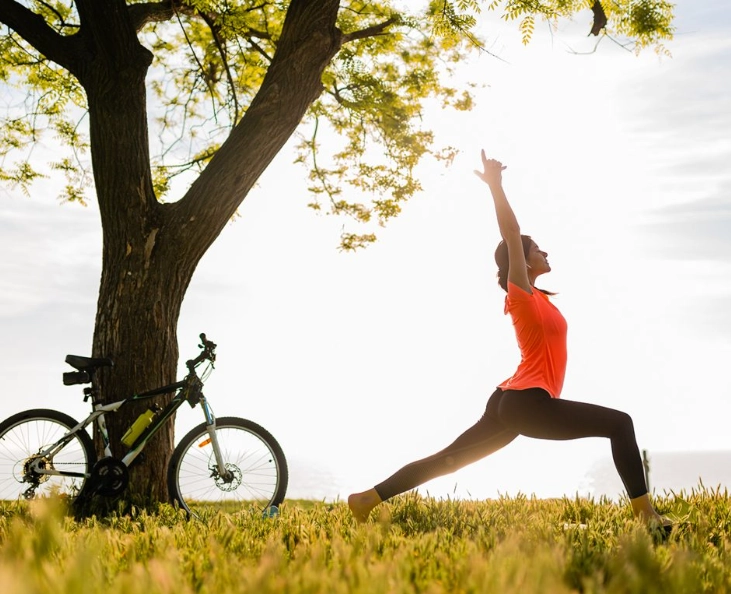
The Overlooked Power of Social Connection
We often frame wellness as a solo pursuit, but loneliness is a profound health risk. For women, connection is often a primary nutrient. This isn't about networking or obligatory socializing. It's about reciprocal, energizing connection.
I used to think my weekly book club was just a fun night out. After a year, I realized it was a non-negotiable mental health anchor. We talked about the book for maybe 20 minutes. The rest was sharing life updates, struggles, and laughing until our faces hurt. That's a wellness activity.
How to cultivate it:
- Convert a mundane task: Invite a friend to grocery shop or run errands with you. The side-by-side conversation in a low-pressure setting can be more meaningful than a formal dinner.
- Join a class with a social component: A pottery workshop, a community garden plot, or a recreational sports league. The shared learning goal creates natural bonds.
- Reach out proactively: Text a friend and say, "I have 15 minutes on my drive home, want to catch up on the phone?" Short, focused connections often work better than trying to plan a three-hour brunch.
Activities for the Soul (No Religion Required)
This is about connecting to something larger than your daily tasks—a sense of purpose, awe, or creativity.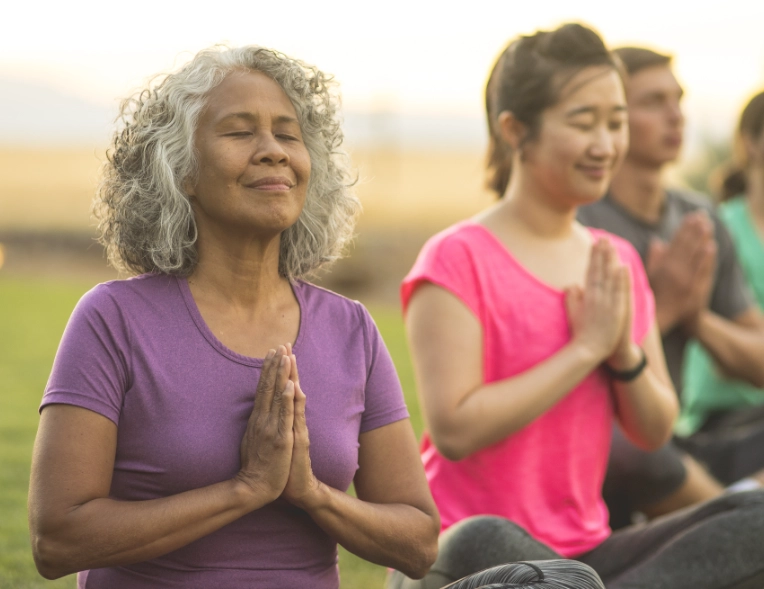
Creative Expression: This isn't about being "good at art." It's about the process. Doodle with colored pencils. Write a terrible poem. Sing loudly in the car. The act of creating without a goal quiets the inner critic and taps into a flow state.
Volunteering: Contributing to a cause you care about provides perspective and a deep sense of meaning. It gets you out of your own head. Look for local animal shelters, food banks, or literacy programs. Even 2 hours a month can shift your mindset.
Awe Walks: This is a walk with a specific intention: to look for things that inspire wonder. A complex spiderweb, the pattern of clouds, the sheer height of an old tree. Studies, like those referenced by the Greater Good Science Center at UC Berkeley, show that experiencing awe can reduce stress and increase feelings of connectedness.
How to Build a Routine That Doesn't Crumble
This is where most plans fail. You get excited, overload your schedule, and quit when life gets busy.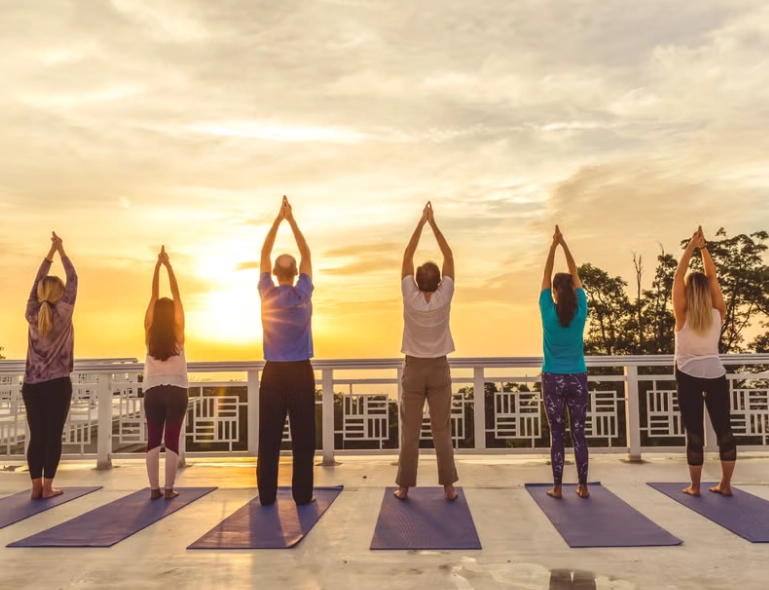
Start with one "anchor" activity. Pick the ONE thing from this list that feels most appealing or most needed. Maybe it's the 90-second micro-meditation each morning. Maybe it's a 20-minute walk every Tuesday and Thursday. Commit to just that for two weeks.
Attach it to a habit you already have. This is called habit stacking. "After I pour my coffee, I will do my 90-second meditation." "After I brush my teeth at night, I will do my worry download." The existing habit acts as a trigger.
Focus on showing up, not the outcome. Your goal is to do the activity, not to achieve a certain feeling or result. Some days your meditation will feel chaotic. Do it anyway. The ritual itself is the win.
After a month, see how it feels. Then, consider adding one more small layer. Wellness builds like a mosaic, one tiny, colorful piece at a time.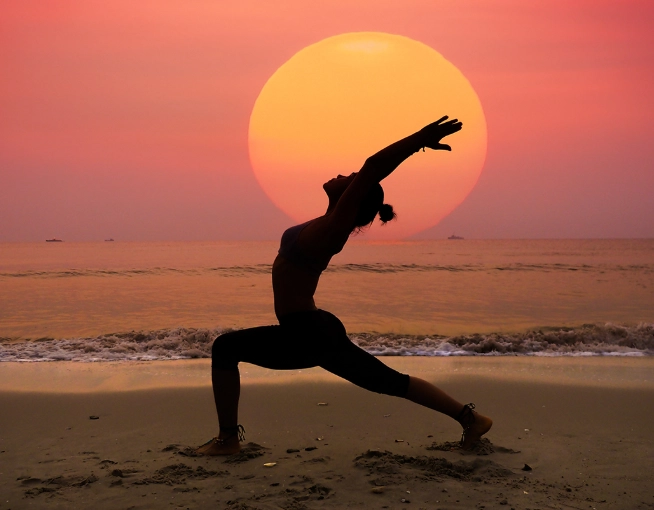
Your Real-World Questions, Answered
The path to wellness isn't a straight line. It's a series of small, kind choices you make for yourself, day after day. It starts not with a grand plan, but with a single question: What would feel genuinely nourishing to me right now? Start there.

Leave a comment