Let's be honest. When you hear "prevent osteoporosis," you probably think of drinking milk. That's a start, but it's a tiny piece of a much bigger puzzle. Building bone resilience is a full-time, lifelong project that starts in your teens and never really stops. The goal isn't just to avoid a diagnosis; it's to build a skeleton so robust that it can handle a slip, a trip, or the natural changes of aging without a crisis. I've seen too many people focus on one thing—like popping calcium pills—while ignoring the other critical levers. Here are the five pillars of osteoporosis prevention that actually work, explained without the fluff.
What You'll Learn in This Guide
1. Fuel Your Bones with the Right Nutrients (Not Just Calcium)
This is where most guides stop. "Get enough calcium." Sure. But if I had a dollar for every patient who took calcium supplements but still had poor bone density, I'd be retired. The nutrient synergy is everything.
Calcium is the mineral building block. Aim for 1,000-1,200 mg daily. A cup of milk has about 300 mg, a serving of yogurt around 400 mg. But look beyond dairy: canned sardines with bones, fortified plant milks, tofu set with calcium, and leafy greens like kale and bok choy are stellar sources.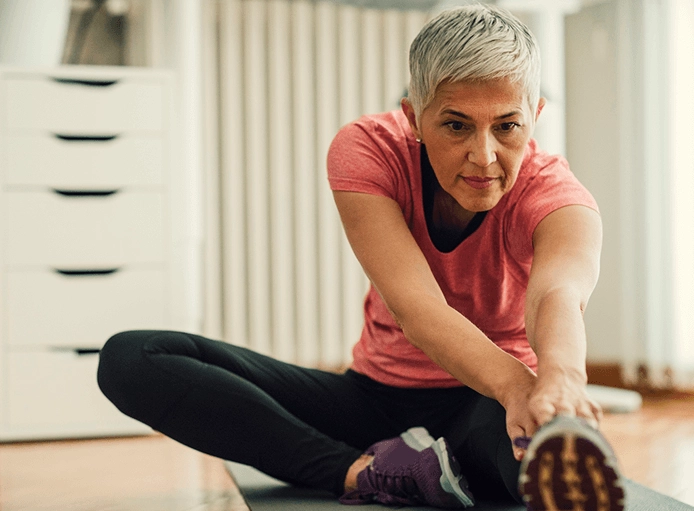
The real game-changer, though, is Vitamin D. It's the key that unlocks your gut's ability to absorb that calcium. Without it, calcium just passes through you. Our bodies make it from sunlight, but modern life gets in the way. The National Institutes of Health notes that many adults are deficient. A daily supplement of 800-2000 IU is a practical insurance policy for most, especially in winter or if you use sunscreen.
Then there's the supporting cast everyone forgets:
- Protein: Your bone matrix is about 50% protein. Skimping on it, especially as you age, is like building a house without enough framing. Include a palm-sized portion of lean meat, fish, beans, or lentils at most meals.
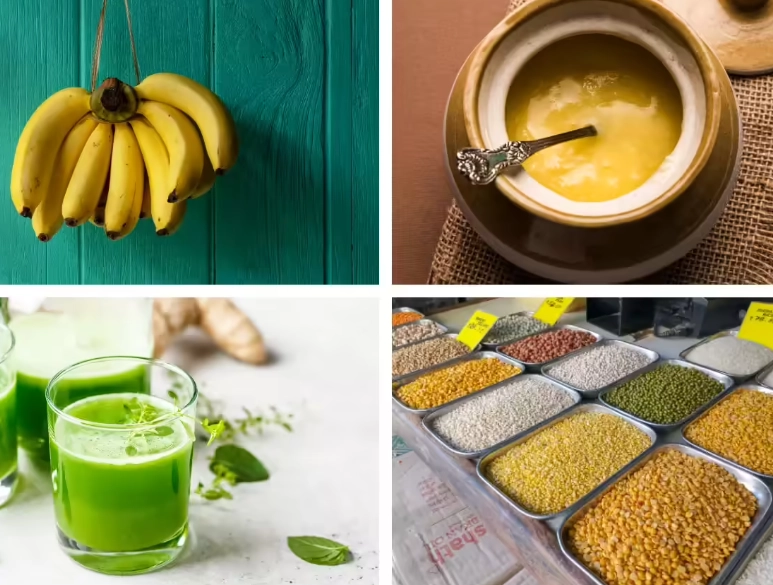
- Magnesium & Potassium: Found in nuts, seeds, bananas, and avocados, they help regulate calcium and bone metabolism.
The Non-Consensus View: Chasing super-high calcium intake (like 2,000+ mg daily) without balancing it with magnesium and Vitamin K2 (found in fermented foods and hard cheeses) might even be counterproductive. It can lead to calcium depositing in soft tissues instead of bones. Think of your diet as an orchestra, not a solo act.
2. Move Your Body: The Best Exercises for Bone Strength
Bone is living tissue. It responds to stress by getting stronger. The wrong kind of stress causes injury. The right kind builds fortress-like density.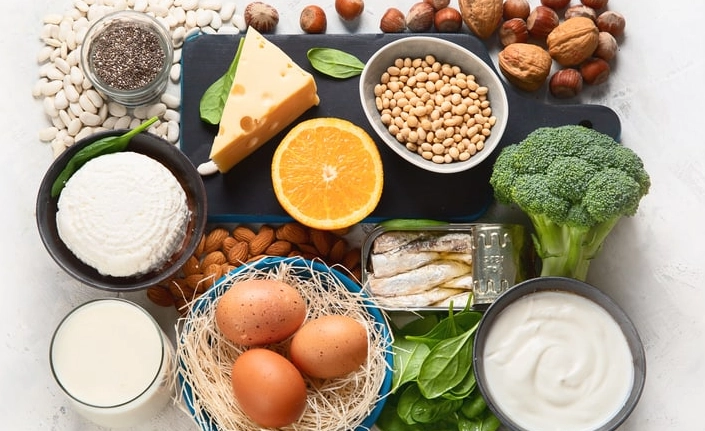
You need two main types of activity:
Weight-Bearing Impact Exercise
This means activities where you're on your feet, and your bones support your weight against gravity. The impact sends signals to your bones to reinforce themselves.
- High-impact (best for younger, healthy bones): Running, jumping rope, tennis, hiking on uneven terrain, dancing.
- Low-impact (safer for beginners or those with joint issues): Brisk walking, using an elliptical trainer, stair climbing.
Aim for 30 minutes, most days. A brisk morning walk is good. Adding 50-100 jumps (jumping jacks, light rope skips) three times a week is even better.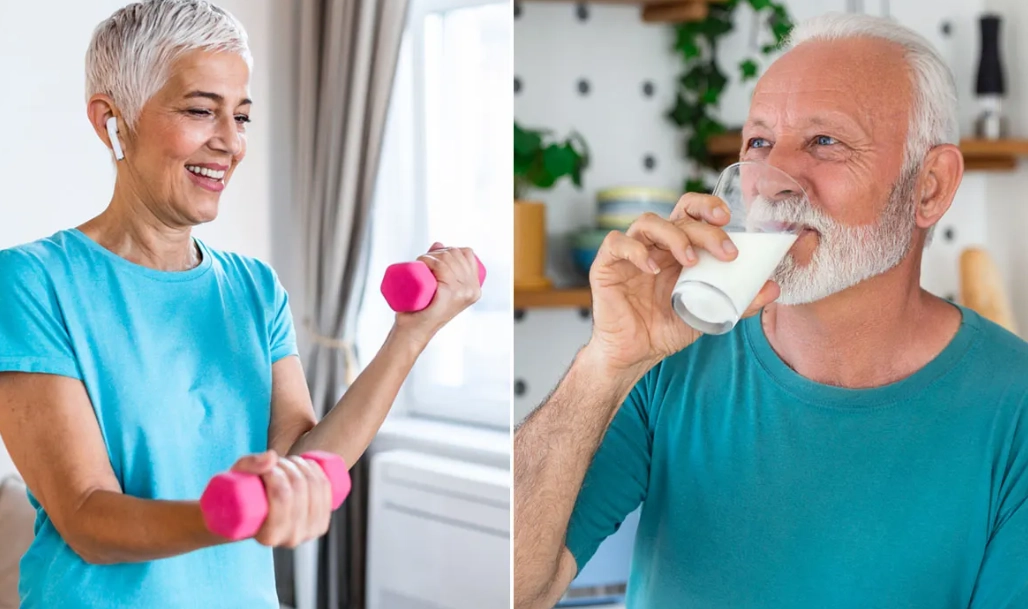
Muscle-Strengthening (Resistance) Exercise
When your muscles pull on bones during resistance work, it creates a powerful bone-building stimulus. This is non-negotiable, especially after 50.
- What to do: Lifting free weights, using resistance bands, bodyweight exercises (squats, lunges, push-ups), or weight machines.
- How to do it: Focus on major muscle groups (legs, back, chest). Use a weight or resistance that makes the last 2 reps of a set of 8-12 feel challenging. Do this 2-3 times per week.
I see people spend hours on stationary bikes. Great for the heart, but it does almost nothing for your hips and spine. You must load the skeleton.
3. Ditch the Habits That Weaken Your Skeleton
You can eat perfectly and exercise, but certain habits act like a slow leak, draining bone mineral density year after year.
Smoking is a direct poison to bone-building cells (osteoblasts). It also interferes with estrogen's protective role. Quitting is the single best bone-health decision a smoker can make.
Excessive Alcohol (more than 2 drinks per day regularly) is toxic to osteoblasts and increases fall risk. Moderation is key.
Too Much Sodium & Caffeine can increase calcium loss through urine. You don't need to eliminate coffee—I certainly haven't—but balance it. If you have three cups of coffee, ensure you're also getting three solid servings of calcium-rich foods that day. And go easy on the processed snacks loaded with salt.
The Sedentary Lifestyle is a silent killer for bones. Sitting for 8+ hours a day tells your body your skeleton is obsolete. Break it up. Set a timer to stand and stretch every 30 minutes. Take walking calls. It all adds up.
4. Understand and Manage Your Personal Risk Factors
Prevention isn't one-size-fits-all. Your personal landscape matters.
Family History: If a parent had a hip fracture, your risk is higher. This isn't a death sentence; it's a wake-up call to be more diligent with the other four pillars.
Medical History & Medications: Long-term use of corticosteroids (for asthma, arthritis), some antidepressants, and certain cancer treatments can accelerate bone loss. If you're on these, have a frank talk with your doctor about bone monitoring and protective strategies. Don't stop medication, but be proactive.
Hormonal Changes: Early menopause (before 45) or periods of absent menstruation due to low body weight or over-exercising create an estrogen-deficient state that is very hard on bones. This is a critical window for intervention.
When to Get a Bone Density Scan (DEXA): The U.S. Preventive Services Task Force recommends baseline screening for women at 65 and men at 70. But if you have strong risk factors (like a fracture after 50, steroid use, or early menopause), talk to your doctor about getting one earlier. It's a simple, low-radiation scan that gives you a baseline number to work from.
5. Consistency Over Perfection: Building a Sustainable Bone-Health Routine
This is the most overlooked part. People launch into a brutal gym routine, drink gallons of milk for a month, and then burn out. Bone remodeling is a slow process. What matters is what you do consistently for decades.
Build small, non-negotiable habits:
- Take your Vitamin D with breakfast every morning.
- Add a handful of spinach to your daily smoothie or omelet.
- Park at the far end of the lot for that extra walk.
- Do 10 bodyweight squats while waiting for the kettle to boil.
- Schedule two 30-minute strength sessions per week like any other important appointment.
Fall off the wagon? That's normal. Just get back on. A week of missed workouts doesn't undo years of work. Perfectionism is the enemy of progress here.
The path to preventing osteoporosis isn't mysterious. It's grounded in daily, deliberate choices. It's about eating a colorful plate, moving with purpose, understanding your body's signals, and letting go of the habits that work against you. Start with one pillar. Get that right, then add another. Your future, more resilient self will thank you for every step you take today.

Leave a comment