The word "infertility" hits hard. It often arrives after months of hope and disappointment, turning a private dream into a clinical challenge. You're not just looking for definitions; you're searching for a way through this. Overcoming infertility isn't a single action. It's a process—a strategic, emotional, and sometimes medical journey of reclaiming agency over your family-building plans. This guide strips away the fluff and gives you the actionable steps, from the first suspicion to exploring advanced treatments, all while keeping your sanity intact.
What You'll Find in This Guide
The First, Most Critical Steps to Take
Before you dive into complex medical jargon, start here. These foundational steps create a stable platform for everything that follows.
1. Redefine "Trying." Many couples believe they are timing things correctly but are off by a few critical days. The fertile window is short—about 6 days ending on the day of ovulation. Using ovulation predictor kits (OPKs) or tracking basal body temperature (BBT) isn't overkill; it's data collection. A common mistake? Stopping OPKs after the first positive. Ovulation typically occurs 24-36 hours *after* that first positive test.
2. The Pre-Conception Checkup, Reimagined. Don't just see your OB/GYN for a pap smear. Schedule a dedicated pre-conception visit. Bring a list. Ask about your thyroid levels (TSH), Vitamin D, and iron status. These are simple blood tests that can reveal hidden roadblocks. According to the CDC, managing chronic conditions before pregnancy is crucial.
3. Lifestyle Audit: The Non-Negotiables. We all know the basics: eat well, exercise, don't smoke. Let's get specific.
4. When to Seek Help: Ditch the "One-Year Rule" Mentality. The standard advice is to try for a year if under 35, six months if over 35. I advise a more nuanced approach. If you have irregular cycles, known conditions like PCOS or endometriosis, or a history of pelvic infections, see a specialist sooner. If you're over 40, consider a consultation immediately. Waiting due to an arbitrary timeline can waste precious time.
Navigating the Medical Investigation Maze
This is where you transition from general health to targeted fertility care. It can feel overwhelming, but understanding the "why" behind each test empowers you.
Finding the Right Specialist
An OB/GYN is a great starting point, but a Reproductive Endocrinologist (RE) is a fertility specialist. They are trained to diagnose and treat complex infertility. The American Society for Reproductive Medicine (ASRM) is a resource for finding board-certified REs. Don't be afraid to interview a doctor. Ask about their communication style, clinic success rates for your age group, and how they involve you in decision-making.
The Standard Diagnostic Workup
It's a two-part investigation: one for the female partner, one for the male partner. Unexplained infertility only exists after both parts are thoroughly completed.
| For The Female Partner | For The Male Partner | What It Tells You |
|---|---|---|
| Day 3 Hormone Panel (FSH, LH, Estradiol, AMH) | Semen Analysis (SA) | Ovarian reserve & egg quantity / Sperm count, motility, morphology |
| Hysterosalpingogram (HSG) | Possible Hormone Bloodwork (Testosterone, FSH) | If fallopian tubes are open / If hormonal issues affect sperm production |
| Transvaginal Ultrasound | Possible Physical Exam | Uterine structure, ovarian cysts, antral follicle count |
| Ovulation Confirmation (Progesterone test) | Confirms if ovulation actually occurred |
A semen analysis is often the most overlooked yet fastest test. Nearly 40-50% of infertility cases involve a male factor, either alone or combined. Getting this test early eliminates guesswork.
Your Treatment Options Landscape
Treatment isn't a straight line from A to B. It's a staircase, and the right step depends entirely on your diagnosis. The goal is to use the least invasive, most effective option for your situation.
Step 1: Lifestyle & Medication
For ovulation disorders like PCOS, medications like Clomid (clomiphene) or Letrozole are first-line. They induce ovulation. This is often combined with timed intercourse or Intrauterine Insemination (IUI). IUI places washed, concentrated sperm directly into the uterus around ovulation, bypassing cervical barriers. Success rates per cycle are modest (10-20%), but it's a logical first intervention for mild male factor, cervical issues, or unexplained infertility.
Step 2: Assisted Reproductive Technology (ART)
This is where In Vitro Fertilization (IVF) comes in. It's the most effective treatment for many causes: blocked tubes, severe male factor, endometriosis, diminished ovarian reserve, and prolonged unexplained infertility.
IVF isn't one thing. It's a series of steps:
- Ovarian Stimulation: Injections to stimulate multiple eggs to grow.
- Egg Retrieval: A minor surgical procedure to collect the eggs.
- Fertilization: Eggs and sperm are combined in the lab (conventional IVF or ICSI for male factor).
- Embryo Culture: The fertilized eggs grow for 3-7 days.
- Embryo Transfer: One or more embryos are placed into the uterus.
Success rates vary dramatically by age. The Society for Assisted Reproductive Technology (SART) has a patient-friendly tool to view clinic-specific data. Look for the "Live Birth Rate per Intended Egg Retrieval" for your age group.
Step 3: Third-Party Reproduction & Other Paths
If IVF with your own eggs isn't viable or successful, other paths exist. These are not "last resorts" but powerful, valid family-building options. Donor Eggs or Sperm: Using donated gametes can offer very high success rates, as donor eggs typically come from young, screened individuals. Gestational Surrogacy: An option if carrying a pregnancy is medically impossible or risky. Adoption or Embryo Adoption: Building a family is the ultimate goal, and these are beautiful, complete ways to achieve it.
The Mind-Body Connection Everyone Underestimates
You can't meditate your way past blocked tubes. Let's be clear. But ignoring the emotional and psychological toll of infertility can sabotage the entire process. The stress of treatment can affect relationships, sleep, and even decision-making capacity.
Protect Your Partnership. Infertility becomes the third party in your relationship. Schedule "fertility-free" zones—dates where talking about cycles, shots, or results is banned. Seek a therapist who specializes in infertility. Organizations like RESOLVE: The National Infertility Association offer support groups where you can talk to people who truly get it.
Decision Fatigue is Real. After countless appointments, drug protocols, and financial calculations, your brain gets tired. This is when people make impulsive choices or agree to things they don't fully understand. Create a decision-making framework with your partner *before* you're in the thick of it. For example: "We will try up to 3 IUIs before revisiting the plan." Or, "We have a financial ceiling of X for IVF cycles."
My personal take? The relentless positivity of "just relax and it will happen" is unhelpful. It's okay to not be okay sometimes. Acknowledge the grief of the journey while still taking the next practical step forward.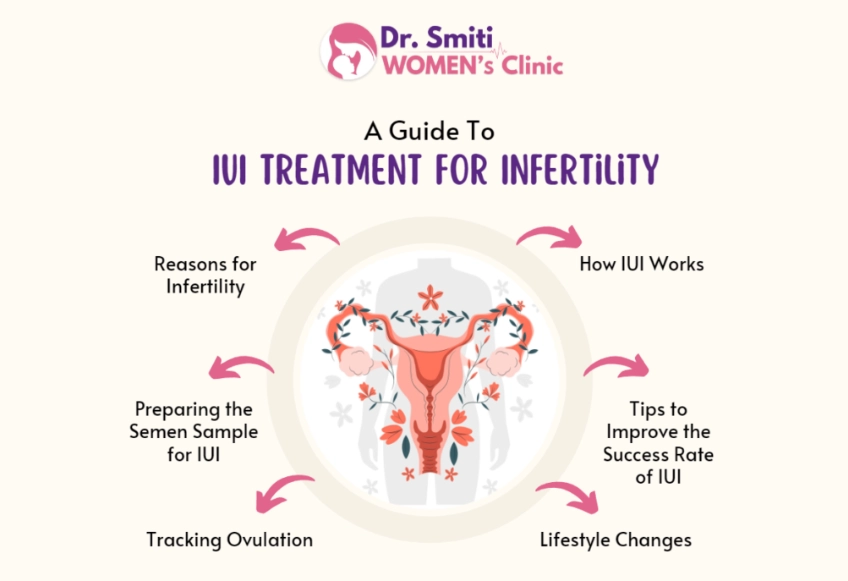
Your Top Infertility Questions, Answered
 What's one thing people waste money on during fertility treatment?
Overcoming infertility is a marathon, not a sprint. It demands equal parts science and self-compassion. By taking structured, informed steps—from foundational health to advanced treatment—you move from feeling powerless to being an active participant in your journey. There are many paths to a family. Your job is to gather the information, build your support team, and choose the path that is right for you, one deliberate step at a time.




Leave a comment