Let's cut to the chase. If you're a woman dealing with thyroid problems, you know it's more than just a number on a lab report. It's the unexplained weight gain or loss, the hair thinning in the shower drain, the bone-deep fatigue that coffee can't touch, and the brain fog that makes you forget why you walked into a room. The good news? Gaining control is absolutely possible. It's not about a single magic pill, but a multi-layered strategy that combines smart lifestyle choices with precise medical intervention. This guide is your roadmap, built on practical steps and clear explanations, to help you take back control of your thyroid health.
Your Guide to Thyroid Control
Understanding the Female Thyroid
Your thyroid is a small, butterfly-shaped gland in your neck, but it's the master regulator of your metabolism. It produces hormones (T4 and T3) that tell every cell in your body how to use energy. When it's off, your whole system feels off.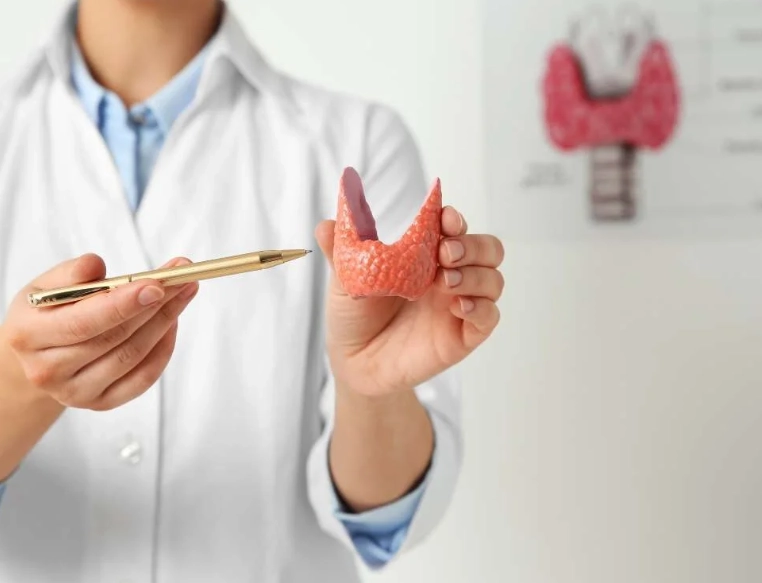
Women are five to eight times more likely than men to develop thyroid disorders. Why? It's largely linked to our hormones. Estrogen and progesterone fluctuations during menstruation, pregnancy, postpartum, and menopause can directly impact thyroid function. Autoimmune diseases, where the body attacks its own thyroid (like in Hashimoto's or Graves' disease), are also far more common in women.
Spotting the Signs: It's Not Always Obvious
Symptoms can be sneaky and are often mistaken for stress or just "getting older." They largely depend on whether your thyroid is underactive (hypothyroidism) or overactive (hyperthyroidism).
| Symptom | Hypothyroidism (Underactive) | Hyperthyroidism (Overactive) |
|---|---|---|
| Energy & Mood | Fatigue, depression, brain fog | Anxiety, irritability, restlessness |
| Weight & Metabolism | Unexplained weight gain, feeling cold | Unexplained weight loss, feeling hot |
| Physical Changes | Hair loss, dry skin, brittle nails, constipation | Thinning hair, moist skin, frequent bowel movements |
| Heart Rate | Slower heart rate | Racing heart, palpitations |
| Menstrual Cycle | Heavy, irregular periods | Light, infrequent periods |
If several of these sound familiar, the first step to control is getting a proper diagnosis. This means seeing a doctor and getting a full thyroid panel—not just TSH. You need TSH, Free T4, Free T3, and thyroid antibodies (TPO and TgAb) to get the full picture.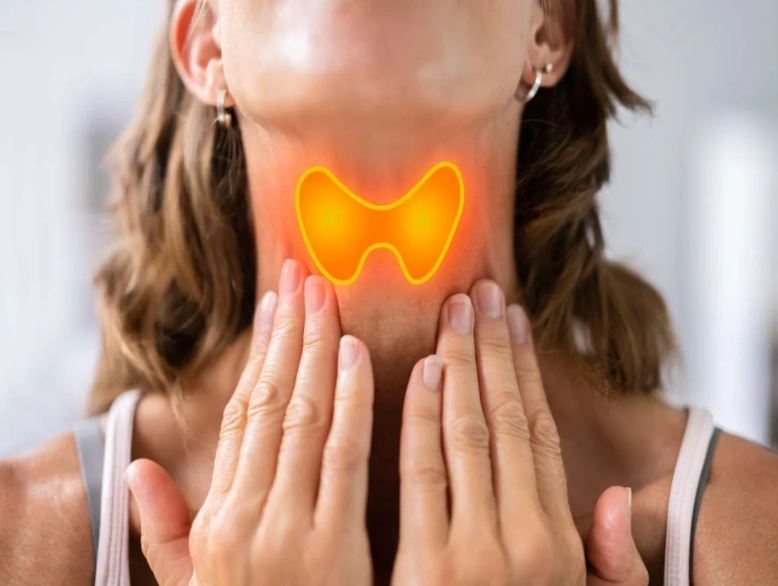
How to Control Thyroid Levels: A Practical Guide
Think of controlling your thyroid like tuning an orchestra. Diet, exercise, stress, and sleep are all instruments that need to play in harmony. Let's break down each section.
1. The Thyroid-Supporting Diet: Beyond Iodine
Food is foundational. I've seen too many women jump on extreme diets that backfire. The goal isn't deprivation; it's strategic nourishment.
What to Focus On:
- Selenium: This mineral is crucial for converting T4 to the active T3 hormone. Two Brazil nuts a day can meet your needs. Really, just two—more can be toxic.
- Zinc: Another key player in hormone conversion. Find it in pumpkin seeds, chickpeas, and grass-fed beef.
- Anti-inflammatory Foods: Since autoimmune issues are common, calming inflammation is key. Load up on fatty fish (salmon, mackerel), berries, leafy greens, and turmeric.
- Fiber: Helps with the constipation common in hypothyroidism and supports gut health, which is linked to immunity. Think avocados, chia seeds, and lentils.

What to Be Cautious With:
- Goitrogens: Foods like raw kale, broccoli, and soy can interfere with iodine uptake if eaten in massive, raw quantities. Cooking significantly reduces this effect. Don't fear your greens—just steam or sauté them.
- Gluten & Dairy: For some women with Hashimoto's, these can be inflammatory triggers. It's not universal. Try a 4-week elimination of one at a time to see if your symptoms (like bloating or fatigue) improve.
- Processed Foods & Sugar: These spike inflammation and stress your system. They offer zero nutritional benefit for your thyroid.
2. Movement That Matters, Not Marathon Training
When you're exhausted, the thought of exercise can be overwhelming. Intense, prolonged cardio can actually stress the adrenal system and worsen thyroid fatigue for some.
Better choices:
- Walking: 30 minutes of brisk walking most days improves metabolism and mood without the crash.
- Strength Training: Building muscle boosts your resting metabolic rate. Start with bodyweight exercises or light weights twice a week.
- Yoga or Pilates: Excellent for stress reduction, flexibility, and gentle core engagement.
- Listen to your body. On high-fatigue days, a 10-minute stretch is a victory. Pushing through extreme exhaustion is counterproductive.
3. Non-Negotiable Stress Management
This is the piece most people skip, but it's critical. Chronic stress raises cortisol, which can block thyroid hormone reception and disrupt the HPA axis (your body's stress command center).
You don't need to meditate for an hour. Start small.
- Box Breathing: Inhale for 4 counts, hold for 4, exhale for 6, hold for 2. Do this for 2 minutes when you feel overwhelmed.
- Nature Breaks: A 15-minute walk outside without your phone.
- Digital Sunset: Turn off screens 60 minutes before bed. The blue light messes with sleep hormones, which messes with everything else.
Stress management isn't fluffy self-care; it's biological necessity for thyroid control.
4. The Environmental Factor: Toxins and Sleep
Endocrine-disrupting chemicals (EDCs) found in some plastics, cosmetics, and household cleaners can mimic or block hormones. You can't avoid everything, but you can make smarter swaps: use glass containers, choose fragrance-free personal care products, and filter your water.
Sleep is when your body repairs and regulates hormones. Aim for 7-9 hours of quality sleep. Create a cool, dark, and quiet sleep environment. This is non-negotiable for metabolic health.
Medical Treatments: When Lifestyle Isn't Enough
For many women, lifestyle changes make a huge difference. But for others, especially with significant hormone deficiency or autoimmune activity, medication is essential. This isn't a failure; it's a tool.
Standard Medication Options
- Levothyroxine (Synthroid, Tirosint, Levoxyl): The standard treatment for hypothyroidism. It's synthetic T4. Your body must convert it to active T3. It works well for most, but some women struggle with conversion.
- Liothyronine (Cytomel): Synthetic T3. Sometimes added to levothyroxine if conversion is an issue.
- Natural Desiccated Thyroid (NDT): Derived from pig thyroid, it contains both T4 and T3. Some women report feeling better on it, but it's less standardized. It requires a knowledgeable doctor.
- Anti-thyroid Drugs (Methimazole, PTU): Used for hyperthyroidism/Graves' disease to slow hormone production.
When Surgery Might Be Considered
For large goiters, suspicious nodules, or Graves' disease that doesn't respond to medication, a thyroidectomy (partial or full removal) may be recommended. This leads to lifelong hypothyroidism, requiring daily hormone replacement.
Monitoring and Adjusting Your Plan
Controlling your thyroid is a journey, not a one-time fix.
- Get Regular Labs: Don't just go by "normal" ranges. Work with your doctor to find your optimal range where you feel best. For many, a TSH between 1.0 and 2.5 mIU/L is ideal.
- Keep a Symptom Journal: Track energy, mood, weight, digestion, and menstrual cycles alongside any dietary or medication changes. Patterns will emerge.
- Partner with the Right Doctor: Find an endocrinologist or integrative physician who listens to your symptoms, not just your lab numbers.
Your Thyroid Questions, Answered
Why isn't my thyroid medication working even though my TSH is "normal"?
The standard TSH range is broad. You might be in the "normal" range but not at your personal optimal level. Furthermore, TSH only tells part of the story. Your Free T3 (the active hormone) might be low, or you could have high Reverse T3 (an inactive form that blocks receptors). Nutrient deficiencies (like iron, selenium, B12) or high cortisol from chronic stress can also prevent you from feeling well, even on medication. A full thyroid panel and a discussion about symptoms are crucial.
What's the single most important dietary change for thyroid control?
Ditching processed foods and added sugar. This one move reduces inflammation, supports stable blood sugar (which reduces stress on your adrenals), and improves gut health. It creates a foundational environment where all other interventions—specific nutrients, medication—can work more effectively. It's not the sexiest answer, but it's the most impactful for most people.
Can I manage my thyroid naturally during pregnancy?
Pregnancy demands on the thyroid are huge. While maintaining a healthy diet and managing stress is vital, medication (usually levothyroxine) is often essential and must be carefully monitored and adjusted. Untreated thyroid issues in pregnancy pose risks to both mother and baby. This is a time for very close collaboration with your endocrinologist and OB-GYN, not for experimenting solely with natural remedies.
Are thyroid supplements from the health store safe and effective?
Some can be helpful, like a high-quality selenium or vitamin D supplement if you're deficient. However, many "thyroid support" blends contain iodine, which can be harmful if you have Hashimoto's (it can fuel the autoimmune attack). Others contain animal thyroid tissue in unregulated amounts. Never self-prescribe these. Get tested for deficiencies first and discuss any supplement with your doctor, as they can interact with medications.
How does stress actually affect my thyroid numbers?
Chronic stress elevates cortisol. High cortisol can: 1) Signal the pituitary gland to produce less TSH, giving a falsely reassuring reading. 2) Impede the conversion of T4 to the active T3. 3) Increase production of Reverse T3, which acts as a brake on your metabolism. 4) Promote intestinal permeability ("leaky gut"), which can worsen autoimmune activity. So you can be on the perfect dose of medication, but unmanaged stress can still make you feel hypothyroid. This is why the lifestyle component is non-negotiable.
Taking control of your thyroid health is a powerful act. It requires patience, self-advocacy, and a willingness to look at the whole picture—your food, your movement, your stress, your sleep, and your medicine. Start with one small, manageable change. Maybe it's adding two Brazil nuts to your breakfast or setting a bedtime alarm. Build from there. You have the power to influence how you feel. Use it.



Leave a comment