You feel off. Maybe it's weight that clings to your midsection no matter what you eat, a mood that swings like a pendulum for no clear reason, or a fatigue so deep coffee can't touch it. You're not imagining things. These are classic, and often misunderstood, side effects of hormonal imbalance. It's not just about periods or menopause; it's about your entire body's communication system going haywire. I've seen too many people chase symptom relief for years without addressing the hormonal root cause. Let's change that.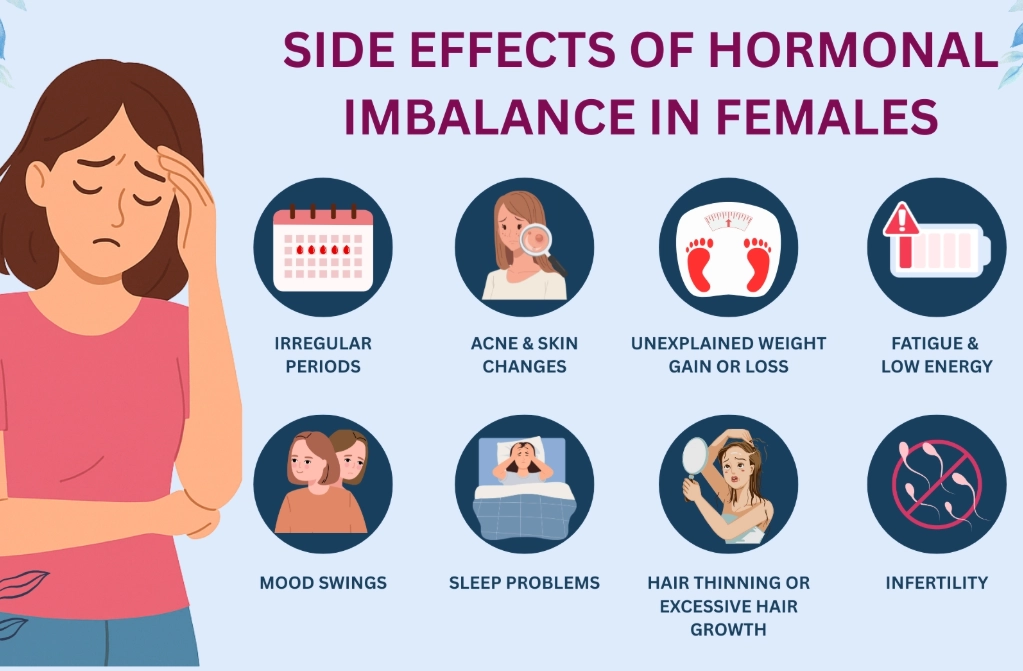
What's Inside This Guide
The Most Common (and Surprising) Side Effects of Hormonal Imbalance
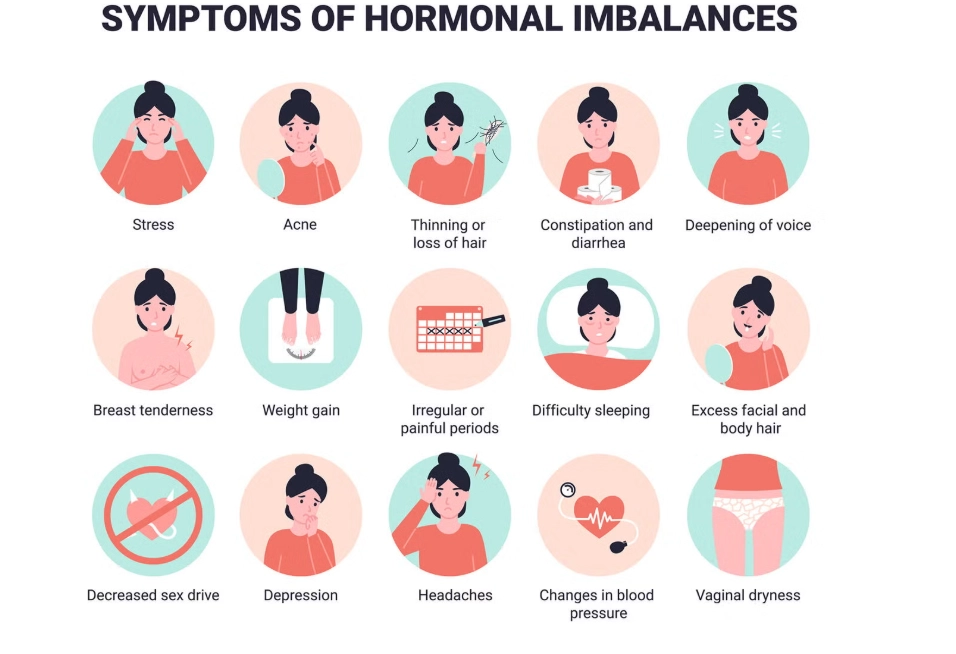
We often think of hot flashes or acne, but hormonal imbalance side effects wear many masks. The key is seeing the pattern, not just one symptom. Here’s a breakdown of what to watch for, organized by the hormone systems most likely involved.
| Symptom Cluster | Likely Hormone Players | Why It Happens |
|---|---|---|
| Stubborn Weight Gain & Belly Fat | Cortisol, Insulin, Thyroid (T3/T4) | High cortisol tells your body to store fat (especially visceral fat). Insulin resistance makes you a fat-storing machine. Low thyroid slows your metabolic furnace to a crawl. |
| Crushing Fatigue & Sleep Issues | Cortisol, Progesterone, Melatonin | Dysregulated cortisol (high at night, low in the morning) ruins sleep cycles. Low progesterone can cause insomnia. This isn't just "being tired"; it's a deep, unrefreshing exhaustion. |
| Mood Swings, Anxiety & Depression | Estrogen, Progesterone, Cortisol | Estrogen affects serotonin. Progesterone is a natural calming agent. When they're off, your mood stability goes with them. Cortisol overload keeps you in a constant state of fight-or-flight anxiety. |
| Brain Fog & Memory Lapses | Thyroid, Cortisol, Estrogen | Your brain runs on thyroid hormone. Cortisol inflammation can cloud thinking. Estrogen decline impacts focus. Calling it "brain fog" undersells how debilitating it can be. |
| Digestive Problems (Bloating, IBS) | Cortisol, Sex Hormones | High cortisol shuts down digestion (it's a non-essential function during stress). Sex hormone fluctuations directly affect gut motility and microbiome balance. |
| Hair Loss & Skin Changes | Thyroid, Androgens (DHT), Cortisol | Thyroid issues lead to thinning hair. Androgen imbalance can cause female pattern hair loss. Cortisol depletes collagen, leading to thin, aging skin. |
The biggest mistake I see? People treat these as separate issues. They take a probiotic for bloating, an antidepressant for mood, and a stimulant for fatigue. It's like silencing individual fire alarms while the house burns down. You must look at the whole picture.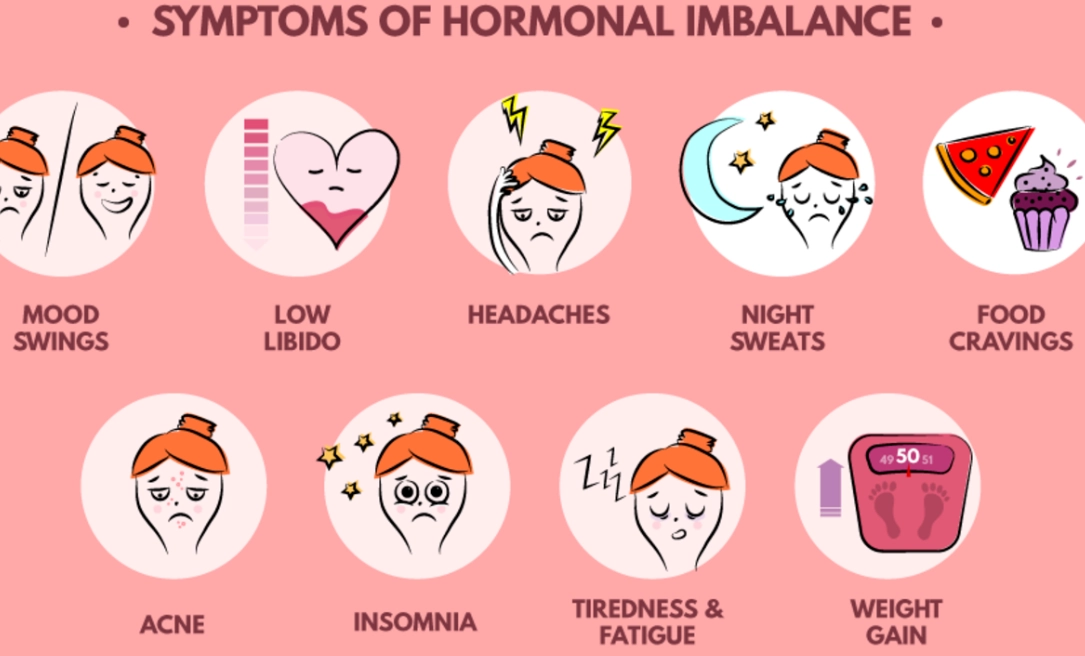
A Real-Life Pattern: Sarah, 42, came to me with "IBS," anxiety, and 15 pounds of unexplained weight gain. Her doctor prescribed gut meds and an SSRI. No one checked her cortisol. A saliva test showed a completely flatlined cortisol rhythm—her body had burned out from chronic work stress. Her gut, mood, and metabolism were all casualties of that one primary hormonal disruption. We fixed the stress response, and the other pieces slowly fell back into place.
What's Really Causing Your Hormonal Chaos?
It's rarely one thing. Modern life is a perfect storm for hormone disruption. Let's move beyond the vague "it's stress" or "it's aging."
Chronic Stress: The Primary Culprit
This isn't just "feeling busy." Chronic stress means your cortisol is constantly elevated. This single hormone can suppress thyroid function, create insulin resistance, and throw off progesterone production. The American Psychological Association has tons of data on the physical toll of chronic stress, but few connect it directly to the full spectrum of hormonal imbalance side effects. Your body can't tell the difference between a work deadline and a tiger chase—the hormonal response is the same.
Dietary Triggers We Ignore
It's not just about sugar (though that's a huge one for insulin). The bigger issue is inflammation. Seed oils (soybean, canola), processed foods, and even gluten for sensitive individuals, create systemic inflammation that disrupts hormonal signaling at the cellular level. Your hormone receptors literally stop "hearing" the messages.
 The Sleep-Disruption Cycle
Poor sleep isn't just a symptom; it's a major cause. Less than 7 hours of quality sleep raises cortisol and ghrelin (the hunger hormone) while lowering leptin (the fullness hormone). This creates a vicious cycle: hormone imbalance disrupts sleep, and poor sleep worsens the imbalance. Research from Johns Hopkins Medicine clearly links sleep deprivation to impaired glucose metabolism and increased cortisol.
Environmental Toxins (The Silent Disruptors)
Xenoestrogens—chemicals in plastics, pesticides, and personal care products—mimic estrogen in your body. This leads to estrogen dominance, a common condition with symptoms like heavy periods, breast tenderness, and weight gain. They're everywhere, and their cumulative effect is massively underrated in conventional medicine.
Most people try to tackle one of these causes in isolation. That's like plugging one leak on a sinking boat. You need a multi-pronged approach.
Practical, Actionable Steps to Regain Balance
This is where we move from problem to solution. Forget quick fixes. These are foundational habits that address the root causes we just discussed.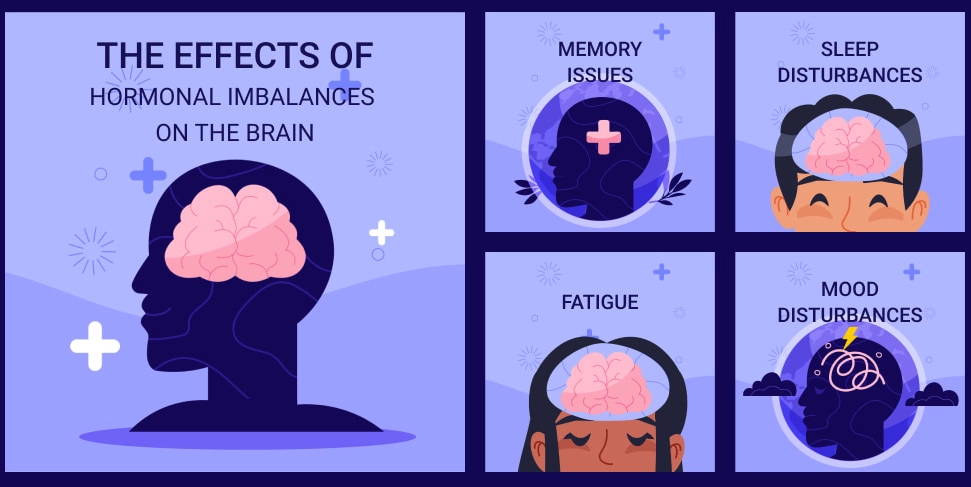
Step 1: Nail Your Nutrition (Beyond Just Eating "Healthy")
Prioritize Protein and Fat at Breakfast: Ditch the toast or cereal. Start your day with eggs, avocado, or a protein smoothie. This stabilizes blood sugar and cortisol for the entire day, preventing the 3 PM energy crash and cravings.
Identify Your Inflammatory Foods: For 30 days, try eliminating the big three: gluten, dairy, and added sugars. This isn't forever, but it's a powerful diagnostic tool. You might find your bloating, skin issues, and brain fog clear up, pointing directly to a food-based trigger for your inflammation.
Support Your Liver: Your liver processes used hormones. If it's sluggish, you get recirculation of hormones, making imbalances worse. Add cruciferous veggies (broccoli, kale), beets, and green tea.
Step 2: Master Your Stress Response (Not Just "Reduce Stress")
You can't eliminate stress, but you can change your body's response to it.
Morning Sunlight: Get 10 minutes of outdoor light within an hour of waking. This is the single most effective signal to set your circadian rhythm and normalize cortisol. It's free and more powerful than any supplement.
Strategic Breathing: When you feel overwhelmed, don't just "try to relax." Do a physiological sigh: a double inhale through the nose, followed by a long, slow exhale through the mouth. This directly lowers your heart rate and cortisol in real-time.
Movement as Medicine, Not Punishment: Ditch the hour-long, high-intensity workouts if you're stressed. They add more cortisol. Swap them for walking, yoga, or strength training. Consistency with gentle movement beats sporadic intense burnout.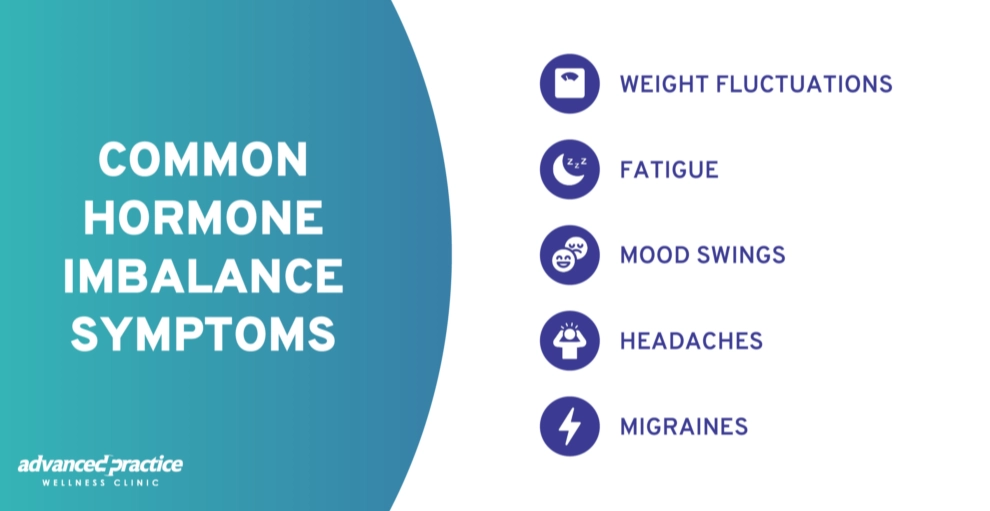
Step 3: Optimize Sleep Like Your Health Depends On It (It Does)
Create a 60-Minute Wind-Down: No screens. Read a book, take a warm bath with Epsom salts (magnesium aids sleep), or listen to calm music. The blue light from screens suppresses melatonin, the sleep hormone.
Keep It Cool and Dark: Aim for a bedroom temperature around 65°F (18°C). Use blackout curtains. Your body needs to drop its core temperature to initiate sleep.
These steps work synergistically. Better sleep improves stress resilience. Better nutrition supports liver detoxification. It's a positive cycle.
Your Hormone Questions, Answered
You're likely missing the rest and digest component. Many dedicated people are still chronically stressed—about their health, their diet, their performance. This keeps cortisol high. You might be eating "clean" but under-eating calories or key nutrients, which your body perceives as a stressor. Or you're exercising too intensely without adequate recovery. The missing piece is often downregulation: prioritizing sleep, gentle movement, and truly switching off mentally. Health is not just about adding good things; it's about subtracting stressors your body can't handle right now.
For many people, foundational lifestyle changes can create significant improvement, making medication unnecessary or allowing for a much lower dose. Medications like HRT are crucial tools for some, especially during menopause or with severe deficiencies. However, they work best on a solid foundation. If you're on a standard Western diet, not sleeping, and chronically stressed, HRT is like pouring water into a bucket full of holes. The lifestyle strategies we discussed plug the holes first. Always work with a functional or integrative medicine doctor who can test your levels and guide you on whether natural methods are sufficient or if medication is warranted for your specific situation.
Demand more than just a standard thyroid TSH test. Ask for a full thyroid panel (TSH, Free T3, Free T4, Reverse T3, and thyroid antibodies). For cortisol, a four-point saliva test is far more revealing than a single blood draw, as it shows your daily rhythm. For sex hormones (estrogen, progesterone), a saliva or dried urine test taken at specific points in your cycle (e.g., day 19-22) is more useful than a random blood test. Also, check fasting insulin and HbA1c for blood sugar regulation. Most conventional doctors won't order these automatically, so you may need to see a specialist or use a direct-to-consumer testing service. Data is power.
Manage your expectations. Some symptoms, like energy and mood, can improve within 2-4 weeks of consistent sleep and dietary changes. Regulating cortisol rhythms can take 3-6 months of diligent stress management. Reversing insulin resistance or significant thyroid issues often takes 6 months to a year. Hair growth cycles are slow—don't expect changes there for at least 3-4 months. The timeline isn't linear. You might feel worse for a week or two as your body detoxes and adjusts (often called a "healing crisis"). The key is consistency, not perfection. Track non-scale victories like better sleep quality, stable mood, and clearer skin alongside any weight changes.




Leave a comment